

Asia’s Stablecoin Market: The Critical Battle for Digital Sovereignty and Monetary Control
BitcoinWorld
Asia’s Stablecoin Market: The Critical Battle for Digital Sovereignty and Monetary Control
Singapore, February 2026 – Asia’s stablecoin market has transformed into a strategic battleground for digital sovereignty, according to a comprehensive new report from Tiger Research. The region’s financial future now hinges on whether national currencies can maintain relevance in digital payments against overwhelming U.S. dollar dominance. Tiger Research’s “State of the Asian Stablecoin Market in 2026” reveals critical developments across the continent, where governments are implementing diverse strategies to protect monetary autonomy. This analysis comes at a pivotal moment, as the total stablecoin market capitalization approaches $300 billion with astonishing 750% average annual growth since 2018.
Asia’s Stablecoin Market: The Digital Sovereignty Imperative
The Tiger Research report presents compelling evidence about Asia’s stablecoin market dynamics. Currently, approximately 99% of the global stablecoin market remains dominated by U.S. dollar-pegged assets. Consequently, Asian nations face significant challenges to their monetary sovereignty. The research firm, known for its authoritative Web3 analysis across Asia, documents how this dollar dominance creates strategic vulnerabilities. Therefore, governments across the region are developing coordinated responses. These initiatives aim to bolster economic security through digital currency innovation. The report specifically highlights how different nations approach this challenge with varying regulatory frameworks and technological solutions.
Digital sovereignty represents more than technological independence. It encompasses control over monetary policy, financial stability, and economic security in the digital age. Tiger Research analysts emphasize that stablecoins pegged to foreign currencies create dependency relationships. These relationships potentially undermine national economic policies during crises. Furthermore, the research indicates that Asian central banks recognize this threat. Their responses range from outright bans to comprehensive regulatory frameworks. Each approach reflects unique national priorities and risk assessments. The common thread, however, is the recognition that digital currency control equals future economic sovereignty.
National Strategies in Asia’s Stablecoin Landscape
Asian nations demonstrate remarkably diverse approaches to stablecoin regulation and development. Singapore leads with formal legalization, establishing clear rules for stablecoin issuance and operation. The Monetary Authority of Singapore implemented its stablecoin framework in 2024, creating a regulated environment for Singapore dollar-pegged digital assets. Hong Kong followed with comprehensive regulations in August 2025, bringing stablecoins under its existing financial regulatory framework. Japan pioneered legislation defining permissible issuers as early as 2023, focusing initially on banking institutions and trusted financial companies.
South Korea presents a different model, where regulatory frameworks lag behind market activity. Despite lacking dedicated stablecoin legislation, private sector initiatives have advanced significantly. The Bank of Korea monitors these developments while preparing its own regulatory response. China represents the most restrictive approach, banning all private stablecoins entirely. Instead, China focuses exclusively on its central bank digital currency, the digital yuan (e-CNY). This strategy prioritizes state control over financial innovation, reflecting different sovereignty priorities.
The Technological and Economic Implications
National stablecoin initiatives carry profound technological and economic implications. Countries developing sovereign-pegged stablecoins must address multiple technical challenges. These include maintaining peg stability, ensuring scalability, and preventing illicit activities. Economically, successful national stablecoins could reduce transaction costs for cross-border trade within Asia. They might also decrease dependency on dollar-based settlement systems. However, Tiger Research cautions that fragmentation risks creating incompatible digital currency systems. This fragmentation could hinder regional financial integration despite individual sovereignty gains.
The report provides specific data about implementation timelines and adoption metrics. Singapore’s regulated stablecoins show promising early adoption in regional trade finance. Japan’s bank-issued stablecoins demonstrate strong domestic retail acceptance. Hong Kong’s framework attracts international financial institutions seeking Asian market access. Each case study reveals different paths toward similar sovereignty objectives. The research further analyzes how these digital currencies interact with existing payment systems and central bank operations.
Market Dynamics and Growth Projections
Tiger Research documents extraordinary growth in Asia’s stablecoin market. From negligible levels in 2018, the market expanded at approximately 750% annually. This growth trajectory continues through 2026 according to current projections. The total market capitalization now approaches $300 billion as of February 2026. However, the distribution remains heavily skewed toward dollar-pegged assets. This imbalance creates the central challenge for Asian monetary authorities. Their national currency-pegged stablecoins collectively represent less than 1% of the total market. Closing this gap requires coordinated policy, technological innovation, and market confidence building.
The research identifies several key growth drivers specific to Asia. These include the region’s leadership in mobile payment adoption, strong cross-border trade networks, and increasing digital financial inclusion initiatives. Additionally, younger demographics show greater openness to digital currency adoption compared to Western markets. Regulatory clarity in jurisdictions like Singapore and Hong Kong further accelerates institutional participation. Meanwhile, technological infrastructure development supports more sophisticated stablecoin implementations. These factors combine to create unique Asian market dynamics distinct from European or American contexts.
Comparative Analysis of Regulatory Approaches
| Country/Region | Regulatory Status | Primary Issuers | Currency Peg | Implementation Timeline |
|---|---|---|---|---|
| Singapore | Legalized with framework | Licensed financial institutions | SGD primarily | 2024 onward |
| Hong Kong | Regulated framework | Authorized entities | HKD and others | August 2025 onward |
| Japan | Legislated scope | Banks and trust companies | JPY primarily | 2023 onward |
| South Korea | No dedicated law | Private sector initiatives | KRW experiments | Market-led since 2024 |
| China | Private stablecoins banned | Central bank only | Digital yuan (e-CNY) | Pilot since 2020 |
This comparative analysis reveals strategic diversity across Asia’s stablecoin markets. Singapore and Hong Kong embrace regulated innovation within established financial systems. Japan focuses on institutional credibility through banking sector involvement. South Korea allows market experimentation before regulatory intervention. China prioritizes complete state control through central bank monopoly. Each approach reflects different assessments of risks and opportunities. However, all share the common objective of protecting monetary sovereignty in digital finance.
Technological Infrastructure Requirements
Successful national stablecoin implementation demands robust technological infrastructure. Tiger Research identifies several critical components across Asian markets. These include secure digital identity systems, real-time settlement networks, and interoperability protocols. Additionally, regulatory technology solutions enable compliance monitoring across jurisdictions. The report notes significant infrastructure investments across Asia since 2023. Singapore’s Project Guardian exemplifies public-private partnership in digital asset infrastructure. Hong Kong’s Fintech 2025 strategy prioritizes blockchain infrastructure development. Japan’s bank consortium collaborates on shared settlement infrastructure.
Interoperability emerges as a particularly challenging technical requirement. National stablecoins must work with existing payment systems and international networks. They also need to interact with other digital currencies and traditional banking infrastructure. The research highlights several Asian initiatives addressing these challenges. The Asian Development Bank supports regional payment connectivity projects. ASEAN working groups develop technical standards for digital currency interoperability. Bilateral agreements between central banks establish cross-border testing frameworks. These efforts collectively address the technical foundations for sovereign digital currency systems.
Security and Stability Considerations
Stablecoin security and stability represent paramount concerns for Asian regulators. Tiger Research analyzes multiple approaches to these challenges across the region. Reserve management practices vary significantly between jurisdictions. Some require 100% high-quality liquid asset backing. Others permit diversified reserve portfolios with specific risk parameters. Disclosure requirements differ in frequency and comprehensiveness. Regular audits and transparency reports build market confidence in stablecoin arrangements.
Stability mechanisms also show regional variation. Singapore mandates specific redemption rights and liquidity provisions. Hong Kong requires stress testing and contingency planning. Japan emphasizes banking sector safeguards and deposit insurance parallels. These diverse approaches reflect different regulatory philosophies and risk tolerances. However, all prioritize maintaining stable value relative to their reference currencies. The research documents how these stability mechanisms performed during market stress events in 2025. National currency-pegged stablecoins generally demonstrated stronger resilience than algorithmic or less-regulated alternatives.
Economic Impacts and Strategic Implications
Asia’s stablecoin developments carry significant economic implications beyond financial technology. Tiger Research identifies several key impact areas across the region. Monetary policy transmission mechanisms may evolve with widespread stablecoin adoption. Central banks could implement more targeted policies using programmable digital currencies. Cross-border trade efficiency could improve through faster, cheaper settlement. Remittance costs might decrease significantly for intra-Asian transfers. Financial inclusion could expand through mobile-based stablecoin access.
Strategically, national stablecoins influence geopolitical relationships and economic alliances. Countries with interoperable digital currencies may strengthen trade partnerships. Conversely, incompatible systems could create new digital barriers. The research examines how digital currency initiatives intersect with broader economic cooperation frameworks. Regional agreements like RCEP and CPTPP increasingly address digital trade provisions. Asian infrastructure initiatives incorporate digital currency connectivity considerations. These developments suggest that stablecoin strategies form part of larger economic positioning in the digital era.
Future Projections and Emerging Trends
Tiger Research projects several emerging trends in Asia’s stablecoin market through 2027. Regulatory convergence may increase as best practices emerge across jurisdictions. Technical standards development will likely accelerate through regional cooperation forums. Institutional adoption should expand beyond initial pilot programs to mainstream financial services. Retail usage might grow through integration with popular payment applications and e-commerce platforms.
The research identifies specific milestones to monitor in coming years. These include the launch of additional national currency-pegged stablecoins, expansion of cross-border testing programs, and development of regional settlement networks. Technological advancements in privacy preservation and scalability will influence implementation timelines. Market acceptance metrics will determine the practical success of sovereignty initiatives. Ultimately, the balance between dollar-pegged and national currency-pegged stablecoins will indicate progress toward digital sovereignty objectives.
Conclusion
Asia’s stablecoin market represents a critical front in the battle for digital sovereignty and monetary control. Tiger Research’s comprehensive analysis reveals diverse national strategies addressing this challenge. From Singapore’s regulatory framework to China’s central bank monopoly, approaches vary significantly across the region. However, the common objective remains protecting monetary autonomy against dollar dominance in digital finance. The extraordinary growth of stablecoin markets since 2018 underscores the urgency of these sovereignty initiatives. As the market approaches $300 billion in capitalization, Asian nations race to establish their currencies in the digital payment future. Their success will shape not only regional financial systems but also global economic relationships in the digital age. The strategic battleground of Asia’s stablecoin market will ultimately determine which currencies maintain relevance in tomorrow’s digital economy.
FAQs
Q1: What is digital sovereignty in the context of stablecoins?
Digital sovereignty refers to a nation’s ability to maintain control over its monetary policy and financial systems in the digital economy. For stablecoins, this specifically means ensuring national currencies rather than foreign currencies serve as the primary reference assets for digital payments within and across borders.
Q2: Why is Asia’s stablecoin market growing so rapidly?
Asia’s stablecoin market experiences rapid growth due to multiple factors including high mobile payment adoption, extensive cross-border trade networks, supportive regulatory developments in key jurisdictions, technological innovation leadership, and demographic trends favoring digital finance solutions.
Q3: How do national stablecoins differ from private stablecoins like USDT?
National stablecoins are digital currencies pegged to and typically issued in relation to a specific country’s currency, often with direct involvement or approval from monetary authorities. Private stablecoins like USDT are issued by private companies, usually pegged to the U.S. dollar, and operate across multiple jurisdictions without specific national alignment.
Q4: What are the main challenges for Asian countries developing national stablecoins?
Key challenges include establishing regulatory frameworks, ensuring technological infrastructure, maintaining peg stability, preventing illicit use, achieving interoperability with other systems, building market confidence, and balancing innovation with financial stability concerns.
Q5: How might Asia’s stablecoin developments affect global finance?
Successful national stablecoin initiatives in Asia could reduce dependency on U.S. dollar settlement systems, create new regional payment networks, influence global digital currency standards, potentially fragment international payment systems if incompatible approaches develop, and shift economic influence toward Asian financial centers.
This post Asia’s Stablecoin Market: The Critical Battle for Digital Sovereignty and Monetary Control first appeared on BitcoinWorld.


You May Also Like
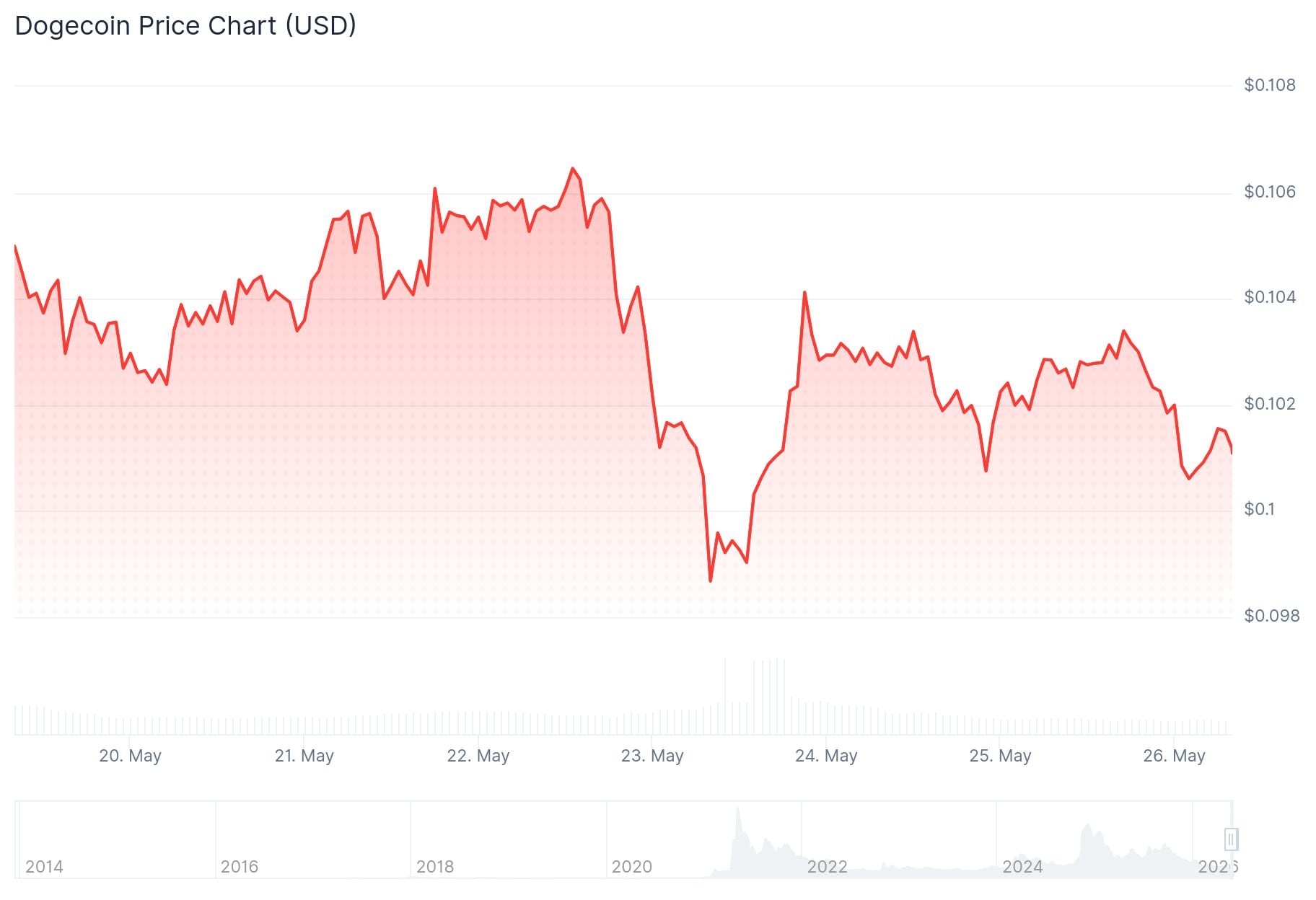
Dogecoin (DOGE) Price: ETF Inflows Hold Steady for Four Weeks as Price Tests Key Support

Chainlink Whale Activity Rises While Price Bleeds for 7 Straight Months
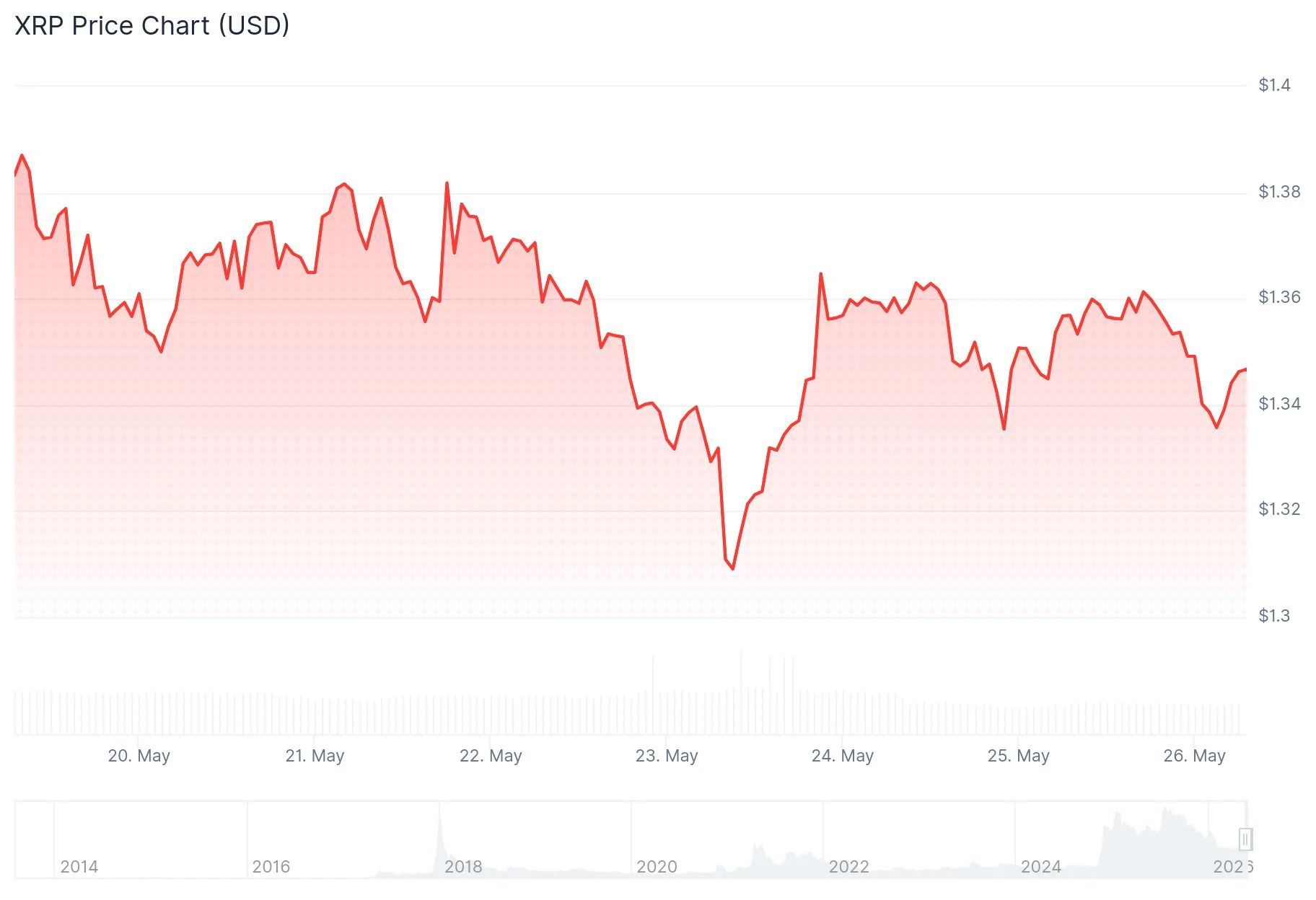
Chris Larsen’s $3.5B XRP Holdings See Fresh Blockchain Movement



