BitcoinWorld WLFI Token Buybacks: Strategic Move Unlocking Value for Holders The world of decentralized finance (DeFi) is constantly evolving, with projects seeking innovative ways to create value for their communities. A significant development is unfolding with WorldLibertyFinancial (WLFI), a DeFi project that has recently put forward a compelling proposal. This initiative centers around a robust strategy involving WLFI token buybacks and burns, aiming to enhance the token’s long-term viability and benefit its holders. If you’re invested in the crypto space, understanding this move is crucial for grasping how projects are building sustainable ecosystems. What Are WLFI Token Buybacks and Burns? Before diving into the specifics of WLFI’s proposal, let’s clarify what WLFI token buybacks and burns entail. In essence, a token buyback occurs when a project uses its generated revenue or funds to repurchase its own tokens from the open market. This action reduces the circulating supply, which can, in turn, increase the token’s scarcity and potentially its price. Token Buyback: The project buys its own tokens from exchanges. Token Burn: The purchased tokens are then permanently removed from circulation, usually by sending them to an unspendable “burn” address. This combined mechanism is a popular strategy employed by many crypto projects to manage supply, reward holders, and demonstrate a commitment to token value. For WLFI, the proposal suggests dedicating all liquidity fees to this process, making it a central pillar of their tokenomics. Unlocking Value Through WLFI Token Buybacks The team behind WorldLibertyFinancial has proposed a game-changing approach: utilizing all fees generated from managing the protocol’s liquidity specifically for WLFI token buybacks and subsequent burns. This is not just a minor adjustment; it’s a fundamental shift in how the project intends to create and distribute value. By committing 100% of these fees, WLFI aims to directly channel protocol success back into the token’s ecosystem. This proposal could significantly impact the token’s economics: Increased Scarcity: Regular burns reduce the total supply, making each remaining WLFI token potentially more valuable. Price Support: Constant buying pressure from the protocol can help stabilize or even increase the token’s market price. Holder Confidence: Such a transparent and direct value-creation mechanism can instill greater trust and confidence among WLFI holders. This strategy demonstrates a clear intent to align the protocol’s operational success with the interests of its token holders, fostering a stronger community and a more robust digital asset. Understanding the WLFI Proposal: A Deep Dive The proposal from the WLFI team, which has garnered attention due to its reported links, outlines a clear path for resource allocation. The core idea is simple yet powerful: any fees collected from the management of the protocol’s liquidity pools will no longer be used for operational costs or other discretionary spending. Instead, every single dollar (or crypto equivalent) will be funneled directly into buying back WLFI tokens from the market and then burning them. Consider the implications: Sustainable Growth: This creates a direct feedback loop where protocol usage directly fuels token value. Transparency: The commitment of “all” fees leaves little room for ambiguity, promoting clear financial practices. Community Focus: It signals a strong commitment to the community, as the benefits of protocol activity are shared with token holders. This move is particularly interesting in the DeFi space, where various fee structures exist. By dedicating 100% of liquidity fees to WLFI token buybacks, the project is setting a high bar for community-centric tokenomics. Potential Benefits and Challenges of WLFI Token Buybacks While the prospect of consistent WLFI token buybacks and burns is exciting, it’s essential to consider both the potential benefits and any challenges that might arise. On the benefit side, as mentioned, increased scarcity and potential price appreciation are key. For example, if the protocol sees significant activity, the continuous demand for WLFI tokens could create a strong floor for its value. However, like any financial strategy, there are nuances: Market Volatility: While buybacks can provide support, they don’t fully insulate a token from broader market downturns. Protocol Performance: The effectiveness of the buyback mechanism is directly tied to the protocol’s ability to generate liquidity fees. If usage declines, so too will the buyback volume. Long-Term Sustainability: The model assumes consistent protocol activity. Therefore, the team’s ongoing development and marketing efforts remain crucial. Ultimately, this proposal positions WLFI as a project that is actively seeking to enhance its token’s economic model, offering a compelling case for potential and existing holders. It’s a bold statement about their long-term vision and commitment to the WLFI ecosystem. A Promising Future for WLFI Holders? The proposal for dedicated WLFI token buybacks and burns represents a significant strategic pivot for WorldLibertyFinancial. By committing all liquidity fees to this mechanism, the project aims to create a self-sustaining cycle of value creation that directly benefits its community. This approach could set a new standard for transparency and holder-centric tokenomics within the DeFi landscape. As the crypto market continues to mature, such innovative strategies will likely play a crucial role in determining project success and investor confidence. It will be interesting to observe how this proposal unfolds and impacts the WLFI token’s journey in the coming months. Frequently Asked Questions (FAQs) Q1: What is the primary goal of WLFI token buybacks and burns? A1: The primary goal is to reduce the circulating supply of WLFI tokens, increase their scarcity, and potentially enhance their market value for the benefit of holders. Q2: Where do the funds for the WLFI token buybacks come from? A2: The proposal states that all fees generated from managing the protocol’s liquidity will be used exclusively for WLFI token buybacks and subsequent burns. Q3: How does this proposal benefit WLFI token holders? A3: Holders can benefit from increased token scarcity, potential price appreciation due to reduced supply and consistent buying pressure, and enhanced confidence in the project’s long-term value strategy. Q4: Is this strategy common in the DeFi space? A4: While token buybacks and burns are common, dedicating 100% of liquidity fees to this mechanism is a particularly strong commitment, showcasing a direct link between protocol success and token value. Q5: What are the potential risks associated with this strategy? A5: Risks include broader market volatility, the strategy’s effectiveness being dependent on consistent protocol activity and fee generation, and the need for ongoing development to maintain user engagement. Q6: When will this WLFI token buybacks proposal be implemented? A6: The article describes it as a proposal, implying it is either under consideration or pending implementation. Further official announcements from the WLFI team would provide specific timelines. If you found this analysis insightful, consider sharing it with your network! Stay informed about the latest developments in the crypto world by spreading valuable knowledge. To learn more about the latest crypto market trends, explore our article on key developments shaping the cryptocurrency space’s future price action. This post WLFI Token Buybacks: Strategic Move Unlocking Value for Holders first appeared on BitcoinWorld and is written by Editorial TeamBitcoinWorld WLFI Token Buybacks: Strategic Move Unlocking Value for Holders The world of decentralized finance (DeFi) is constantly evolving, with projects seeking innovative ways to create value for their communities. A significant development is unfolding with WorldLibertyFinancial (WLFI), a DeFi project that has recently put forward a compelling proposal. This initiative centers around a robust strategy involving WLFI token buybacks and burns, aiming to enhance the token’s long-term viability and benefit its holders. If you’re invested in the crypto space, understanding this move is crucial for grasping how projects are building sustainable ecosystems. What Are WLFI Token Buybacks and Burns? Before diving into the specifics of WLFI’s proposal, let’s clarify what WLFI token buybacks and burns entail. In essence, a token buyback occurs when a project uses its generated revenue or funds to repurchase its own tokens from the open market. This action reduces the circulating supply, which can, in turn, increase the token’s scarcity and potentially its price. Token Buyback: The project buys its own tokens from exchanges. Token Burn: The purchased tokens are then permanently removed from circulation, usually by sending them to an unspendable “burn” address. This combined mechanism is a popular strategy employed by many crypto projects to manage supply, reward holders, and demonstrate a commitment to token value. For WLFI, the proposal suggests dedicating all liquidity fees to this process, making it a central pillar of their tokenomics. Unlocking Value Through WLFI Token Buybacks The team behind WorldLibertyFinancial has proposed a game-changing approach: utilizing all fees generated from managing the protocol’s liquidity specifically for WLFI token buybacks and subsequent burns. This is not just a minor adjustment; it’s a fundamental shift in how the project intends to create and distribute value. By committing 100% of these fees, WLFI aims to directly channel protocol success back into the token’s ecosystem. This proposal could significantly impact the token’s economics: Increased Scarcity: Regular burns reduce the total supply, making each remaining WLFI token potentially more valuable. Price Support: Constant buying pressure from the protocol can help stabilize or even increase the token’s market price. Holder Confidence: Such a transparent and direct value-creation mechanism can instill greater trust and confidence among WLFI holders. This strategy demonstrates a clear intent to align the protocol’s operational success with the interests of its token holders, fostering a stronger community and a more robust digital asset. Understanding the WLFI Proposal: A Deep Dive The proposal from the WLFI team, which has garnered attention due to its reported links, outlines a clear path for resource allocation. The core idea is simple yet powerful: any fees collected from the management of the protocol’s liquidity pools will no longer be used for operational costs or other discretionary spending. Instead, every single dollar (or crypto equivalent) will be funneled directly into buying back WLFI tokens from the market and then burning them. Consider the implications: Sustainable Growth: This creates a direct feedback loop where protocol usage directly fuels token value. Transparency: The commitment of “all” fees leaves little room for ambiguity, promoting clear financial practices. Community Focus: It signals a strong commitment to the community, as the benefits of protocol activity are shared with token holders. This move is particularly interesting in the DeFi space, where various fee structures exist. By dedicating 100% of liquidity fees to WLFI token buybacks, the project is setting a high bar for community-centric tokenomics. Potential Benefits and Challenges of WLFI Token Buybacks While the prospect of consistent WLFI token buybacks and burns is exciting, it’s essential to consider both the potential benefits and any challenges that might arise. On the benefit side, as mentioned, increased scarcity and potential price appreciation are key. For example, if the protocol sees significant activity, the continuous demand for WLFI tokens could create a strong floor for its value. However, like any financial strategy, there are nuances: Market Volatility: While buybacks can provide support, they don’t fully insulate a token from broader market downturns. Protocol Performance: The effectiveness of the buyback mechanism is directly tied to the protocol’s ability to generate liquidity fees. If usage declines, so too will the buyback volume. Long-Term Sustainability: The model assumes consistent protocol activity. Therefore, the team’s ongoing development and marketing efforts remain crucial. Ultimately, this proposal positions WLFI as a project that is actively seeking to enhance its token’s economic model, offering a compelling case for potential and existing holders. It’s a bold statement about their long-term vision and commitment to the WLFI ecosystem. A Promising Future for WLFI Holders? The proposal for dedicated WLFI token buybacks and burns represents a significant strategic pivot for WorldLibertyFinancial. By committing all liquidity fees to this mechanism, the project aims to create a self-sustaining cycle of value creation that directly benefits its community. This approach could set a new standard for transparency and holder-centric tokenomics within the DeFi landscape. As the crypto market continues to mature, such innovative strategies will likely play a crucial role in determining project success and investor confidence. It will be interesting to observe how this proposal unfolds and impacts the WLFI token’s journey in the coming months. Frequently Asked Questions (FAQs) Q1: What is the primary goal of WLFI token buybacks and burns? A1: The primary goal is to reduce the circulating supply of WLFI tokens, increase their scarcity, and potentially enhance their market value for the benefit of holders. Q2: Where do the funds for the WLFI token buybacks come from? A2: The proposal states that all fees generated from managing the protocol’s liquidity will be used exclusively for WLFI token buybacks and subsequent burns. Q3: How does this proposal benefit WLFI token holders? A3: Holders can benefit from increased token scarcity, potential price appreciation due to reduced supply and consistent buying pressure, and enhanced confidence in the project’s long-term value strategy. Q4: Is this strategy common in the DeFi space? A4: While token buybacks and burns are common, dedicating 100% of liquidity fees to this mechanism is a particularly strong commitment, showcasing a direct link between protocol success and token value. Q5: What are the potential risks associated with this strategy? A5: Risks include broader market volatility, the strategy’s effectiveness being dependent on consistent protocol activity and fee generation, and the need for ongoing development to maintain user engagement. Q6: When will this WLFI token buybacks proposal be implemented? A6: The article describes it as a proposal, implying it is either under consideration or pending implementation. Further official announcements from the WLFI team would provide specific timelines. If you found this analysis insightful, consider sharing it with your network! Stay informed about the latest developments in the crypto world by spreading valuable knowledge. To learn more about the latest crypto market trends, explore our article on key developments shaping the cryptocurrency space’s future price action. This post WLFI Token Buybacks: Strategic Move Unlocking Value for Holders first appeared on BitcoinWorld and is written by Editorial Team

WLFI Token Buybacks: Strategic Move Unlocking Value for Holders

BitcoinWorld
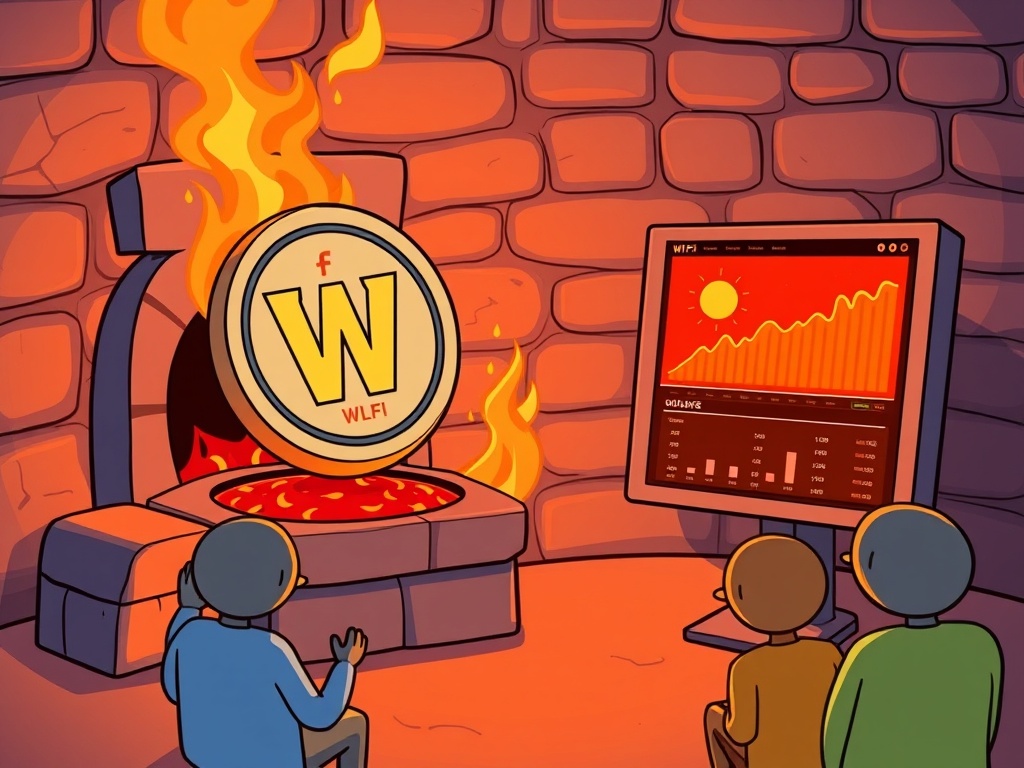
WLFI Token Buybacks: Strategic Move Unlocking Value for Holders

The world of decentralized finance (DeFi) is constantly evolving, with projects seeking innovative ways to create value for their communities. A significant development is unfolding with WorldLibertyFinancial (WLFI), a DeFi project that has recently put forward a compelling proposal. This initiative centers around a robust strategy involving WLFI token buybacks and burns, aiming to enhance the token’s long-term viability and benefit its holders. If you’re invested in the crypto space, understanding this move is crucial for grasping how projects are building sustainable ecosystems.

What Are WLFI Token Buybacks and Burns?

Before diving into the specifics of WLFI’s proposal, let’s clarify what WLFI token buybacks and burns entail. In essence, a token buyback occurs when a project uses its generated revenue or funds to repurchase its own tokens from the open market. This action reduces the circulating supply, which can, in turn, increase the token’s scarcity and potentially its price.

  • Token Buyback: The project buys its own tokens from exchanges.
  • Token Burn: The purchased tokens are then permanently removed from circulation, usually by sending them to an unspendable “burn” address.

This combined mechanism is a popular strategy employed by many crypto projects to manage supply, reward holders, and demonstrate a commitment to token value. For WLFI, the proposal suggests dedicating all liquidity fees to this process, making it a central pillar of their tokenomics.

Unlocking Value Through WLFI Token Buybacks

The team behind WorldLibertyFinancial has proposed a game-changing approach: utilizing all fees generated from managing the protocol’s liquidity specifically for WLFI token buybacks and subsequent burns. This is not just a minor adjustment; it’s a fundamental shift in how the project intends to create and distribute value. By committing 100% of these fees, WLFI aims to directly channel protocol success back into the token’s ecosystem.

This proposal could significantly impact the token’s economics:

  • Increased Scarcity: Regular burns reduce the total supply, making each remaining WLFI token potentially more valuable.
  • Price Support: Constant buying pressure from the protocol can help stabilize or even increase the token’s market price.
  • Holder Confidence: Such a transparent and direct value-creation mechanism can instill greater trust and confidence among WLFI holders.

This strategy demonstrates a clear intent to align the protocol’s operational success with the interests of its token holders, fostering a stronger community and a more robust digital asset.

Understanding the WLFI Proposal: A Deep Dive

The proposal from the WLFI team, which has garnered attention due to its reported links, outlines a clear path for resource allocation. The core idea is simple yet powerful: any fees collected from the management of the protocol’s liquidity pools will no longer be used for operational costs or other discretionary spending. Instead, every single dollar (or crypto equivalent) will be funneled directly into buying back WLFI tokens from the market and then burning them.

Consider the implications:

  • Sustainable Growth: This creates a direct feedback loop where protocol usage directly fuels token value.
  • Transparency: The commitment of “all” fees leaves little room for ambiguity, promoting clear financial practices.
  • Community Focus: It signals a strong commitment to the community, as the benefits of protocol activity are shared with token holders.

This move is particularly interesting in the DeFi space, where various fee structures exist. By dedicating 100% of liquidity fees to WLFI token buybacks, the project is setting a high bar for community-centric tokenomics.

Potential Benefits and Challenges of WLFI Token Buybacks

While the prospect of consistent WLFI token buybacks and burns is exciting, it’s essential to consider both the potential benefits and any challenges that might arise. On the benefit side, as mentioned, increased scarcity and potential price appreciation are key. For example, if the protocol sees significant activity, the continuous demand for WLFI tokens could create a strong floor for its value.

However, like any financial strategy, there are nuances:

  • Market Volatility: While buybacks can provide support, they don’t fully insulate a token from broader market downturns.
  • Protocol Performance: The effectiveness of the buyback mechanism is directly tied to the protocol’s ability to generate liquidity fees. If usage declines, so too will the buyback volume.
  • Long-Term Sustainability: The model assumes consistent protocol activity. Therefore, the team’s ongoing development and marketing efforts remain crucial.

Ultimately, this proposal positions WLFI as a project that is actively seeking to enhance its token’s economic model, offering a compelling case for potential and existing holders. It’s a bold statement about their long-term vision and commitment to the WLFI ecosystem.

A Promising Future for WLFI Holders?

The proposal for dedicated WLFI token buybacks and burns represents a significant strategic pivot for WorldLibertyFinancial. By committing all liquidity fees to this mechanism, the project aims to create a self-sustaining cycle of value creation that directly benefits its community. This approach could set a new standard for transparency and holder-centric tokenomics within the DeFi landscape. As the crypto market continues to mature, such innovative strategies will likely play a crucial role in determining project success and investor confidence. It will be interesting to observe how this proposal unfolds and impacts the WLFI token’s journey in the coming months.

Frequently Asked Questions (FAQs)

Q1: What is the primary goal of WLFI token buybacks and burns?
A1: The primary goal is to reduce the circulating supply of WLFI tokens, increase their scarcity, and potentially enhance their market value for the benefit of holders.

Q2: Where do the funds for the WLFI token buybacks come from?
A2: The proposal states that all fees generated from managing the protocol’s liquidity will be used exclusively for WLFI token buybacks and subsequent burns.

Q3: How does this proposal benefit WLFI token holders?
A3: Holders can benefit from increased token scarcity, potential price appreciation due to reduced supply and consistent buying pressure, and enhanced confidence in the project’s long-term value strategy.

Q4: Is this strategy common in the DeFi space?
A4: While token buybacks and burns are common, dedicating 100% of liquidity fees to this mechanism is a particularly strong commitment, showcasing a direct link between protocol success and token value.

Q5: What are the potential risks associated with this strategy?
A5: Risks include broader market volatility, the strategy’s effectiveness being dependent on consistent protocol activity and fee generation, and the need for ongoing development to maintain user engagement.

Q6: When will this WLFI token buybacks proposal be implemented?
A6: The article describes it as a proposal, implying it is either under consideration or pending implementation. Further official announcements from the WLFI team would provide specific timelines.

If you found this analysis insightful, consider sharing it with your network! Stay informed about the latest developments in the crypto world by spreading valuable knowledge.

To learn more about the latest crypto market trends, explore our article on key developments shaping the cryptocurrency space’s future price action.

This post WLFI Token Buybacks: Strategic Move Unlocking Value for Holders first appeared on BitcoinWorld and is written by Editorial Team


Market Opportunity
Threshold Logo
Threshold Price(T)
$0.009922
$0.009922$0.009922
+0.02%
USD
Threshold (T) Live Price Chart
Disclaimer: The articles reposted on this site are sourced from public platforms and are provided for informational purposes only. They do not necessarily reflect the views of MEXC. All rights remain with the original authors. If you believe any content infringes on third-party rights, please contact service@support.mexc.com for removal. MEXC makes no guarantees regarding the accuracy, completeness, or timeliness of the content and is not responsible for any actions taken based on the information provided. The content does not constitute financial, legal, or other professional advice, nor should it be considered a recommendation or endorsement by MEXC.

You May Also Like

Is Doge Losing Steam As Traders Choose Pepeto For The Best Crypto Investment?

Is Doge Losing Steam As Traders Choose Pepeto For The Best Crypto Investment?

The post Is Doge Losing Steam As Traders Choose Pepeto For The Best Crypto Investment? appeared on BitcoinEthereumNews.com. Crypto News 17 September 2025 | 17:39 Is dogecoin really fading? As traders hunt the best crypto to buy now and weigh 2025 picks, Dogecoin (DOGE) still owns the meme coin spotlight, yet upside looks capped, today’s Dogecoin price prediction says as much. Attention is shifting to projects that blend culture with real on-chain tools. Buyers searching “best crypto to buy now” want shipped products, audits, and transparent tokenomics. That frames the true matchup: dogecoin vs. Pepeto. Enter Pepeto (PEPETO), an Ethereum-based memecoin with working rails: PepetoSwap, a zero-fee DEX, plus Pepeto Bridge for smooth cross-chain moves. By fusing story with tools people can use now, and speaking directly to crypto presale 2025 demand, Pepeto puts utility, clarity, and distribution in front. In a market where legacy meme coin leaders risk drifting on sentiment, Pepeto’s execution gives it a real seat in the “best crypto to buy now” debate. First, a quick look at why dogecoin may be losing altitude. Dogecoin Price Prediction: Is Doge Really Fading? Remember when dogecoin made crypto feel simple? In 2013, DOGE turned a meme into money and a loose forum into a movement. A decade on, the nonstop momentum has cooled; the backdrop is different, and the market is far more selective. With DOGE circling ~$0.268, the tape reads bearish-to-neutral for the next few weeks: hold the $0.26 shelf on daily closes and expect choppy range-trading toward $0.29–$0.30 where rallies keep stalling; lose $0.26 decisively and momentum often bleeds into $0.245 with risk of a deeper probe toward $0.22–$0.21; reclaim $0.30 on a clean daily close and the downside bias is likely neutralized, opening room for a squeeze into the low-$0.30s. Source: CoinMarketcap / TradingView Beyond the dogecoin price prediction, DOGE still centers on payments and lacks native smart contracts; ZK-proof verification is proposed,…
Share
BitcoinEthereumNews2025/09/18 00:14
Pastor Involved in High-Stakes Crypto Fraud

Pastor Involved in High-Stakes Crypto Fraud

A gripping tale of deception has captured the media’s spotlight, especially in foreign outlets, centering on a cryptocurrency fraud case from Denver, Colorado. Eli Regalado, a pastor, alongside his wife Kaitlyn, was convicted, but what makes this case particularly intriguing is their unconventional defense.Continue Reading:Pastor Involved in High-Stakes Crypto Fraud
Share
Coinstats2025/09/18 00:38
Nexus Traps Tightening Nationwide

Nexus Traps Tightening Nationwide

Digital marketplaces and remote services have transformed how technology businesses operate across borders, but they’ve also intensified sales tax compliance challenges
Share
Techbullion2026/01/16 13:41