Hackers are systematically exploiting Ethereum’s EIP-7702 upgrade to steal World Liberty Financial tokens from Donald Trump’s crypto project, according to SlowMist security researchers. The attacks leverage a vulnerability in the May Pectra upgrade that allows externally owned accounts to delegate control to smart contracts, enabling attackers to plant malicious code that instantly drains all incoming ETH and tokens. World Liberty Financial Becomes Latest Victim of Ethereum Exploit According to SlowMist, multiple WLFI token holders have lost their assets after hackers combined private key theft with malicious delegate contract deployment. The exploit technique has matured rapidly since Ethereum’s Pectra upgrade launched May 7, with over 97% of EIP-7702 delegations linked to identical wallet-draining contracts designed to automatically sweep funds. Security firm SlowMist warned that victims whose private keys are compromised face complete asset loss through pre-planted malicious delegates. When users transfer ETH for gas or receive tokens like WLFI, the malicious contracts immediately redirect all funds to attacker-controlled addresses, leaving wallets permanently compromised. The vulnerability stems from EIP-7702’s design, which allows EOAs to borrow execution logic from designated smart contracts temporarily.Source: Blockchain Academy Attackers exploit this vulnerability by installing delegate contracts that use the DELEGATECALL function to execute malicious code within the victim’s wallet context, thereby gaining complete control over the storage and funds. Ethereum’s Account Abstraction Dream Becomes Security Nightmare EIP-7702 was designed to enhance Ethereum’s user experience by enabling wallets to execute smart contracts without permanently becoming contract-based addresses. The upgrade aimed to reduce gas fees through bundled transactions and allow settlement using cryptocurrencies other than ETH, supporting Vitalik Buterin’s vision of seamless Web3 adoption. However, the implementation created critical security risks when combined with private key compromise. Hackers pre-install malicious delegate addresses that gain complete wallet control through DELEGATECALL operations, effectively turning victim wallets into attacker-controlled smart contracts while maintaining the original address. Notable incidents include a $1.54 million phishing attack in August, where victims signed disguised batch transactions, and Inferno Drainer’s $146,000 MetaMask wallet drain through malicious delegation authorization. The phishing group netted over $9 million across chains in 2025 by convincing users to authorize attacker-controlled delegate contracts. Earlier in June, Wintermute’s research revealed that automated sweeper contracts account for the vast majority of EIP-7702 delegations, creating a systematic threat to Ethereum users. The market maker developed CrimeEnjoyor, a tool that injects warnings into verified malicious contracts stating they are “used by bad guys to automatically sweep all incoming ETH.” Multiple Attack Vectors Emerge From Flawed Upgrade Implementation Beyond World Liberty Financial token theft, EIP-7702 exploitation has enabled diverse attack methods targeting different vulnerability points. Phishing campaigns impersonate trusted DeFi platforms to trick users into signing dangerous batch transactions and delegate approvals, leading to immediate fund drainage upon authorization. Particularly, off-chain signature attacks pose another significant threat with this vulnerability, as it enables hackers to remotely install malicious code in wallets using signed messages rather than on-chain transactions. This method bypasses traditional security measures and operates stealthily, requiring only a compromised signature to grant total wallet control. Similarly, flash loan and reentrancy exploits leverage EIP-7702 features to bypass on-chain security logic, enabling price manipulation attacks against DeFi protocols. Recent contract attacks caused losses approaching one million dollars in established DeFi projects through compromised delegated authorizations. The technical root cause lies in EIP-7702’s delegation mechanism combined with DELEGATECALL operations that execute in the victim’s wallet context. When private keys are compromised through phishing or other means, attackers can set malicious delegate contracts that automatically steal any incoming value. Security experts recommend avoiding suspicious delegation requests, verifying all transaction permissions, and canceling compromised delegate contracts when possible. However, the fundamental design that allows EOAs to delegate execution creates an attack surface that criminals continue to exploit as the technique matures. Notably, the upgrade increased validator staking limits from 32 ETH to 2,048 ETH while introducing auto-compounding features designed to attract conservative institutional capital. While the upgrade aimed to improve user experience and reduce costs, the security trade-offs have overshadowed these benefits as users face wallet-draining threats. The security vulnerabilities have created new attack vectors that criminals rapidly weaponizedHackers are systematically exploiting Ethereum’s EIP-7702 upgrade to steal World Liberty Financial tokens from Donald Trump’s crypto project, according to SlowMist security researchers. The attacks leverage a vulnerability in the May Pectra upgrade that allows externally owned accounts to delegate control to smart contracts, enabling attackers to plant malicious code that instantly drains all incoming ETH and tokens. World Liberty Financial Becomes Latest Victim of Ethereum Exploit According to SlowMist, multiple WLFI token holders have lost their assets after hackers combined private key theft with malicious delegate contract deployment. The exploit technique has matured rapidly since Ethereum’s Pectra upgrade launched May 7, with over 97% of EIP-7702 delegations linked to identical wallet-draining contracts designed to automatically sweep funds. Security firm SlowMist warned that victims whose private keys are compromised face complete asset loss through pre-planted malicious delegates. When users transfer ETH for gas or receive tokens like WLFI, the malicious contracts immediately redirect all funds to attacker-controlled addresses, leaving wallets permanently compromised. The vulnerability stems from EIP-7702’s design, which allows EOAs to borrow execution logic from designated smart contracts temporarily.Source: Blockchain Academy Attackers exploit this vulnerability by installing delegate contracts that use the DELEGATECALL function to execute malicious code within the victim’s wallet context, thereby gaining complete control over the storage and funds. Ethereum’s Account Abstraction Dream Becomes Security Nightmare EIP-7702 was designed to enhance Ethereum’s user experience by enabling wallets to execute smart contracts without permanently becoming contract-based addresses. The upgrade aimed to reduce gas fees through bundled transactions and allow settlement using cryptocurrencies other than ETH, supporting Vitalik Buterin’s vision of seamless Web3 adoption. However, the implementation created critical security risks when combined with private key compromise. Hackers pre-install malicious delegate addresses that gain complete wallet control through DELEGATECALL operations, effectively turning victim wallets into attacker-controlled smart contracts while maintaining the original address. Notable incidents include a $1.54 million phishing attack in August, where victims signed disguised batch transactions, and Inferno Drainer’s $146,000 MetaMask wallet drain through malicious delegation authorization. The phishing group netted over $9 million across chains in 2025 by convincing users to authorize attacker-controlled delegate contracts. Earlier in June, Wintermute’s research revealed that automated sweeper contracts account for the vast majority of EIP-7702 delegations, creating a systematic threat to Ethereum users. The market maker developed CrimeEnjoyor, a tool that injects warnings into verified malicious contracts stating they are “used by bad guys to automatically sweep all incoming ETH.” Multiple Attack Vectors Emerge From Flawed Upgrade Implementation Beyond World Liberty Financial token theft, EIP-7702 exploitation has enabled diverse attack methods targeting different vulnerability points. Phishing campaigns impersonate trusted DeFi platforms to trick users into signing dangerous batch transactions and delegate approvals, leading to immediate fund drainage upon authorization. Particularly, off-chain signature attacks pose another significant threat with this vulnerability, as it enables hackers to remotely install malicious code in wallets using signed messages rather than on-chain transactions. This method bypasses traditional security measures and operates stealthily, requiring only a compromised signature to grant total wallet control. Similarly, flash loan and reentrancy exploits leverage EIP-7702 features to bypass on-chain security logic, enabling price manipulation attacks against DeFi protocols. Recent contract attacks caused losses approaching one million dollars in established DeFi projects through compromised delegated authorizations. The technical root cause lies in EIP-7702’s delegation mechanism combined with DELEGATECALL operations that execute in the victim’s wallet context. When private keys are compromised through phishing or other means, attackers can set malicious delegate contracts that automatically steal any incoming value. Security experts recommend avoiding suspicious delegation requests, verifying all transaction permissions, and canceling compromised delegate contracts when possible. However, the fundamental design that allows EOAs to delegate execution creates an attack surface that criminals continue to exploit as the technique matures. Notably, the upgrade increased validator staking limits from 32 ETH to 2,048 ETH while introducing auto-compounding features designed to attract conservative institutional capital. While the upgrade aimed to improve user experience and reduce costs, the security trade-offs have overshadowed these benefits as users face wallet-draining threats. The security vulnerabilities have created new attack vectors that criminals rapidly weaponized

Trump’s Crypto Project WLFI Under Attack as Ethereum Upgrade Backfires – What Went Wrong?

Hackers are systematically exploiting Ethereum’s EIP-7702 upgrade to steal World Liberty Financial tokens from Donald Trump’s crypto project, according to SlowMist security researchers.

The attacks leverage a vulnerability in the May Pectra upgrade that allows externally owned accounts to delegate control to smart contracts, enabling attackers to plant malicious code that instantly drains all incoming ETH and tokens.

World Liberty Financial Becomes Latest Victim of Ethereum Exploit

According to SlowMist, multiple WLFI token holders have lost their assets after hackers combined private key theft with malicious delegate contract deployment.

The exploit technique has matured rapidly since Ethereum’s Pectra upgrade launched May 7, with over 97% of EIP-7702 delegations linked to identical wallet-draining contracts designed to automatically sweep funds.

Security firm SlowMist warned that victims whose private keys are compromised face complete asset loss through pre-planted malicious delegates.

When users transfer ETH for gas or receive tokens like WLFI, the malicious contracts immediately redirect all funds to attacker-controlled addresses, leaving wallets permanently compromised.

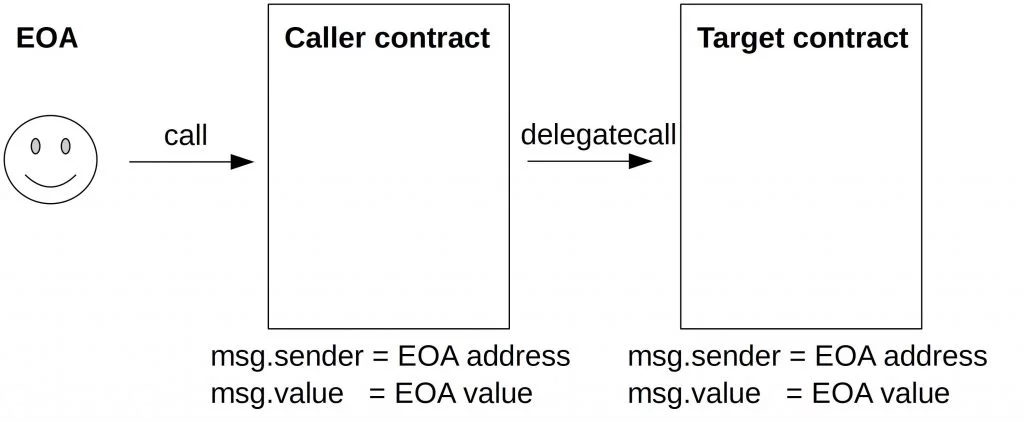
The vulnerability stems from EIP-7702’s design, which allows EOAs to borrow execution logic from designated smart contracts temporarily.
Trump's Crypto Project Under Attack as Ethereum Upgrade Backfires – What Went Wrong?Source: Blockchain Academy

Attackers exploit this vulnerability by installing delegate contracts that use the DELEGATECALL function to execute malicious code within the victim’s wallet context, thereby gaining complete control over the storage and funds.

Ethereum’s Account Abstraction Dream Becomes Security Nightmare

EIP-7702 was designed to enhance Ethereum’s user experience by enabling wallets to execute smart contracts without permanently becoming contract-based addresses.

The upgrade aimed to reduce gas fees through bundled transactions and allow settlement using cryptocurrencies other than ETH, supporting Vitalik Buterin’s vision of seamless Web3 adoption.

However, the implementation created critical security risks when combined with private key compromise.

Hackers pre-install malicious delegate addresses that gain complete wallet control through DELEGATECALL operations, effectively turning victim wallets into attacker-controlled smart contracts while maintaining the original address.

Notable incidents include a $1.54 million phishing attack in August, where victims signed disguised batch transactions, and Inferno Drainer’s $146,000 MetaMask wallet drain through malicious delegation authorization.

The phishing group netted over $9 million across chains in 2025 by convincing users to authorize attacker-controlled delegate contracts.

Earlier in June, Wintermute’s research revealed that automated sweeper contracts account for the vast majority of EIP-7702 delegations, creating a systematic threat to Ethereum users.

The market maker developed CrimeEnjoyor, a tool that injects warnings into verified malicious contracts stating they are “used by bad guys to automatically sweep all incoming ETH.”

Multiple Attack Vectors Emerge From Flawed Upgrade Implementation

Beyond World Liberty Financial token theft, EIP-7702 exploitation has enabled diverse attack methods targeting different vulnerability points.

Phishing campaigns impersonate trusted DeFi platforms to trick users into signing dangerous batch transactions and delegate approvals, leading to immediate fund drainage upon authorization.

Particularly, off-chain signature attacks pose another significant threat with this vulnerability, as it enables hackers to remotely install malicious code in wallets using signed messages rather than on-chain transactions.

This method bypasses traditional security measures and operates stealthily, requiring only a compromised signature to grant total wallet control.

Similarly, flash loan and reentrancy exploits leverage EIP-7702 features to bypass on-chain security logic, enabling price manipulation attacks against DeFi protocols.

Recent contract attacks caused losses approaching one million dollars in established DeFi projects through compromised delegated authorizations.

The technical root cause lies in EIP-7702’s delegation mechanism combined with DELEGATECALL operations that execute in the victim’s wallet context.

When private keys are compromised through phishing or other means, attackers can set malicious delegate contracts that automatically steal any incoming value.

Security experts recommend avoiding suspicious delegation requests, verifying all transaction permissions, and canceling compromised delegate contracts when possible.

However, the fundamental design that allows EOAs to delegate execution creates an attack surface that criminals continue to exploit as the technique matures.

Notably, the upgrade increased validator staking limits from 32 ETH to 2,048 ETH while introducing auto-compounding features designed to attract conservative institutional capital.

While the upgrade aimed to improve user experience and reduce costs, the security trade-offs have overshadowed these benefits as users face wallet-draining threats. The security vulnerabilities have created new attack vectors that criminals rapidly weaponized.


Market Opportunity
OFFICIAL TRUMP Logo
OFFICIAL TRUMP Price(TRUMP)
$5.386
$5.386$5.386
-0.86%
USD
OFFICIAL TRUMP (TRUMP) Live Price Chart
Disclaimer: The articles reposted on this site are sourced from public platforms and are provided for informational purposes only. They do not necessarily reflect the views of MEXC. All rights remain with the original authors. If you believe any content infringes on third-party rights, please contact service@support.mexc.com for removal. MEXC makes no guarantees regarding the accuracy, completeness, or timeliness of the content and is not responsible for any actions taken based on the information provided. The content does not constitute financial, legal, or other professional advice, nor should it be considered a recommendation or endorsement by MEXC.

You May Also Like

XRP Crowned South Korea’s Most-Traded Crypto of 2025

XRP Crowned South Korea’s Most-Traded Crypto of 2025

XRP Surpasses Bitcoin and Ethereum as South Korea’s Most Traded Crypto in 2025According to renowned market analyst X Finance Bull, XRP dominated South Korea’s crypto
Share
Coinstats2026/01/16 16:54
DeFi Development Corp. expands Solana treasury accelerator

DeFi Development Corp. expands Solana treasury accelerator

Solana-focused DeFi Development Corp. has announced the expansion of its Treasury Accelerator program. Institutional interest in altcoins, including Solana, is rising. On Thursday, September 18, DeFi Development Corp. announced an expansion of its Solana treasury strategy. Notably, the firm will…
Share
Crypto.news2025/09/18 23:30
Whales Dump 200 Million XRP in Just 2 Weeks – Is XRP’s Price on the Verge of Collapse?

Whales Dump 200 Million XRP in Just 2 Weeks – Is XRP’s Price on the Verge of Collapse?

Whales offload 200 million XRP leaving market uncertainty behind. XRP faces potential collapse as whales drive major price shifts. Is XRP’s future in danger after massive sell-off by whales? XRP’s price has been under intense pressure recently as whales reportedly offloaded a staggering 200 million XRP over the past two weeks. This massive sell-off has raised alarms across the cryptocurrency community, as many wonder if the market is on the brink of collapse or just undergoing a temporary correction. According to crypto analyst Ali (@ali_charts), this surge in whale activity correlates directly with the price fluctuations seen in the past few weeks. XRP experienced a sharp spike in late July and early August, but the price quickly reversed as whales began to sell their holdings in large quantities. The increased volume during this period highlights the intensity of the sell-off, leaving many traders to question the future of XRP’s value. Whales have offloaded around 200 million $XRP in the last two weeks! pic.twitter.com/MiSQPpDwZM — Ali (@ali_charts) September 17, 2025 Also Read: Shiba Inu’s Price Is at a Tipping Point: Will It Break or Crash Soon? Can XRP Recover or Is a Bigger Decline Ahead? As the market absorbs the effects of the whale offload, technical indicators suggest that XRP may be facing a period of consolidation. The Relative Strength Index (RSI), currently sitting at 53.05, signals a neutral market stance, indicating that XRP could move in either direction. This leaves traders uncertain whether the XRP will break above its current resistance levels or continue to fall as more whales sell off their holdings. Source: Tradingview Additionally, the Bollinger Bands, suggest that XRP is nearing the upper limits of its range. This often points to a potential slowdown or pullback in price, further raising concerns about the future direction of the XRP. With the price currently around $3.02, many are questioning whether XRP can regain its footing or if it will continue to decline. The Aftermath of Whale Activity: Is XRP’s Future in Danger? Despite the large sell-off, XRP is not yet showing signs of total collapse. However, the market remains fragile, and the price is likely to remain volatile in the coming days. With whales continuing to influence price movements, many investors are watching closely to see if this trend will reverse or intensify. The coming weeks will be critical for determining whether XRP can stabilize or face further declines. The combination of whale offloading and technical indicators suggest that XRP’s price is at a crossroads. Traders and investors alike are waiting for clear signals to determine if the XRP will bounce back or continue its downward trajectory. Also Read: Metaplanet’s Bold Move: $15M U.S. Subsidiary to Supercharge Bitcoin Strategy The post Whales Dump 200 Million XRP in Just 2 Weeks – Is XRP’s Price on the Verge of Collapse? appeared first on 36Crypto.
Share
Coinstats2025/09/17 23:42