

Iran’s Devastating Drone Attack on U.S. Military Headquarters in Iraq Sparks Global Tensions
BitcoinWorld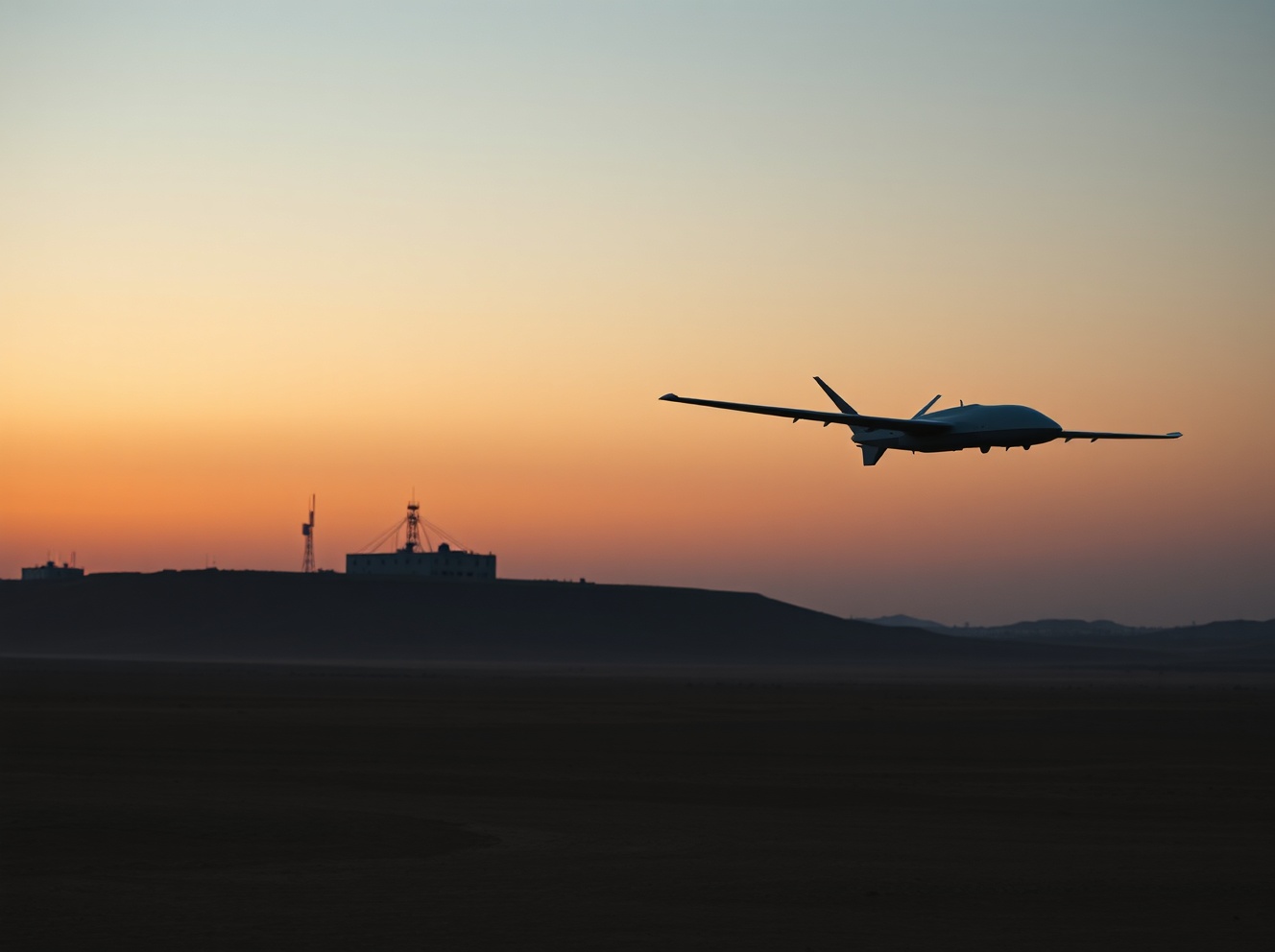
Iran’s Devastating Drone Attack on U.S. Military Headquarters in Iraq Sparks Global Tensions
In a significant escalation of regional hostilities, Iran has launched a drone attack targeting a critical U.S. military headquarters in Erbil, Iraq, according to reports from Walter Bloomberg. This aggressive act immediately reverberated through global security channels and financial markets, highlighting the fragile stability in the Middle East. Consequently, analysts are scrutinizing the potential ripple effects on international relations and asset classes sensitive to geopolitical risk. The attack underscores the persistent volatility that defines the security landscape in Iraq and the broader region.
Iran’s Drone Attack on U.S. Forces: The Erbil Incident
On January 15, 2025, Iranian forces deployed unmanned aerial vehicles (UAVs) against the Erbil Air Base, which hosts personnel from the U.S.-led international coalition. The base serves as a strategic headquarters for operations and intelligence in northern Iraq. Initial reports indicate the drones were likely Iranian-manufactured Shahed-136 models, known for their long range and payload capacity. Fortunately, U.S. defense systems intercepted the drones, preventing casualties and significant damage. However, the intent and execution of the strike mark a deliberate provocation.
This event is not an isolated incident but part of a protracted pattern of shadow warfare. Furthermore, it represents a direct challenge to U.S. military presence in Iraq. The Iraqi government, caught between its allied relationships, issued a statement condemning the violation of its sovereignty. Regional observers immediately noted the attack’s timing, coming amid stalled negotiations over Iran’s nuclear program and ongoing tensions with Israel. Therefore, the strike serves as a potent reminder of the region’s explosive potential.
Historical Context of U.S.-Iran Tensions in Iraq
The relationship between the United States and Iran within Iraq is complex and deeply adversarial. Following the 2003 U.S. invasion, Iran expanded its influence through allied militias, creating a network of proxy forces. These groups, such as Kata’ib Hezbollah, have frequently targeted U.S. interests with rocket and drone attacks. A major flashpoint occurred in January 2020, when a U.S. drone strike killed Iranian General Qasem Soleimani in Baghdad. Iran retaliated days later with missile strikes on U.S. bases in Iraq.
The table below outlines key recent escalations:
| Date | Event | Location | Primary Actor |
|---|---|---|---|
| Jan 2020 | U.S. kills Qasem Soleimani | Baghdad, Iraq | United States |
| Jan 2020 | Iranian missile retaliation | Ain al-Asad Base, Iraq | Iran |
| Mar 2024 | Drone attack on coalition base | Erbil, Iraq | Iran-backed militia |
| Jan 2025 | Direct Iranian drone strike | Erbil HQ, Iraq | Iran |
This historical pattern shows a tit-for-tat cycle where attacks often serve as strategic messaging. The 2025 Erbil attack, however, appears more direct, potentially indicating a shift in Tehran’s risk calculus. Moreover, it tests the resolve of the current U.S. administration and its regional defense posture.
Expert Analysis on Regional Security Implications
Security analysts emphasize the attack’s symbolic and strategic weight. “A direct strike by Iranian military assets, rather than a proxy, crosses a significant threshold,” notes Dr. Anahita Sharma, a senior fellow at the Center for Strategic Studies. “It signals Tehran’s willingness to escalate overtly, possibly calculating that U.S. responses will remain limited.” This move risks miscalculation and could trigger a broader conflict if not carefully managed through diplomatic backchannels.
Military experts also highlight the tactical evolution. The use of drones provides plausible deniability but is increasingly treated as a conventional weapon. The Iranian drone arsenal, supplied to Russia in the Ukraine conflict, has proven its effectiveness and low cost. Consequently, this asymmetric tool allows Iran to project power and harass superior forces with minimal direct risk to its personnel. The Erbil attack perfectly demonstrates this doctrine in action.
Global Market Reactions and Geopolitical Risk
Immediate market reactions to the news were telling. Traditionally, such events trigger a “flight to safety.” Oil prices (Brent Crude) spiked by over 3% in early trading on supply disruption fears. Simultaneously, gold prices rose as investors sought traditional safe-haven assets. U.S. Treasury yields dipped slightly, reflecting increased demand for government bonds. Currency markets saw the U.S. dollar strengthen against risk-sensitive currencies.
For digital asset markets, the impact is more nuanced but significant. Historically, Bitcoin and major cryptocurrencies have exhibited mixed correlations with geopolitical events. Key observations from this incident include:
- Initial Volatility: Bitcoin price experienced a sharp, brief dip followed by a recovery, reflecting initial risk-off sentiment.
- Divergent Narrative: Some market participants view crypto as a digital safe haven or hedge against traditional finance instability, potentially attracting capital.
- Regional Adoption: In regions like the Middle East, geopolitical instability can accelerate cryptocurrency adoption for capital preservation and cross-border transactions.
- Infrastructure Risk: Prolonged conflict could threaten the physical infrastructure (mining, internet) crucial for network operations in affected areas.
Ultimately, the event reinforces crypto’s role as a barometer for global systemic stress. It does not operate in a vacuum but responds to the same macro drivers as other asset classes, albeit with its own unique volatility and narrative drivers.
Conclusion
The Iranian drone attack on the U.S. military headquarters in Erbil, Iraq, represents a serious escalation in a long-running conflict. This event underscores the persistent volatility in the Middle East and its capacity to shock global systems. The direct nature of the strike challenges existing deterrence models and demands a calibrated international response. For observers and participants in global markets, including digital asset markets, the incident is a stark reminder of the pervasive influence of geopolitical risk. Monitoring the diplomatic and military fallout from this drone attack will be crucial for understanding security and economic trends in 2025 and beyond.
FAQs
Q1: What type of drones did Iran likely use in the Erbil attack?
Reports and analysts suggest the primary weapon was the Iranian-made Shahed-136 loitering munition. This drone is known for its long range (over 1,000 miles), small radar signature, and ability to carry a significant explosive payload. It has been used extensively by Iranian proxies and by Russian forces in Ukraine.
Q2: Why is the Erbil Air Base a significant target?
The Erbil Air Base in the Kurdistan Region of Iraq is a major hub for the U.S.-led international coalition against ISIS. It houses U.S. military personnel, diplomats, and intelligence assets. Targeting this base strikes at a core node of U.S. operational and strategic capability in both Iraq and Syria.
Q3: How have cryptocurrency markets historically reacted to Middle East conflicts?
Reactions are inconsistent but generally see an initial spike in volatility. Bitcoin has sometimes dipped alongside traditional risk assets (like stocks) before sometimes recovering as a perceived alternative store of value. The dominant narrative—whether crypto is seen as a “risk-on” tech asset or a “digital gold” hedge—often determines the medium-term price direction.
Q4: What are the potential U.S. responses to this attack?
Possible responses range from diplomatic condemnation and sanctions escalation to covert actions and targeted military strikes on Iranian assets in Syria or Iraq. A direct strike on Iranian soil is considered less likely due to risks of all-out war. The Biden administration’s response will likely aim to deter further attacks while avoiding a major regional escalation.
Q5: How does this attack affect global oil prices and why does that matter?
The attack immediately raised fears of supply disruptions from the oil-rich Middle East, causing prices to rise. Higher oil prices increase global inflation pressures, which can influence central bank interest rate decisions. These macroeconomic shifts, in turn, impact all financial markets, including bonds, stocks, and digital assets, by altering the cost of capital and economic growth expectations.
This post Iran’s Devastating Drone Attack on U.S. Military Headquarters in Iraq Sparks Global Tensions first appeared on BitcoinWorld.


You May Also Like

China PBoC Interest Rate Decision in line with expectations (3%)

Veterans losing their homes in droves after Trump ignored major warning: report
![Can edgeX [EDGE] rebound after its 17% drop? THESE signals say…](https://i1.wp.com/ambcrypto.com/wp-content/uploads/2026/04/Abdul-2026-04-19T121716.811-e1776597537620.webp)



