

Florida Becomes First State to Comprehensively Regulate Stablecoin Issuance as Senate Passes Landmark Bill
Florida has positioned itself at the forefront of digital asset regulation after the state Senate passed groundbreaking legislation extending the Money Services Act to cover stablecoin operations. The bill, SB 314, now awaits Governor Ron DeSantis’ signature and represents the most comprehensive state-level framework for stablecoin oversight in the United States.
The legislation directly addresses the regulatory vacuum that has surrounded stablecoin operations at the state level, requiring all stablecoin issuers operating in Florida to comply with existing money services regulations. This move comes as the stablecoin market has swollen beyond $300 billion globally, with institutional adoption accelerating rapidly through tokenized Treasury products and corporate treasury management tools.
Under the new framework, unlicensed stablecoin issuance becomes explicitly prohibited within Florida’s jurisdiction. Issuers must now navigate the same compliance requirements that govern traditional money transmitters, including comprehensive anti-money laundering programs, consumer protection measures, and regular financial reporting. The legislation establishes clear penalties for non-compliance while creating pathways for legitimate operators to obtain proper licensing.
The timing proves significant as federal frameworks continue evolving. The GENIUS Act established national oversight through the Office of the Comptroller of the Currency, but state-level implementation has remained fragmented. Florida’s approach fills this gap by ensuring stablecoin operations meet baseline regulatory standards regardless of federal licensing status.
Financial institutions have watched this development closely, particularly given recent enforcement actions targeting inadequate compliance programs. The legislation addresses critical oversight areas that federal regulators have emphasized in recent guidance, including reserve asset management, redemption procedures, and operational risk controls.
The regulatory expansion comes amid growing scrutiny of stablecoin operations’ role in financial crime. Recent analysis revealed that organized crime networks moved over $16 billion through crypto laundering ecosystems in 2025, with stablecoins serving as primary liquidity vehicles. Florida’s framework directly targets these vulnerabilities by subjecting issuers to Bank Secrecy Act obligations and establishing clear accountability structures.
For stablecoin issuers, the legislation creates both challenges and opportunities. Compliance costs will increase substantially, particularly for smaller operators who must now implement enterprise-grade controls typically reserved for larger financial institutions. However, the regulatory clarity provides competitive advantages for properly licensed entities operating in Florida’s substantial financial services market.
The bill’s passage reflects broader industry maturation trends. Traditional asset managers have launched tokenized Treasury products exceeding $1 billion in assets, while institutional investors increasingly view blockchain-based instruments as essential liquidity tools rather than speculative investments. This institutional adoption requires regulatory frameworks that can accommodate both innovation and risk management.
Florida’s approach contrasts sharply with restrictive measures elsewhere. Minnesota lawmakers recently proposed complete bans on cryptocurrency ATMs, while other states have implemented fragmented oversight that creates operational uncertainty. Florida’s comprehensive integration of stablecoins into existing money services regulation provides clearer operational parameters for industry participants.
The legislation also addresses competitive dynamics within the financial services sector. Traditional banks have expressed concerns that stablecoin products offering yields could attract deposits away from conventional banking products, potentially impacting lending capacity. Florida’s framework acknowledges these concerns while avoiding outright prohibition of yield-bearing stablecoin products.
Implementation will likely focus on licensing procedures and compliance standards. The legislation establishes examination authority over stablecoin issuers, enabling state regulators to conduct periodic assessments of operational controls, reserve management practices, and consumer protection measures. This supervisory approach mirrors federal oversight structures while maintaining state-level flexibility.
Market participants anticipate that Florida’s framework could influence regulatory development in other states. The comprehensive approach addresses key regulatory gaps while providing practical guidance for stablecoin operations. As other states evaluate their own regulatory responses, Florida’s model offers a tested framework for balancing innovation with consumer protection.
The legislation’s ultimate impact will depend significantly on implementation details and enforcement priorities. State regulators must balance encouraging innovation with ensuring adequate consumer protections, particularly as stablecoin adoption continues expanding beyond institutional users into mainstream financial applications.
Governor DeSantis’ signature would formalize Florida’s position as the first state to comprehensively integrate stablecoins into established financial services regulation, potentially setting precedents for nationwide regulatory development in this rapidly evolving sector.


You May Also Like
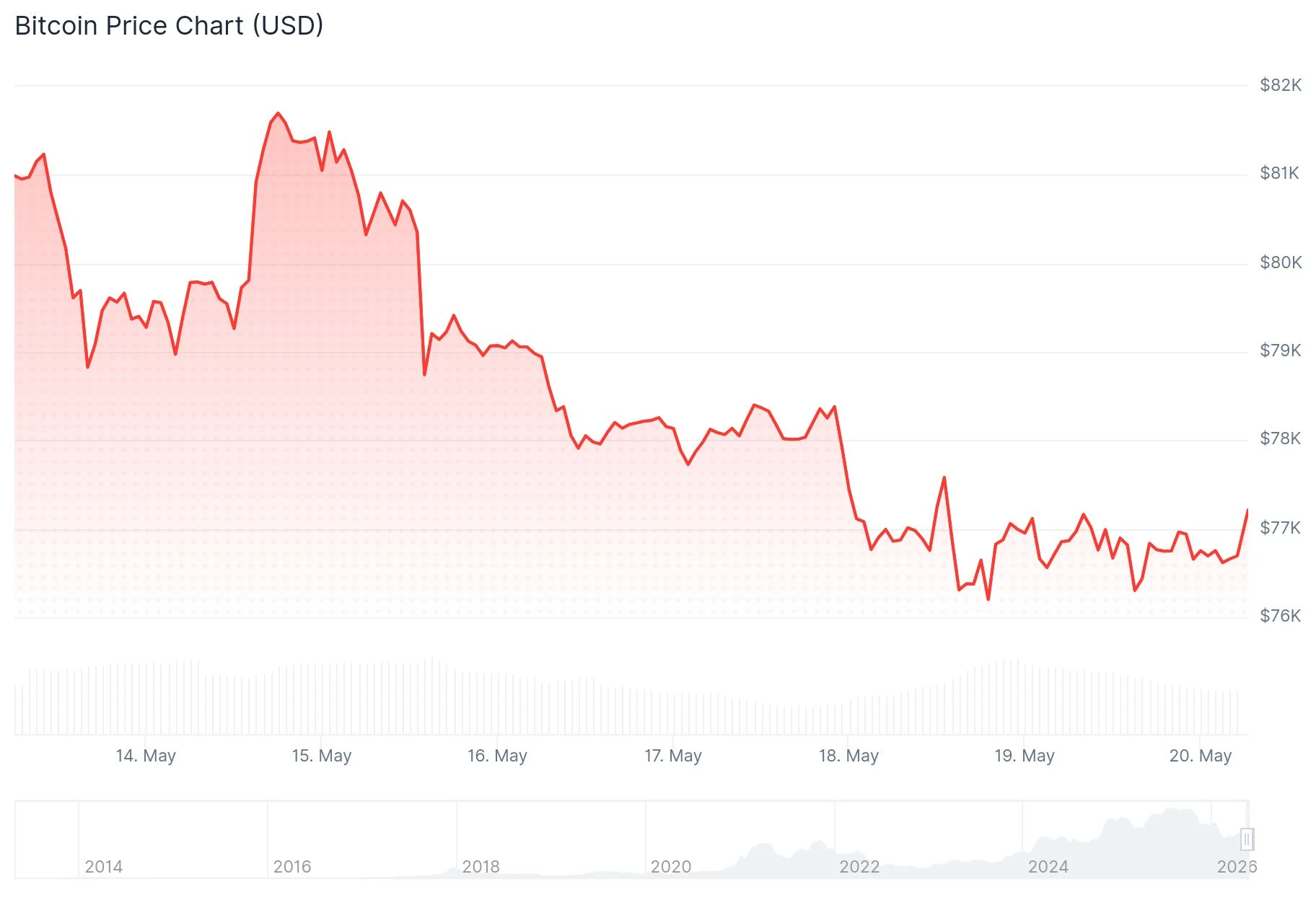
Bitcoin (BTC) Hovers Above $77K Amid Iran Diplomacy and Rising Treasury Yields

Beyond Cleaning: What Else You Must Check Before Moving Out




