By Nicky, Foresight News On September 2, 2025, at Bitcoin block height 912,690, BRC20 completed a major upgrade, called BRC2.0. This upgrade was jointly promoted by the Ordinals development team Best in Slot and the anonymous BRC20 creator Domo. The core change was the introduction of the Ethereum Virtual Machine (EVM), enabling BRC20 to execute Turing-complete smart contracts. Since the launch of the Ordinals protocol in early 2023, the Bitcoin ecosystem has ushered in a wave of innovation. Through this protocol, users can engrave information on the smallest unit of Bitcoin, the "satoshi," thereby issuing NFTs or fungible tokens. This mechanism gave rise to the BRC20 token standard, enabling the Bitcoin network to support the issuance and trading of a wider range of assets. BRC20 was originally a standard for issuing fungible tokens on the Bitcoin chain, based on the Ordinals protocol. This upgrade significantly expands its functionality by integrating the EVM. Eril Binari Ezerel, CEO of Best in Slot, explained that Bitcoin meta-protocols like BRC20 originally ran on indexers, which functioned like "simple calculators." By embedding the EVM, indexers achieve Turing completeness, supporting more complex logic and contract execution. With the upgrade, developers can now build DeFi protocols, NFT marketplaces, lending systems, and synthetic assets directly on the Bitcoin network. This integration maintains compatibility with Ethereum tools while providing the security guarantees of the Bitcoin network. Domo stated in a statement that the goal of this upgrade is to combine the security and decentralization of the Bitcoin network with the mature ecosystem of EVM in smart contracts to provide users with a composable, programmable, and Bitcoin-secured on-chain experience. The BRC2.0 upgrade introduces a significant technical difference: Runes are not programmable and likely never will be, limiting them to meme-like use cases, while BRC2.0 unlocks DeFi-level applications. This functional difference gives BRC2.0 a unique position in the Bitcoin ecosystem, providing the technical foundation for a wider range of application scenarios. Technical Challenges While the BRC2.0 upgrade brings significant functional improvements, it also faces some technical challenges and limitations. This upgrade utilizes an off-chain processing solution for programmability, integrating the EVM executor with the BRC20 indexer, with final state updates being processed on the Bitcoin chain by the BRC20 indexer. This design is considered by some to lack decentralization and present a single point of failure risk. Transactions on BRC2.0 are still subject to the limitations of Bitcoin's underlying infrastructure. Market buy and sell orders require multiple signatures and block confirmations, and transaction speeds are still limited by Bitcoin's 10-minute block time. Due to Bitcoin's 10-minute block time, standard AMM designs are vulnerable to MEV attacks and can cause transaction failures, potentially resulting in failed transactions and wasted BTC as mining fees. Projects like CatSwap are planning to launch mainnet AMM products in the coming weeks, but these should be considered experimental products in their initial stages. A more advanced "sequencer-based AMM" solution is also under development and expected to launch within 1-3 months, enabling higher transaction speeds and mitigating MEV risks. Specific applications of BRC2.0 Following the launch of BRC2.0, Best in Slot launched BiS DEX v1, billing it as the first decentralized exchange serving BRC2.0. Despite experiencing some server overload and minor vulnerabilities, the platform still managed to process over $200,000 in trading volume within 24 hours, with no user funds lost. Currently, BiS DEX supports market buy and limit sell orders, but some limitations still exist. For example, delisting and listing tokens requires a one-block confirmation wait, which increases time and costs. The team plans to launch an instant order feature in the next four to eight weeks to increase transaction speed and reduce fees. Furthermore, non-custodial quotes and more order types (such as limit buy, market sell, and stop-loss orders) will be added later. In terms of ecological applications, in addition to BiS DEX, there are currently several projects actively under construction: UniSat already supports BRC2.0 token deployment, providing features such as 6-character token names, self-issuance options, 0–18 decimal places, and optimizing the cost and efficiency of inscription services. CatSwap was mentioned as an upcoming AMM protocol that is expected to become a liquidity provider in the BRC2.0 ecosystem. The Adderrels project is participating in ecosystem development by issuing NFTs and the ACORNS token. A portion of these tokens will be used to provide liquidity for CatSwap. The NFT's floor price is currently reported at 0.00675 BTC (approximately $776). Notably, ACORNS, currently the most traded token in the BRC2.0 sector on the BiS DEX, has fallen for four consecutive days since its launch. On the other hand, wrapped Bitcoin (BTC) and stablecoins are considered important infrastructure for the development of the BRC2.0 ecosystem. Wrapped Bitcoin is a key component. Without it, AMMs can only support token-to-token pools, not token-to-BTC pools. The team is in communication with multiple providers, including Lombard LBTC, Citrea cBTC, and SUBFROST frBTC, and expects a usable wrapped Bitcoin solution to be available within one to two months.By Nicky, Foresight News On September 2, 2025, at Bitcoin block height 912,690, BRC20 completed a major upgrade, called BRC2.0. This upgrade was jointly promoted by the Ordinals development team Best in Slot and the anonymous BRC20 creator Domo. The core change was the introduction of the Ethereum Virtual Machine (EVM), enabling BRC20 to execute Turing-complete smart contracts. Since the launch of the Ordinals protocol in early 2023, the Bitcoin ecosystem has ushered in a wave of innovation. Through this protocol, users can engrave information on the smallest unit of Bitcoin, the "satoshi," thereby issuing NFTs or fungible tokens. This mechanism gave rise to the BRC20 token standard, enabling the Bitcoin network to support the issuance and trading of a wider range of assets. BRC20 was originally a standard for issuing fungible tokens on the Bitcoin chain, based on the Ordinals protocol. This upgrade significantly expands its functionality by integrating the EVM. Eril Binari Ezerel, CEO of Best in Slot, explained that Bitcoin meta-protocols like BRC20 originally ran on indexers, which functioned like "simple calculators." By embedding the EVM, indexers achieve Turing completeness, supporting more complex logic and contract execution. With the upgrade, developers can now build DeFi protocols, NFT marketplaces, lending systems, and synthetic assets directly on the Bitcoin network. This integration maintains compatibility with Ethereum tools while providing the security guarantees of the Bitcoin network. Domo stated in a statement that the goal of this upgrade is to combine the security and decentralization of the Bitcoin network with the mature ecosystem of EVM in smart contracts to provide users with a composable, programmable, and Bitcoin-secured on-chain experience. The BRC2.0 upgrade introduces a significant technical difference: Runes are not programmable and likely never will be, limiting them to meme-like use cases, while BRC2.0 unlocks DeFi-level applications. This functional difference gives BRC2.0 a unique position in the Bitcoin ecosystem, providing the technical foundation for a wider range of application scenarios. Technical Challenges While the BRC2.0 upgrade brings significant functional improvements, it also faces some technical challenges and limitations. This upgrade utilizes an off-chain processing solution for programmability, integrating the EVM executor with the BRC20 indexer, with final state updates being processed on the Bitcoin chain by the BRC20 indexer. This design is considered by some to lack decentralization and present a single point of failure risk. Transactions on BRC2.0 are still subject to the limitations of Bitcoin's underlying infrastructure. Market buy and sell orders require multiple signatures and block confirmations, and transaction speeds are still limited by Bitcoin's 10-minute block time. Due to Bitcoin's 10-minute block time, standard AMM designs are vulnerable to MEV attacks and can cause transaction failures, potentially resulting in failed transactions and wasted BTC as mining fees. Projects like CatSwap are planning to launch mainnet AMM products in the coming weeks, but these should be considered experimental products in their initial stages. A more advanced "sequencer-based AMM" solution is also under development and expected to launch within 1-3 months, enabling higher transaction speeds and mitigating MEV risks. Specific applications of BRC2.0 Following the launch of BRC2.0, Best in Slot launched BiS DEX v1, billing it as the first decentralized exchange serving BRC2.0. Despite experiencing some server overload and minor vulnerabilities, the platform still managed to process over $200,000 in trading volume within 24 hours, with no user funds lost. Currently, BiS DEX supports market buy and limit sell orders, but some limitations still exist. For example, delisting and listing tokens requires a one-block confirmation wait, which increases time and costs. The team plans to launch an instant order feature in the next four to eight weeks to increase transaction speed and reduce fees. Furthermore, non-custodial quotes and more order types (such as limit buy, market sell, and stop-loss orders) will be added later. In terms of ecological applications, in addition to BiS DEX, there are currently several projects actively under construction: UniSat already supports BRC2.0 token deployment, providing features such as 6-character token names, self-issuance options, 0–18 decimal places, and optimizing the cost and efficiency of inscription services. CatSwap was mentioned as an upcoming AMM protocol that is expected to become a liquidity provider in the BRC2.0 ecosystem. The Adderrels project is participating in ecosystem development by issuing NFTs and the ACORNS token. A portion of these tokens will be used to provide liquidity for CatSwap. The NFT's floor price is currently reported at 0.00675 BTC (approximately $776). Notably, ACORNS, currently the most traded token in the BRC2.0 sector on the BiS DEX, has fallen for four consecutive days since its launch. On the other hand, wrapped Bitcoin (BTC) and stablecoins are considered important infrastructure for the development of the BRC2.0 ecosystem. Wrapped Bitcoin is a key component. Without it, AMMs can only support token-to-token pools, not token-to-BTC pools. The team is in communication with multiple providers, including Lombard LBTC, Citrea cBTC, and SUBFROST frBTC, and expects a usable wrapped Bitcoin solution to be available within one to two months.

Can BRC2.0 restore the former glory of Bitcoin Inscription?

2025/09/07 09:57

By Nicky, Foresight News

On September 2, 2025, at Bitcoin block height 912,690, BRC20 completed a major upgrade, called BRC2.0. This upgrade was jointly promoted by the Ordinals development team Best in Slot and the anonymous BRC20 creator Domo. The core change was the introduction of the Ethereum Virtual Machine (EVM), enabling BRC20 to execute Turing-complete smart contracts.

Since the launch of the Ordinals protocol in early 2023, the Bitcoin ecosystem has ushered in a wave of innovation. Through this protocol, users can engrave information on the smallest unit of Bitcoin, the "satoshi," thereby issuing NFTs or fungible tokens. This mechanism gave rise to the BRC20 token standard, enabling the Bitcoin network to support the issuance and trading of a wider range of assets.

BRC20 was originally a standard for issuing fungible tokens on the Bitcoin chain, based on the Ordinals protocol. This upgrade significantly expands its functionality by integrating the EVM. Eril Binari Ezerel, CEO of Best in Slot, explained that Bitcoin meta-protocols like BRC20 originally ran on indexers, which functioned like "simple calculators." By embedding the EVM, indexers achieve Turing completeness, supporting more complex logic and contract execution.

With the upgrade, developers can now build DeFi protocols, NFT marketplaces, lending systems, and synthetic assets directly on the Bitcoin network. This integration maintains compatibility with Ethereum tools while providing the security guarantees of the Bitcoin network.

Domo stated in a statement that the goal of this upgrade is to combine the security and decentralization of the Bitcoin network with the mature ecosystem of EVM in smart contracts to provide users with a composable, programmable, and Bitcoin-secured on-chain experience.

The BRC2.0 upgrade introduces a significant technical difference: Runes are not programmable and likely never will be, limiting them to meme-like use cases, while BRC2.0 unlocks DeFi-level applications. This functional difference gives BRC2.0 a unique position in the Bitcoin ecosystem, providing the technical foundation for a wider range of application scenarios.

Technical Challenges

While the BRC2.0 upgrade brings significant functional improvements, it also faces some technical challenges and limitations. This upgrade utilizes an off-chain processing solution for programmability, integrating the EVM executor with the BRC20 indexer, with final state updates being processed on the Bitcoin chain by the BRC20 indexer. This design is considered by some to lack decentralization and present a single point of failure risk.

Transactions on BRC2.0 are still subject to the limitations of Bitcoin's underlying infrastructure. Market buy and sell orders require multiple signatures and block confirmations, and transaction speeds are still limited by Bitcoin's 10-minute block time. Due to Bitcoin's 10-minute block time, standard AMM designs are vulnerable to MEV attacks and can cause transaction failures, potentially resulting in failed transactions and wasted BTC as mining fees.

Projects like CatSwap are planning to launch mainnet AMM products in the coming weeks, but these should be considered experimental products in their initial stages. A more advanced "sequencer-based AMM" solution is also under development and expected to launch within 1-3 months, enabling higher transaction speeds and mitigating MEV risks.

Specific applications of BRC2.0

Following the launch of BRC2.0, Best in Slot launched BiS DEX v1, billing it as the first decentralized exchange serving BRC2.0. Despite experiencing some server overload and minor vulnerabilities, the platform still managed to process over $200,000 in trading volume within 24 hours, with no user funds lost.

Currently, BiS DEX supports market buy and limit sell orders, but some limitations still exist. For example, delisting and listing tokens requires a one-block confirmation wait, which increases time and costs. The team plans to launch an instant order feature in the next four to eight weeks to increase transaction speed and reduce fees. Furthermore, non-custodial quotes and more order types (such as limit buy, market sell, and stop-loss orders) will be added later.

In terms of ecological applications, in addition to BiS DEX, there are currently several projects actively under construction:

UniSat already supports BRC2.0 token deployment, providing features such as 6-character token names, self-issuance options, 0–18 decimal places, and optimizing the cost and efficiency of inscription services.

CatSwap was mentioned as an upcoming AMM protocol that is expected to become a liquidity provider in the BRC2.0 ecosystem.
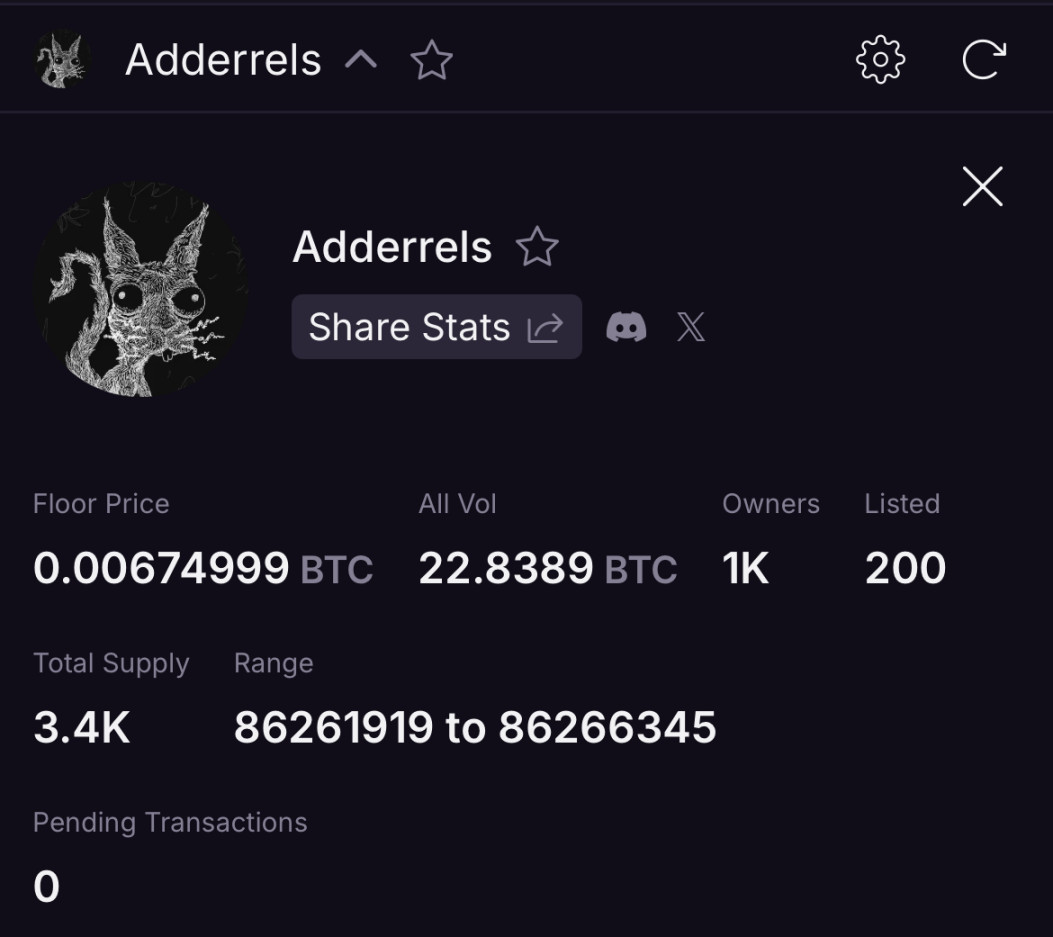
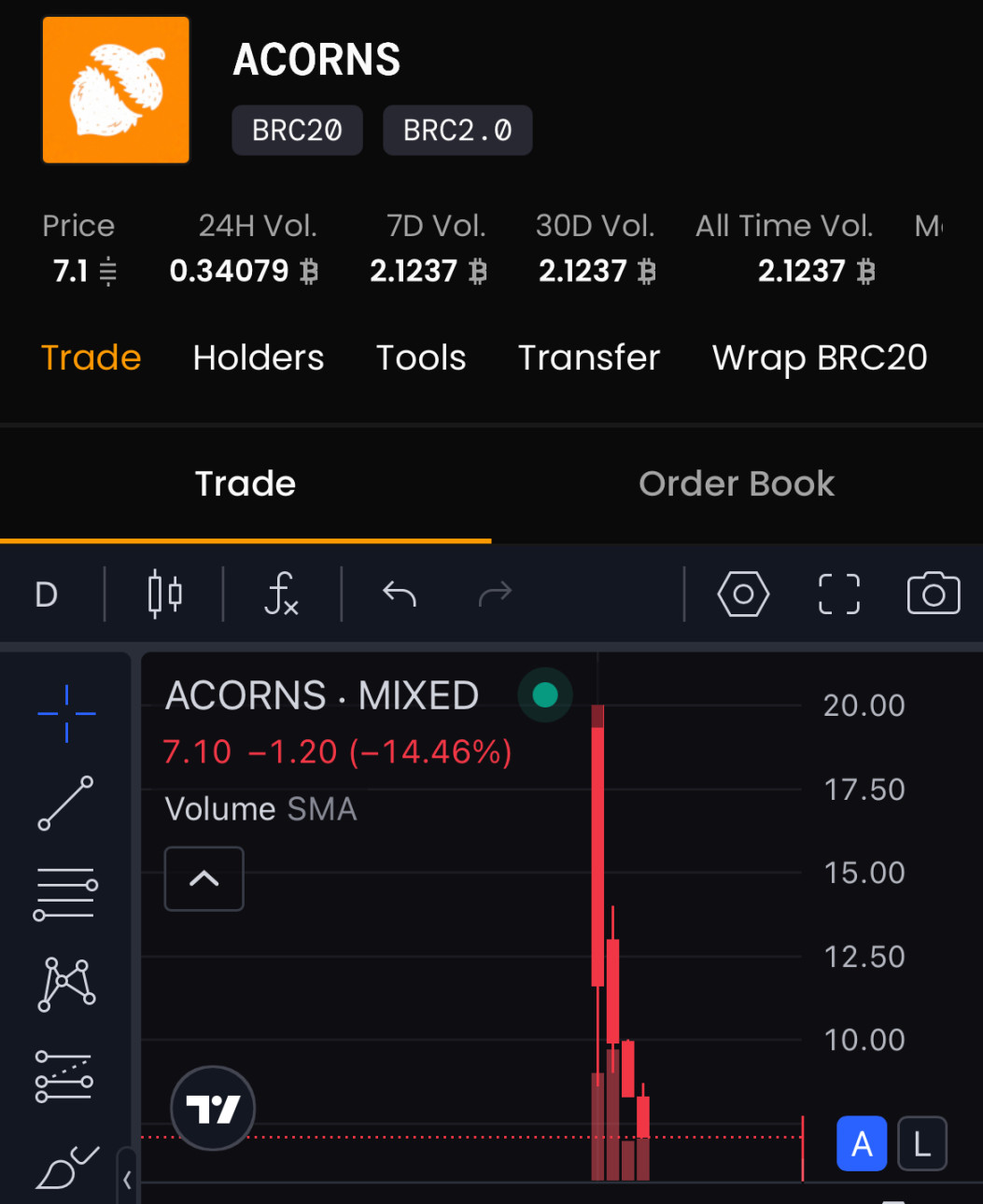
The Adderrels project is participating in ecosystem development by issuing NFTs and the ACORNS token. A portion of these tokens will be used to provide liquidity for CatSwap. The NFT's floor price is currently reported at 0.00675 BTC (approximately $776). Notably, ACORNS, currently the most traded token in the BRC2.0 sector on the BiS DEX, has fallen for four consecutive days since its launch.
On the other hand, wrapped Bitcoin (BTC) and stablecoins are considered important infrastructure for the development of the BRC2.0 ecosystem. Wrapped Bitcoin is a key component. Without it, AMMs can only support token-to-token pools, not token-to-BTC pools. The team is in communication with multiple providers, including Lombard LBTC, Citrea cBTC, and SUBFROST frBTC, and expects a usable wrapped Bitcoin solution to be available within one to two months.


Market Opportunity
LETSTOP Logo
LETSTOP Price(STOP)
$0.01509
$0.01509$0.01509
+6.71%
USD
LETSTOP (STOP) Live Price Chart
Disclaimer: The articles reposted on this site are sourced from public platforms and are provided for informational purposes only. They do not necessarily reflect the views of MEXC. All rights remain with the original authors. If you believe any content infringes on third-party rights, please contact service@support.mexc.com for removal. MEXC makes no guarantees regarding the accuracy, completeness, or timeliness of the content and is not responsible for any actions taken based on the information provided. The content does not constitute financial, legal, or other professional advice, nor should it be considered a recommendation or endorsement by MEXC.

You May Also Like

XRP Price Prediction: $DSNT Could Outperform Ripple Once the Token Goes Live on Multiple Rumored CEXs at the End of January

XRP Price Prediction: $DSNT Could Outperform Ripple Once the Token Goes Live on Multiple Rumored CEXs at the End of January

Galaxy Digital’s $75 million tokenized loan deal shows how fast institutions are pushing traditional finance on-chain.  But while firms focus on private credit
Share
Coinstats2026/01/17 22:00
Crypto Market Cap Edges Up 2% as Bitcoin Approaches $118K After Fed Rate Trim

Crypto Market Cap Edges Up 2% as Bitcoin Approaches $118K After Fed Rate Trim

The global crypto market cap rose 2% to $4.2 trillion on Thursday, lifted by Bitcoin’s steady climb toward $118,000 after the Fed delivered its first interest rate cut of the year. Gains were measured, however, as investors weighed the central bank’s cautious tone on future policy moves. Bitcoin last traded 1% higher at $117,426. Ether rose 2.8% to $4,609. XRP also gained, rising 2.9% to $3.10. Fed Chair Jerome Powell described Wednesday’s quarter-point reduction as a risk-management step, stressing that policymakers were in no hurry to speed up the easing cycle. His comments dampened expectations of more aggressive cuts, limiting enthusiasm across risk assets. Traders Anticipated Fed Rate Trim, Leaving Little Room for Surprise Rally The Federal Open Market Committee voted 11-to-1 to lower the benchmark lending rate to a range of 4.00% to 4.25%. The sole dissent came from newly appointed governor Stephen Miran, who pushed for a half-point cut. Traders were largely prepared for the move. Futures markets tracked by the CME FedWatch tool had assigned a 96% probability to a 25 basis point cut, making the decision widely anticipated. That advance positioning meant much of the potential boost was already priced in, creating what analysts described as a “buy the rumour, sell the news” environment. Fed Rate Decision Creates Conditions for Crypto, But Traders Still Hold Back Andrew Forson, president of DeFi Technologies, said lower borrowing costs would eventually steer more money toward digital assets. “A lower cost of capital indicates more capital flows into the digital assets space because the risk hurdle rate for money is lower,” he noted. He added that staking products and blockchain projects could become attractive alternatives to traditional bonds, offering both yield and appreciation. Despite the cut, crypto markets remained calm. Open interest in Bitcoin futures held steady and no major liquidation cascades followed the Fed’s decision. Analysts pointed to Powell’s language and upcoming economic data as the key factors for traders before building larger positions. Powell’s Caution Tempers Immediate Impact of Fed Rate Move on Crypto Markets History also suggests crypto rallies after rate cuts often take time. When the Fed eased in Dec. 2024, Bitcoin briefly surged 5% cent before consolidating, with sustained gains arriving only weeks later. This time, market watchers are bracing for a similar pattern. Powell’s insistence on caution, combined with uncertainty around inflation and growth, has kept short-term volatility muted even as sentiment for risk assets improves. BitMine’s Tom Lee this week predicted that Bitcoin and Ether could deliver “monster gains” in the next three months if the Fed continues on an easing path. His view echoes broader expectations that liquidity-sensitive assets will outperform once the cycle gathers pace. For now, the crypto sector has digested the Fed’s move with restraint. Traders remain focused on signals from the central bank’s October meeting to determine whether Wednesday’s step marks the beginning of a broader policy shift or just a one-off adjustment
Share
CryptoNews2025/09/18 13:14
‘The White Lotus’ Season 4 Officially Casts Its Next Two Actors

‘The White Lotus’ Season 4 Officially Casts Its Next Two Actors

The post ‘The White Lotus’ Season 4 Officially Casts Its Next Two Actors appeared on BitcoinEthereumNews.com. With filming on the near horizon, The White Lotus
Share
BitcoinEthereumNews2026/01/17 22:35



