

Former CFTC Chair Says the Banking Industry Is Blocking the Law It Needs Most
Christopher Giancarlo spent years at the top of American derivatives regulation. When he says U.S. banks are paralyzed, that is not an outsider’s critique.
The Argument Giancarlo Made
Speaking on the Wolf of All Streets podcast on March 7, the former CFTC Chairman made a case that inverts the usual framing around crypto legislation. The Digital Asset Market Clarity Act, commonly called the CLARITY Act, is typically discussed as something the cryptocurrency industry needs. Giancarlo argued the opposite: banks need it more.
His reasoning is structural. Bank legal teams are currently advising their boards that without clear federal law, committing billions of dollars to build digital payment infrastructure cannot be justified.
The liability exposure is undefined. The regulatory treatment is uncertain. The compliance cost of being wrong is potentially catastrophic for a chartered institution. So the boards do not move. The money does not get allocated. The rails do not get built.
Crypto firms, Giancarlo noted, have already proven they can construct financial infrastructure under regulatory pressure and ambiguity. Banks have not demonstrated the same tolerance for uncertainty. That asymmetry puts traditional finance in a weaker competitive position than most banking executives appear to recognize.
What Is Actually Blocking the Bill
The CLARITY Act is not stalled because of crypto opposition or congressional indifference. It is stalled because of a single provision: whether stablecoin issuers can pay yield, or rewards, to holders of their digital dollars.
Banks oppose this. JPMorgan, Wells Fargo, and other large institutions argue that yield-bearing stablecoins create deposit flight risk, pulling capital out of traditional bank accounts toward higher-returning digital alternatives. That concern is not irrational. A stablecoin paying 4% annually on idle dollars competes directly with a checking account paying near zero. At scale, the migration could meaningfully reduce bank deposit bases, which are the funding foundation for lending.
Coinbase and other crypto firms counter that the banking industry is using lobbying to suppress competition rather than to address genuine systemic risk. Blocking yield on stablecoins, in that framing, protects bank margins by denying consumers access to returns on their own assets. Both arguments have internal logic. Neither side is obviously wrong about the other’s motives.
Giancarlo described the situation plainly: the banking industry’s own resistance to stablecoin rewards is the primary reason the bill is stuck. The sector lobbying hardest against the legislation is the one that needs it most. That is the hostage dilemma he identified.
The 60-40 and What It Means
Giancarlo put passage odds at 60-40 in favor. That is a majority probability attached to a bill that already missed a March 1 White House deadline for compromise. Both things can be true simultaneously: more likely than not to pass, and currently without a resolution path on its central dispute.
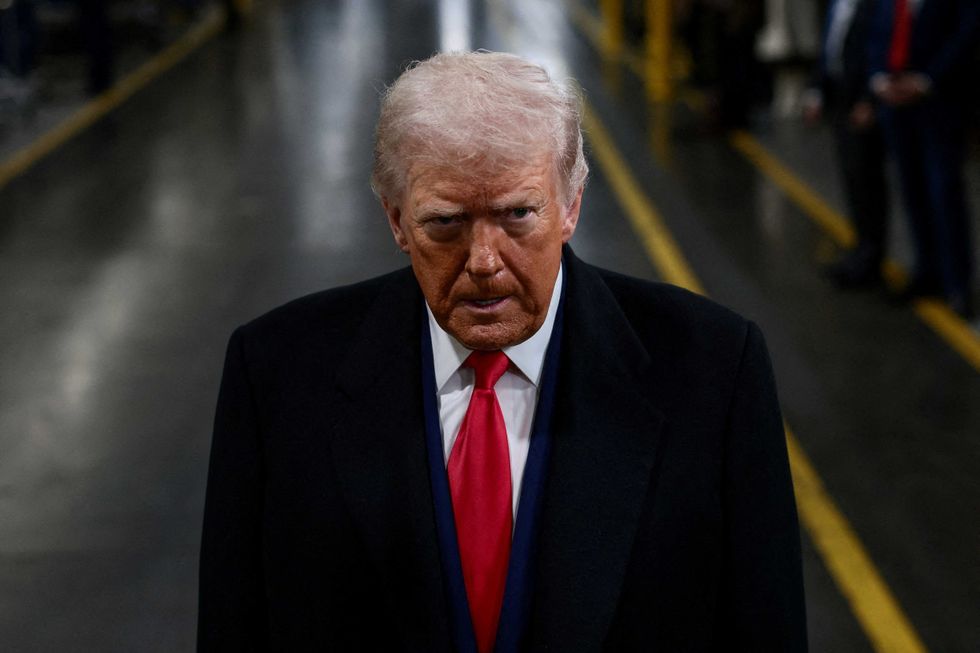
President Trump has publicly sided with the crypto industry on the stablecoin rewards question, reportedly accusing banks of holding the legislation hostage to protect existing infrastructure. Presidential pressure matters in congressional negotiations, but it does not resolve the underlying economic disagreement between chartered banks and crypto firms about what yield-bearing stablecoins do to deposit stability.
Europe and Asia are not waiting. Digital payment rails are being established under MiCA and comparable Asian frameworks while Washington negotiates with itself. Giancarlo’s warning about falling behind is not hypothetical. It is already happening in the time this bill has spent deadlocked.
The Question the Odds Cannot Answer
60-40 is close enough that the outcome remains genuinely uncertain. The stablecoin rewards provision is not a technical drafting problem that lawyers can fix overnight. It represents a real economic conflict between two industries with opposing financial interests and significant lobbying capacity.
What passes, if anything passes, may look different from what either side currently wants. Compromised legislation that satisfies neither banks nor crypto firms fully is a real outcome. So is continued deadlock. So is passage largely on the crypto industry’s terms if presidential pressure holds. All three are inside the probability range that Giancarlo’s 60-40 implies.
The post Former CFTC Chair Says the Banking Industry Is Blocking the Law It Needs Most appeared first on ETHNews.


You May Also Like

Swiss Franc weakens as SNB resists strength, US CPI eyed
Trump 'like the dog who caught the car' as Americans blame him for economy: strategist




