

Maersk Emergency Fuel Surcharge: Critical Move as Iran Conflict Sparks Global Inflation Fears
BitcoinWorld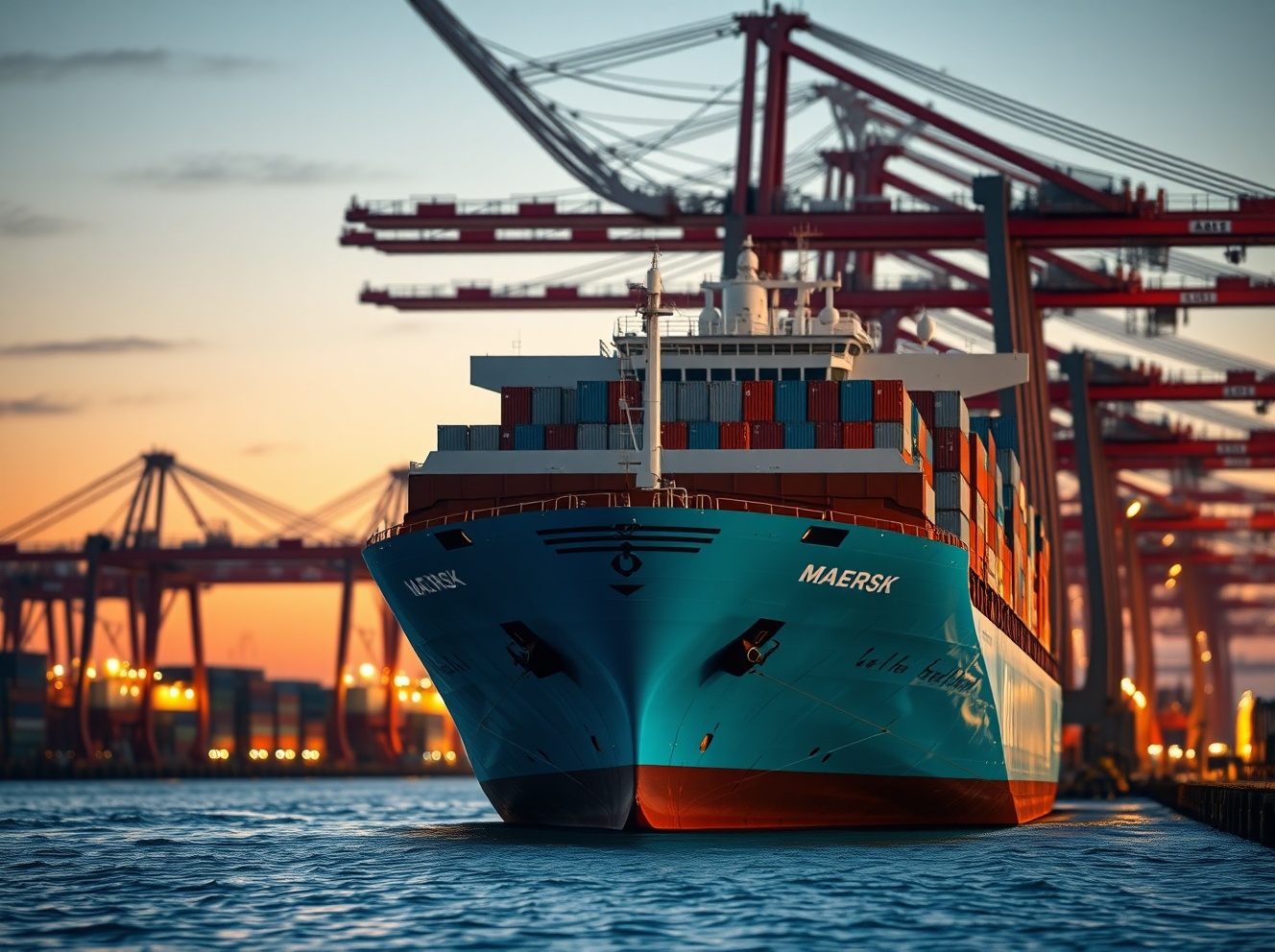
Maersk Emergency Fuel Surcharge: Critical Move as Iran Conflict Sparks Global Inflation Fears
COPENHAGEN, Denmark – March 2025: Maersk, the world’s largest container shipping company, announced a temporary Emergency Bunker Surcharge (EBS) this week. Consequently, this strategic move responds directly to surging oil prices triggered by escalating conflict in Iran. Moreover, this development signals potential ripple effects across global supply chains. Therefore, analysts now monitor how increased shipping costs might reignite inflation concerns. Ultimately, these economic pressures could extend to risk-asset markets, including cryptocurrencies.
Maersk Emergency Fuel Surcharge: Immediate Causes and Implementation
Maersk confirmed the Emergency Bunker Surcharge implementation through official customer advisories. Specifically, the surcharge applies to all major trade routes globally. Furthermore, the company cited “extraordinary market conditions” as the primary justification. Typically, bunker fuel represents 15-20% of container shipping operational costs. However, recent price spikes have pushed this percentage significantly higher. According to shipping industry data, bunker fuel prices increased 40% in the past month alone.
The timing coincides with intensified military conflict in Iran. Notably, Iran controls the Strait of Hormuz, a critical maritime chokepoint. Approximately 20% of global oil shipments pass through this narrow waterway. Consequently, any regional instability immediately affects global oil markets. Brent crude futures recently surpassed $120 per barrel. Meanwhile, shipping companies face unprecedented fuel procurement challenges.
Maersk’s surcharge follows established industry protocols. Importantly, the International Maritime Organization (IMO) 2020 regulations already increased fuel costs. These regulations mandated low-sulfur fuel usage for environmental compliance. Now, geopolitical tensions create additional financial pressure. The table below shows recent bunker fuel price movements:
| Fuel Type | Price January 2025 | Price March 2025 | Percentage Increase |
|---|---|---|---|
| Very Low Sulfur Fuel Oil (VLSFO) | $650/ton | $910/ton | 40% |
| Marine Gas Oil (MGO) | $720/ton | $1,008/ton | 40% |
Global Supply Chain Implications and Inflation Risks
Maersk’s decision carries significant implications for global trade. The company operates over 700 vessels and handles nearly 20% of global container volume. Therefore, any cost adjustment affects millions of shipments annually. Additionally, other major carriers often follow Maersk’s pricing leadership. Already, Mediterranean Shipping Company (MSC) and CMA CGM announced similar measures. Collectively, these companies control approximately 45% of global container capacity.
Supply chain experts express concern about inflationary effects. Dr. Elena Rodriguez, Director of Global Logistics Research at the Copenhagen Business School, explains the mechanism. “Shipping costs represent a fundamental component of product pricing,” she states. “When container rates increase, those costs eventually transfer to consumers. Furthermore, we observe this across virtually all imported goods.”
The current situation echoes 2021-2022 supply chain disruptions. During that period, container shipping rates increased tenfold in some cases. Consequently, consumer price inflation reached multi-decade highs in many economies. Central banks responded with aggressive interest rate hikes. Now, renewed shipping cost pressures threaten to undermine recent disinflation progress.
Key sectors likely affected include:
- Consumer electronics: 90% transported via container ships
- Apparel and textiles: Heavy reliance on Asian manufacturing
- Automotive parts: Just-in-time inventory systems vulnerable
- Food products: Particularly perishables requiring refrigeration
Expert Analysis: Historical Context and Future Projections
Shipping industry analysts provide crucial historical perspective. Previously, emergency surcharges occurred during the 2019 IMO 2020 transition. They also appeared following the 2021 Suez Canal blockage. However, current circumstances differ fundamentally. “Geopolitical risk now combines with structural market factors,” notes maritime economist James Chen. “The Iran conflict creates immediate price spikes. Simultaneously, longer-term decarbonization requirements increase capital costs.”
Chen references the IMO’s 2050 net-zero emissions target. Shipping companies must invest billions in cleaner vessels and alternative fuels. These investments require funding through operational revenues. Consequently, fuel price volatility directly impacts these transition plans. Maersk itself has ordered 12 methanol-powered container ships. Nevertheless, traditional bunker fuel remains dominant for the foreseeable future.
Forecasting models suggest multiple possible outcomes. A rapid de-escalation in Iran could stabilize oil markets quickly. Conversely, prolonged conflict might sustain elevated prices for months. Shipping companies face difficult hedging decisions in this uncertain environment. Many carriers increased fuel hedging activities following 2022’s volatility. Still, complete protection against extreme price movements remains challenging.
Cryptocurrency and Risk-Asset Market Connections
The Maersk surcharge announcement arrives during delicate market conditions. Risk assets, including cryptocurrencies, show heightened sensitivity to inflation data. Recently, Bitcoin and major altcoins experienced increased correlation with traditional markets. This correlation strengthened following the 2022-2023 market downturn. Now, renewed inflation fears could trigger similar responses.
Cryptocurrency analysts monitor several transmission channels. First, higher shipping costs increase production expenses globally. These increases potentially delay economic growth. Second, persistent inflation might force central banks to maintain restrictive policies. Higher interest rates typically pressure risk assets. Third, supply chain disruptions can affect technology sector profitability. Many cryptocurrency projects rely on technology sector performance.
Historical data reveals interesting patterns. During 2021’s supply chain crisis, Bitcoin initially rallied as an inflation hedge. However, subsequent Federal Reserve tightening reversed those gains. The current situation presents similar complexities. Some investors might flock to cryptocurrencies as traditional assets struggle. Others might retreat to cash during market uncertainty.
Blockchain industry participants express measured concern. “Global trade disruptions affect all economic activity,” says fintech researcher Maria Santos. “Cryptocurrency markets don’t operate in isolation. They respond to broader macroeconomic signals. Therefore, shipping cost inflation represents another variable for traders to consider.”
Conclusion
Maersk’s emergency fuel surcharge highlights interconnected global challenges. Geopolitical conflict in Iran drives immediate oil price increases. Consequently, shipping companies implement protective measures. These measures then transfer costs through supply chains. Ultimately, consumers face potential price increases across numerous goods. Meanwhile, financial markets monitor these developments carefully. Risk assets, including cryptocurrencies, remain vulnerable to renewed inflation pressures. The situation underscores modern globalization’s fragility. Regional conflicts now create worldwide economic effects within weeks. All stakeholders must prepare for continued volatility across shipping, trade, and financial markets.
FAQs
Q1: What is Maersk’s Emergency Bunker Surcharge (EBS)?
The Emergency Bunker Surcharge is a temporary fee Maersk applies to shipping rates. It compensates for sudden, significant increases in fuel costs caused by extraordinary market conditions.
Q2: How does conflict in Iran affect global shipping costs?
Iran controls the Strait of Hormuz, a critical passage for oil tankers. Conflict there disrupts oil shipments, increases crude prices, and raises bunker fuel costs for shipping companies worldwide.
Q3: Will other shipping companies follow Maersk’s surcharge?
Industry analysts expect other major carriers to implement similar measures. Mediterranean Shipping Company (MSC) and CMA CGM have already announced comparable surcharges following Maersk’s lead.
Q4: How might this affect cryptocurrency markets?
Higher shipping costs could reignite inflation concerns. Persistent inflation might delay central bank rate cuts, maintaining pressure on risk assets including cryptocurrencies through traditional financial market correlations.
Q5: How long will the emergency surcharge last?
Maersk describes the surcharge as temporary but hasn’t specified an end date. Duration depends on oil market stabilization, which requires resolution or de-escalation of the Iran conflict and subsequent price normalization.
This post Maersk Emergency Fuel Surcharge: Critical Move as Iran Conflict Sparks Global Inflation Fears first appeared on BitcoinWorld.


You May Also Like

Solana price confirms bearish crossover following Drift exploit, will it crash?
Evercore ISI S&P 500 Forecast 2026: Base Case 7,750, Bull Case 9,000




