BitcoinWorld Oil Prices: Critical Supply Risks Keep Markets on Edge – Danske Bank Analysis Global oil markets remain under significant pressure as persistent supplyBitcoinWorld Oil Prices: Critical Supply Risks Keep Markets on Edge – Danske Bank Analysis Global oil markets remain under significant pressure as persistent supply

Oil Prices: Critical Supply Risks Keep Markets on Edge – Danske Bank Analysis

2026/03/13 18:35
6 min read
For feedback or concerns regarding this content, please contact us at crypto.news@mexc.com

BitcoinWorld

Oil Prices: Critical Supply Risks Keep Markets on Edge – Danske Bank Analysis

Global oil markets remain under significant pressure as persistent supply risks continue to anchor prices at elevated levels, according to a recent analysis from Danske Bank. The Copenhagen-based financial institution highlights a complex web of geopolitical tensions, production constraints, and logistical challenges that are fundamentally reshaping the energy commodity landscape in early 2025. Consequently, traders and analysts are closely monitoring several flashpoints that could trigger further volatility. This sustained uncertainty underscores the fragile balance between global demand and available supply.

Oil Prices Face Sustained Pressure from Geopolitical Supply Risks

Danske Bank’s commodity strategists point to a confluence of factors maintaining upward pressure on crude benchmarks. Firstly, ongoing geopolitical instability in key producing regions directly threatens production stability. Secondly, deliberate supply management by the OPEC+ alliance continues to restrict output. Furthermore, underinvestment in new production capacity across non-OPEC nations is creating a long-term supply gap. These elements collectively form a ‘risk premium’ that is baked into current price levels. Market participants, therefore, are pricing in a higher probability of disruption.

The bank’s analysis references verifiable data from the International Energy Agency (IEA) and the U.S. Energy Information Administration (EIA). For instance, global commercial oil inventories remain below their five-year seasonal averages. This tangible metric provides concrete evidence of a tight physical market. Simultaneously, spare production capacity—the world’s buffer against sudden supply shocks—resides predominantly within a small group of Middle Eastern nations. This concentration creates a single point of potential failure for global energy security.

Decoding the Key Drivers of Market Volatility

Several specific risk vectors are currently commanding market attention. Danske Bank’s report systematically breaks down each contributor to the current risk environment.

The Geopolitical Chessboard: From the Strait of Hormuz to the Red Sea

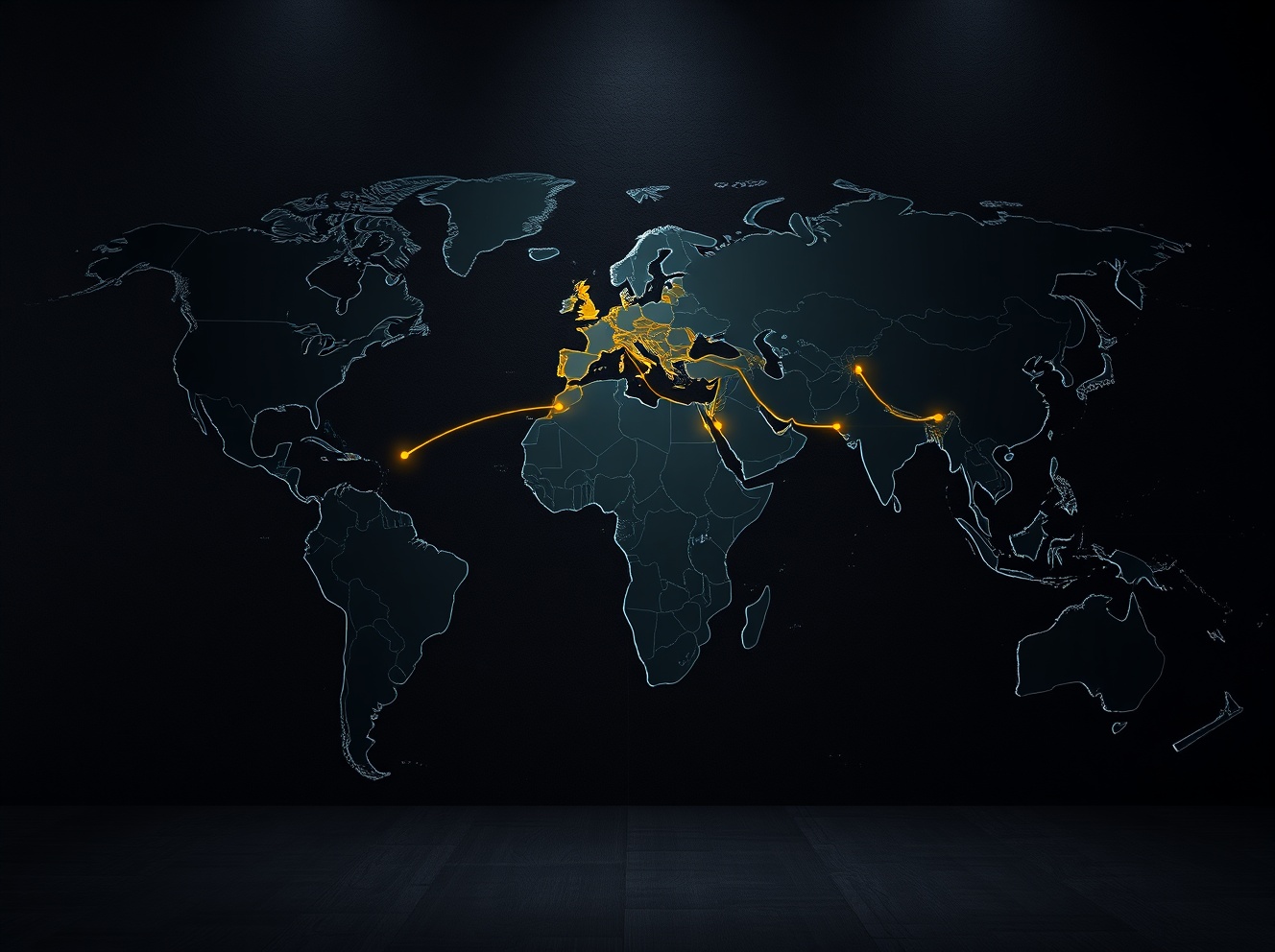
Maritime chokepoints represent a critical vulnerability for global oil flows. Approximately 20% of the world’s seaborne crude passes through the Strait of Hormuz. Any incident in this narrow waterway would have immediate and severe consequences for global supply. Similarly, attacks on shipping in the Red Sea have forced longer, costlier reroutes around Africa. These disruptions add time and expense to deliveries, effectively tightening the market. Regional conflicts also threaten onshore infrastructure, including pipelines and export terminals.

Primary Supply Risk Factors:

  • OPEC+ Production Policy: The alliance’s current output cuts, while supporting prices, reduce the global buffer.
  • Non-OPEC Production Challenges: Countries like the United States face slowing growth rates due to capital discipline and cost inflation.
  • Geopolitical Flashpoints: Tensions in Eastern Europe, the Middle East, and South America directly impact specific export volumes.
  • Infrastructure Vulnerability: Aging pipelines, refineries, and export facilities are prone to outages and require sustained investment.

The Economic Impact of Elevated Energy Costs

Sustained high oil prices act as a tax on global economic growth. They fuel inflationary pressures, forcing central banks to maintain a cautious monetary policy stance. For consumers, the cost translates directly to higher prices for transportation, heating, and goods. For industries, especially energy-intensive sectors like manufacturing, logistics, and chemicals, input costs rise, squeezing profit margins. Emerging market economies, which often spend a larger share of GDP on energy imports, are particularly vulnerable. This creates a feedback loop where economic uncertainty can eventually dampen oil demand, adding another layer of complexity to price forecasts.

The following table contrasts key price drivers identified by Danske Bank with their potential market impact:

Driver Nature of Risk Potential Price Impact
Geopolitical Conflict Sudden, acute supply disruption Sharp, immediate spike
OPEC+ Policy Managed, deliberate supply restriction Sustained price floor
Non-OPEC Investment Structural, long-term supply gap Gradual upward pressure
Global Inventory Levels Indicator of market tightness Defines price sensitivity to shocks

Expert Analysis and Forward-Looking Scenarios

Danske Bank’s team employs a scenario-based framework to navigate this uncertainty. Their base case assumes continued volatility within a defined range, supported by the existing risk premium. However, they outline clear upside and downside risks. A significant escalation in geopolitical tensions could trigger a price surge, testing recent highs. Conversely, an unexpected breakthrough in diplomatic efforts or a rapid, coordinated increase in OPEC+ production could alleviate pressure. The bank emphasizes that market sentiment remains highly reactive to news flow from conflict zones and policy meetings. Therefore, traders must remain agile and informed.

Historical context is crucial for understanding the current cycle. The post-pandemic recovery, the energy crisis following geopolitical events in Eastern Europe, and the subsequent focus on energy security have all contributed to today’s market structure. Investment in alternative energy sources is accelerating, but the global economy remains fundamentally reliant on hydrocarbons for the foreseeable future. This dependency ensures that oil supply risks will remain a paramount concern for policymakers, investors, and consumers alike throughout 2025 and beyond.

Conclusion

In conclusion, Danske Bank’s analysis confirms that critical supply risks are the dominant force keeping oil prices elevated. The interplay of geopolitical instability, strategic production management, and structural underinvestment creates a fragile market environment. While demand-side factors like economic growth remain important, the immediate price trajectory is overwhelmingly tied to the security and reliability of supply. Market participants must therefore monitor these risk factors closely, as any escalation has the potential to disrupt global energy flows and exert further upward pressure on oil prices in the coming months.

FAQs

Q1: What are the main supply risks currently affecting oil prices?
The primary risks include geopolitical conflicts in key producing regions, ongoing OPEC+ production cuts, vulnerabilities at major maritime chokepoints like the Strait of Hormuz, and long-term underinvestment in new production capacity outside the core OPEC+ group.

Q2: How does a ‘risk premium’ affect the oil price?
A risk premium is an additional amount factored into the market price due to the perceived probability of a future supply disruption. It represents the cost of uncertainty and means prices trade higher than they would based solely on current supply and demand fundamentals.

Q3: What is spare production capacity, and why is it important?
Spare capacity refers to oil production that can be brought online within 30 days and sustained for at least 90 days. It acts as the world’s shock absorber for unexpected supply outages. Low spare capacity, as seen today, means the market has less ability to respond to disruptions, increasing price volatility.

Q4: How do high oil prices impact the global economy?
Elevated oil prices increase costs for transportation and manufacturing, fueling inflation. This can force central banks to keep interest rates higher for longer, potentially slowing economic growth. They also worsen trade deficits for oil-importing nations and can trigger social unrest in vulnerable countries.

Q5: What could cause oil prices to fall from their current elevated levels?
A significant de-escalation of geopolitical tensions, a surprise decision by OPEC+ to increase production substantially, a sharper-than-expected slowdown in global economic growth reducing demand, or a rapid build-up of global oil inventories could all apply downward pressure on prices.

This post Oil Prices: Critical Supply Risks Keep Markets on Edge – Danske Bank Analysis first appeared on BitcoinWorld.


Market Opportunity
Lorenzo Protocol Logo
Lorenzo Protocol Price(BANK)
$0.03796
$0.03796$0.03796
-4.52%
USD
Lorenzo Protocol (BANK) Live Price Chart
Disclaimer: The articles reposted on this site are sourced from public platforms and are provided for informational purposes only. They do not necessarily reflect the views of MEXC. All rights remain with the original authors. If you believe any content infringes on third-party rights, please contact crypto.news@mexc.com for removal. MEXC makes no guarantees regarding the accuracy, completeness, or timeliness of the content and is not responsible for any actions taken based on the information provided. The content does not constitute financial, legal, or other professional advice, nor should it be considered a recommendation or endorsement by MEXC.

You May Also Like

Why Ethereum Price Could Drop to $1,500 Despite Record Activity

Why Ethereum Price Could Drop to $1,500 Despite Record Activity

The post Why Ethereum Price Could Drop to $1,500 Despite Record Activity appeared on BitcoinEthereumNews.com. Ethereum network activity has reached record levels
Share
BitcoinEthereumNews2026/03/13 19:40
Why More Teams Are Replacing Pure Agile with PRINCE2 Agile

Why More Teams Are Replacing Pure Agile with PRINCE2 Agile

  Agile once felt like the answer to everything. Simple sprints. Constant feedback. Working software over process. It sounded great and for many, it still is. But
Share
Techbullion2026/03/13 19:41
4 in 10 Americans Ready for Regulated DeFi: A Pivotal Survey on DeFi Regulation

4 in 10 Americans Ready for Regulated DeFi: A Pivotal Survey on DeFi Regulation

BitcoinWorld 4 in 10 Americans Ready for Regulated DeFi: A Pivotal Survey on DeFi Regulation The world of decentralized finance, or DeFi, is often seen as a frontier, exciting but perhaps a little wild. However, a groundbreaking survey from the DeFi Education Fund reveals a surprising truth: a significant portion of Americans are ready to embrace DeFi regulation. This isn’t just a niche interest; it’s a clear signal that mainstream adoption hinges on establishing clear, thoughtful rules for this innovative financial ecosystem. What’s the Buzz Around DeFi Regulation? Imagine a financial system that’s open, transparent, and accessible to everyone, everywhere. That’s the promise of DeFi. Yet, for many, the lack of established guidelines has been a major hurdle. The recent survey sheds light on this hesitation, indicating that nearly half of all Americans are willing to dive into DeFi, but only if it operates within a regulated framework. Key Finding: 42% of respondents would use DeFi under a regulated framework. This figure highlights a strong desire for security and clarity. Payment Services Potential: Among those willing, a remarkable 84% expressed readiness to try DeFi-based payment services. This suggests a massive untapped market for innovative payment solutions. This data points to a crucial intersection where innovation meets consumer protection. It suggests that appropriate DeFi regulation could unlock a new era of financial services for millions. Why Are Americans Eyeing Regulated DeFi? It’s not just about curiosity; there’s a deeper reason behind this willingness to engage with regulated DeFi. The survey also uncovered a significant lack of trust in existing financial systems. Only 29% of respondents believe the current U.S. financial system is truly safe. This sentiment is powerful. It indicates that people are actively seeking alternatives that offer greater transparency, security, and fairness. DeFi regulation, when done right, can provide the assurance needed for individuals to confidently explore these new avenues. It’s about building bridges of trust between cutting-edge technology and everyday users. Consider the benefits: enhanced consumer protection, reduced fraud risks, and a level playing field for all participants. These are the pillars upon which a trusted financial system, traditional or decentralized, must stand. The Promise of Regulated DeFi Payments The enthusiasm for DeFi isn’t limited to just financial products like lending or borrowing. A significant portion of the surveyed group expressed a strong interest in using DeFi for everyday transactions. The idea of regulated DeFi-based payment services is particularly appealing. Faster Transactions: Imagine sending money globally in minutes, not days. Lower Fees: Bypassing traditional intermediaries can significantly reduce costs. Greater Control: Users maintain more direct control over their funds. These advantages, combined with the security provided by clear DeFi regulation, could revolutionize how we think about and use money daily. It’s about creating more efficient, inclusive, and user-centric payment experiences. Navigating the Path to Mainstream DeFi Regulation While the demand for regulated DeFi is evident, the path to achieving it is complex. Regulators face the challenge of understanding a rapidly evolving technology while simultaneously protecting consumers and fostering innovation. This isn’t a simple task, but the survey provides a clear mandate for action. Key Considerations for Effective DeFi Regulation: Clarity: Establishing clear definitions and legal frameworks for DeFi protocols and assets. Consumer Protection: Implementing safeguards against scams, hacks, and financial exploitation. Innovation: Crafting rules that don’t stifle technological advancement and growth. Global Coordination: Harmonizing regulations across different jurisdictions to prevent arbitrage and ensure market stability. The future of finance could very well be decentralized, but its widespread adoption depends heavily on thoughtful and effective DeFi regulation. It’s a collaborative effort between innovators, users, and policymakers to build a financial system that serves everyone. Summary: A Clear Call for Action The survey from the DeFi Education Fund delivers a compelling message: Americans are ready for DeFi, but they want it to be safe and sound. The willingness of 4 in 10 respondents to engage with regulated DeFi, coupled with the strong interest in payment services, underscores the immense potential of this technology. It also highlights a critical opportunity for regulators to step up and provide the clarity and oversight necessary to unlock DeFi’s full promise. The future of finance is evolving, and DeFi regulation will be a cornerstone of its mainstream success. Frequently Asked Questions About Regulated DeFi Q1: What is DeFi? A1: DeFi, or decentralized finance, refers to financial services built on blockchain technology. These services, like lending, borrowing, and trading, operate without traditional intermediaries such as banks, using smart contracts instead. Q2: Why do Americans want DeFi to be regulated? A2: Americans desire regulation for DeFi primarily for security and trust. Many are wary of unregulated financial systems due to potential risks like fraud, hacks, and lack of consumer protection. Regulation can provide a framework of safety and legitimacy. Q3: What benefits could regulated DeFi offer? A3: Regulated DeFi could offer several benefits, including enhanced consumer protection, reduced risks of scams, greater transparency, potentially faster and cheaper financial services (especially payments), and increased trust, leading to broader adoption. Q4: How does DeFi regulation compare to traditional finance regulation? A4: Traditional finance operates under well-established, comprehensive regulatory frameworks. DeFi regulation is still evolving and aims to apply similar principles of consumer protection and market integrity to a decentralized, blockchain-based environment, often requiring new approaches due to its unique technological characteristics. Q5: What are the challenges in implementing DeFi regulation? A5: Challenges include the decentralized and global nature of DeFi, which makes enforcement difficult; the rapid pace of technological innovation; defining which entities are responsible for compliance; and ensuring regulations foster innovation rather than stifling it. Found this article insightful? Share it with your friends, colleagues, and anyone interested in the future of finance and the exciting potential of regulated DeFi! Your shares help spread awareness and foster important conversations. To learn more about the latest crypto market trends, explore our article on key developments shaping DeFi institutional adoption. This post 4 in 10 Americans Ready for Regulated DeFi: A Pivotal Survey on DeFi Regulation first appeared on BitcoinWorld.
Share
Coinstats2025/09/18 17:30