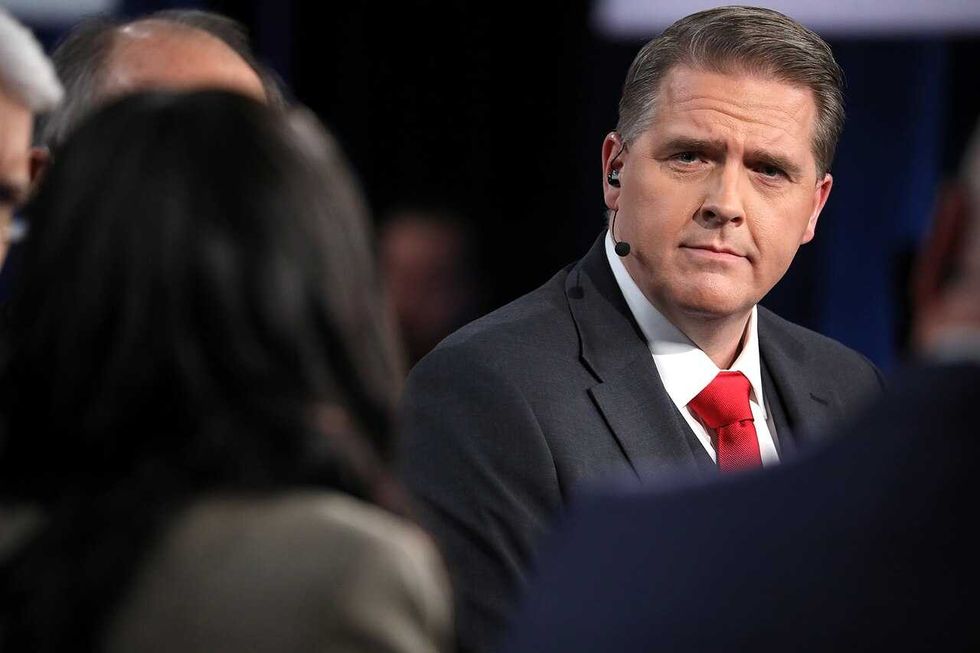
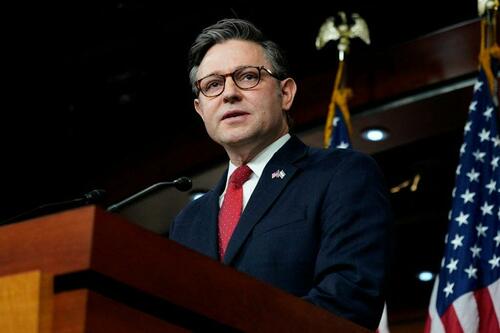
This measure won't take effect unless the Senate passes a similar measure and President Ferdinand Marcos Jr. signs the final version of the billThis measure won't take effect unless the Senate passes a similar measure and President Ferdinand Marcos Jr. signs the final version of the bill

House approves proposal to scrap travel tax

2026/03/16 21:10
2 min read
For feedback or concerns regarding this content, please contact us at crypto.news@mexc.com

MANILA, Philippines – The House of Representatives voted to abolish the travel tax on Monday, March 16.

A total of 257 lawmakers backed the bill. There was one no vote and one abstention.

The Senate has yet to pass a similar measure, which means the proposal cannot be sent yet to President Ferdinand Marcos Jr.’s desk for his signature.

House Bill No. 8464 seeks to put an end to the travel tax imposed under Presidential Decree No. 1183, as amended, and Section 73 of Republic Act (RA) No. 9593, also known as the Tourism Act of 2009.

Currently, Filipino travelers pay P1,620 for economy-class international trips, and P2,700 for first-class flights.

Congressional efforts to end the fee date back to 2019, with Cebu’s Pablo John Garcia and Aklan’s Teodorico Haresco Jr. filing bills on the subject. The campaign was revived under the current administration when the President’s son, House Majority Leader Sandro Marcos, threw his weight behind a new version of the bill.

The younger Marcos, in filing the bill, said removing taxation on personal travel would encourage more Filipinos to fly out of the country and expand opportunities for cultural exchange.

The Philippines is the remaining country in Southeast Asia that imposes such a levy on travelers.

A travel tax was first introduced during the Ramon Magsaysay administration in the 1950s to deter Filipinos from embarking on luxury travels abroad and to conserve foreign exchange. This meant preventing travelers from buying dollars from the Philippine central bank, as the government preferred to save those bills for essential imports.

In the early 1970s, dictator Ferdinand E. Marcos used travel tax proceeds for peace and order initiatives of his regime. In the late ’70s, the earnings were redirected towards funding national development.

Today, the travel tax no longer intends to discourage foreign travel. RA 9593 states that proceeds shall be divided among the following three agencies:

  • 50% to the Tourism Infrastructure and Enterprise Zone Authority
  • 40% to the Commission on Higher Education for tourism-related educational programs and courses
  • 10% to the National Commission for Culture and the Arts

Under the approved House bill, the national government is tasked to provide the funding that will be removed from these agencies through the annual national budget. – Rappler.com


Disclaimer: The articles reposted on this site are sourced from public platforms and are provided for informational purposes only. They do not necessarily reflect the views of MEXC. All rights remain with the original authors. If you believe any content infringes on third-party rights, please contact crypto.news@mexc.com for removal. MEXC makes no guarantees regarding the accuracy, completeness, or timeliness of the content and is not responsible for any actions taken based on the information provided. The content does not constitute financial, legal, or other professional advice, nor should it be considered a recommendation or endorsement by MEXC.

You May Also Like

And the Big Day Has Arrived: The Anticipated News for XRP and Dogecoin Tomorrow

And the Big Day Has Arrived: The Anticipated News for XRP and Dogecoin Tomorrow

The first-ever ETFs for XRP and Dogecoin are expected to launch in the US tomorrow. Here's what you need to know. Continue Reading: And the Big Day Has Arrived: The Anticipated News for XRP and Dogecoin Tomorrow
Share
Coinstats2025/09/18 04:33
Swiss Franc Intervention: Critical Analysis of SNB’s 2025 Policy and Safe-Haven Resilience

Swiss Franc Intervention: Critical Analysis of SNB’s 2025 Policy and Safe-Haven Resilience

BitcoinWorld Swiss Franc Intervention: Critical Analysis of SNB’s 2025 Policy and Safe-Haven Resilience ZURICH, March 2025 – The Swiss National Bank faces mounting
Share
bitcoinworld2026/03/16 23:10
Cashing In On University Patents Means Giving Up On Our Innovation Future

Cashing In On University Patents Means Giving Up On Our Innovation Future

The post Cashing In On University Patents Means Giving Up On Our Innovation Future appeared on BitcoinEthereumNews.com. “It’s a raid on American innovation that would deliver pennies to the Treasury while kneecapping the very engine of our economic and medical progress,” writes Pipes. Getty Images Washington is addicted to taxing success. Now, Commerce Secretary Howard Lutnick is floating a plan to skim half the patent earnings from inventions developed at universities with federal funding. It’s being sold as a way to shore up programs like Social Security. In reality, it’s a raid on American innovation that would deliver pennies to the Treasury while kneecapping the very engine of our economic and medical progress. Yes, taxpayer dollars support early-stage research. But the real payoff comes later—in the jobs created, cures discovered, and industries launched when universities and private industry turn those discoveries into real products. By comparison, the sums at stake in patent licensing are trivial. Universities collectively earn only about $3.6 billion annually in patent income—less than the federal government spends on Social Security in a single day. Even confiscating half would barely register against a $6 trillion federal budget. And yet the damage from such a policy would be anything but trivial. The true return on taxpayer investment isn’t in licensing checks sent to Washington, but in the downstream economic activity that federally supported research unleashes. Thanks to the bipartisan Bayh-Dole Act of 1980, universities and private industry have powerful incentives to translate early-stage discoveries into real-world products. Before Bayh-Dole, the government hoarded patents from federally funded research, and fewer than 5% were ever licensed. Once universities could own and license their own inventions, innovation exploded. The result has been one of the best returns on investment in government history. Since 1996, university research has added nearly $2 trillion to U.S. industrial output, supported 6.5 million jobs, and launched more than 19,000 startups. Those companies pay…
Share
BitcoinEthereumNews2025/09/18 03:26