

Indonesia’s Hawkish Hold: Central Bank Extends Tight Monetary Policy Through 2026 Amid Inflation Battle
BitcoinWorld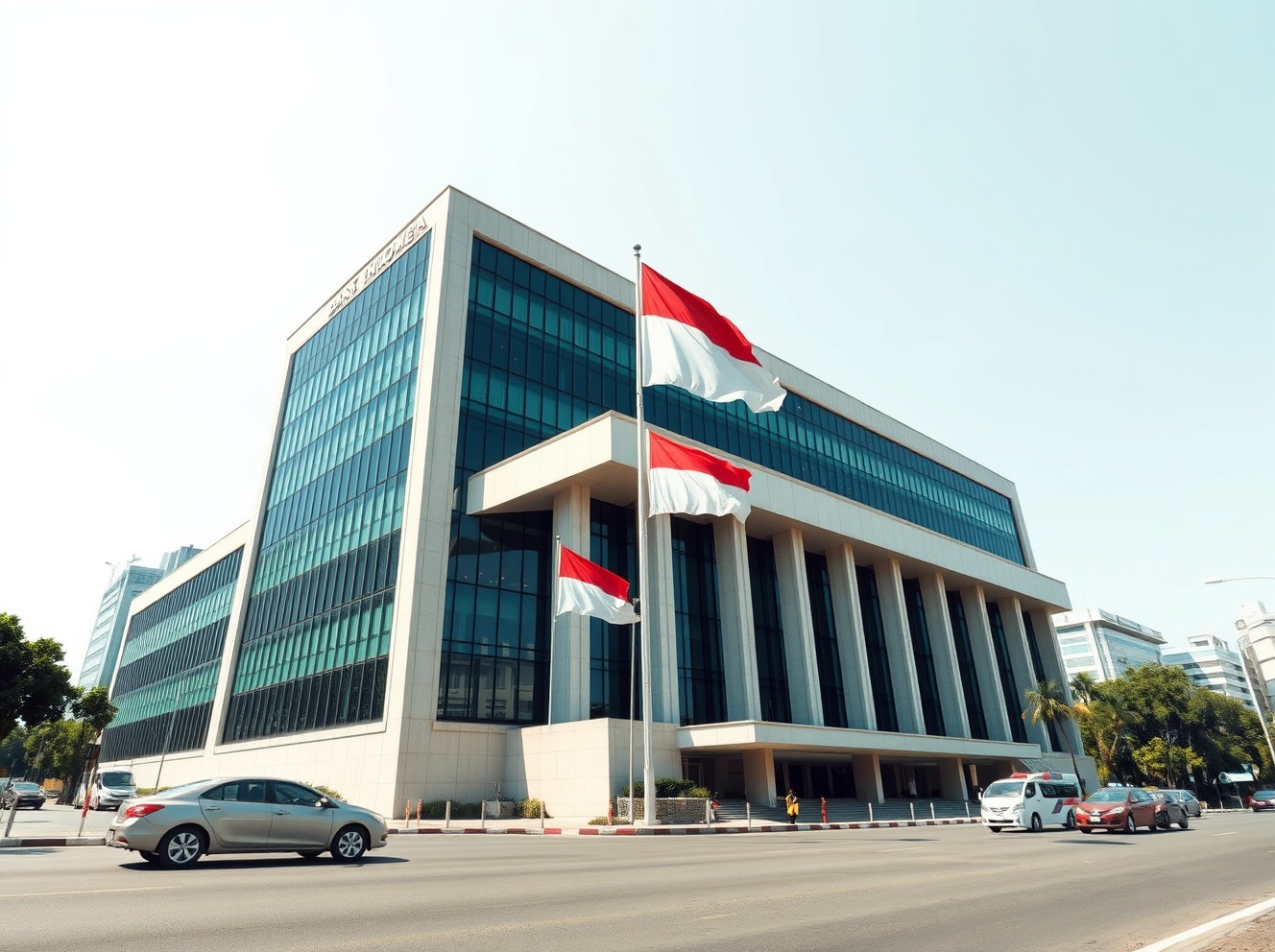
Indonesia’s Hawkish Hold: Central Bank Extends Tight Monetary Policy Through 2026 Amid Inflation Battle
JAKARTA, Indonesia – Bank Indonesia maintains its hawkish monetary policy stance through 2026, according to recent analysis from United Overseas Bank (UOB). This extended timeline signals the central bank’s continued commitment to price stability and rupiah defense against persistent inflationary pressures and global financial volatility.
Indonesia’s Hawkish Monetary Policy Framework
Bank Indonesia implements a hawkish monetary policy to control inflation and stabilize the national currency. The central bank’s benchmark interest rate currently stands at 6.25%, representing one of the highest policy rates in Southeast Asia. This elevated rate environment directly influences borrowing costs across the Indonesian economy. Consequently, businesses face higher financing expenses for expansion projects. Meanwhile, consumers experience increased mortgage and loan payments. The central bank’s primary mandate focuses on maintaining inflation within its target range of 1.5% to 3.5% annually. Additionally, Bank Indonesia manages exchange rate stability to support economic growth and financial system resilience.
UOB economists project this restrictive stance will persist through 2026. Their analysis considers several critical factors. First, global commodity price volatility continues to impact Indonesia’s import costs. Second, domestic demand pressures remain elevated despite previous tightening measures. Third, Federal Reserve policy decisions influence capital flows to emerging markets like Indonesia. The extended hawkish period reflects these complex economic crosscurrents. Therefore, market participants should anticipate continued monetary restraint.
Economic Context and Inflation Dynamics
Indonesia’s inflation landscape presents unique challenges for policymakers. The consumer price index increased by 2.8% year-over-year in the latest reporting period. This figure remains within the central bank’s target band but masks underlying pressures. Food inflation continues to outpace overall price increases, particularly for staple commodities like rice and chilies. Transportation costs also contribute significantly to household expenditure growth. Furthermore, administered price adjustments for electricity and fuel create additional inflationary impulses.
The following table illustrates Indonesia’s recent inflation trajectory:
| Period | Headline Inflation | Core Inflation | Food Inflation |
|---|---|---|---|
| Q4 2024 | 2.9% | 2.5% | 4.2% |
| Q1 2025 | 2.8% | 2.4% | 3.9% |
| Latest Month | 2.8% | 2.5% | 4.1% |
Core inflation, which excludes volatile food and energy prices, remains relatively contained. However, Bank Indonesia monitors several forward-looking indicators. Global supply chain disruptions could potentially reignite imported inflation. Additionally, El Niño weather patterns threaten agricultural production and food security. The central bank’s preemptive stance aims to anchor inflation expectations before these risks materialize. Consequently, policymakers prioritize maintaining credibility through consistent policy signals.
Exchange Rate Management and Capital Flows
Bank Indonesia actively manages the rupiah exchange rate within a managed floating regime. The currency faces persistent pressure from several directions. First, widening interest rate differentials with major economies influence capital movement patterns. Second, Indonesia’s current account deficit requires careful foreign exchange management. Third, global risk sentiment shifts frequently impact emerging market assets. The central bank utilizes multiple tools to maintain stability. These include:
- Foreign exchange intervention in spot and derivative markets
- Monetary operation adjustments to manage liquidity
- Coordination with fiscal authorities on debt management
- Macroprudential measures to curb speculative activity
Recent data shows foreign portfolio investment flows turning positive after several quarters of outflows. This improvement reflects growing confidence in Indonesia’s economic fundamentals. However, the sustainability of these inflows remains uncertain amid global financial conditions. Therefore, Bank Indonesia maintains its defensive posture to prevent excessive currency volatility.
Comparative Analysis with Regional Peers
Indonesia’s monetary policy trajectory diverges from several regional counterparts. The Philippines recently paused its tightening cycle after achieving inflation normalization. Thailand maintains accommodative settings to support economic recovery. Meanwhile, Malaysia balances growth considerations with currency stability. Indonesia’s more aggressive stance reflects its specific economic circumstances. The country experiences stronger domestic demand momentum than some neighbors. Additionally, Indonesia’s commodity export composition differs significantly from manufacturing-focused economies.
UOB’s regional analysis highlights several key differentiators. First, Indonesia’s financial market depth supports tighter policy without excessive stress. Second, banking system capitalization remains robust despite higher interest rates. Third, fiscal policy coordination provides additional stabilization capacity. These factors enable extended monetary tightening without triggering financial instability. Regional comparisons therefore provide context rather than direct policy prescriptions.
Growth Implications and Sectoral Impacts
Extended monetary tightening inevitably affects Indonesia’s economic growth trajectory. The government maintains its 5.2% GDP growth target for 2025 despite policy headwinds. This projection assumes several mitigating factors. Public infrastructure investment continues to drive economic activity. Additionally, commodity exports benefit from favorable global prices. However, interest-sensitive sectors face increasing challenges. Property development experiences slowing sales and construction activity. Consumer durable purchases decline as financing costs rise. Small and medium enterprises report tighter credit conditions.
The manufacturing sector presents a mixed picture. Export-oriented industries benefit from rupiah stability and strong external demand. Domestic-focused manufacturers face weaker consumption patterns. Bank Indonesia monitors these divergences carefully. The central bank’s financial stability reports highlight sectoral vulnerabilities. Consequently, macroprudential policies receive increasing emphasis alongside interest rate management. This two-pronged approach aims to balance growth and stability objectives.
Policy Transmission and Financial System Resilience
Monetary policy transmission mechanisms function effectively in Indonesia’s financial system. Commercial banks promptly adjust lending rates following central bank decisions. The loan-to-deposit ratio remains within prudent boundaries despite tightening conditions. Banking sector profitability demonstrates resilience through net interest margin management. Non-performing loans show only marginal increases across most categories. This financial system strength provides crucial policy implementation capacity.
Bank Indonesia employs additional instruments to reinforce policy transmission. Reserve requirement ratios adjust periodically to manage system liquidity. Term deposit facility operations absorb excess funds from the banking system. Foreign exchange swap transactions provide rupiah liquidity management options. These complementary tools enhance the effectiveness of the primary policy rate. Market participants generally understand and anticipate these operational adjustments. Therefore, policy signals transmit efficiently through financial markets.
Global Economic Linkages and External Vulnerabilities
Indonesia’s economy maintains significant exposure to global economic developments. Commodity exports constitute approximately 30% of total export earnings. Consequently, terms of trade fluctuations directly impact the current account balance. Manufacturing supply chains integrate deeply with regional production networks. Tourism receipts continue recovering toward pre-pandemic levels. These external linkages create both opportunities and vulnerabilities for policymakers.
The extended hawkish stance partly addresses these external exposures. Higher interest rates attract portfolio investment to cover current account financing needs. Currency stability reduces imported inflation from dollar-denominated commodities. Financial market confidence supports foreign direct investment inflows. However, these benefits come with corresponding costs. Export competitiveness may suffer from rupiah appreciation pressure. External debt servicing expenses increase for corporations and the government. Bank Indonesia continuously balances these competing considerations in its policy deliberations.
Conclusion
Indonesia’s hawkish monetary policy extension through 2026 reflects prudent central banking amid complex economic conditions. Bank Indonesia prioritizes inflation control and rupiah stability to support sustainable economic growth. UOB’s analysis highlights the policy’s consistency with Indonesia’s specific economic fundamentals and external vulnerabilities. The extended timeline provides certainty for businesses and investors planning medium-term strategies. However, growth trade-offs require careful monitoring and potential policy recalibration if conditions change materially. Indonesia’s monetary policy trajectory will continue influencing regional financial dynamics and emerging market investment flows.
FAQs
Q1: What does “hawkish hold” mean in monetary policy?
A hawkish hold occurs when a central bank maintains current interest rates while signaling potential future tightening or expressing greater concern about inflation than growth. This stance suggests rates may remain elevated or increase further if inflationary pressures persist.
Q2: How does Indonesia’s policy rate compare to other ASEAN countries?
Indonesia’s benchmark rate of 6.25% exceeds most regional peers. Thailand maintains 2.5%, Malaysia 3.0%, while the Philippines recently reduced to 6.0%. Singapore uses exchange rate rather than interest rate targeting.
Q3: What factors could prompt Bank Indonesia to ease policy before 2026?
Significant global economic slowdown, sustained inflation within the lower target band, or unexpected rupiah strength could potentially justify earlier policy normalization. Domestic financial stability concerns might also prompt reconsideration.
Q4: How does this policy affect ordinary Indonesian consumers?
Higher interest rates increase loan costs for mortgages, vehicle financing, and credit cards. Deposit rates may improve slightly. Inflation control benefits purchasing power, particularly for lower-income households facing food price pressures.
Q5: What are the risks of maintaining tight policy for extended periods?
Prolonged tightening may excessively slow economic growth, increase corporate debt distress, and strengthen the rupiah beyond competitive levels. Policy flexibility decreases if unexpected shocks require stimulus measures.
This post Indonesia’s Hawkish Hold: Central Bank Extends Tight Monetary Policy Through 2026 Amid Inflation Battle first appeared on BitcoinWorld.


You May Also Like
SES Reports 80% Revenue Jump as Aviation Connectivity and Intelsat Merger Drive Q1 Growth

Shai Gilgeous-Alexander, Thunder still perfect in playoffs after sweep of Lakers




