Bitcoin Shatters Oil Price Correlation Myth: Binance Research Reveals Independent Growth Trajectory
BitcoinWorld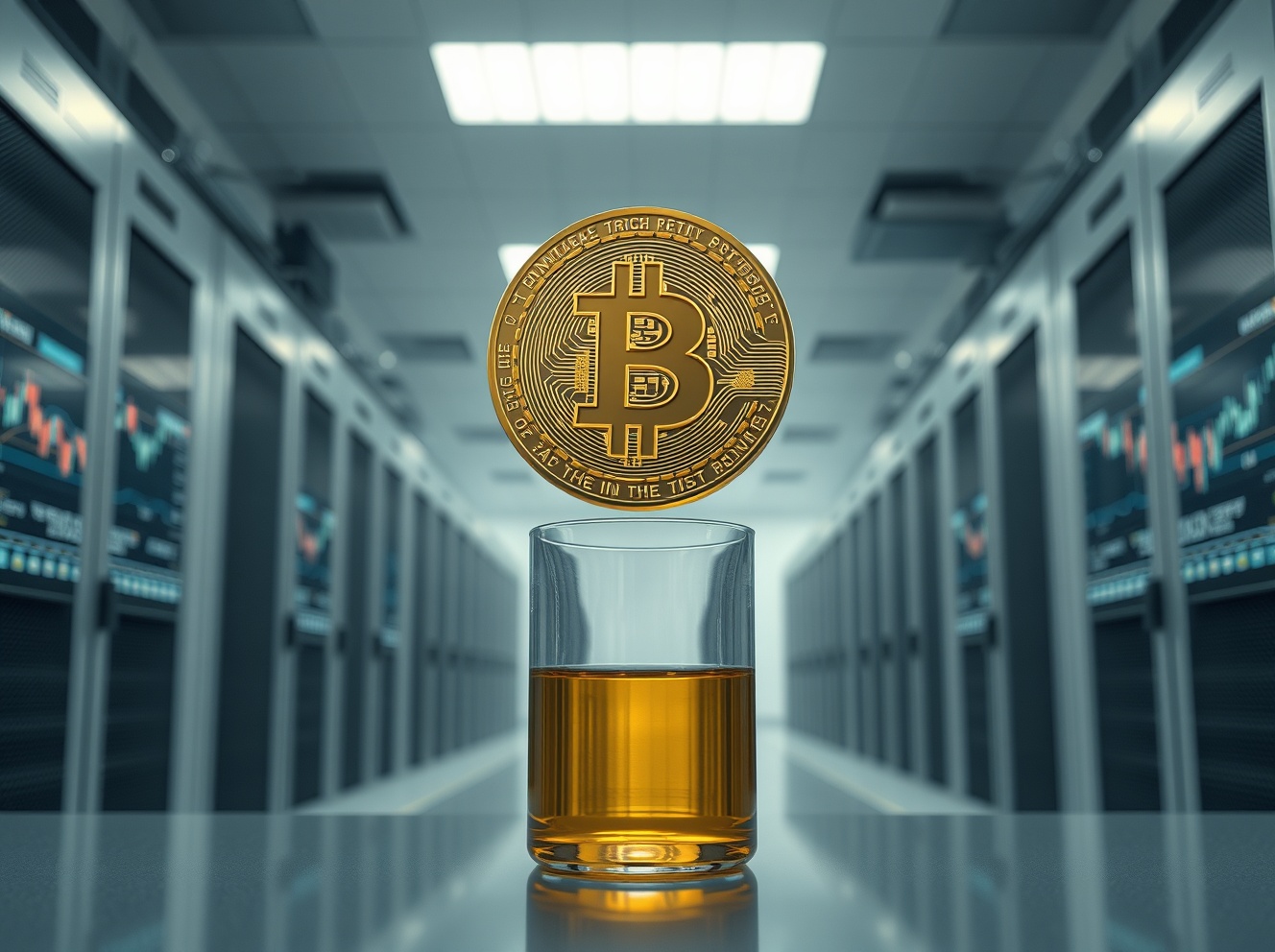
Bitcoin Shatters Oil Price Correlation Myth: Binance Research Reveals Independent Growth Trajectory
New research from Binance Research delivers a groundbreaking revelation about Bitcoin’s market behavior, fundamentally challenging conventional wisdom about cryptocurrency correlations with traditional commodities. The comprehensive analysis, published this week, demonstrates that Bitcoin maintains no significant long-term correlation with crude oil prices, establishing its position as an independent asset class with distinct market drivers. This finding emerges during a period of heightened geopolitical tension affecting global energy markets, providing crucial insights for investors navigating volatile financial landscapes.
Bitcoin’s Independent Market Trajectory Confirmed
Binance Research conducted an exhaustive examination of ten years of market data, analyzing price movements across multiple economic cycles and geopolitical events. The research team employed sophisticated statistical methods to measure correlation coefficients between Bitcoin and various crude oil benchmarks, including Brent and West Texas Intermediate. Their findings reveal correlation values consistently hovering near zero for extended periods, with only occasional, temporary spikes during extreme market conditions.
This independence becomes particularly evident during recent market developments. While oil prices experienced significant volatility due to the Strait of Hormuz blockade and related supply concerns, Bitcoin demonstrated remarkable resilience and upward momentum. The cryptocurrency not only maintained its value but actually outperformed traditional safe-haven assets like gold and major stock indices during the same period. This performance pattern reinforces Bitcoin’s evolving role in global portfolios.
Institutional Demand Drives Bitcoin’s Current Rally
The current Bitcoin rally, according to Binance Research analysis, stems primarily from structural shifts in investor composition rather than commodity price movements. Several key factors contribute to this institutional-led demand surge:
- Spot Bitcoin ETF Inflows: Regulatory approval and subsequent adoption of spot Bitcoin ETFs have created substantial new demand channels
- Corporate Treasury Purchases: Public companies continue adding Bitcoin to balance sheets as a treasury reserve asset
- Macro Hedge Positioning: Institutional investors increasingly allocate to Bitcoin as a hedge against currency debasement
- Infrastructure Development: Improved custody solutions and regulatory clarity enhance institutional participation
These demand drivers operate independently of energy market dynamics, creating what analysts describe as a “decoupling effect” from traditional commodity correlations. The research indicates that while oil price movements may temporarily increase overall market volatility, they do not determine Bitcoin’s fundamental price direction.
Historical Context and Market Evolution
To understand Bitcoin’s current independence, we must examine its evolutionary journey through previous market cycles. During Bitcoin’s early years, some analysts speculated about potential correlations with various commodities, including gold and oil, as investors sought reference points for valuing the novel asset. However, as Bitcoin matured and developed its own market infrastructure, these perceived correlations gradually diminished.
The 2020-2021 period provided particularly instructive data points. While oil prices experienced unprecedented volatility during pandemic-related demand shocks, Bitcoin embarked on a sustained bull market driven by monetary policy responses and growing institutional adoption. This divergence became even more pronounced during 2022-2023 energy market disruptions, further solidifying Bitcoin’s independent market dynamics.
Oil Prices as Volatility Amplifiers, Not Directional Drivers
Binance Research clarifies an important distinction in their analysis: while oil prices don’t determine Bitcoin’s directional movement, they can influence short-term volatility patterns. During periods of extreme oil price fluctuations, particularly those driven by geopolitical events or supply disruptions, Bitcoin markets may experience heightened volatility as capital reallocates across asset classes. However, this volatility typically represents temporary noise rather than sustained correlation.
The research identifies specific mechanisms through which oil prices might indirectly affect cryptocurrency markets:
| Transmission Channel | Impact Mechanism | Typical Duration |
|---|---|---|
| Risk Sentiment Spillover | Broad market risk aversion affects all speculative assets | Days to weeks |
| Liquidity Effects | Central bank responses to oil shocks alter money supply | Weeks to months |
| Portfolio Rebalancing | Investors adjust allocations across correlated assets | Immediate to days |
These transmission channels create temporary correlations that statistical analysis might detect over short timeframes, but they don’t establish the sustained, long-term relationships that characterize truly correlated assets.
Expert Perspectives on Market Independence
Financial analysts and cryptocurrency researchers have increasingly recognized Bitcoin’s evolving market dynamics. Dr. Elena Rodriguez, a financial economist specializing in asset correlations at Cambridge University, notes: “Bitcoin’s maturation as an asset class naturally leads to decoupling from traditional commodities. Early correlations often reflected Bitcoin’s search for identity among established assets, but its unique properties and adoption patterns now drive independent valuation.”
This perspective aligns with broader trends in cryptocurrency research. Multiple academic studies published in peer-reviewed finance journals during 2024-2025 have documented decreasing correlations between Bitcoin and various traditional asset classes, supporting Binance Research’s conclusions about oil price independence.
Implications for Portfolio Construction and Risk Management
The research findings carry significant implications for investment strategy and risk management. Portfolio managers can now approach Bitcoin allocation with greater confidence in its diversification benefits, knowing that oil price exposure represents a minimal consideration. This independence becomes particularly valuable during energy market crises, when traditional diversification strategies often fail due to correlated downturns across commodity-linked assets.
Several practical applications emerge from this analysis:
- Enhanced Diversification: Bitcoin provides genuine portfolio diversification relative to energy-sensitive assets
- Risk Modeling Accuracy: Portfolio risk models can exclude spurious oil-Bitcoin correlations
- Strategic Allocation: Investors can size Bitcoin positions based on crypto-specific factors rather than energy outlook
- Hedging Strategy Refinement: Bitcoin serves as a more reliable hedge against specific risks unrelated to commodities
These applications gain importance as institutional adoption accelerates and Bitcoin becomes integrated into mainstream investment frameworks.
Conclusion
Binance Research delivers conclusive evidence that Bitcoin operates independently from crude oil price movements, establishing itself as a distinct asset class with unique market drivers. The comprehensive ten-year analysis reveals no significant long-term correlation between these assets, despite occasional short-term volatility interactions. Bitcoin’s current market performance, particularly its resilience during energy market disruptions, demonstrates its maturation beyond early commodity comparisons. This independence, driven primarily by institutional demand through ETFs and corporate adoption, reinforces Bitcoin’s evolving role in global finance and provides crucial insights for investors navigating complex market relationships. The Bitcoin correlation with oil prices remains negligible, confirming the cryptocurrency’s distinctive position in the financial ecosystem.
FAQs
Q1: What methodology did Binance Research use to analyze Bitcoin-oil correlations?
The research team employed ten years of historical price data, calculating rolling correlation coefficients using advanced statistical models. They examined multiple timeframes and controlled for external variables like monetary policy changes and major geopolitical events to isolate the true relationship between assets.
Q2: Does this mean Bitcoin is completely unaffected by oil price movements?
While the research shows no long-term directional correlation, oil price shocks can temporarily increase overall market volatility. However, these effects don’t determine Bitcoin’s fundamental price direction and typically dissipate quickly as market participants process the information.
Q3: How does Bitcoin’s independence from oil compare to its relationship with other assets?
Bitcoin shows varying degrees of correlation with different assets. It maintains low correlation with most commodities, moderate correlation with technology stocks during certain periods, and occasionally exhibits inverse correlation with the US dollar during risk-off market environments.
Q4: What are the main drivers of Bitcoin’s price if not commodity correlations?
Primary drivers include institutional adoption through ETFs, corporate treasury purchases, network adoption metrics, regulatory developments, monetary policy expectations, and technological advancements in the Bitcoin ecosystem. These factors operate independently of traditional commodity markets.
Q5: How should investors adjust their strategies based on this research?
Investors can approach Bitcoin allocation with greater confidence in its diversification benefits relative to energy-sensitive assets. Portfolio construction should focus on Bitcoin-specific fundamentals rather than energy market outlooks, and risk models should exclude spurious correlations with oil prices.
This post Bitcoin Shatters Oil Price Correlation Myth: Binance Research Reveals Independent Growth Trajectory first appeared on BitcoinWorld.


You May Also Like

SHIB and Pi Move Sideways, BlockDAG Takes the Market Lead With a Live Casino and Utility Stack! Is It the Best Crypto to Buy Now?
Sui (SUI) Jumps 50% on Staking Surge and Stablecoin Plans