As digital tools reshape the way societies organize themselves, the concept of network states is gaining attention within the crypto community. These emerging virtual communities aim to leverage blockchain technologies to create new forms of sovereignty, challenging traditional nation-states. While still in early stages, the development of these decentralized digital entities raises questions about the [...]As digital tools reshape the way societies organize themselves, the concept of network states is gaining attention within the crypto community. These emerging virtual communities aim to leverage blockchain technologies to create new forms of sovereignty, challenging traditional nation-states. While still in early stages, the development of these decentralized digital entities raises questions about the [...]

Why Network States Are the Future and the Death of the Nation-State Model
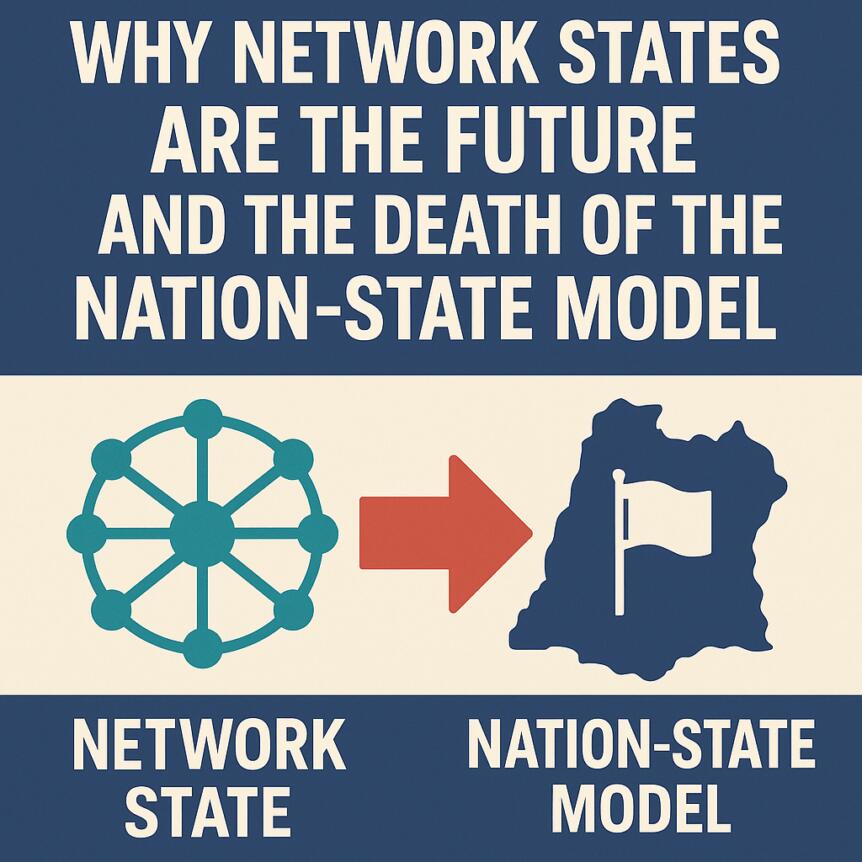
Why Network States Are The Future And The Death Of The Nation-State Model
As digital tools reshape the way societies organize themselves, the concept of network states is gaining attention within the crypto community. These emerging virtual communities aim to leverage blockchain technologies to create new forms of sovereignty, challenging traditional nation-states. While still in early stages, the development of these decentralized digital entities raises questions about the future role of traditional governance in an increasingly interconnected world.
  • Experts believe the relevance of traditional nation-states is waning amid digital innovation.
  • Blockchain tools such as cryptocurrencies, smart contracts, and DAOs enable new forms of governance and community-building.
  • Efforts like Bitnation and other micronations have attempted to establish digital states, but none have achieved full sovereignty.
  • Established governments may respond through regulation, litigation, or military actions to curb emerging network states.
  • The evolution of network states reflects the core values of decentralization, transparency, and privacy inherent in crypto culture.

The traditional nation-state, a political structure dating back nearly 380 years, faces increasing challenges from the capabilities offered by modern blockchain technology and the internet. Jarrad Hope, author of “Farewell to Westphalia” and co-founder of Logos, a project developing blockchain solutions for digital sovereignty, suggests that society’s organizational landscape is at a crossroads.

“Modern nation-states are nearly 380 years old, predating even the scientific discovery of oxygen and gravity,” Hope told it. “The internet and blockchain present new tools for organizing society that allow people to build across geographies.”

These tools include cryptocurrencies resistant to inflation, tamper-proof ledgers, smart contract platforms for automated legal and financial agreements, privacy-preserving protocols, and decentralized autonomous organizations (DAOs) that enable transparent governance. Hope emphasized:

However, Hope notes that the primary obstacle to creating fully autonomous network states lies in resistance from established nation-states and large institutions, including multinational corporations. He points to the UK Online Safety Act as an example of centralized efforts to control digital infrastructure, underscoring the ongoing tug-of-war between decentralization advocates and centralized authorities.

The idea of network states—virtual nations built on blockchain and distributed governance—remains popular within the crypto community, rooted in decentralization, transparency, equal access, and privacy. These principles echo the cypherpunk ethos that fostered the development of cryptocurrencies like Bitcoin and Ethereum.

Related: The EU’s two-tier encryption vision is digital feudalism

Network states are still in their infancy, and blockchain alone is insufficient for full sovereignty

Various attempts to establish these digital nations date back to projects like Bitnation in 2014, which aimed to create a borderless, blockchain-driven state. Yet, none of these efforts have yet succeeded in forming fully autonomous, functioning network states that operate as sovereign entities in cyberspace.
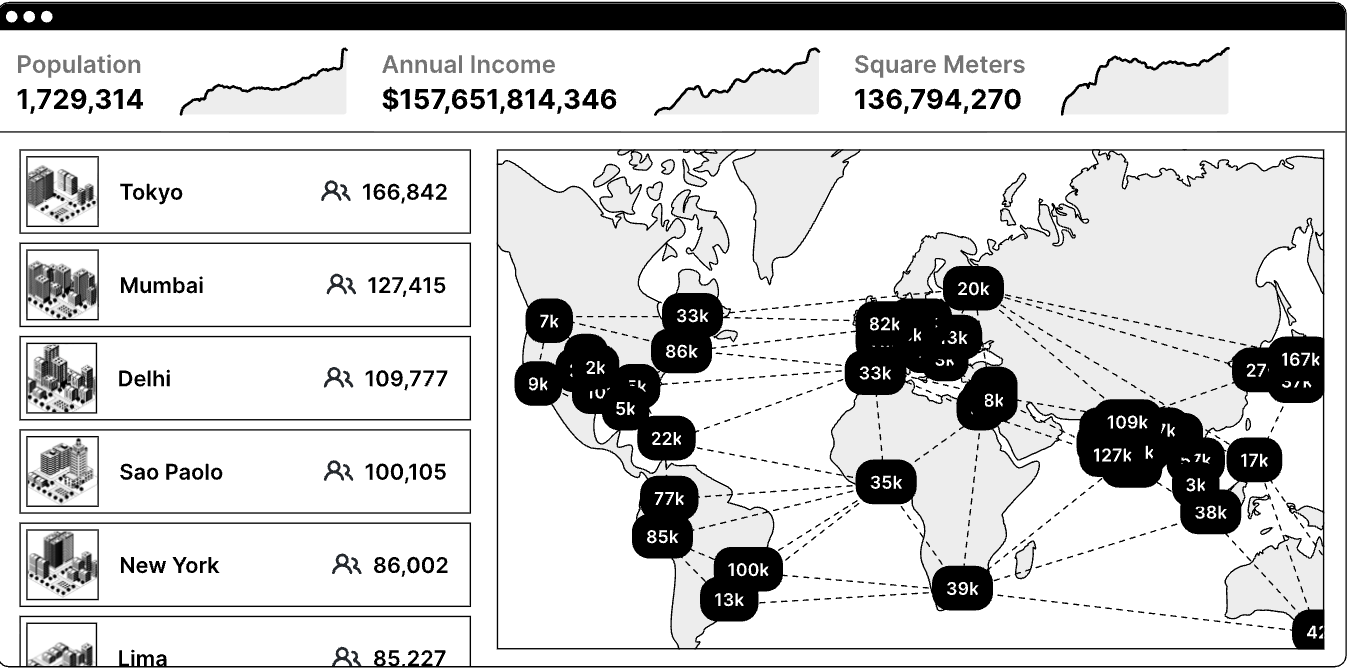
Decentralization, Privacy, Freedom, CypherpunksAn illustrated example of a network state. Source: The Network State

Experts from the crypto industry, including Hope, warn that as these digital communities evolve, existing nation-states will seek to undermine them through regulation, legal challenges, or even military means. Such measures aim to protect sovereignty and prevent the rise of competitor models that threaten the current geopolitical order.

This ongoing tension highlights the transformative potential of blockchain and crypto for governance, which continues to inspire enthusiasts and developers alike. While the journey toward fully realized network states is still underway, the core values driving this movement remain influential across digital and traditional spheres.

This article was originally published as Why Network States Are the Future and the Death of the Nation-State Model on Crypto Breaking News – your trusted source for crypto news, Bitcoin news, and blockchain updates.


Market Opportunity
WHY Logo
WHY Price(WHY)
$0.00000001433
$0.00000001433$0.00000001433
0.00%
USD
WHY (WHY) Live Price Chart
Disclaimer: The articles reposted on this site are sourced from public platforms and are provided for informational purposes only. They do not necessarily reflect the views of MEXC. All rights remain with the original authors. If you believe any content infringes on third-party rights, please contact service@support.mexc.com for removal. MEXC makes no guarantees regarding the accuracy, completeness, or timeliness of the content and is not responsible for any actions taken based on the information provided. The content does not constitute financial, legal, or other professional advice, nor should it be considered a recommendation or endorsement by MEXC.

You May Also Like

CEO Sandeep Nailwal Shared Highlights About RWA on Polygon

CEO Sandeep Nailwal Shared Highlights About RWA on Polygon

The post CEO Sandeep Nailwal Shared Highlights About RWA on Polygon appeared on BitcoinEthereumNews.com. Polygon CEO Sandeep Nailwal highlighted Polygon’s lead in global bonds, Spiko US T-Bill, and Spiko Euro T-Bill. Polygon published an X post to share that its roadmap to GigaGas was still scaling. Sentiments around POL price were last seen to be bearish. Polygon CEO Sandeep Nailwal shared key pointers from the Dune and RWA.xyz report. These pertain to highlights about RWA on Polygon. Simultaneously, Polygon underlined its roadmap towards GigaGas. Sentiments around POL price were last seen fumbling under bearish emotions. Polygon CEO Sandeep Nailwal on Polygon RWA CEO Sandeep Nailwal highlighted three key points from the Dune and RWA.xyz report. The Chief Executive of Polygon maintained that Polygon PoS was hosting RWA TVL worth $1.13 billion across 269 assets plus 2,900 holders. Nailwal confirmed from the report that RWA was happening on Polygon. The Dune and https://t.co/W6WSFlHoQF report on RWA is out and it shows that RWA is happening on Polygon. Here are a few highlights: – Leading in Global Bonds: Polygon holds 62% share of tokenized global bonds (driven by Spiko’s euro MMF and Cashlink euro issues) – Spiko U.S.… — Sandeep | CEO, Polygon Foundation (※,※) (@sandeepnailwal) September 17, 2025 The X post published by Polygon CEO Sandeep Nailwal underlined that the ecosystem was leading in global bonds by holding a 62% share of tokenized global bonds. He further highlighted that Polygon was leading with Spiko US T-Bill at approximately 29% share of TVL along with Ethereum, adding that the ecosystem had more than 50% share in the number of holders. Finally, Sandeep highlighted from the report that there was a strong adoption for Spiko Euro T-Bill with 38% share of TVL. He added that 68% of returns were on Polygon across all the chains. Polygon Roadmap to GigaGas In a different update from Polygon, the community…
Share
BitcoinEthereumNews2025/09/18 01:10
S2 Capital Acquires Ovaltine Apartments, Marking Entry into the Chicago Market

S2 Capital Acquires Ovaltine Apartments, Marking Entry into the Chicago Market

DALLAS, Dec. 22, 2025 /PRNewswire/ — S2 Capital (“S2”), a national vertically integrated real estate investment manager, today announced the acquisition of Ovaltine
Share
AI Journal2025/12/23 12:30
US Spot ETH ETFs See $84.59M Net Inflow, Shattering 7-Day Outflow Streak

US Spot ETH ETFs See $84.59M Net Inflow, Shattering 7-Day Outflow Streak

The post US Spot ETH ETFs See $84.59M Net Inflow, Shattering 7-Day Outflow Streak appeared on BitcoinEthereumNews.com. Stunning Reversal: US Spot ETH ETFs See $
Share
BitcoinEthereumNews2025/12/23 12:22