

Satoshi Bitcoin Holdings Face Quantum Risk, Report Says
TLDR
- Bloomberg reported that dormant Bitcoin wallets linked to Satoshi could face future quantum hacking risks.
- Satoshi controls about 1.1 million BTC, which equals roughly 5% of Bitcoin’s maximum supply.
- Analysts estimate that 2.3 million Bitcoin remain permanently dormant due to lost keys and early holder deaths.
- The 2024 liquidation of 50,000 BTC by German authorities triggered a broad market sell-off.
- Google Quantum AI released a March 2026 whitepaper that reduced the required quantum hardware by a factor of 20.
Bloomberg reported that dormant Bitcoin wallets linked to Satoshi Nakamoto could face future quantum hacking risks. The report challenged long-held assumptions that these coins would never move. It also warned that any breach could disrupt crypto markets through sudden supply shocks.
Satoshi Holdings and Dormant Supply Risks
Bloomberg stated that Satoshi controls about 1.1 million BTC, roughly 5% of Bitcoin’s 21 million supply. The report explained that early miners left many wallets untouched for over a decade. It added that lost keys and deaths locked away an estimated 2.3 million coins permanently.
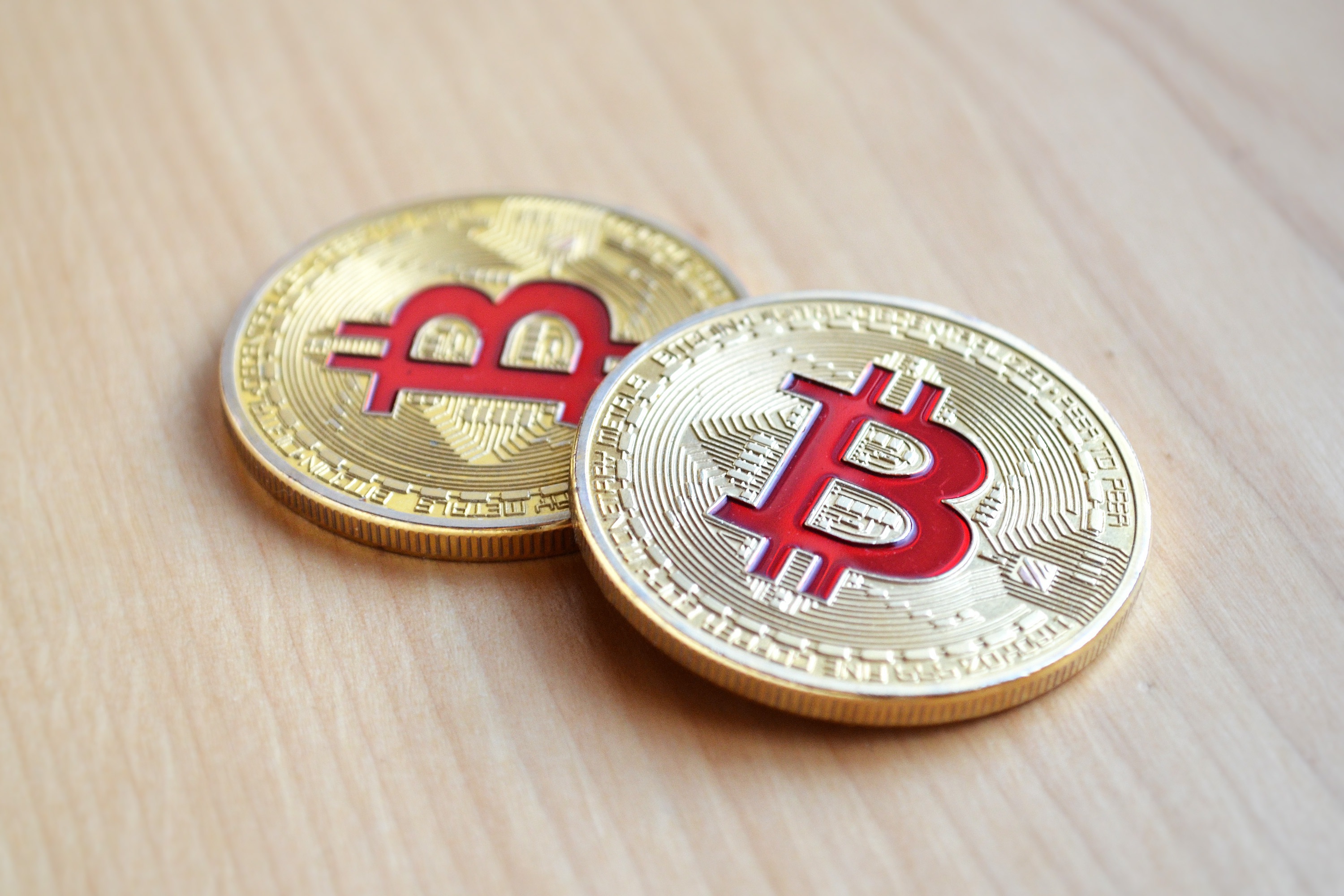
However, researchers now question whether quantum advances could unlock those wallets. Bloomberg wrote that quantum machines may break current cryptographic protections over time. It quoted analysts who said, “Dormant wallets may no longer remain inaccessible forever.”
The report recalled that Satoshi handed control of Bitcoin to developers in 2011. He then disappeared from public communication channels without explanation. Since then, his coins have never moved on the blockchain.
Market participants have treated those holdings as a permanently inactive supply. Therefore, pricing models often exclude them from circulating supply metrics. Any forced movement would change those assumptions instantly.
Bloomberg pointed to a recent example from 2024. German authorities seized and liquidated 50,000 BTC from criminal cases. That sale triggered a broad market decline across exchanges.
Traders reacted quickly because new supply entered open markets within days. Consequently, Bitcoin prices dropped sharply during the liquidation period. Analysts said a much larger release could amplify that reaction.
If hackers accessed over two million coins, exchanges would face intense selling pressure. Bloomberg warned that such a dump could overwhelm buy orders. The report described that outcome as a potential “unprecedented price collapse.”
Quantum Breakthrough and Network Upgrade Debate
The anxiety increased after Google Quantum AI released a whitepaper in March 2026. Researchers described algorithm optimizations that reduced hardware needs by twenty times. Bloomberg said this improvement lowered barriers for quantum cryptanalysis.
Scientists explained that Bitcoin relies on elliptic curve cryptography for wallet security. Quantum algorithms such as Shor’s algorithm threaten that system. The whitepaper argued that scaling quantum hardware now requires fewer qubits than before.
They clarified that practical attacks still require large-scale machines. However, they acknowledged rapid development in quantum engineering.
The Bitcoin network has not yet implemented post-quantum cryptography standards. Developers have discussed migration paths but reached no consensus. Some community members advocate burning dormant coins if keys break.
Others argue that protocol neutrality requires leaving all coins untouched. They maintain that altering balances would violate Bitcoin’s core rules. Any such change would require a coordinated hard fork.
Creating a fork demands agreement from miners, nodes, and exchanges worldwide. Previous forks have divided communities and created separate chains. Therefore, governance discussions remain complex and unresolved.
Bloomberg concluded that the industry must consider post-quantum cryptography upgrades. It reported that researchers and developers continue evaluating technical proposals. The whitepaper’s March 2026 release remains the latest documented development.
The post Satoshi Bitcoin Holdings Face Quantum Risk, Report Says appeared first on CoinCentral.


You May Also Like

What Happened, Who Lost Money, and What’s Next – Featured Bitcoin News

Strait of Hormuz: President Trump’s Strategic Pivot to Reopen Critical Shipping Lane




