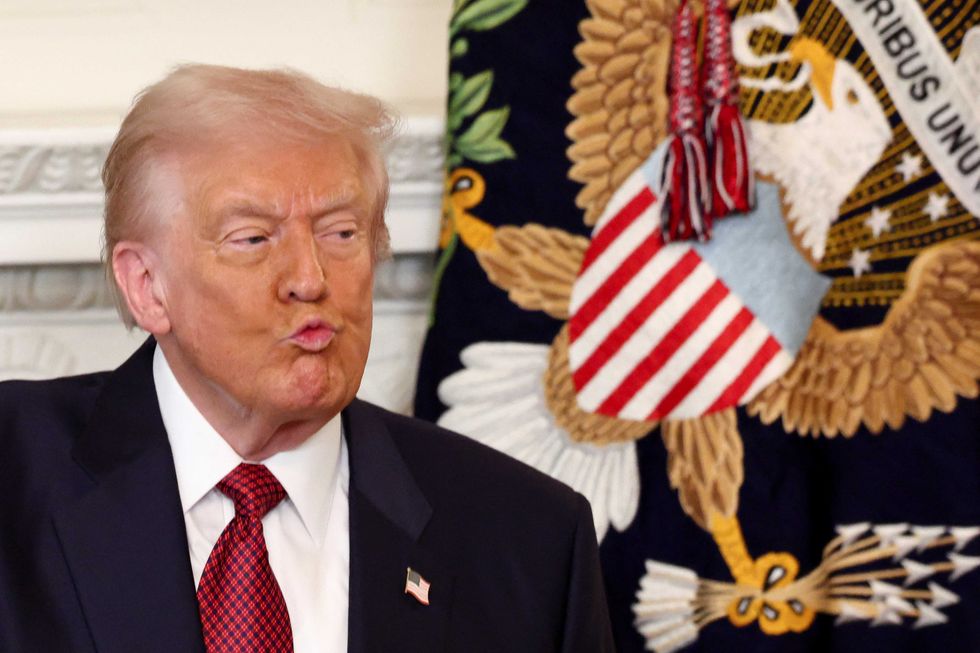
Global markets brace for impact as US-Iran ceasefire nears, amid ongoing Middle East tensions.
Key takeaways
- A permanent ceasefire may be reached soon between the US and Iran, impacting global markets.
- Supply chain disruptions continue to keep a significant amount of oil out of the marketplace.
- Food prices are rising due to various supply chain factors affecting the economy.
- Iran is allowing boats to pass through the Strait of Hormuz with permission, despite tensions.
- There is a risk of renewed conflict in the Middle East despite ceasefire agreements.
- Iran is not primarily being paid in crypto for maritime passage, clarifying misconceptions.
- Iran has de facto control over the Strait of Hormuz, influencing maritime traffic.
- The US has historically mishandled its approach to Iran, allowing resource accumulation.
- Lasting peace in the Middle East is still a long way off due to ongoing tensions.
- De-escalating military conflicts requires both sides to walk back their demands.
- Geopolitical tensions are impacting energy markets and global supply chains.
- The operational status of the Strait of Hormuz is critical for assessing global shipping.
Guest intro
Mert Mumtaz is the co-founder and CEO of Helius, a developer infrastructure platform providing RPCs, webhooks, and APIs for building on Solana. Prior to Helius, he worked as a software engineer on Coinbase’s platform team, where he developed a strong interest in Solana and built NFT bots for its ecosystem.
Geopolitical dynamics and energy markets
-
— Mert
-
— Mert
- Understanding the geopolitical context between the US and Iran is crucial for market predictions.
-
— Mert
-
— Mert
- Geopolitical tensions have significant implications for energy markets and global supply chains.
-
— Mert
-
— Mert
Supply chain disruptions and economic impacts
-
— Mert
- Understanding the interconnectedness of supply chains is key to grasping food pricing dynamics.
- Supply chain disruptions are keeping significant amounts of oil out of the marketplace.
- The impact of geopolitical tensions on energy markets is critical for understanding price dynamics.
-
— Mert
- Rising food prices have broader economic implications due to supply chain complexities.
- The global oil supply is affected by ongoing geopolitical tensions and supply chain issues.
-
— Mert
The Strait of Hormuz and maritime negotiations
-
— Mert
- Iran’s influence over maritime traffic in the Strait of Hormuz is significant for global shipping.
-
— Mert
- The operational status of the Strait is critical for assessing global shipping and oil markets.
-
— Mert
- Understanding the geopolitical dynamics in the Strait is essential for maritime negotiations.
- The complexity of Iran’s payment methods in maritime negotiations highlights the situation’s intricacies.
-
— Mert
Historical context of US-Iran relations
-
— Mert
- Understanding the historical context of US-Iran relations is crucial for evaluating foreign policy.
-
— Mert
- A consensus exists among officials across multiple administrations regarding Iran policy.
- The historical context of US-Iran relations influences current geopolitical tensions.
-
— Mert
- Evaluating past US foreign policy provides insights into current geopolitical dynamics.
- The perspectives of various administrations highlight the complexity of US-Iran relations.
Conflict resolution and de-escalation strategies
-
— Mert
- Understanding the complexities of military negotiations is key to conflict resolution.
-
— Mert
- The dynamics of conflict resolution involve both sides compromising on demands.
- De-escalation strategies are crucial for achieving peace in conflict regions.
-
— Mert
- The process of de-escalation is challenging due to the complexities of military negotiations.
- Effective conflict resolution requires understanding the dynamics of military negotiations.
Future outlook for Middle Eastern peace
-
— Mert
- The ongoing complexities in Middle Eastern geopolitics suggest resolution is not imminent.
-
— Mert
- Geopolitical tensions in the Middle East continue to pose challenges for peace efforts.
- Understanding the current geopolitical tensions is crucial for assessing the future outlook.
- The potential instability in the region is a critical factor for investors and policymakers.
- Lasting peace requires addressing the complexities and tensions in Middle Eastern geopolitics.
- The future outlook for peace in the region is influenced by historical conflicts and ongoing tensions.
Global markets brace for impact as US-Iran ceasefire nears, amid ongoing Middle East tensions.
Key takeaways
- A permanent ceasefire may be reached soon between the US and Iran, impacting global markets.
- Supply chain disruptions continue to keep a significant amount of oil out of the marketplace.
- Food prices are rising due to various supply chain factors affecting the economy.
- Iran is allowing boats to pass through the Strait of Hormuz with permission, despite tensions.
- There is a risk of renewed conflict in the Middle East despite ceasefire agreements.
- Iran is not primarily being paid in crypto for maritime passage, clarifying misconceptions.
- Iran has de facto control over the Strait of Hormuz, influencing maritime traffic.
- The US has historically mishandled its approach to Iran, allowing resource accumulation.
- Lasting peace in the Middle East is still a long way off due to ongoing tensions.
- De-escalating military conflicts requires both sides to walk back their demands.
- Geopolitical tensions are impacting energy markets and global supply chains.
- The operational status of the Strait of Hormuz is critical for assessing global shipping.
Guest intro
Mert Mumtaz is the co-founder and CEO of Helius, a developer infrastructure platform providing RPCs, webhooks, and APIs for building on Solana. Prior to Helius, he worked as a software engineer on Coinbase’s platform team, where he developed a strong interest in Solana and built NFT bots for its ecosystem.
Geopolitical dynamics and energy markets
-
— Mert
-
— Mert
- Understanding the geopolitical context between the US and Iran is crucial for market predictions.
-
— Mert
-
— Mert
- Geopolitical tensions have significant implications for energy markets and global supply chains.
-
— Mert
-
— Mert
Supply chain disruptions and economic impacts
-
— Mert
- Understanding the interconnectedness of supply chains is key to grasping food pricing dynamics.
- Supply chain disruptions are keeping significant amounts of oil out of the marketplace.
- The impact of geopolitical tensions on energy markets is critical for understanding price dynamics.
-
— Mert
- Rising food prices have broader economic implications due to supply chain complexities.
- The global oil supply is affected by ongoing geopolitical tensions and supply chain issues.
-
— Mert
The Strait of Hormuz and maritime negotiations
-
— Mert
- Iran’s influence over maritime traffic in the Strait of Hormuz is significant for global shipping.
-
— Mert
- The operational status of the Strait is critical for assessing global shipping and oil markets.
-
— Mert
- Understanding the geopolitical dynamics in the Strait is essential for maritime negotiations.
- The complexity of Iran’s payment methods in maritime negotiations highlights the situation’s intricacies.
-
— Mert
Historical context of US-Iran relations
-
— Mert
- Understanding the historical context of US-Iran relations is crucial for evaluating foreign policy.
-
— Mert
- A consensus exists among officials across multiple administrations regarding Iran policy.
- The historical context of US-Iran relations influences current geopolitical tensions.
-
— Mert
- Evaluating past US foreign policy provides insights into current geopolitical dynamics.
- The perspectives of various administrations highlight the complexity of US-Iran relations.
Conflict resolution and de-escalation strategies
-
— Mert
- Understanding the complexities of military negotiations is key to conflict resolution.
-
— Mert
- The dynamics of conflict resolution involve both sides compromising on demands.
- De-escalation strategies are crucial for achieving peace in conflict regions.
-
— Mert
- The process of de-escalation is challenging due to the complexities of military negotiations.
- Effective conflict resolution requires understanding the dynamics of military negotiations.
Future outlook for Middle Eastern peace
-
— Mert
- The ongoing complexities in Middle Eastern geopolitics suggest resolution is not imminent.
-
— Mert
- Geopolitical tensions in the Middle East continue to pose challenges for peace efforts.
- Understanding the current geopolitical tensions is crucial for assessing the future outlook.
- The potential instability in the region is a critical factor for investors and policymakers.
- Lasting peace requires addressing the complexities and tensions in Middle Eastern geopolitics.
- The future outlook for peace in the region is influenced by historical conflicts and ongoing tensions.
Loading more articles…
You’ve reached the end
Add us on Google
`;
}
function createMobileArticle(article) {
const displayDate = getDisplayDate(article);
const editorSlug = article.editor ? article.editor.toLowerCase().replace(/\s+/g, ‘-‘) : ”;
const captionHtml = article.imageCaption ? `
${article.imageCaption}
` : ”;
const authorHtml = article.isPressRelease ? ” : `
`;
return `
${captionHtml}
${article.subheadline ? `
${article.subheadline}
` : ”}
${createSocialShare()}
${authorHtml}
${displayDate}
${article.content}
${article.isPressRelease ? ” : article.isSponsored ? `
` : `
`}
`;
}
function createDesktopArticle(article, sidebarAdHtml) {
const editorSlug = article.editor ? article.editor.toLowerCase().replace(/\s+/g, ‘-‘) : ”;
const displayDate = getDisplayDate(article);
const captionHtml = article.imageCaption ? `
${article.imageCaption}
` : ”;
const categoriesHtml = article.categories.map((cat, i) => {
const separator = i < article.categories.length – 1 ? ‘|‘ : ”;
return `${cat}${separator}`;
}).join(”);
const desktopAuthorHtml = article.isPressRelease ? ” : `
`;
return `
${categoriesHtml}
${article.subheadline}
` : ”}
${desktopAuthorHtml}
${displayDate}
${createSocialShare()}
${captionHtml}
${article.isPressRelease ? ” : article.isSponsored ? `
` : `
`}
`;
}
function loadMoreArticles() {
if (isLoading || !hasMore) return;
isLoading = true;
loadingText.classList.remove(‘hidden’);
// Build form data for AJAX request
const formData = new FormData();
formData.append(‘action’, ‘cb_lovable_load_more’);
formData.append(‘current_post_id’, lastLoadedPostId);
formData.append(‘primary_cat_id’, primaryCatId);
formData.append(‘before_date’, lastLoadedDate);
formData.append(‘loaded_ids’, loadedPostIds.join(‘,’));
fetch(ajaxUrl, {
method: ‘POST’,
body: formData
})
.then(response => response.json())
.then(data => {
isLoading = false;
loadingText.classList.add(‘hidden’);
if (data.success && data.has_more && data.article) {
const article = data.article;
const sidebarAdHtml = data.sidebar_ad_html || ”;
// Check for duplicates
if (loadedPostIds.includes(article.id)) {
console.log(‘Duplicate article detected, skipping:’, article.id);
// Update pagination vars and try again
lastLoadedDate = article.publishDate;
loadMoreArticles();
return;
}
// Add to mobile container
mobileContainer.insertAdjacentHTML(‘beforeend’, createMobileArticle(article));
// Add to desktop container with fresh ad HTML
desktopContainer.insertAdjacentHTML(‘beforeend’, createDesktopArticle(article, sidebarAdHtml));
// Update tracking variables
loadedPostIds.push(article.id);
lastLoadedPostId = article.id;
lastLoadedDate = article.publishDate;
// Execute any inline scripts in the new content (for ads)
const newArticle = desktopContainer.querySelector(`article[data-article-id=”${article.id}”]`);
if (newArticle) {
const scripts = newArticle.querySelectorAll(‘script’);
scripts.forEach(script => {
const newScript = document.createElement(‘script’);
if (script.src) {
newScript.src = script.src;
} else {
newScript.textContent = script.textContent;
}
document.body.appendChild(newScript);
});
}
// Trigger Ad Inserter if available
if (typeof ai_check_and_insert_block === ‘function’) {
ai_check_and_insert_block();
}
// Trigger Google Publisher Tag refresh if available
if (typeof googletag !== ‘undefined’ && googletag.pubads) {
googletag.cmd.push(function() {
googletag.pubads().refresh();
});
}
} else if (data.success && !data.has_more) {
hasMore = false;
endText.classList.remove(‘hidden’);
} else if (!data.success) {
console.error(‘AJAX error:’, data.error);
hasMore = false;
endText.textContent=”Error loading more articles”;
endText.classList.remove(‘hidden’);
}
})
.catch(error => {
console.error(‘Fetch error:’, error);
isLoading = false;
loadingText.classList.add(‘hidden’);
hasMore = false;
endText.textContent=”Error loading more articles”;
endText.classList.remove(‘hidden’);
});
}
// Set up IntersectionObserver
const observer = new IntersectionObserver(function(entries) {
if (entries[0].isIntersecting) {
loadMoreArticles();
}
}, { threshold: 0.1 });
observer.observe(loadingTrigger);
})();
© Decentral Media and Crypto Briefing® 2026.
Source: https://cryptobriefing.com/mert-a-permanent-ceasefire-between-the-us-and-iran-is-imminent-supply-chain-disruptions-are-driving-up-food-prices-and-irans-control-over-the-strait-of-hormuz-is-critical-for-global-shipping-ga/