

Jordan Confirms Interception of Iranian Missiles Over Its Airspace
BitcoinWorld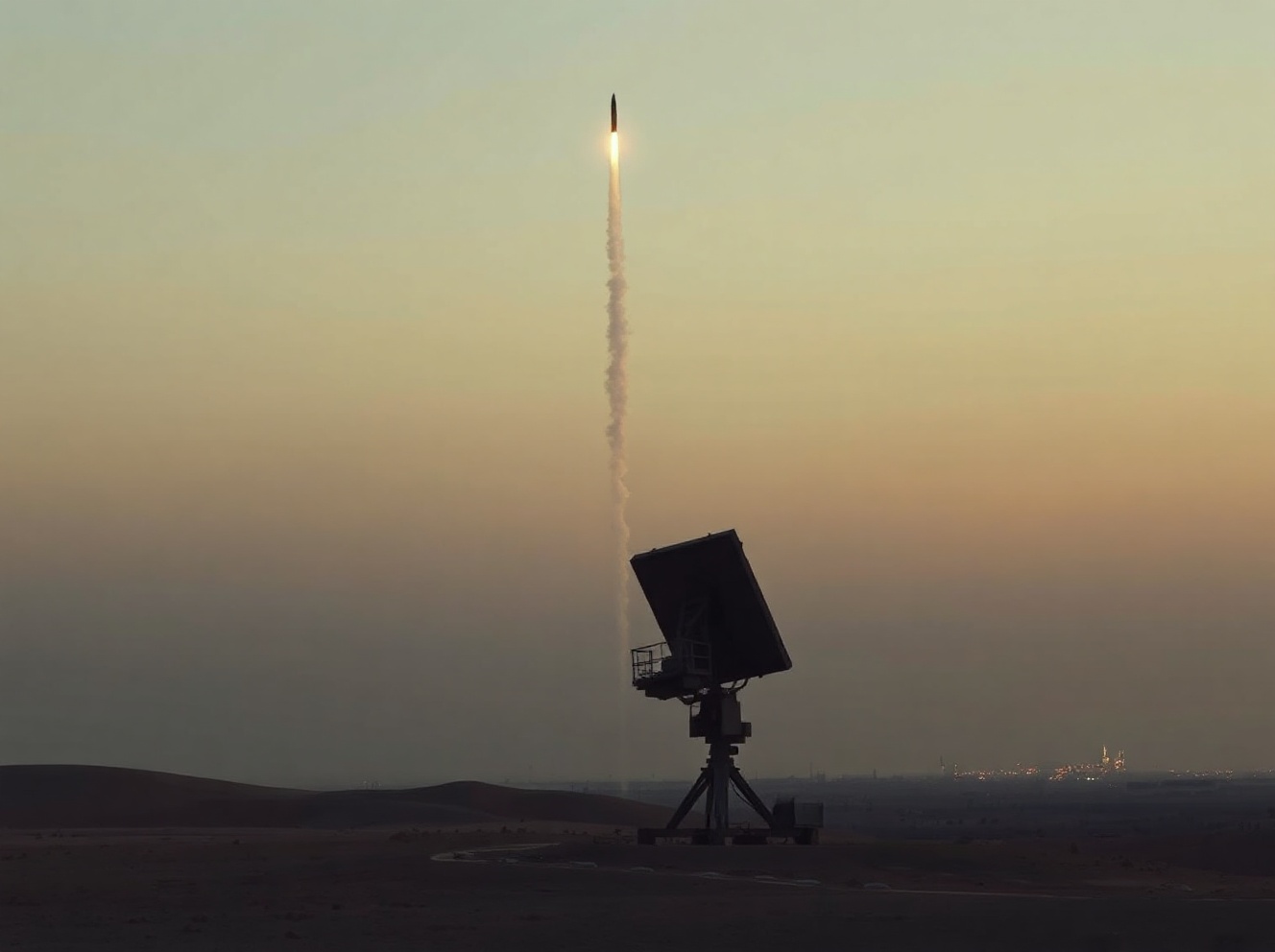
Jordan Confirms Interception of Iranian Missiles Over Its Airspace
Jordanian authorities have confirmed that its air defense systems intercepted several Iranian missiles that entered its airspace early this week, marking a significant escalation in the ongoing regional tensions. The missiles were reportedly en route to targets in Israel, according to statements from Jordan’s military spokesman.
Interception Details and Official Statements
The Jordanian Armed Forces announced in a brief statement that their air defense units successfully engaged and destroyed a number of incoming projectiles over Jordanian territory. The statement did not specify the exact number of missiles intercepted or their launch points, but confirmed that no casualties or damage were reported on Jordanian soil. This operation was conducted in coordination with allied forces, though specific partners were not named.
Military analysts note that Jordan operates a mix of American-made Patriot and older Soviet-era air defense systems, giving it a layered capability against ballistic and cruise missiles. The interception suggests that Iran’s missile trajectory passed through Jordanian airspace, which lies directly between Iran and Israel. This is not the first time Jordan has intercepted stray missiles during regional conflicts; similar incidents occurred during previous tensions between Iran and Israel.
Strategic Implications for Jordan and the Region
Jordan’s decision to intercept the missiles underscores its delicate balancing act in the Middle East. While maintaining diplomatic relations with Iran, Jordan is a key security partner of the United States and has a peace treaty with Israel. The interception signals that Amman will not tolerate its airspace being used as a corridor for attacks, regardless of the target.
Regional security experts point out that this incident could further strain Iran-Jordan relations, which have been cautiously managed since the Syrian civil war. Tehran may view the interception as a hostile act, while Israel and the U.S. will likely see it as a demonstration of Jordan’s reliability as a security partner. The timing is particularly sensitive, as Jordan has been mediating between Israel and Palestinian factions in recent months.
Impact on Civil Aviation and Airspace Management
Following the incident, Jordan temporarily closed its airspace for several hours, causing delays for commercial flights. Neighboring countries including Iraq and Saudi Arabia also reviewed their airspace security protocols. The closure highlights the broader risk that regional missile exchanges pose to civil aviation, a concern that has grown since the 2014 Malaysia Airlines MH17 tragedy over Ukraine.
The Jordanian Civil Aviation Authority stated that normal flight operations resumed after a full safety assessment. However, airlines serving the region have been advised to monitor developments closely, as further escalations could lead to additional airspace restrictions.
Conclusion
Jordan’s interception of Iranian missiles represents a significant operational and diplomatic event in the Middle East. It demonstrates the country’s defensive capabilities and its commitment to sovereignty, while also reflecting the widening geographic scope of the Iran-Israel shadow war. For readers, the story underscores how regional conflicts increasingly spill across borders, affecting not only combatants but also neutral states and civilian infrastructure. The situation remains fluid, and further updates are expected as more details emerge from military and diplomatic sources.
FAQs
Q1: Why did Jordan intercept Iranian missiles?
Jordan intercepted the missiles because they entered its sovereign airspace without authorization. Under international law, states have the right to defend their territory from unauthorized military incursions, including projectiles. Jordan’s action was also a security measure to prevent potential collateral damage to its population and infrastructure.
Q2: Could this lead to a wider conflict involving Jordan?
While the risk of escalation exists, Jordan has historically avoided direct military confrontation with Iran. The interception was a defensive act, not an offensive one. Diplomatic channels remain open, and both Iran and Jordan have incentives to avoid a direct conflict. However, the incident increases tension and may lead to stricter airspace enforcement and more cautious diplomatic exchanges.
Q3: How does this affect commercial flights to and from Jordan?
Jordan’s airspace was temporarily closed for safety checks but has since reopened. Passengers flying to or from Jordan should check with their airlines for potential delays. The incident may lead to longer flight paths for some carriers as they reroute to avoid potential conflict zones, which could increase travel time and fuel costs in the short term.
This post Jordan Confirms Interception of Iranian Missiles Over Its Airspace first appeared on BitcoinWorld.


You May Also Like

Critical USDT0 Response to Drift Hack Exposes Stark Contrast in Stablecoin Security Protocols

Myriad Taps Chainlink Oracle for 2026 World Cup Prediction Markets

Mastercard Launches AI Agent Pay System With Ripple and Solana Help



