

US CPI Data Expected to Show Inflation Accelerated in May as Higher Oil Prices Drive Up Costs
BitcoinWorld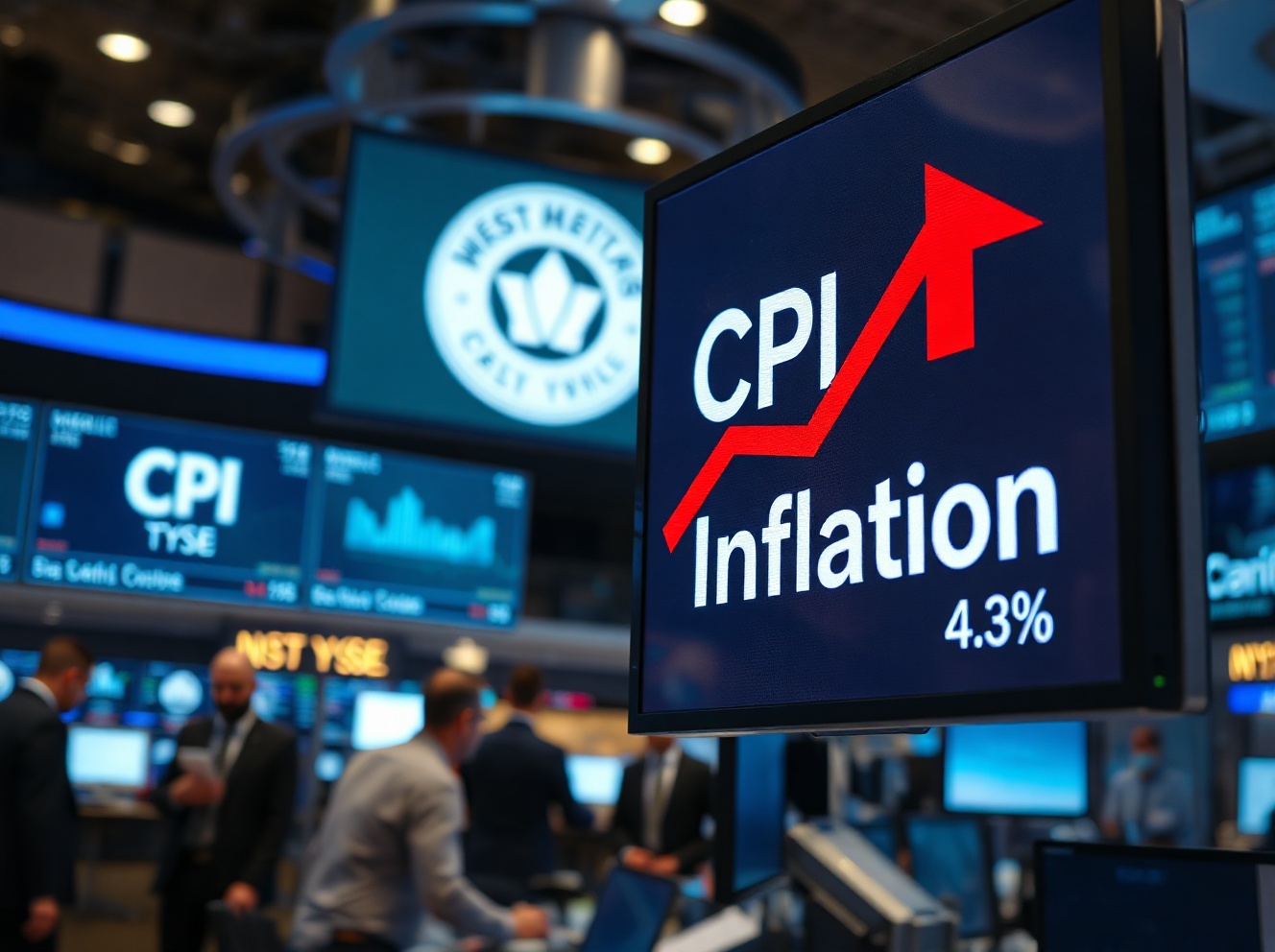
US CPI Data Expected to Show Inflation Accelerated in May as Higher Oil Prices Drive Up Costs
Economists and market analysts are bracing for the release of the US Consumer Price Index (CPI) for May, with expectations pointing to an acceleration in inflation. The anticipated uptick is largely attributed to the persistent ripple effects of elevated oil prices, which have pushed up costs across transportation, manufacturing, and consumer goods.
What the Data Is Expected to Show
The consensus among economists surveyed by major financial institutions is that headline CPI for May rose at a faster annual pace compared to April. While core CPI, which excludes volatile food and energy prices, is expected to show a more moderate increase, the headline figure is likely to draw the most attention from policymakers and investors. The key driver remains energy costs, with crude oil prices hovering near multi-month highs throughout the survey period.
Oil Prices and the Broader Economy
Rising oil prices have a cascading effect on the economy. Higher gasoline prices directly impact consumer spending power, while increased transportation and feedstock costs feed into a wide range of goods, from groceries to electronics. The May CPI report will likely reflect these pressures, providing a clearer picture of whether the recent surge in energy costs is translating into broader inflationary momentum.
Implications for the Federal Reserve
The data arrives at a critical juncture for the Federal Reserve. After a period of cooling inflation in late 2024 and early 2025, the recent uptick complicates the central bank’s path forward. Policymakers have signaled a cautious approach to rate cuts, emphasizing that they need sustained evidence of inflation moving toward the 2% target before easing monetary policy. An acceleration in May CPI could reinforce that cautious stance, delaying any potential rate reductions and keeping borrowing costs higher for longer.
What This Means for Consumers and Investors
For everyday consumers, the May CPI report is more than just a headline number. It directly influences the cost of living, from the price at the pump to the monthly grocery bill. For investors, the data will shape expectations for Fed policy, bond yields, and equity market performance. A hotter-than-expected reading could trigger a sell-off in stocks and a rally in the dollar, while a softer number might ease some of the recent market anxiety.
Conclusion
The upcoming US CPI release for May is a pivotal data point for the economy, the Federal Reserve, and financial markets. With oil prices acting as a primary accelerant, the report will offer crucial insight into whether the recent inflation slowdown was temporary or if price pressures are re-emerging. The outcome will likely influence policy decisions and market dynamics in the weeks ahead.
FAQs
Q1: When will the May US CPI data be released?
The Bureau of Labor Statistics is scheduled to release the May CPI report on June 11, 2025, at 8:30 AM Eastern Time.
Q2: How do oil prices directly affect CPI?
Oil prices impact CPI primarily through gasoline and energy costs, which are a direct component of the index. Higher oil prices also raise transportation and production costs for many goods, indirectly pushing up prices across multiple categories.
Q3: What is the difference between headline CPI and core CPI?
Headline CPI includes all items, including volatile food and energy prices. Core CPI excludes food and energy to provide a clearer view of underlying inflation trends. The Federal Reserve often focuses on core measures when setting policy, but headline CPI is more directly felt by consumers.
This post US CPI Data Expected to Show Inflation Accelerated in May as Higher Oil Prices Drive Up Costs first appeared on BitcoinWorld.


You May Also Like

Shiba Inu Price Prediction Weakens as AI Token Sector Surges 30% to $19B While Pepeto SHIB and TAO Take Different Paths

Stablecoin Mentions in U.S. SEC Filings Surge to All-Time High in Q1

BTC Price Shaky Near $67K While Oil Surges on Middle East Tensions: What's Next? (April 2 Update)



