

Why Trackii is reintroducing friction to personal finance: a chat with Toheeb Popoola
Modern personal finance apps have an ideological obsession with eliminating every point of friction and pushing a gospel of absolute automation: silent bank feeds, background syncs, and hands-off algorithmic budgeting. The message has been unyielding; the less you have to look at your spending, the better. But Toheeb Popoola and his fintech Trackii think we’ve been sold a dangerous lie.
The product designer-turned-fintech founder argues that this frictionless world exacts a heavy psychological price. “By outsourcing our daily financial awareness to background code, we haven’t actually unlocked freedom but simply surrendered control,” he argues.
“In the process of trying to remove friction, I believe we are slowly losing control of everything we do or handle,” Toheeb tells Technext. “If everything is just straightforward, yes, it makes it faster, but do you actually have a full overview of what is going on?”
Trackii was born from observing a profound, overlooked vulnerability in the global gig economy: the sudden loss of financial clarity when multiple income streams collide. Its radical design is a counter-revolution and directly challenges the foundations of modern consumer tech.
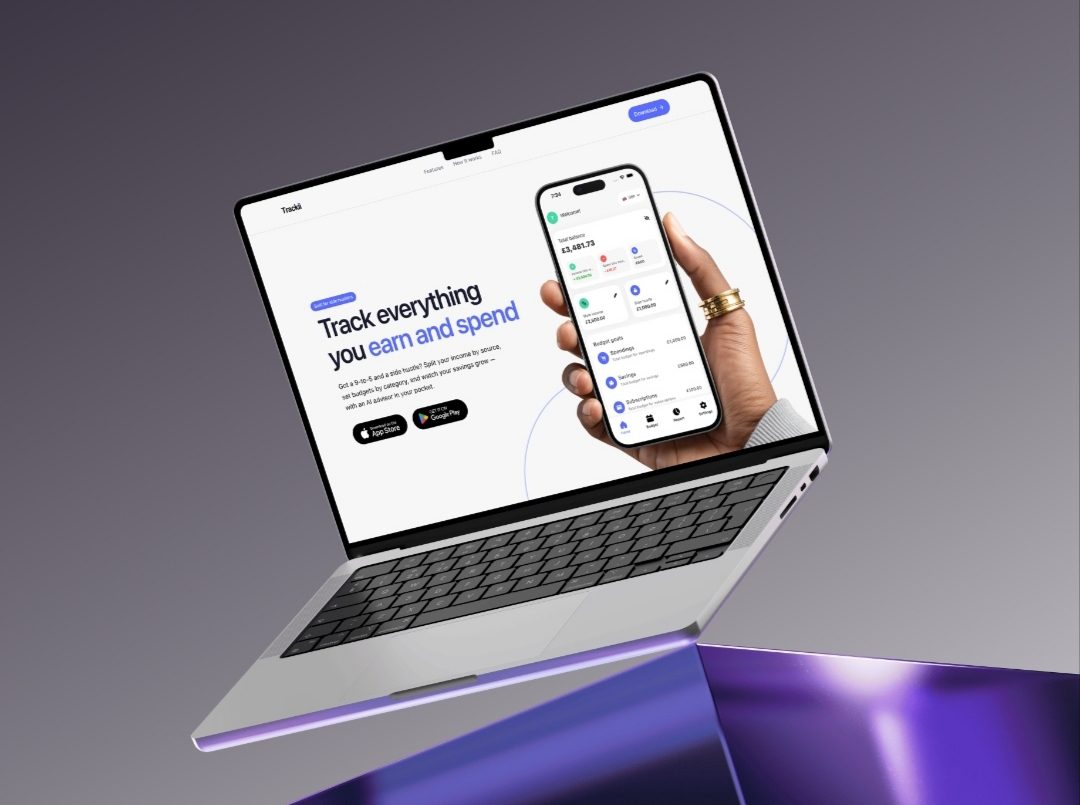
Notably, it intentionally reintroduces friction through mindful, manual logging. With this, Toheeb isn’t just launching another budgeting app; he is leading a design counter-revolution aimed at reclaiming financial mindfulness for the modern gig worker.
 Trackii
Toheeb’s scepticism toward automated finance is intensely personal. As a top-tier creative working across overlapping fields, his professional life typifies the modern gig economy. Money flows into his accounts from multiple, fragmented streams of income, quickly descending into a chaotic blur.
Traditional finance apps, built on the rigid assumption of a stable, predictable 9-to-5 pay cheque deposited into a single primary bank account once a month, fail the modern gig worker completely.
“You get to a point where everything just starts happening really fast, and then you realise you don’t have control of your finances anymore,” Toheeb explains. “How do you track this, this, and this? Money comes in from one side as a motion designer; it comes from this side as a director, from this side as an art director, and from this side as your salary. Everything just comes in and gets confusing.”
When Toheeb attempted to use existing personal finance management apps to tame the chaos, he hit a digital wall that millions of users across the global South encounter daily: the immediate, aggressive demand to link his bank accounts.
The African open-banking paradox
In Western economies, open-banking APIs like Plaid or Tink are heralded as infrastructure triumphs. But when transposed onto the African tech landscape, the architecture of total integration collides with deep-seated cultural anxieties.
“As soon as you put in your name and email, the next thing they ask for is to connect to your bank account,” Toheeb notes. “As Africans, there is already this fear that comes in at that point.’”
This fear isn’t isolated to tech-illiterate demographics. Toheeb discovered during Trackii’s rigorous research phase that even highly educated, globally exposed African professionals harbour the same visceral distrust of third-party bank integration. It wasn’t a failure of local API infrastructure or fragmented banking rails; it was a fundamental refusal by the consumer to cede the gates of their financial livelihood to an algorithm.
His design response was to make the app strictly local and privacy-first.
Every piece of data entered remains entirely on the user’s device, completely insulated from external servers or data-monetisation loops. Even Trackii’s advanced AI models, including an AI receipt scanner and an AI financial advisor designed to analyse spending habits, are built to process data locally.
 Toheeb Popoola, founder and CEO of Trackii
“We are not taking your data and keeping it somewhere or selling it to anybody,” Toheeb stresses.
Trackii: Designing for the cash and the chaos
By choosing manual entry over syncing, Trackii addresses a major blind spot in automated fintech: cash transactions. In cash-heavy, highly fragmented economic environments like Nigeria, automated bank feeds capture only a fraction of reality.
“What automated apps see is what goes through your bank,” Toheeb argues. “But what if you withdraw cash and buy something?”
The immediate critique of any app requiring manual entry is user retention. Historically, once the novelty wears off, typing in every coffee purchase or contract payout becomes a chore, leading to high drop-off rates.
Toheeb doesn’t deny this UX challenge, but he argues the alternative is worse. “In the process of trying to remove friction, we are slowly losing control of everything we do or handle,” he says.
But, Trackii’s structure forces intentionality.
When you are the one physically imputting the numbers, you are forced to look at your financial reality in real-time.
To counteract this “log fatigue”, it leverages its on-device AI receipt scanner. If a user finds manual entry too tedious after a heavy shopping trip, they can take a photo of the receipt, and the AI engine instantly logs the items while preserving absolute data anonymity.
Further, Trackii handles multi-currency budgeting with a “zero-to-zero” approach. Early beta tests revealed that real-time conversion between Naira, dollars, and pounds within the app left freelancers highly confused.
Users can enter their specific currencies raw, requiring them to manually input the calculated equivalents for their unique global revenue streams, reinforcing the golden era of active financial consciousness.
Also read: From 21 days to 24 hours: How Verto is chipping at Africa’s payment crisis
The premium gamble in a price-sensitive market
Now, Trackii is entering the market with a bold economic model: a premium subscription tier, avoiding the traditional ad-supported framework that compromises user privacy. In a market notoriously sensitive to software pricing, this is a major gamble.
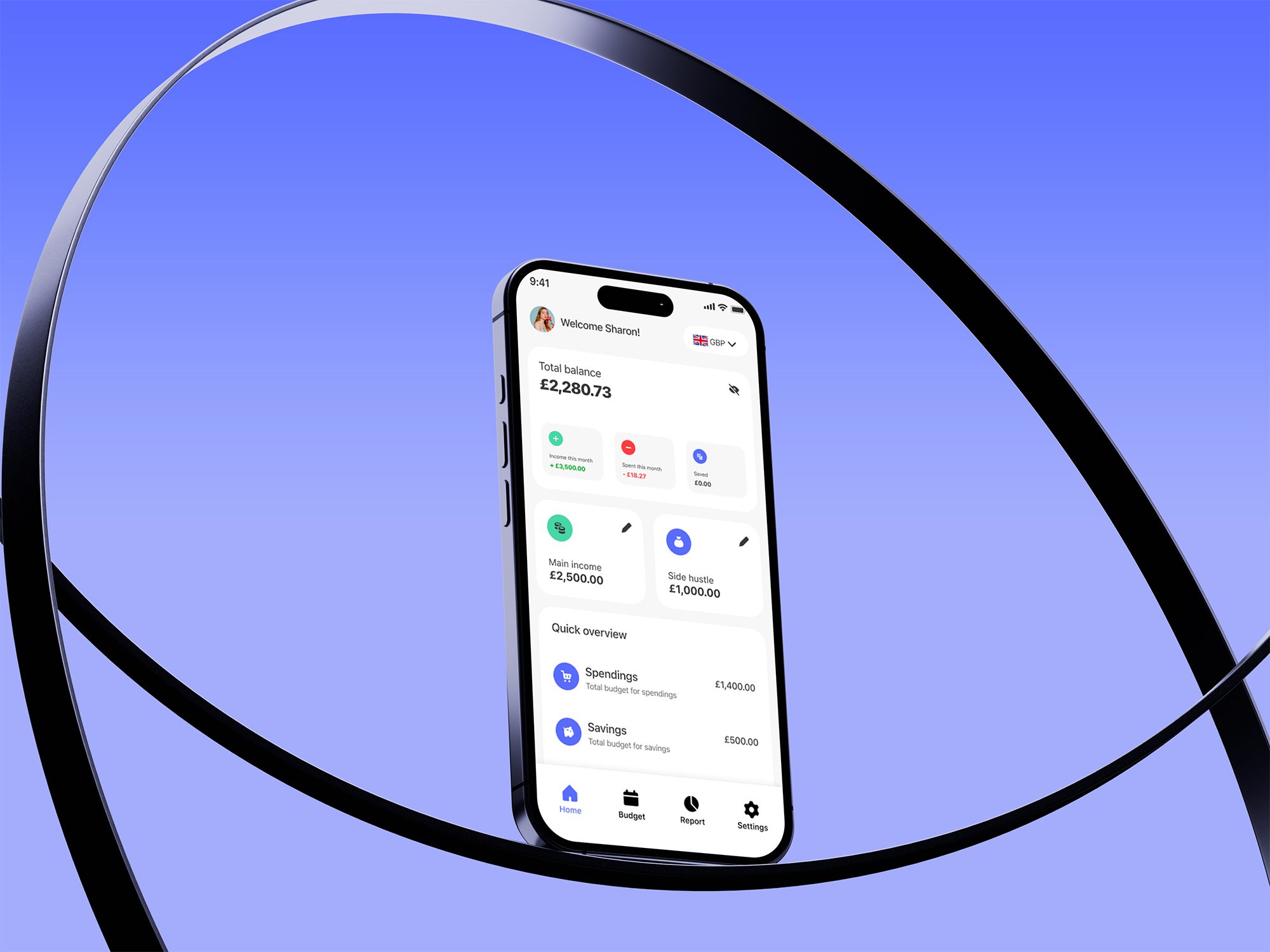
To counter this, Toheeb implemented a localised, highly strategic pricing model. While global users pay a standard $3.99 per month, the app is priced at just ₦1,000 monthly for users in Nigeria, less than the cost of a basic data plan. The core tracking functionality remains completely free, while advanced features, like the AI financial advisor and comprehensive analytical reports, sit behind the premium tier.
 Trackii
“We are tracking everything to help you live the life you want to live,” Toheeb says. “When you log your expenses yourself, you see where the money is going. If our AI advisor sees you’re spending ₦100,000 a month on shawarma, it’s going to tell you directly to cut down or suggest a cheaper alternative if you want to hit your savings goals.”
For Toheeb, success by the time the platform clocks a year wouldn’t be measured just by hitting 100,000 paying users. It is about user transformation.


You May Also Like

Dogecoin and Binance Coin Swing Hard as BlockDAG’s Limited Time Legacy Sale and $0.05 Buyback Window Tightens Fast

CNN's Abby Phillip trips up GOP insider Scott Jennings with his own Iran words

Cathie Wood Bets $529 Million on SpaceX as ARK Sells AMD and Tesla



