

White House makes promise on Strait of Hormuz, oil
"Ships of the World, start your engines. Let the oil flow!"
President Donald Trump's Truth Social post on June 14 was not subtle. He confirmed that the United States and Iran had reached an agreement to end the conflict that began in late February, and that the Strait of Hormuz, the waterway carrying roughly one-fifth of the world's oil shipments, would reopen once the deal is formally signed.
"The Deal with the Islamic Republic of Iran is now complete," president wrote. "I hereby fully authorize the toll free opening of the Strait of Hormuz, and, simultaneously herewith, authorize the immediate removal of the United States Naval blockade."
How the conflict that closed Hormuz began
The waterway has been at the center of the crisis since U.S. and Israeli strikes on February 28 killed then-Supreme Leader Ayatollah Ali Khamenei and other senior Iranian officials. Iran responded with missile strikes on U.S. bases across the Middle East, including in Jordan, the United Arab Emirates, and Qatar, and effectively closed the Strait to commercial shipping shortly after.
That closure removed roughly 20% of global petroleum exports from the market and became the central driver of the inventory drawdowns and elevated gasoline prices that have defined oil markets for the past three-and-a-half months.
Vice President JD Vance told CNBC on June 15 that the administration expects the Strait to reopen "in a toll-free way for the long term," adding that the specifics would be worked out in technical negotiations.
How the president's latest Hormuz promise differs from false starts before it
This is not the first time President Trump has claimed progress on Hormuz. In April, he announced a two-week ceasefire after Iran agreed to reopen the Strait, crediting Pakistan's mediation for the breakthrough, Al Jazeera reported at the time.
That ceasefire did not hold. By April 10, Trump was accusing Iran of doing "a very poor job" on reopening the waterway, and fighting between Israel and Hezbollah resumed in Lebanon, NPR noted.
More Oil:
- Oil executives send a blunt message to Americans on gas prices
- Goldman Sachs quietly resets oil price forecast for 2027
What separates the recent announcement is the specificity and the signing date.
Pakistani Prime Minister Shehbaz Sharif, who has mediated throughout the conflict, said a formal signing ceremony is scheduled for Friday, June 19, in Switzerland, with "pre-implementation discussions" expected before then, NBC News reported.
A specific signing location and date signal a different kind of commitment than a ceasefire revealed unilaterally on social media.
What President Trump's Hormuz statement actually authorizes
The wording of Trump's post matters because it frames the reopening as something the U.S. is authorizing rather than something Iran is granting. "With the opening of the Strait upon the signing of the Deal on Friday, for purposes of mine removal, oil will flow on both ends again for the Region, and the World," he added in a follow-up post, Al Jazeera confirmed.
The reference to "mine removal" points to a practical obstacle that goes beyond diplomacy. It remains unclear how many mines Iran has placed in the Strait since effectively controlling it for much of the conflict, and demining was expected to be a topic of discussion at the G7 summit, where the United Kingdom and France had expressed interest in assisting once hostilities ended.
The president also framed the moment in personal terms, writing separately that "many presidents have tried to make Peace with Iran, and all have failed before me." And he added a caution alongside the celebration: "This could be the beginning of a long and beautiful peace. Let's not blow it."
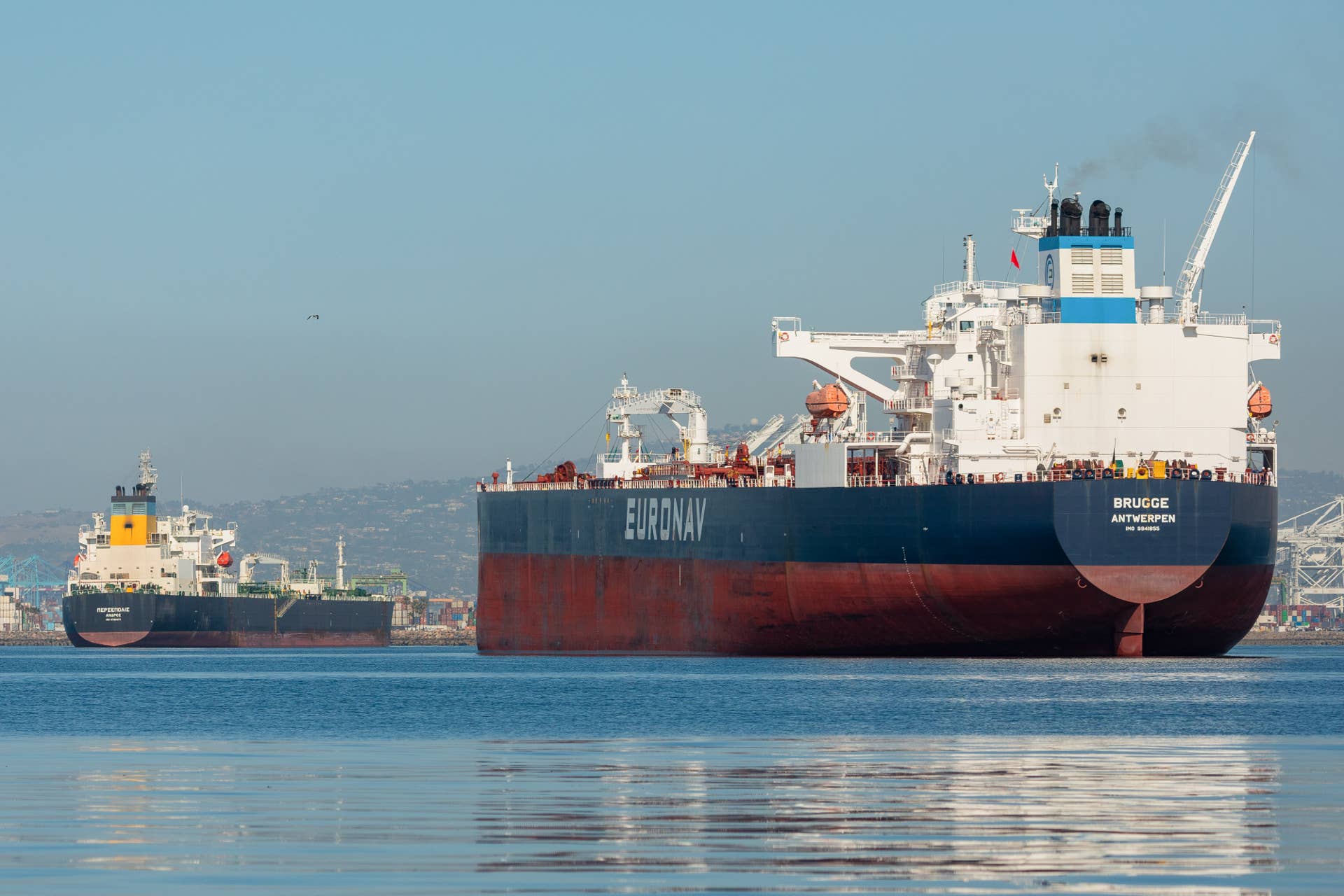 This is not the first time President Trump has announced progress on Hormuz.
Rue&solGetty Images
World leaders respond to the U.S. Hormuz announcement
The international reaction came quickly. British Prime Minister Keir Starmer welcomed the "breakthrough" while emphasizing that "toll-free freedom of navigation must now be restored" in the Strait, according to Al Jazeera. French President Emmanuel Macron said G7 leaders would discuss the long-term reopening of the Strait at their summit.
Qatar's Ministry of Foreign Affairs, whose territory sits close to the Strait, called the agreement "an important step towards consolidating sustainable peace and promoting economic growth regionally and internationally," Al Jazeera confirmed.
Iran's Supreme National Security Council said separately that all warfare between the parties would cease "immediately and permanently from tonight."
What the announcement does not yet resolve:
- The agreement reached on June 14 is described as a memorandum of understanding, with U.S. commitments needing to be met before negotiations toward a final agreement can even begin, Iran's Supreme National Security Council said, according to NBC News.
- President Trump's interview with the New York Times included a notable warning alongside the deal announcement. He said the U.S. could restart military operations or position itself as "the guardian of the Middle East" in exchange for a share of the region's resources, Al Jazeera reported, a framing that signals tensions are not fully resolved.
- The Strait's reopening is explicitly tied to the June 19 signing rather than effective immediately, Fox News noted. This means the period between June 14 and the signing date is itself a window where the agreement could still unravel, as the April ceasefire did within days.
- Oil prices already moved sharply on the announcement alone, CBS News reported, with Brent crude falling roughly 4.8% in the hours after the president's posts. It suggests markets are pricing in the deal, even though the formal signing has not yet occurred.
What investors are watching between now and June 19
The gap between Trump's announcement and the scheduled signing is the period markets will be watching most closely. Pakistan's Sharif indicated that "pre-implementation discussions" would take place in the interim, though what those discussions cover was not immediately clear.
Given the pattern from April, when a similar announcement unraveled within days amid renewed fighting in Lebanon and a drone attack on Kuwait, investors have reason to treat the June 19 signing as the more meaningful confirmation point than Sunday's social media posts.
If the signing proceeds as described and the Strait reopens without the toll system Iran had previously sought to impose, it would represent a structurally different outcome than the temporary ceasefires that have characterized the conflict since February. If it does not, oil markets that have already moved on the announcement may have to reverse just as quickly.
Related: JPMorgan sends another message on strait of Hormuz, oil prices


You May Also Like

The Retiree Who Chose $65,000 Instead of $120,000 and Ended Up Richer
Have Fuel, Will Travel: Airline, Cruise Stocks Gain Momentum with Iran Deal

Japanese Tech Giant’s Ambitious Bitcoin Accumulation



