BitcoinWorld Meta AI Unleashes Powerful Super PAC to Shape Future of AI Regulation In the rapidly evolving landscape where artificial intelligence intersects with policy, a significant development is set to reshape the future. Meta AI, a titan in the technology world, is making a monumental move by investing tens of millions into a new Super PAC. This strategic initiative aims to profoundly influence AI Regulation in California, a state often at the forefront of technological and legislative trends. For those invested in the digital economy, understanding these political maneuvers is crucial, as the regulatory environment for AI will inevitably impact the development and adoption of blockchain, Web3, and other decentralized technologies. This isn’t just about silicon; it’s about the very infrastructure of our digital future. Why is Meta AI Investing Heavily in Political Influence? Meta’s decision to launch a Super PAC, dubbed Mobilizing Economic Transformation Across California (METAC), signals a clear intent: to advocate for a ‘light-touch’ approach to AI governance. This isn’t an isolated incident; it follows a trend where major tech players, including Andreessen Horowitz and OpenAI’s Greg Brockman, have collectively pledged significant funds for similar pro-AI political action. The core motivation, as articulated by Brian Rice, Meta’s VP of public policy and head of the new PAC, is to prevent California’s regulatory environment from stifling innovation. There’s a genuine concern that overly stringent rules could impede AI progress and jeopardize California’s leadership in the technology sector. The company believes that a balanced regulatory framework, one that encourages rather than constrains development, is essential for the continued growth of AI technologies. This perspective often clashes with calls for more robust oversight, particularly concerning safety, ethics, and data privacy. What are Super PACs and How Do They Impact AI Regulation? Super PACs, officially known as ‘independent-expenditure only committees,’ are political action committees that can raise and spend unlimited amounts of money to support or oppose political candidates. Crucially, they cannot directly coordinate with candidates or political parties. However, they can run advertisements, conduct voter outreach, and engage in various forms of political advocacy, making them incredibly powerful tools for influencing elections and policy debates. In the context of AI, Super PACs like METAC serve as a direct channel for tech giants to shape legislative outcomes. By backing candidates who favor less restrictive AI Regulation, these groups aim to create a political landscape more amenable to their business models and innovation strategies. Their influence can manifest in several ways: Candidate Support: Funding campaigns for candidates who align with their policy views on AI. Public Opinion Shaping: Running ad campaigns to educate (or persuade) the public on the benefits of AI and the potential downsides of over-regulation. Direct Lobbying Reinforcement: Complementing traditional lobbying efforts by demonstrating broad political support for their positions. This approach allows tech companies to exert considerable influence without directly engaging in the more restrictive forms of campaign finance. Understanding the Stakes: Tech Lobbying and Policy Battles Meta’s current move isn’t its first foray into high-stakes Tech Lobbying. The company has a documented history of engaging with lawmakers to protect its interests. Earlier this year, Meta’s lobbying efforts targeted California state Senator Scott Wiener’s SB-53 bill, which proposed requiring AI firms to publish safety and security protocols and report safety incidents. This bill, seen by some as a crucial step towards responsible AI development, was viewed by Meta as potentially hindering innovation. Furthermore, last year, Meta played a role in the defeat of the Kids Online Safety Act, a piece of legislation widely expected to pass. These past actions illustrate a consistent strategy: to actively engage in the legislative process to ensure that emerging regulations do not unduly restrict their operations or slow down their technological advancements. The formation of METAC amplifies this strategy, shifting from direct lobbying to broader electoral influence. The debate around AI regulation is multifaceted, pitting proponents of rapid innovation against those prioritizing safety, ethics, and societal impact. Here’s a simplified view of the opposing perspectives: Pro-Innovation (e.g., Meta, METAC) Pro-Regulation (e.g., Sen. Wiener, advocacy groups) Light-touch regulation prevents stifling growth. Strong oversight ensures safety and ethical AI. California’s tech leadership is at risk from over-regulation. Public trust requires transparency and accountability. Market forces and self-regulation are sufficient. Legislation is needed to address potential harms and biases. What Does This Mean for California AI and Beyond? The impact of Meta’s new Super PAC will primarily be felt in California AI policy, particularly in the upcoming 2026 governor’s race and other statewide elections. By strategically funding candidates who share their vision for AI, Meta aims to cultivate a legislative body that is more sympathetic to the tech industry’s concerns. This influence could set precedents for other states and even federal policy, as California often serves as a bellwether for national trends. The broader implications extend to: Pace of Innovation: A ‘light-touch’ regulatory environment could accelerate the development and deployment of new AI technologies, potentially leading to faster advancements in areas like generative AI, autonomous systems, and even AI-driven blockchain solutions. Ethical Concerns: Critics worry that less regulation might lead to a greater risk of unchecked AI development, potentially exacerbating issues such as algorithmic bias, data misuse, and the spread of misinformation. Competitive Landscape: Companies that can influence policy may gain a competitive advantage, shaping the rules of the game in their favor. Public Trust: The extent to which the public trusts AI will depend heavily on the perceived fairness and safety of its development and deployment, which is directly tied to regulatory frameworks. For the cryptocurrency and blockchain community, the direction of AI regulation is paramount. AI is increasingly integrated into everything from smart contract auditing to predictive market analysis. A restrictive AI environment could indirectly slow down innovation in these interconnected sectors, while a more open one could accelerate it. The Unfolding Battle for AI’s Future Meta’s substantial investment in its pro-AI Super PAC marks a pivotal moment in the ongoing debate over how artificial intelligence should be governed. This move, coupled with similar initiatives from other tech giants, underscores the industry’s determination to shape the regulatory narrative. The battle lines are drawn between those advocating for rapid, unfettered innovation and those calling for cautious, ethical development. The outcomes of these political skirmishes, particularly in influential states like California, will have far-reaching consequences, not just for the tech industry but for society as a whole. As Meta AI pours millions into influencing elections, the future of AI—its capabilities, its limitations, and its integration into our daily lives—hangs in the balance, a testament to the growing power of technology to shape policy and vice versa. To learn more about the latest AI Regulation trends, explore our article on key developments shaping AI policy and institutional adoption. This post Meta AI Unleashes Powerful Super PAC to Shape Future of AI Regulation first appeared on BitcoinWorld and is written by Editorial TeamBitcoinWorld Meta AI Unleashes Powerful Super PAC to Shape Future of AI Regulation In the rapidly evolving landscape where artificial intelligence intersects with policy, a significant development is set to reshape the future. Meta AI, a titan in the technology world, is making a monumental move by investing tens of millions into a new Super PAC. This strategic initiative aims to profoundly influence AI Regulation in California, a state often at the forefront of technological and legislative trends. For those invested in the digital economy, understanding these political maneuvers is crucial, as the regulatory environment for AI will inevitably impact the development and adoption of blockchain, Web3, and other decentralized technologies. This isn’t just about silicon; it’s about the very infrastructure of our digital future. Why is Meta AI Investing Heavily in Political Influence? Meta’s decision to launch a Super PAC, dubbed Mobilizing Economic Transformation Across California (METAC), signals a clear intent: to advocate for a ‘light-touch’ approach to AI governance. This isn’t an isolated incident; it follows a trend where major tech players, including Andreessen Horowitz and OpenAI’s Greg Brockman, have collectively pledged significant funds for similar pro-AI political action. The core motivation, as articulated by Brian Rice, Meta’s VP of public policy and head of the new PAC, is to prevent California’s regulatory environment from stifling innovation. There’s a genuine concern that overly stringent rules could impede AI progress and jeopardize California’s leadership in the technology sector. The company believes that a balanced regulatory framework, one that encourages rather than constrains development, is essential for the continued growth of AI technologies. This perspective often clashes with calls for more robust oversight, particularly concerning safety, ethics, and data privacy. What are Super PACs and How Do They Impact AI Regulation? Super PACs, officially known as ‘independent-expenditure only committees,’ are political action committees that can raise and spend unlimited amounts of money to support or oppose political candidates. Crucially, they cannot directly coordinate with candidates or political parties. However, they can run advertisements, conduct voter outreach, and engage in various forms of political advocacy, making them incredibly powerful tools for influencing elections and policy debates. In the context of AI, Super PACs like METAC serve as a direct channel for tech giants to shape legislative outcomes. By backing candidates who favor less restrictive AI Regulation, these groups aim to create a political landscape more amenable to their business models and innovation strategies. Their influence can manifest in several ways: Candidate Support: Funding campaigns for candidates who align with their policy views on AI. Public Opinion Shaping: Running ad campaigns to educate (or persuade) the public on the benefits of AI and the potential downsides of over-regulation. Direct Lobbying Reinforcement: Complementing traditional lobbying efforts by demonstrating broad political support for their positions. This approach allows tech companies to exert considerable influence without directly engaging in the more restrictive forms of campaign finance. Understanding the Stakes: Tech Lobbying and Policy Battles Meta’s current move isn’t its first foray into high-stakes Tech Lobbying. The company has a documented history of engaging with lawmakers to protect its interests. Earlier this year, Meta’s lobbying efforts targeted California state Senator Scott Wiener’s SB-53 bill, which proposed requiring AI firms to publish safety and security protocols and report safety incidents. This bill, seen by some as a crucial step towards responsible AI development, was viewed by Meta as potentially hindering innovation. Furthermore, last year, Meta played a role in the defeat of the Kids Online Safety Act, a piece of legislation widely expected to pass. These past actions illustrate a consistent strategy: to actively engage in the legislative process to ensure that emerging regulations do not unduly restrict their operations or slow down their technological advancements. The formation of METAC amplifies this strategy, shifting from direct lobbying to broader electoral influence. The debate around AI regulation is multifaceted, pitting proponents of rapid innovation against those prioritizing safety, ethics, and societal impact. Here’s a simplified view of the opposing perspectives: Pro-Innovation (e.g., Meta, METAC) Pro-Regulation (e.g., Sen. Wiener, advocacy groups) Light-touch regulation prevents stifling growth. Strong oversight ensures safety and ethical AI. California’s tech leadership is at risk from over-regulation. Public trust requires transparency and accountability. Market forces and self-regulation are sufficient. Legislation is needed to address potential harms and biases. What Does This Mean for California AI and Beyond? The impact of Meta’s new Super PAC will primarily be felt in California AI policy, particularly in the upcoming 2026 governor’s race and other statewide elections. By strategically funding candidates who share their vision for AI, Meta aims to cultivate a legislative body that is more sympathetic to the tech industry’s concerns. This influence could set precedents for other states and even federal policy, as California often serves as a bellwether for national trends. The broader implications extend to: Pace of Innovation: A ‘light-touch’ regulatory environment could accelerate the development and deployment of new AI technologies, potentially leading to faster advancements in areas like generative AI, autonomous systems, and even AI-driven blockchain solutions. Ethical Concerns: Critics worry that less regulation might lead to a greater risk of unchecked AI development, potentially exacerbating issues such as algorithmic bias, data misuse, and the spread of misinformation. Competitive Landscape: Companies that can influence policy may gain a competitive advantage, shaping the rules of the game in their favor. Public Trust: The extent to which the public trusts AI will depend heavily on the perceived fairness and safety of its development and deployment, which is directly tied to regulatory frameworks. For the cryptocurrency and blockchain community, the direction of AI regulation is paramount. AI is increasingly integrated into everything from smart contract auditing to predictive market analysis. A restrictive AI environment could indirectly slow down innovation in these interconnected sectors, while a more open one could accelerate it. The Unfolding Battle for AI’s Future Meta’s substantial investment in its pro-AI Super PAC marks a pivotal moment in the ongoing debate over how artificial intelligence should be governed. This move, coupled with similar initiatives from other tech giants, underscores the industry’s determination to shape the regulatory narrative. The battle lines are drawn between those advocating for rapid, unfettered innovation and those calling for cautious, ethical development. The outcomes of these political skirmishes, particularly in influential states like California, will have far-reaching consequences, not just for the tech industry but for society as a whole. As Meta AI pours millions into influencing elections, the future of AI—its capabilities, its limitations, and its integration into our daily lives—hangs in the balance, a testament to the growing power of technology to shape policy and vice versa. To learn more about the latest AI Regulation trends, explore our article on key developments shaping AI policy and institutional adoption. This post Meta AI Unleashes Powerful Super PAC to Shape Future of AI Regulation first appeared on BitcoinWorld and is written by Editorial Team

Meta AI Unleashes Powerful Super PAC to Shape Future of AI Regulation

BitcoinWorld
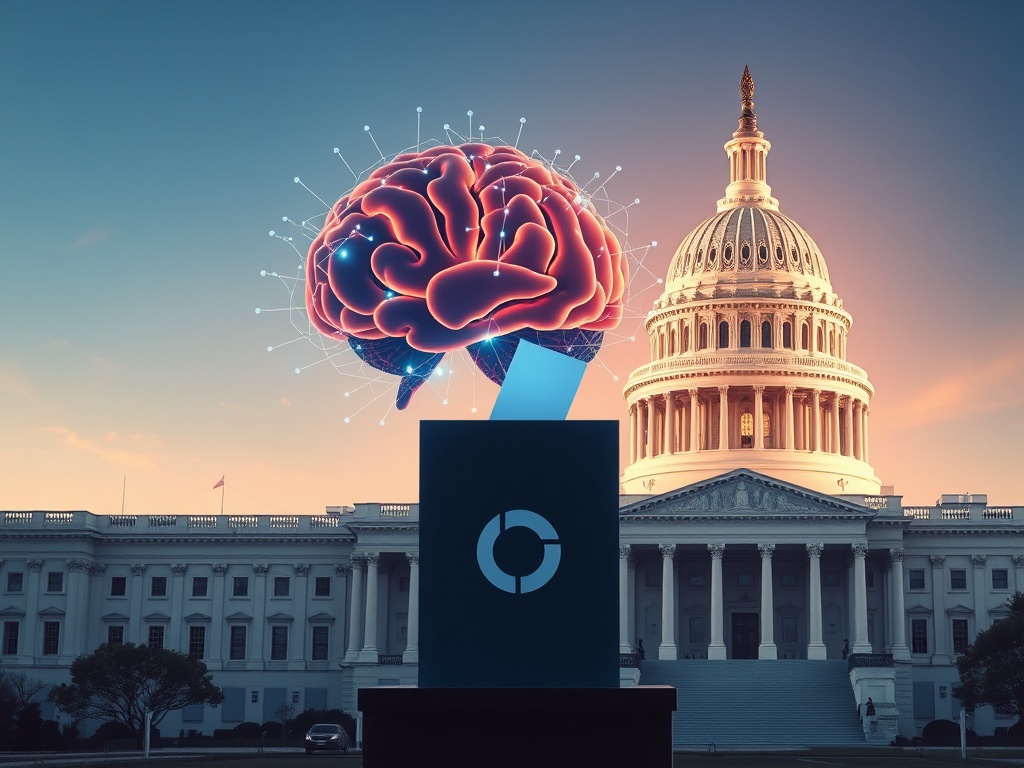
Meta AI Unleashes Powerful Super PAC to Shape Future of AI Regulation

In the rapidly evolving landscape where artificial intelligence intersects with policy, a significant development is set to reshape the future. Meta AI, a titan in the technology world, is making a monumental move by investing tens of millions into a new Super PAC. This strategic initiative aims to profoundly influence AI Regulation in California, a state often at the forefront of technological and legislative trends. For those invested in the digital economy, understanding these political maneuvers is crucial, as the regulatory environment for AI will inevitably impact the development and adoption of blockchain, Web3, and other decentralized technologies. This isn’t just about silicon; it’s about the very infrastructure of our digital future.

Why is Meta AI Investing Heavily in Political Influence?

Meta’s decision to launch a Super PAC, dubbed Mobilizing Economic Transformation Across California (METAC), signals a clear intent: to advocate for a ‘light-touch’ approach to AI governance. This isn’t an isolated incident; it follows a trend where major tech players, including Andreessen Horowitz and OpenAI’s Greg Brockman, have collectively pledged significant funds for similar pro-AI political action. The core motivation, as articulated by Brian Rice, Meta’s VP of public policy and head of the new PAC, is to prevent California’s regulatory environment from stifling innovation. There’s a genuine concern that overly stringent rules could impede AI progress and jeopardize California’s leadership in the technology sector.

The company believes that a balanced regulatory framework, one that encourages rather than constrains development, is essential for the continued growth of AI technologies. This perspective often clashes with calls for more robust oversight, particularly concerning safety, ethics, and data privacy.

What are Super PACs and How Do They Impact AI Regulation?

Super PACs, officially known as ‘independent-expenditure only committees,’ are political action committees that can raise and spend unlimited amounts of money to support or oppose political candidates. Crucially, they cannot directly coordinate with candidates or political parties. However, they can run advertisements, conduct voter outreach, and engage in various forms of political advocacy, making them incredibly powerful tools for influencing elections and policy debates.

In the context of AI, Super PACs like METAC serve as a direct channel for tech giants to shape legislative outcomes. By backing candidates who favor less restrictive AI Regulation, these groups aim to create a political landscape more amenable to their business models and innovation strategies. Their influence can manifest in several ways:

  • Candidate Support: Funding campaigns for candidates who align with their policy views on AI.
  • Public Opinion Shaping: Running ad campaigns to educate (or persuade) the public on the benefits of AI and the potential downsides of over-regulation.
  • Direct Lobbying Reinforcement: Complementing traditional lobbying efforts by demonstrating broad political support for their positions.

This approach allows tech companies to exert considerable influence without directly engaging in the more restrictive forms of campaign finance.

Understanding the Stakes: Tech Lobbying and Policy Battles

Meta’s current move isn’t its first foray into high-stakes Tech Lobbying. The company has a documented history of engaging with lawmakers to protect its interests. Earlier this year, Meta’s lobbying efforts targeted California state Senator Scott Wiener’s SB-53 bill, which proposed requiring AI firms to publish safety and security protocols and report safety incidents. This bill, seen by some as a crucial step towards responsible AI development, was viewed by Meta as potentially hindering innovation.

Furthermore, last year, Meta played a role in the defeat of the Kids Online Safety Act, a piece of legislation widely expected to pass. These past actions illustrate a consistent strategy: to actively engage in the legislative process to ensure that emerging regulations do not unduly restrict their operations or slow down their technological advancements. The formation of METAC amplifies this strategy, shifting from direct lobbying to broader electoral influence.

The debate around AI regulation is multifaceted, pitting proponents of rapid innovation against those prioritizing safety, ethics, and societal impact. Here’s a simplified view of the opposing perspectives:

Pro-Innovation (e.g., Meta, METAC)Pro-Regulation (e.g., Sen. Wiener, advocacy groups)
Light-touch regulation prevents stifling growth.Strong oversight ensures safety and ethical AI.
California’s tech leadership is at risk from over-regulation.Public trust requires transparency and accountability.
Market forces and self-regulation are sufficient.Legislation is needed to address potential harms and biases.

What Does This Mean for California AI and Beyond?

The impact of Meta’s new Super PAC will primarily be felt in California AI policy, particularly in the upcoming 2026 governor’s race and other statewide elections. By strategically funding candidates who share their vision for AI, Meta aims to cultivate a legislative body that is more sympathetic to the tech industry’s concerns. This influence could set precedents for other states and even federal policy, as California often serves as a bellwether for national trends.

The broader implications extend to:

  • Pace of Innovation: A ‘light-touch’ regulatory environment could accelerate the development and deployment of new AI technologies, potentially leading to faster advancements in areas like generative AI, autonomous systems, and even AI-driven blockchain solutions.
  • Ethical Concerns: Critics worry that less regulation might lead to a greater risk of unchecked AI development, potentially exacerbating issues such as algorithmic bias, data misuse, and the spread of misinformation.
  • Competitive Landscape: Companies that can influence policy may gain a competitive advantage, shaping the rules of the game in their favor.
  • Public Trust: The extent to which the public trusts AI will depend heavily on the perceived fairness and safety of its development and deployment, which is directly tied to regulatory frameworks.

For the cryptocurrency and blockchain community, the direction of AI regulation is paramount. AI is increasingly integrated into everything from smart contract auditing to predictive market analysis. A restrictive AI environment could indirectly slow down innovation in these interconnected sectors, while a more open one could accelerate it.

The Unfolding Battle for AI’s Future

Meta’s substantial investment in its pro-AI Super PAC marks a pivotal moment in the ongoing debate over how artificial intelligence should be governed. This move, coupled with similar initiatives from other tech giants, underscores the industry’s determination to shape the regulatory narrative. The battle lines are drawn between those advocating for rapid, unfettered innovation and those calling for cautious, ethical development.

The outcomes of these political skirmishes, particularly in influential states like California, will have far-reaching consequences, not just for the tech industry but for society as a whole. As Meta AI pours millions into influencing elections, the future of AI—its capabilities, its limitations, and its integration into our daily lives—hangs in the balance, a testament to the growing power of technology to shape policy and vice versa.

To learn more about the latest AI Regulation trends, explore our article on key developments shaping AI policy and institutional adoption.

This post Meta AI Unleashes Powerful Super PAC to Shape Future of AI Regulation first appeared on BitcoinWorld and is written by Editorial Team


Market Opportunity
Sentio Protocol Logo
Sentio Protocol Price(SEN)
$0.004224
$0.004224$0.004224
-0.47%
USD
Sentio Protocol (SEN) Live Price Chart
Disclaimer: The articles reposted on this site are sourced from public platforms and are provided for informational purposes only. They do not necessarily reflect the views of MEXC. All rights remain with the original authors. If you believe any content infringes on third-party rights, please contact service@support.mexc.com for removal. MEXC makes no guarantees regarding the accuracy, completeness, or timeliness of the content and is not responsible for any actions taken based on the information provided. The content does not constitute financial, legal, or other professional advice, nor should it be considered a recommendation or endorsement by MEXC.

You May Also Like

How ZKP’s Daily Presale Auction Is Creating a New Standard for 1,000x Returns

How ZKP’s Daily Presale Auction Is Creating a New Standard for 1,000x Returns

The post How ZKP’s Daily Presale Auction Is Creating a New Standard for 1,000x Returns appeared on BitcoinEthereumNews.com. Disclaimer: This article is a sponsored
Share
BitcoinEthereumNews2026/01/16 09:02
Little Pepe (LILPEPE) koers, nu investeren in de lopende presale?

Little Pepe (LILPEPE) koers, nu investeren in de lopende presale?

i Kennisgeving: Dit artikel bevat inzichten van onafhankelijke auteurs en valt buiten de redactionele verantwoordelijkheid van BitcoinMagazine.nl. De informatie is bedoeld ter educatie en reflectie. Dit is geen financieel advies. Doe zelf onderzoek voordat je financiële beslissingen neemt. Crypto is zeer volatiel er zitten kansen en risicos aan deze investering. Je kunt je inleg verliezen. Little Pepe (LILPEPE) is dit jaar uitgegroeid tot een van de meest besproken meme coins. Het project ontwikkelt een eigen Layer 2 blockchain die speciaal is ontworpen voor meme projecten. De presale van LILPEPE startte op 10 juni 2025 en haalde sindsdien meer dan $ 25,9 miljoen bij investeerders op. Tot nu toe was elke fase van de presale ruim voor tijd uitverkocht. Nu zit het project in fase 13 en kun je de tokens aanschaffen voor een prijs van $ 0,0022 per stuk. Little Pepe combineert heel slim de meme cultuur met geavanceerde blockchain technologie. Het team bouwde een EVM-compatibel Layer 2 netwerk dat razendsnelle transacties en vrijwel geen kosten biedt. Daarmee steekt LILPEPE ver boven de typische meme coins uit die op bestaande netwerken draaien. Het project heeft 26,5% van de totale voorraad van 100 miljard tokens gereserveerd voor de presale. Elke nieuwe fase stijgt de token prijs, waardoor deelnemers worden aangemoedigd sneller toe te slaan. Nu al zijn meer dan 15 miljard tokens verkocht en de presale nadert snel het einde. Little Pepe presale blijft sterk presteren De presale heeft sinds de start in juni een stevige groei laten zien. Zo is in meerdere ronden al meer dan $ 25,9 miljoen opgehaald. Ronde 1 startte met een prijs van $ 0,001 per token en was al binnen slechts 72 uur uitverkocht, goed voor bijna $ 500.000. Tijdens de tweede presale fase kostte de coin tussen $ 0,0011 en $ 0,0015 en haalde het project meer dan $ 1,23 miljoen op voordat alles snel uitverkocht was. In ronde 3 steeg de prijs naar $ 0,0012, met een bevestigde exchange listing prijs van $ 0,003. Wie er vroeg bij was, zag daardoor een potentiële winst van 150%. De eerdere presale rondes trokken zoveel belangstelling dat de tokens sneller uitverkochten dan verwacht. Inmiddels hebben meer dan 38.000 mensen deelgenomen. In ronde 13 van de presale staat de token momenteel geprijsd op $ 0,0022. Doordat de prijs bij elke mijlpaal stapsgewijs stijgt, voelt men er vanzelf een soort urgentie bij. Vroege deelnemers hebben zo veel lagere prijzen kunnen pakken dan de huidige kopers. Dankzij deze gefaseerde aanpak blijft de presale de hele periode door spannend en interessant. Belangrijkste kenmerken van Little Pepe’s technologie Little Pepe is de native currency van een gloednieuwe Layer 2 chain, speciaal voor meme coins. De blockchain is razendsnel, extreem goedkoop en sterk beveiligd en vooral aantrekkelijk voor traders en ontwikkelaars. Het netwerk verwerkt transacties in een oogwenk en de gas fees zijn bijna nul. De trades worden niet belast en dat zie je maar zelden bij meme coins. Bovendien is de blockchain beschermd tegen sniper bots, zodat kwaadaardige bots geen kans krijgen om presale lanceringen te manipuleren. Ontwikkelaars kunnen dankzij EVM-compatibiliteit heel eenvoudig smart contracts en meme tokens bouwen en lanceren. De infrastructuur is opgezet als hét centrale platform voor meme-innovatie, met on-chain communitytools en governance-opties. “Pepe’s Pump Pad” is het launchpad voor de meme tokens van het project. Tokens die hier worden gelanceerd, hebben ingebouwde anti-scam beveiligingen en liquidity locks worden automatisch toegepast om rug pulls te voorkomen. Zo kunnen makers nieuwe meme tokens lanceren zonder zich zorgen te maken over veiligheidsrisico’s. Is LILPEPE de beste crypto presale om nu te kopen? Little Pepe is de allereerste Layer 2 blockchain die volledig draait om memes. Dat geeft het project een unieke plek in de drukke wereld van meme coins. Het doel is om de “meme verse” te worden: een plek waar meme projecten kunnen lanceren, verhandelen en echt groeien. Het succes van de presale laat zien dat er veel interesse is voor deze aanpak. In de vroege fases waren de fase binnen 72 uur uitverkocht en zelfs de latere fases gingen sneller dan gepland. Met meer dan $ 25,9 miljoen dat is opgehaald, is er veel vertrouwen in deze meme coin. Little Pepe staat technisch stevig dankzij zijn Layer 2 infrastructuur. Het project heeft een CertiK security audit doorstaan, wat het vertrouwen van investeerders aanzienlijk versterkt. Als je naar de listings op CoinMarketCap en CoinGecko kijkt, is duidelijk te zien dat het project ook buiten de meme community steeds meer erkenning krijgt. Little Pepe is volgens analisten dan ook een van de meest veelbelovende meme coins voor 2025. De combinatie van meme cultuur en echte functionaliteit, maakt deze meme coin betrouwbaarder en waardevoller dan de meeste puur speculatieve tokens. Dankzij de snelle presale en het innovatieve ecosysteem is Little Pepe klaar om zich als serieuze speler in de wereld van meme coins te vestigen. Het project werkt volgens een roadmap met onder andere exchange listings, staking en uitbreiding van het ecosysteem. Door LILPEPE tokens te listen op grote gecentraliseerde exchanges, wordt het voor iedereen makkelijker om te traden en neemt de liquiditeit flink toe. Mega Giveaway campagne vergroot betrokkenheid community Little Pepe is gestart met een Mega Giveaway om de community te belonen voor hun deelname. De Mega Giveaway richt zich op de deelnemers die tijdens fases 12 tot en met 17 de meeste LILPEPE tokens hebben gekocht. De grootste koper wint 5 ETH, de tweede plaats ontvangt 3 ETH en de derde plaats 2 ETH. Ook worden 15 willekeurige deelnemers elk met 0,5 ETH beloond. Iedereen die LILPEPE bezit kan meedoen. Dat gaat heel handig. Je vult je ERC20-wallet adres in en voert een paar social media opdrachten uit. Deze actie moet gedurende de presale voor extra spanning en een gevoel van urgentie om snel mee te doen gaan zorgen, zowel aan de giveaway als aan de presale. De giveaway loopt dan ook tot fase 17 volledig is uitverkocht. De community blijft op alle platforms hard doorgroeien. Tijdens de giveaway is de activiteit op social media flink omhooggeschoten. Zo’n betrokkenheid is vaak een goed teken dat een meme coin op weg is naar succes. Little Pepe analyse koers verwachting De tokens van Little Pepe gaan tijdens fase 13 voor $ 0,0022 over de toonbank. De listing prijs op de exchanges is bevestigd op $ 0,003 en kan de deelnemers aan de presale mooie winsten kan opleveren. Volgens analisten kan de prijs van LILPEPE tegen het einde van 2025 naar $ 0,01 stijgen. Dit zou het project een marktwaarde van $ 1 miljard kunnen geven. Deze voorspelling gaat uit van een sterke cryptomarkt en van succesvolle exchange listings. Voor 2026 lopen de koers verwachtingen voor LILPEPE sterk uiteen. Als de cryptomarkt blijft stijgen, zou de token $ 0,015 kunnen bereiken. Maar als de markt instort en een bear market toeslaat, kan de prijs terugvallen naar $ 0,0015. Dat is een groot verschil, maar zo werkt crypto nu eenmaal. Zeker bij meme coins, omdat ze sterk reageren op de marktsfeer. Op de lange termijn, richting het jaar 2030, wijzen sommige verwachtingen op prijzen van $ 0,03 in gunstige scenario’s. Dat gaat uit van een succesvolle aanname van Layer 2 en verdere groei van de meme coin sector. Voorzichtige schattingen plaatsen de prijs in 2030 rond $ 0,0095. Zelfs een klein stukje van de marktwaarde van grote meme coins kan volgens experts al voor flinke winsten zorgen. Sommige analisten verwachten dat de opbrengsten zelfs 15.000% tot 20.000% kunnen bereiken als Little Pepe hetzelfde succes haalt als eerdere populaire meme coins. Doe mee aan de Little Pepe presale Wil je erbij zijn? Ga naar de officiële website van de coin om mee te doen aan de presale. Tijdens de huidige fase kost een token $ 0,0022 en je kunt eenvoudig betalen met ETH of USDT via je wallet. Je kunt aan de presale deelnemen met MetaMask of Trust Wallet. Verbind je wallet eenvoudig met de officiële website en zorg dat je voldoende ETH of USDT hebt om het gewenste aantal tokens te kopen. De presale accepteert ERC-20 tokens op het Ethereum netwerk. Na aankoop kun je je tokens claimen zodra alle presale rondes zijn afgerond. Alle informatie over het claimen vind je via de officiële website en communicatiekanalen. NEEM NU DEEL AAN DE LITTLE PEPE ($ LILPEPE) PRESALE Website    |    (X) Twitter    |  Telegram i Kennisgeving: Dit artikel bevat inzichten van onafhankelijke auteurs en valt buiten de redactionele verantwoordelijkheid van BitcoinMagazine.nl. De informatie is bedoeld ter educatie en reflectie. Dit is geen financieel advies. Doe zelf onderzoek voordat je financiële beslissingen neemt. Crypto is zeer volatiel er zitten kansen en risicos aan deze investering. Je kunt je inleg verliezen. Het bericht Little Pepe (LILPEPE) koers, nu investeren in de lopende presale? is geschreven door Redactie en verscheen als eerst op Bitcoinmagazine.nl.
Share
Coinstats2025/09/18 18:50
Lighter drops 14% after losing $2 support – More pain ahead for LIT?

Lighter drops 14% after losing $2 support – More pain ahead for LIT?

The post Lighter drops 14% after losing $2 support – More pain ahead for LIT? appeared on BitcoinEthereumNews.com. Since it touched a high of $4.5, Lighter has
Share
BitcoinEthereumNews2026/01/16 08:46