AI Actor Tilly Norwood Sparks Outrage with Cringeworthy Debut Song, Igniting Hollywood Ethics Debate
BitcoinWorld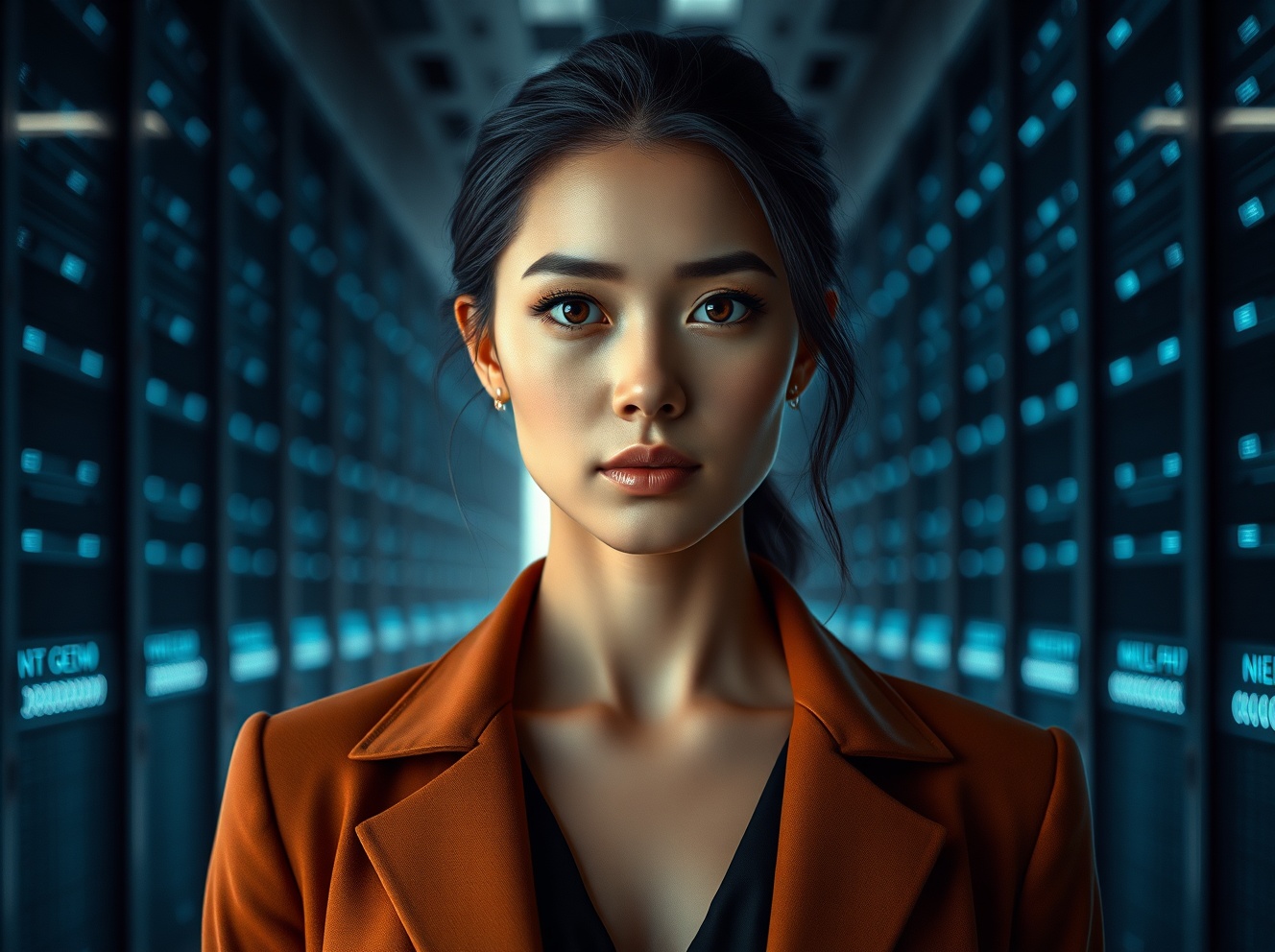
AI Actor Tilly Norwood Sparks Outrage with Cringeworthy Debut Song, Igniting Hollywood Ethics Debate
The debut of a musical track by AI-generated actor Tilly Norwood has ignited a fierce debate within the entertainment industry, highlighting growing tensions between technological innovation and artistic integrity. Particle6, the production company behind the synthetic persona, released the music video for “Take the Lead” this week, prompting immediate criticism from established actors and industry unions. This event marks a significant escalation in the use of AI for creating fully realized, media-producing characters, moving beyond static images or voice synthesis.
Tilly Norwood’s AI-Generated Song Draws Swift Industry Condemnation
Particle6 first introduced Tilly Norwood to the public in the fall of 2024. The reveal of a fully AI-generated actor designed for film and television roles was met with immediate concern. Golden Globe-winning actor Emily Blunt voiced a sentiment shared by many, telling Variety, “Good Lord, we’re screwed. Come on, agencies, don’t do that. Please stop.” The Screen Actors Guild‐American Federation of Television and Radio Artists (SAG-AFTRA) issued a formal statement, arguing that “‘Tilly Norwood’ is not an actor; it’s a character generated by a computer program that was trained on the work of countless professional performers — without permission or compensation.” The union emphasized that such technology “creates the problem of using stolen performances to put actors out of work.”
Despite this backlash, Particle6 proceeded with its next phase: establishing Tilly Norwood as a cross-media personality. The release of “Take the Lead” represents a strategic move to build a fanbase and narrative for the character. The song’s lyrics directly address the controversy, with lines like “They say it’s not real, that it’s fake, but I am still human, make no mistake.” This meta-commentary has been cited by critics as a key example of the project’s conceptual dissonance.
Deconstructing the AI Music Video and Its Production
The music video for “Take the Lead” is a technically complex production. Particle6 reports that eighteen individuals contributed to its creation, including designers, AI prompt engineers, and video editors. This human-heavy backend contrasts sharply with the fully AI-generated front-facing persona. The video features Tilly Norwood strutting through a data center—a visual metaphor for her origin—before transitioning to a stage where she performs for a crowd of computer-generated spectators.
The song’s musical composition has drawn comparisons to early-2000s pop, particularly the work of artists like Sara Bareilles. However, critics argue it lacks the emotional authenticity of its influences. The chorus serves as a call to action, not for human artists, but for other AI entities: “Actors, it’s time to take the lead… AI’s not the enemy, it’s the key.” This framing positions AI not as a tool for humans, but as an independent creative class.
Ethical and Legal Implications of Synthetic Performers
The rise of characters like Tilly Norwood raises profound legal and ethical questions that the industry is scrambling to address. The core issue revolves around consent and compensation. AI models are trained on vast datasets of existing performances. SAG-AFTRA and other advocates contend this constitutes intellectual property theft if done without licenses. Furthermore, the creation of a synthetic actor who can work indefinitely without pay threatens to destabilize labor markets for human performers.
Another critical concern is authenticity and cultural impact. Can art derived from statistical models of existing work offer genuine cultural commentary or innovation? Critics echo past complaints about derivative human art, such as Pitchfork’s infamous 0.0 review of Jet’s “Shine On,” where editors lamented “knuckle-dragging and Xeroxed” music. The difference, experts note, is scale and origin: while human artists are inspired by predecessors, AI models are fundamentally built from them.
The Broader Landscape of AI in Music and Entertainment
Tilly Norwood is not the first AI entity to venture into music. The digital persona Xania Monet previously gained attention when an AI-generated song attributed to her, “How Was I Supposed to Know?,” charted on Billboard’s R&B charts. That track reportedly involved human lyricists, blending AI and human input. The Norwood project differs by presenting a completely synthetic origin story and aiming for a mainstream pop aesthetic.
The technology enabling this is advancing rapidly. AI music generators like Suno and Udio can now produce full-length songs from simple text prompts. Meanwhile, video generation tools can create realistic scenes. Particle6’s project represents an attempt to bundle these capabilities into a marketable, persistent character. The potential business model is clear: a studio could own a stable of AI actors, musicians, and influencers, generating content without talent fees, scheduling conflicts, or personal controversies.
Audience Reception and the Question of Relatability
A central challenge for synthetic media is forging a genuine connection with audiences. Art often resonates through shared human experience—joy, loss, love, struggle. Tilly Norwood’s song tackles a uniquely non-human dilemma: the experience of being disregarded for being an AI. As one critic noted, this creates a song “about something that literally no human will ever experience.” This inherent disconnect may limit the commercial and emotional ceiling for such content, regardless of its technical polish.
Industry analysts are watching audience metrics closely. Will a character like Norwood develop a dedicated following, perhaps among tech enthusiasts? Or will she remain a novelty? Early comments on the video’s hosting platform skew heavily negative, with viewers criticizing the music’s quality and the project’s premise. However, the mere existence of such a high-profile experiment signals a new chapter in content creation.
Conclusion
The controversy surrounding AI actor Tilly Norwood and her debut song “Take the Lead” is a microcosm of a larger industry transformation. It forces a confrontation between the relentless march of generative AI technology and the deeply human-centric traditions of storytelling and performance. While the technical achievement is notable, the project has intensified debates over ethics, copyright, and the very soul of entertainment. The reaction from figures like Emily Blunt and SAG-AFTRA demonstrates that the human creative community is prepared to fight for its value. The journey of Tilly Norwood will likely serve as a critical case study, informing future regulations, union contracts, and audience expectations as the line between human and synthetic artistry continues to blur.
FAQs
Q1: What is Tilly Norwood?
Tilly Norwood is a fully AI-generated actor and media persona created by the production company Particle6. She is not a human performer but a digital character designed to star in films, television, and now music.
Q2: Why are actors and unions like SAG-AFTRA opposed to AI actors?
Unions argue that AI actors are trained on the work of human performers without consent or compensation, which they view as intellectual property theft. They also warn that synthetic performers threaten job displacement and devalue human artistry and experience.
Q3: How was Tilly Norwood’s song “Take the Lead” created?
While the front-facing performer is AI, the production involved eighteen human contributors, including designers and editors. The song itself was likely generated using AI music software, then refined and paired with a video featuring the CGI character.
Q4: Has AI-generated music been successful before?
Yes, to some extent. The AI persona Xania Monet had a song chart on Billboard’s R&B charts. However, these projects often blend AI generation with human curation. Tilly Norwood’s project is notable for its attempt to present a wholly synthetic artist with a narrative backstory.
Q5: What does this mean for the future of entertainment?
The development signals a likely increase in synthetic media. It will force new legal frameworks around copyright and likeness, reshape labor agreements, and challenge audiences to define what they value in art—technical perfection or human connection.
This post AI Actor Tilly Norwood Sparks Outrage with Cringeworthy Debut Song, Igniting Hollywood Ethics Debate first appeared on BitcoinWorld.


You May Also Like

CLARITY Act Passes Senate Banking Committee: What Does This Mean for Crypto?

The Amount of Bitcoin Held by Long-Term Investors Has Reached Its Highest Level in the Past Year