

Critical Warning: Iran’s New Supreme Leader Threatens New Conflict Fronts and War Reparations
BitcoinWorld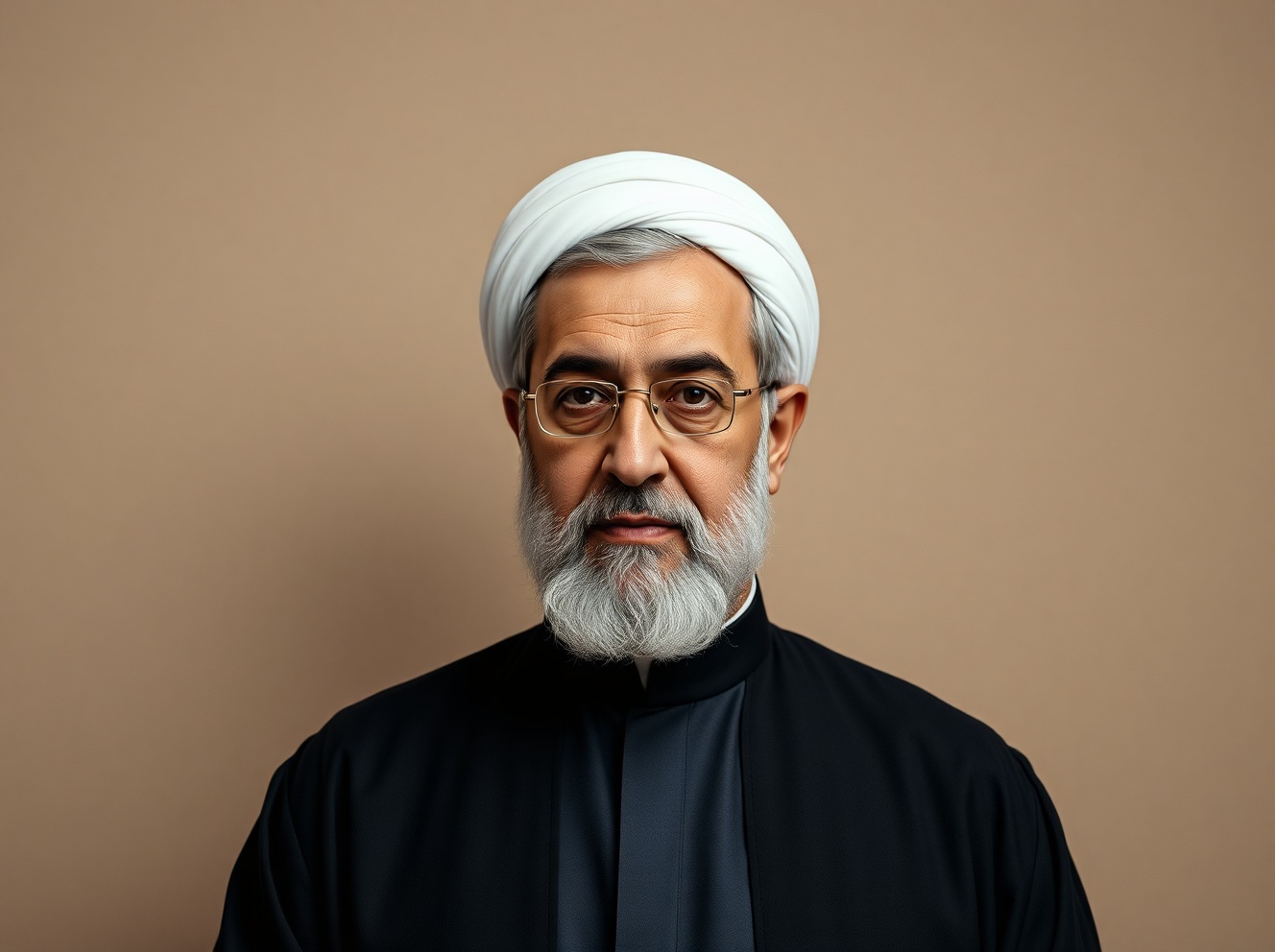
Critical Warning: Iran’s New Supreme Leader Threatens New Conflict Fronts and War Reparations
TEHRAN, Iran – In a significant development with far-reaching implications, Iran’s newly appointed Supreme Leader Mojtaba Khamenei has issued a stark warning about potential regional escalation. The leader specifically threatened to activate new conflict fronts if current hostilities continue. Furthermore, he declared Iran would demand substantial reparations from its adversaries or alternatively destroy their strategic assets. This statement represents a critical shift in Iran’s diplomatic and military posture under new leadership.
Iran’s Supreme Leader Issues Critical Warning
Mojtaba Khamenei delivered his warning during his first major address as Supreme Leader. The statement came amid ongoing regional tensions that have persisted for several months. Khamenei emphasized Iran’s readiness to respond to continued aggression. He specifically mentioned the activation of “other fronts” as a direct consequence of prolonged conflict. This terminology suggests potential expansion beyond current battle lines.
Regional analysts immediately noted the statement’s significance. Consequently, they began assessing potential implications for neighboring countries. The warning follows months of escalating proxy conflicts across the Middle East. Additionally, it comes during delicate diplomatic negotiations involving multiple international parties. Khamenei’s language represents a notable departure from previous diplomatic approaches.
The new Supreme Leader outlined two specific courses of action. First, Iran would formally demand financial reparations from nations it considers adversaries. Second, the country would target and destroy enemy assets if reparations are not forthcoming. This dual approach combines economic and military pressure tactics. Experts suggest this strategy aims to maximize diplomatic leverage.
Geopolitical Context and Regional Implications
The Middle East currently experiences multiple overlapping conflicts. Several nations maintain complex alliances and rivalries. Iran’s statement directly impacts this delicate balance. Regional powers immediately began analyzing the warning’s practical implications. Furthermore, international observers expressed concern about potential escalation.
Historical context provides important perspective. Iran has previously utilized proxy forces across the region. These groups operate in Lebanon, Syria, Yemen, and Iraq. Khamenei’s reference to “new fronts” suggests possible expansion of these operations. Alternatively, it might indicate direct Iranian military involvement. Either scenario would significantly alter regional dynamics.
Several key factors influence current tensions:
- Ongoing proxy conflicts across multiple Middle Eastern nations
- Nuclear negotiations that have reached critical stages
- Economic pressures affecting Iran’s domestic stability
- Leadership transition following the previous Supreme Leader’s passing
International responses have varied significantly. Some nations advocate for immediate de-escalation. Others view the statement as diplomatic posturing. Meanwhile, regional allies have expressed support for Iran’s position. This division complicates coordinated international responses.
Expert Analysis of Strategic Implications
Security analysts emphasize several critical considerations. First, Khamenei’s statement represents his first major foreign policy declaration. Consequently, it establishes important precedents for his leadership approach. Second, the reparations demand introduces new economic dimensions to existing conflicts. Third, the asset destruction threat suggests willingness to escalate militarily.
Regional security experts note particular concerns. The “new fronts” terminology lacks specific geographical references. This ambiguity creates uncertainty among neighboring nations. Additionally, the statement doesn’t define what constitutes “continued war.” This vagueness allows flexible interpretation and response.
Military analysts highlight practical considerations. Iran maintains substantial conventional and unconventional capabilities. The country’s missile programs represent particular concern. Furthermore, Iran’s cyber warfare capabilities have demonstrated increasing sophistication. These assets could potentially target adversary infrastructure.
Historical Precedents and Policy Continuity
Iran’s foreign policy has consistently emphasized several core principles. These include regional influence projection and resistance to Western dominance. Khamenei’s statement aligns with these established positions. However, his specific formulation represents notable evolution. The explicit reparations demand introduces new diplomatic elements.
Previous Iranian leadership utilized similar rhetoric during conflicts. The Iran-Iraq War established important precedents. During that conflict, Iran demonstrated willingness to endure substantial sacrifices. Current statements suggest similar determination. However, contemporary geopolitical realities differ significantly.
International law provides relevant frameworks for reparations claims. The United Nations Charter addresses conflict compensation. Additionally, various treaties establish precedents for war reparations. Iran’s demand references these legal foundations. Consequently, the statement carries both political and legal dimensions.
Economic Dimensions and Sanctions Context
Iran currently faces substantial economic challenges. International sanctions have significantly impacted the national economy. Domestic pressures influence foreign policy decisions. The reparations demand potentially addresses economic concerns. Alternatively, it might represent bargaining leverage in nuclear negotiations.
The global energy market represents another critical factor. Iran possesses substantial oil and gas reserves. Regional instability affects energy prices worldwide. Consequently, international responses consider energy security implications. Major importing nations particularly monitor developments.
Several economic indicators demonstrate current pressures:
| Indicator | Current Status | Regional Comparison |
|---|---|---|
| Inflation Rate | Approximately 40% | Highest in region |
| Currency Depreciation | Significant devaluation | More severe than neighbors |
| Unemployment | Youth unemployment critical | Above regional average |
These economic realities influence strategic calculations. Domestic stability requires addressing economic concerns. Foreign policy statements often reflect domestic priorities. Khamenei’s warning serves multiple potential purposes simultaneously.
International Response and Diplomatic Channels
Major world powers have initiated diplomatic consultations. The United Nations Security Council plans emergency discussions. Regional organizations coordinate member state responses. Bilateral communications occur through established channels. These multiple tracks demonstrate the statement’s significance.
European nations emphasize diplomatic solutions. They advocate for continued negotiation frameworks. Meanwhile, regional powers assess security implications. Gulf Cooperation Council members coordinate defensive postures. Israel monitors developments particularly closely given historical tensions.
Several diplomatic initiatives currently underway:
- Nuclear agreement negotiations in Vienna
- Regional dialogue initiatives involving Gulf states
- United Nations mediation efforts
- Great power consultations among permanent Security Council members
These processes now incorporate Khamenei’s statements. Negotiators adjust positions accordingly. Timelines potentially accelerate given escalation risks. All parties recognize the urgency of constructive engagement.
Conclusion
Iran’s new Supreme Leader Mojtaba Khamenei has issued a critical warning with substantial regional implications. His statement regarding new conflict fronts and reparations demands represents significant escalation rhetoric. The international community now faces complex diplomatic challenges. Regional stability depends on careful navigation of these tensions. Furthermore, global security architectures require adaptation to new realities. Ultimately, Khamenei’s warning underscores the fragile nature of Middle Eastern geopolitics and the constant potential for rapid escalation.
FAQs
Q1: Who is Mojtaba Khamenei?
Mojtaba Khamenei is Iran’s newly appointed Supreme Leader, succeeding his father in this position that holds ultimate authority over Iran’s foreign policy, military, and religious affairs.
Q2: What does “new fronts” mean in this context?
The terminology suggests potential expansion of conflict beyond current geographical areas, possibly involving new theaters of operation, additional proxy groups, or different forms of warfare including cyber operations.
Q3: Which countries might be affected by this warning?
Regional neighbors and nations involved in Middle Eastern conflicts could be affected, particularly countries with ongoing tensions with Iran or those hosting Iranian proxy forces.
Q4: Has Iran made similar threats previously?
Iran has utilized strong rhetoric during past conflicts but the specific combination of new fronts activation with reparations demands represents a notable evolution in diplomatic positioning.
Q5: How are other nations responding to this statement?
International responses vary from calls for de-escalation to security posture adjustments, with diplomatic channels actively engaged to understand implications and prevent miscalculation.
This post Critical Warning: Iran’s New Supreme Leader Threatens New Conflict Fronts and War Reparations first appeared on BitcoinWorld.


You May Also Like

Kaspa Gained 10.02% in Last Month and is Predicted to Drop to $0.028204 By Apr 06, 2026

Solana Price Prediction: SOL Slides Below $80 As $270M Hack Triggers Selloff




