USD/JPY Surges: Fed Policy Shift and Soaring Oil Prices Crush the Yen
BitcoinWorld
USD/JPY Surges: Fed Policy Shift and Soaring Oil Prices Crush the Yen
TOKYO, March 2025 – The USD/JPY currency pair continues its upward trajectory, marking significant gains as Federal Reserve policy expectations shift dramatically. Concurrently, rising global oil prices apply substantial pressure on the Japanese Yen, creating a perfect storm in currency markets. This development reflects broader macroeconomic forces reshaping global financial landscapes.
USD/JPY Extends Gains Amid Federal Reserve Repricing
Currency traders witnessed the USD/JPY pair climb to multi-month highs this week. Market participants aggressively repriced Federal Reserve policy expectations following stronger-than-anticipated U.S. economic data. The Federal Open Market Committee’s latest communications suggested a more hawkish stance than previously anticipated. Consequently, Treasury yields rose significantly, boosting the U.S. Dollar’s appeal against major currencies.
Analysts observed substantial flows into dollar-denominated assets. The repricing reflects changing inflation expectations and labor market strength. Market-implied probabilities for Federal Reserve rate cuts diminished considerably throughout the trading week. This shift created sustained demand for the U.S. Dollar across currency pairs.
Interest Rate Differential Dynamics
The widening interest rate differential between the United States and Japan drives current USD/JPY movements. The Bank of Japan maintains its ultra-accommodative monetary policy stance. Meanwhile, the Federal Reserve signals potential policy tightening. This divergence creates powerful fundamental support for USD/JPY appreciation.
Rising Oil Prices Pressure the Japanese Yen
Global oil markets experienced significant volatility, with Brent crude surpassing key resistance levels. Geopolitical tensions in major producing regions contributed to supply concerns. Additionally, stronger global demand forecasts supported higher price trajectories. Japan imports nearly all its petroleum requirements, making the Yen particularly sensitive to energy price movements.
Higher oil prices negatively impact Japan’s trade balance substantially. The nation’s current account faces increasing pressure from rising import costs. Historically, oil price spikes correlate with Japanese Yen weakness. This relationship remains evident in current market dynamics.
Japan’s Energy Import Dependency
Japan’s energy import dependency exceeds 90% of total consumption. The country remains the world’s fourth-largest crude oil importer. Therefore, rising oil prices directly increase Japan’s import bill significantly. This fundamental reality creates persistent downward pressure on the Yen during energy market rallies.
Technical Analysis and Market Structure
Technical indicators show USD/JPY breaking above key resistance levels. The pair surpassed the psychologically important 150.00 level decisively. Momentum indicators like the Relative Strength Index remain in bullish territory. Additionally, moving averages align in supportive configurations for continued upward movement.
Market structure analysis reveals several important developments:
- Breakout Confirmation: USD/JPY closed above the 150.50 resistance level
- Volume Analysis: Trading volume increased 35% during the breakout
- Option Barriers: Several large option barriers clustered around 151.00
- Carry Trade Activity: Yen-funded carry trades increased substantially
Historical Context and Comparisons
The current USD/JPY movement resembles patterns observed during previous Federal Reserve tightening cycles. Historical data shows similar reactions during the 2013 taper tantrum and 2018 rate hike cycle. However, current oil price levels introduce additional complexity. The combination of monetary policy divergence and energy market dynamics creates unique market conditions.
Central Bank Policy Divergence
The Bank of Japan faces complex policy challenges amid current market developments. Governor Kazuo Ueda recently emphasized continued accommodative policy support. The central bank targets sustainable 2% inflation achievement before considering policy normalization. This stance contrasts sharply with Federal Reserve positioning.
Japanese policymakers monitor Yen weakness carefully. However, intervention thresholds appear higher than previous episodes. Ministry of Finance officials expressed concern about excessive volatility rather than specific levels. This nuanced approach suggests tolerance for gradual Yen depreciation.
Yield Curve Control Adjustments
The Bank of Japan maintains its yield curve control framework with 10-year Japanese Government Bond yield cap at 1.0%. Market participants test this ceiling periodically. Successful defense requires substantial bond purchases, expanding the central bank’s balance sheet further. This policy stance reinforces interest rate differentials supporting USD/JPY gains.
Global Macroeconomic Implications
USD/JPY movements carry significant implications for global financial markets. Japanese investors hold substantial foreign asset portfolios. Yen depreciation increases the Yen value of these overseas holdings. This dynamic potentially supports further international investment flows from Japan.
Asian currency markets experience spillover effects from USD/JPY movements. Regional central banks monitor the pair for competitive considerations. Additionally, global risk sentiment connects to Yen movements through traditional safe-haven dynamics.
Trade and Competitiveness Considerations
Japanese exporters benefit from Yen weakness through improved competitiveness. Major automotive and electronics manufacturers see enhanced overseas earnings conversion. However, import-dependent sectors face margin pressure from higher input costs. This divergence creates complex economic impacts within Japan.
Market Participant Perspectives
Institutional investors express varied views on USD/JPY trajectory. Hedge fund positioning data shows increased long USD/JPY exposure. Meanwhile, corporate hedging activity accelerated around current levels. Options market analysis reveals growing demand for protection against further Yen depreciation.
Asset managers cite several supporting factors for continued USD strength:
- Relative Growth: U.S. economic outperformance versus other developed markets
- Policy Certainty: Clear Federal Reserve communication reducing uncertainty
- Energy Independence: U.S. net energy exporter status versus Japanese importer status
- Capital Flows: Sustained foreign investment into U.S. assets
Conclusion
The USD/JPY currency pair demonstrates powerful momentum as Federal Reserve policy repricing and rising oil prices converge. These dual forces create substantial pressure on the Japanese Yen through interest rate differentials and trade balance effects. Market participants monitor technical levels and central bank communications closely. The USD/JPY trajectory will likely depend on evolving Federal Reserve policy signals and global energy market developments. Current dynamics highlight the complex interplay between monetary policy and commodity markets in currency valuation.
FAQs
Q1: Why does Federal Reserve policy repricing affect USD/JPY?
A1: Federal Reserve policy repricing changes interest rate expectations, widening the rate differential between the U.S. and Japan. Higher expected U.S. rates increase demand for dollars, pushing USD/JPY higher as investors seek better returns.
Q2: How do rising oil prices specifically pressure the Japanese Yen?
A2: Japan imports over 90% of its oil needs. Higher oil prices increase Japan’s import costs, worsening its trade balance. This requires more Yen selling to pay for imports, directly pressuring the currency’s value.
Q3: What technical levels are traders watching for USD/JPY?
A3: Traders monitor the 151.00 psychological level, followed by the 152.00 area where previous intervention occurred. Support now appears around 149.50, with the 200-day moving average at 148.75 providing additional technical reference.
Q4: How does the Bank of Japan typically respond to Yen weakness?
A4: The Bank of Japan and Ministry of Finance can intervene verbally through warnings or physically by selling dollars and buying Yen. They typically focus on combating excessive volatility rather than specific exchange rate levels.
Q5: What global factors could reverse the current USD/JPY trend?
A5: Several factors could reverse the trend: unexpected Federal Reserve dovish pivot, significant decline in oil prices, Bank of Japan policy normalization signals, improved Japanese inflation data, or global risk aversion triggering Yen safe-haven demand.
This post USD/JPY Surges: Fed Policy Shift and Soaring Oil Prices Crush the Yen first appeared on BitcoinWorld.


You May Also Like
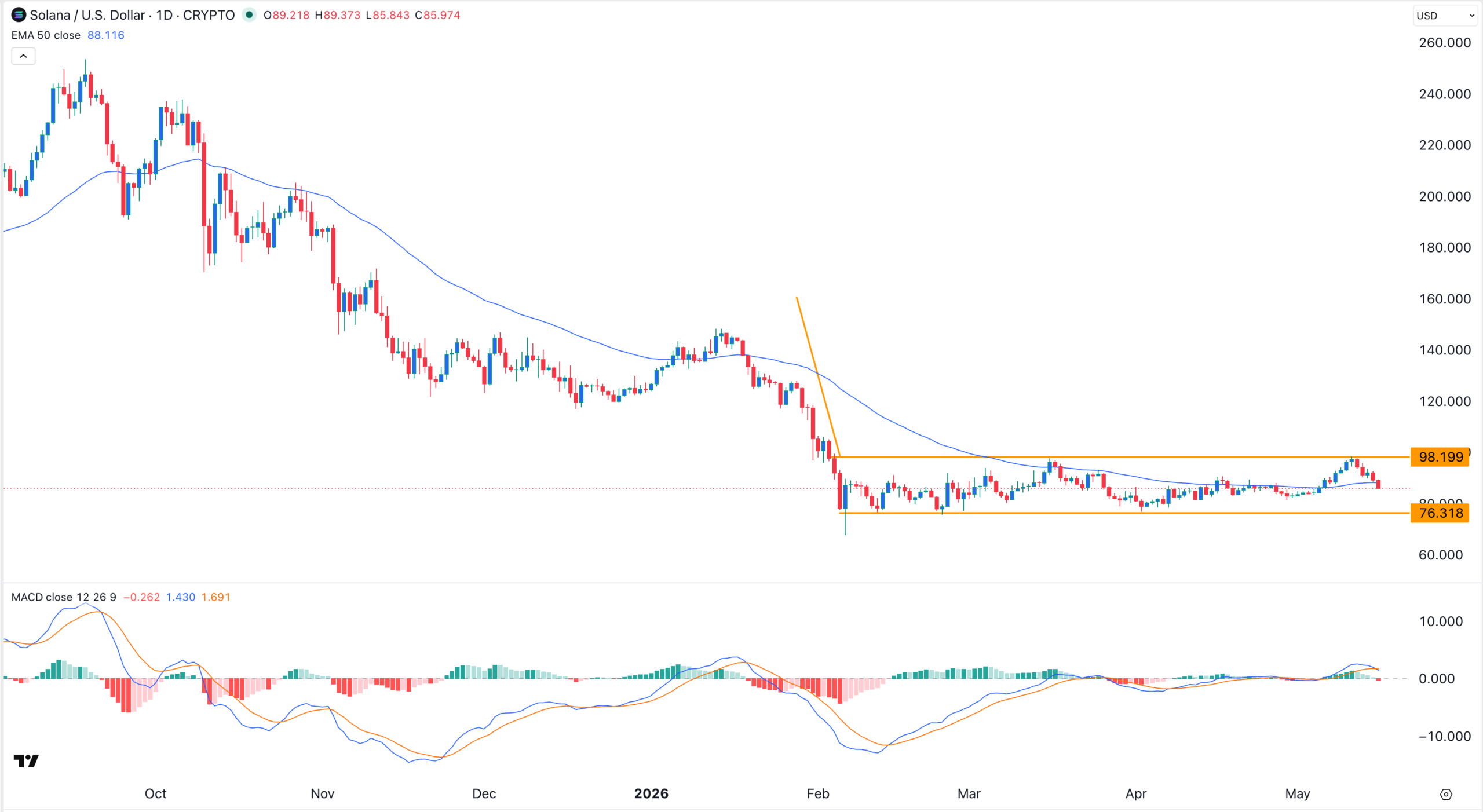
Solana Price is Hanging on a Thread as Crypto Fear and Greed Index Falls

House Agriculture Leaders Urge Trump to Nominate Full CFTC Commission as CLARITY Act Moves Forward