Strait of Hormuz Crisis: Trump’s Calculated Pressure on Allies Sparks Global Energy Fears
BitcoinWorld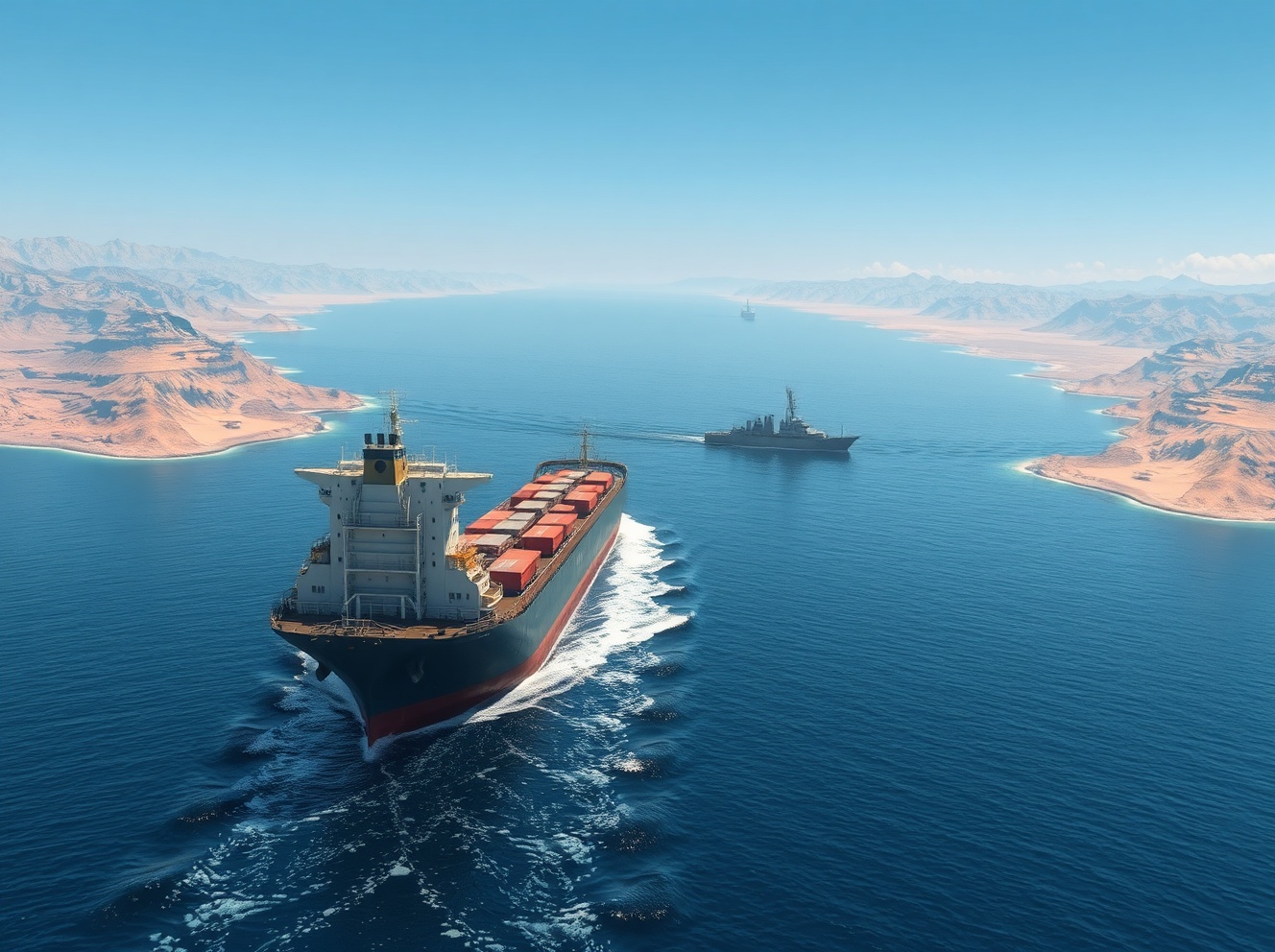
Strait of Hormuz Crisis: Trump’s Calculated Pressure on Allies Sparks Global Energy Fears
WASHINGTON, D.C., March 2025 – The Strait of Hormuz has re-emerged as the world’s most critical geopolitical flashpoint. Consequently, recent diplomatic maneuvers by the US administration have drawn intense global scrutiny. According to a detailed Financial Times report, former and potentially future President Donald Trump is significantly increasing pressure on key American allies. This strategic push aims to bolster security and assert greater influence over this vital maritime corridor.
Strait of Hormuz: The World’s Energy Chokepoint
The Strait of Hormuz represents far more than a narrow sea passage. It is the linchpin of global energy security. Approximately 21 million barrels of oil pass through daily. This volume constitutes nearly one-third of the world’s seaborne traded oil. Furthermore, about one-fifth of global liquefied natural gas trade relies on this route. The strait’s geography creates a natural bottleneck. It is only 21 nautical miles wide at its narrowest point. Shipping lanes therein are merely two miles wide in either direction. This makes maritime traffic exceptionally vulnerable to disruption.
Historically, tensions in this region directly impact global oil prices. For instance, attacks on tankers in 2019 caused immediate price spikes. Similarly, the seizure of vessels can trigger market volatility. Therefore, maintaining freedom of navigation is a paramount economic and security interest for dozens of nations. The United States Fifth Fleet, based in Bahrain, has long been the primary guardian of this principle. However, the nature of that guardianship appears to be evolving under renewed political pressure.
Trump’s Strategic Calculus and Allied Pressure
The Financial Times analysis indicates a shift in Washington’s approach. President Trump’s strategy reportedly involves direct appeals and demands to allied governments. Key targets include traditional partners in the Gulf Cooperation Council (GCC), such as Saudi Arabia and the United Arab Emirates. European allies with vested energy interests, like the United Kingdom and France, are also central to this diplomatic campaign.
The core objectives of this pressure are multifaceted:
- Increased Financial Contributions: Seeking larger shares of funding for joint naval patrols and surveillance initiatives under frameworks like the International Maritime Security Construct (IMSC).
- Enhanced Military Presence: Encouraging allies to deploy more vessels and assets to the region, thereby sharing the operational burden more equitably.
- Diplomatic Alignment: Pushing for a unified political stance against actors deemed threatening to navigation, primarily Iran.
- Energy Market Stability: Coordinating strategic petroleum reserve releases or production adjustments to mitigate the impact of potential disruptions.
Expert Analysis on Geopolitical Motivations
Dr. Anya Petrova, a Senior Fellow at the Center for Strategic and International Studies, provides critical context. “This is not merely about burden-sharing,” she explains. “It represents a broader foreign policy philosophy that emphasizes transactional reciprocity and clear cost-benefit analysis for American security guarantees. The administration is signaling that protection of the global commons requires collective investment, not just American sacrifice.”
This approach carries significant historical echoes. The Trump administration previously championed similar themes during its first term. However, the current geopolitical landscape has evolved markedly. China’s growing influence in the Middle East, through diplomacy and energy deals, adds a new layer of complexity. Additionally, ongoing negotiations regarding Iran’s nuclear program create a volatile backdrop. Any miscalculation in the Strait could derail delicate diplomatic processes and escalate into broader conflict.
Potential Impacts on Global Markets and Security
The immediate reaction to this reported pressure has been cautious. Energy markets are watching closely for signs of strain among allies. A unified front typically calms markets, while public disagreements can foster uncertainty. The price of Brent crude often serves as the clearest barometer of Strait of Hormuz stability.
The potential impacts extend beyond oil prices:
- Insurance Premiums: Shipping insurance costs for vessels transiting the region could rise sharply if perceived risk increases.
- Trade Route Diversion: Some shippers may opt for longer, costlier routes around Africa to avoid the strait altogether.
- Regional Arms Buildup: Gulf states may accelerate military procurement to meet expectations for enhanced patrol capabilities.
- Alliance Cohesion: The pressure tests the resilience of traditional security alliances, potentially creating friction with European partners who favor diplomatic engagement with Iran.
The following table outlines key allied contributions to Strait security prior to this renewed pressure campaign:
| Country | Primary Contribution | Regional Base |
|---|---|---|
| United Kingdom | Frigates & Minehunters | Bahrain |
| Australia | Frigate & Surveillance Aircraft | Rotational |
| Albania | Naval Personnel | Integrated Command |
| Saudi Arabia | Coastal Patrol & Intelligence | Eastern Province |
| United Arab Emirates | Fast Attack Craft & Port Security | Fujairah |
Historical Context and the Path Forward
The Strait of Hormuz has been a contested space for decades. The 1980s “Tanker War” during the Iran-Iraq conflict saw numerous attacks on commercial shipping. More recently, tensions have cycled between periods of detente and confrontation. The current US strategy appears designed to create a more sustainable, coalition-based security model. However, success hinges on delicate diplomacy.
European allies often balance Strait security with broader Iran policy. Meanwhile, Gulf Arab states seek assurances against Iranian aggression without being drawn into open conflict. The challenge for the US administration is to calibrate pressure that galvanizes action without fracturing the coalition. Ultimately, the goal remains unambiguous: ensuring the uninterrupted flow of energy that fuels the global economy. The methods for achieving that goal are now under intense debate and development.
Conclusion
The evolving situation around the Strait of Hormuz underscores its enduring role as the world’s most critical energy artery. President Trump’s reported pressure on allies represents a strategic attempt to redistribute the costs and responsibilities of safeguarding this chokepoint. While the immediate aim is enhanced security and burden-sharing, the long-term implications touch on alliance structures, global market stability, and the balance of power in the Middle East. The international community will monitor the responses from Riyadh, Abu Dhabi, London, and other capitals closely. Their actions will determine whether this pressure fosters greater collective security or exposes new fissures in the international order at a time of heightened global uncertainty.
FAQs
Q1: Why is the Strait of Hormuz so important?
The Strait of Hormuz is a narrow maritime chokepoint between Oman and Iran. It is critically important because approximately 21 million barrels of oil, representing about 21% of global petroleum consumption, pass through it daily. Its closure or disruption would cause immediate, severe shocks to the world economy.
Q2: Which countries are most affected by Strait of Hormuz security?
Major oil producers like Saudi Arabia, Iraq, the UAE, Kuwait, and Qatar depend on it for exports. Major consumers in Asia, particularly China, Japan, India, and South Korea, rely on oil transiting the strait. Western economies are also significantly impacted due to global price linkages.
Q3: What is the International Maritime Security Construct (IMSC)?
The IMSC is a US-led multinational coalition established in 2019. Its mission is to promote maritime security, safe passage, and freedom of navigation in key Middle Eastern waterways, primarily the Strait of Hormuz and the Bab el-Mandeb. Member nations contribute naval assets, personnel, and intelligence.
Q4: How does Iran factor into Strait of Hormuz tensions?
Iran borders the strait and has repeatedly threatened to close it in response to international pressure or military conflict. The Iranian Revolutionary Guard Corps Navy maintains a significant presence and has conducted seizures and harassments of commercial vessels. Iran’s actions are the primary security concern for the international shipping community.
Q5: What are alternative routes if the Strait of Hormuz closes?
Alternatives are limited and costly. Pipelines within Saudi Arabia and the UAE can bypass the strait but have limited capacity. The most viable alternative shipping route is around the Cape of Good Hope in South Africa, adding approximately 15 days and significant cost to a Middle East-to-Europe voyage. There is no equivalent replacement for the strait’s capacity.
This post Strait of Hormuz Crisis: Trump’s Calculated Pressure on Allies Sparks Global Energy Fears first appeared on BitcoinWorld.


You May Also Like

Bitcoin treasury sell-off accelerates as Riot, Bhutan, and public companies exit positions

AI predicts XRP price for April 30, 2026