Things To Do In New Zealand: The Ultimate Travel Guide (2026)
New Zealand is one of those rare destinations that genuinely lives up to the hype.
Dramatic fjords, glowing caves, geothermal hot pools, and a Maori culture that’s unlike anything else in the world — this country earns its reputation as one of the most spectacular places on Earth.
Whether you’re planning a 7-day sprint or a slow two-week road trip, this guide covers the best things to do in New Zealand — North Island, South Island, Auckland, and beyond — along with everything you need to know before you book.
 Stay Up To Date:
– YouTrip’s Guide To The Best Scuba Diving Sites In Asia
– Best Travel Credit Cards In Singapore For Overseas Spending 2023
– How To Capitalise On The Japanese Yen Right Now
 TLDR: New Zealand At A Glance
| Question | Quick Answer |
|---|---|
| Where is New Zealand? | Pacific Ocean, southeast of Australia — an independent country in Oceania |
| Best time to visit | December–February (summer) or shoulder seasons March–May / Sep–Nov |
| Is New Zealand expensive? | Yes — budget S$110–160/day; cheaper with a campervan |
| Is 7 days enough? | Enough for one island; 14+ days to do both properly |
| #1 thing to do | Milford Sound / Piopiotahi — widely considered New Zealand’s most iconic sight |
| Best free activity | Hooker Valley Track (South Island) or Hot Water Beach (North Island) |
| Currency | New Zealand Dollar (NZD) |
| Visa for Singaporeans | NZeTA required — total cost approx. 117–123 NZD — including 100 NZD International Visitor Levy (~S$87–S$91) |
 Table of Contents
- Why Is New Zealand So Special?
- New Zealand Weather & Best Time To Visit
- Is New Zealand Expensive?
- Is 7 Days In New Zealand Enough?
- Top 10 Things To Do In New Zealand
- Things To Do In New Zealand: North Island
- Things To Do In New Zealand: South Island
- Things To Do In New Zealand: Auckland
- Things To Do In New Zealand With Kids
- Unique Things To Do In New Zealand
- What Not To Miss In New Zealand
- FAQ
Why Is New Zealand So Special?
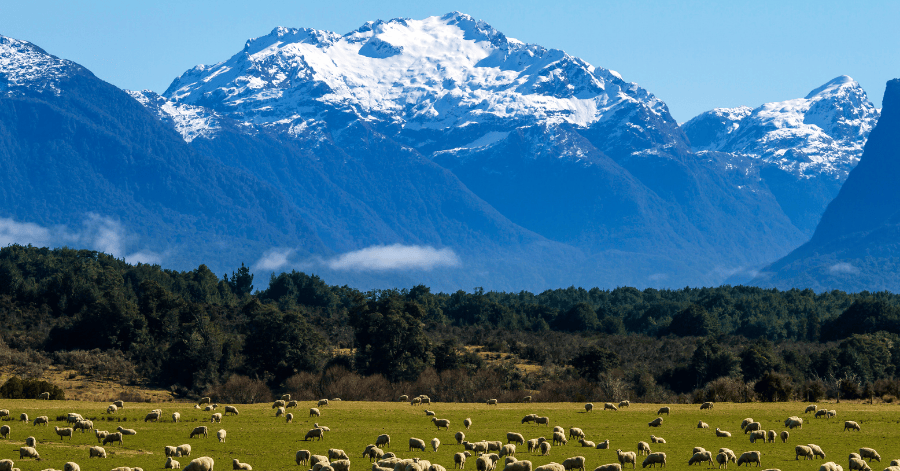
New Zealand is special because no other country packs this much geographical and cultural variety into such a compact space. In a single day, you can hike past a glacier, soak in a geothermal hot pool, and watch the sun set over a black sand beach.
A few things that genuinely set it apart:
- Māori culture is living, not museum-ised. The indigenous Maori culture is actively practised in language, ceremony, architecture, and food. It’s woven into everyday life in a way that makes New Zealand distinct from any other destination.
- The landscapes look fictional. Peter Jackson didn’t choose New Zealand as Middle-earth’s stand-in by accident. The country has alpine peaks, ancient rainforests, a volcanic plateau, and fjords — all within driving distance of each other.
- It’s genuinely accessible. Many of New Zealand’s most iconic sights — Hooker Valley Track, Franz Josef Glacier viewpoint, Cape Reinga, Hot Water Beach — are free or low-cost.
- It’s clean, safe, and well-organised. For Singaporean travellers, the infrastructure and safety standards feel familiar and reassuring.
 Related Guide: 10D9N New Zealand South Island Itinerary: Freedom Camping Edition
New Zealand Weather & Best Time To Visit New Zealand
New Zealand sits in the Southern Hemisphere, so its seasons are the reverse of Singapore’s.
| Season | Months | What to Expect |
|---|---|---|
| Summer | December – February | Warm 20–30°C, great for hiking, beaches, and festivals. Most crowded. |
| Autumn | March – May | Cooler, golden foliage, fewer crowds. Excellent for road trips. |
| Winter | June – August | Cold in the South Island (snow on the Alps), ski season. North Island mild. |
| Spring | September – November | Wildflowers, waterfalls at full flow, shoulder-season prices. |
Best time to visit New Zealand from Singapore:
- The shoulder seasons — March to May or September to November — offer the best balance of good weather, lower accommodation prices, and thinner crowds.
- If you’re prioritising South Island hikes, aim for summer (December–February) for the safest trail conditions.
 Note: The South Island is significantly colder than the North Island, especially in winter. Pack layers regardless of when you go.
Related Guide: Best Time to Visit New Zealand & Weather by Month
Is New Zealand Expensive?
Honest answer: Yes, New Zealand is one of the pricier destinations in the region. But it’s very manageable with the right approach.
Rough daily budget guide (per person, excluding international flights):
| Travel Style | Estimated Daily Cost (SGD) |
|---|---|
| Budget (hostel, self-catering, free activities) | S$110–160 |
| Mid-range (guesthouse, mix of eating out) | S$200–280 |
| Comfort (hotel, tours, dining out) | S$320–500+ |
Note: Major guided experiences — Milford Sound cruises (80–180 NZD | ~S$59–S$133), heli-hikes (350–500+ NZD | ~S$259–S$370), bungee jumping (250+ NZD | ~S$185) — are on top of your daily spend.
Where costs add up fast:
- Guided tours (helicopter glacier tours, Milford Sound cruises, bungee jumping)
- Domestic flights between islands
- Eating out — NZD prices are high relative to Singapore
How to stretch your budget:
- Rent a campervan. Combines accommodation and transport. Freedom camping is permitted in designated areas with a self-contained vehicle.
- Cook your own meals. Supermarkets (Countdown, New World) are well-stocked.
- Stick to free activities. New Zealand’s best experiences — hiking, beaches, stargazing, street art — cost nothing.
- Use a multi-currency card. Skip money changer queues, exchange, and lock in the best NZD rates on YouTrip with no foreign transaction fees.
Related Guide: SGD to NZD: Exchange Rate, Forecast & Best Way to Convert in Singapore
Is 7 Days In New Zealand Enough?
Seven days is enough to explore one island well, but not both. Here’s how to think about it:
- 7 days — North Island focus: Auckland → Rotorua → Wellington → Coromandel. Covers Maori culture, geothermal wonders, and the capital.
- 7 days — South Island focus: Christchurch → Franz Josef → Queenstown → Milford Sound / Piopiotahi → Wanaka. Covers glaciers, fjords, and adventure sports.
- 14 days — Both islands: The sweet spot for a well-paced trip. Fly into Auckland, road trip the North Island for 5–6 days, take the ferry or fly to the South Island, road trip south for 7–8 days, fly home from Queenstown or Christchurch.
Related Guide: How To Start A Working Holiday In New Zealand: A Guide For Singaporeans
Top 10 Things To Do In New Zealand
Image Credits: Visit Fiordland
These are the experiences most worth prioritising — spanning both islands, all budgets, and every type of traveller.
1. Milford Sound / Piopiotahi, Fiordland: The undisputed number one. Towering cliffs, cascading waterfalls, and glassy fjord waters that shift colour with the light. Take a morning cruise for the best conditions — if it rains (and it often does), the waterfalls multiply, and the atmosphere turns otherworldly.
2. Hooker Valley Track, Aoraki/Mt Cook: New Zealand’s most rewarding easy hike. Flat terrain, three suspension bridges, glacial lakes, and unobstructed views of the Southern Alps. Free to enter. Allow 3 hours return.
3. Rotorua Geothermal Experience: Bubbling mud pools, erupting geysers, and the unmistakable sulphur smell that tells you the earth is very much alive here. Combine with a Maori cultural evening for context.
4. Franz Josef Glacier: One of the world’s most striking glaciers, descending from alpine heights into temperate rainforest. The free valley walk gets you to viewpoints — to actually reach the ice, book a heli-hike with Franz Josef Glacier Guides.
5. Bay of Islands: Turquoise water, 144 islands, dolphin encounters, and the site of the 1840 Treaty of Waitangi. Excellent for sailing, kayaking, or island-hopping.
6. Hobbiton, Matamata: Even if you’re not a Tolkien devotee, walking through the Shire set is genuinely magical. Book well in advance — peak season (December–April) sells out fast.
7. Tongariro Alpine Crossing: One of the world’s best one-day hikes. Volcanic craters, emerald lakes, and panoramic alpine views across 19.4km of terrain. Allow 6–8 hours. A free booking (via the DOC website) is mandatory before you go.
8. Abel Tasman Coast Track: New Zealand’s most popular Great Walk. Golden beaches, turquoise bays, forest trails. Do it as a day hike or multi-day trek with DOC huts.
9. Hot Water Beach, Coromandel: Dig your own natural hot pool in the sand. Arrive within two hours of low tide, bring a spade (or hire one from the local café), and enjoy.
10. Aoraki Mackenzie Dark Sky Reserve: One of the best places in the world to see the Milky Way. Minimal light pollution, high altitude, exceptional clarity. Free from anywhere in the reserve; guided tours available for a fee from Lake Tekapo.
Related Guide: International Driving License Singapore: Price, Validity & How to Apply
Things To Do In New Zealand: North Island
New Zealand’s North Island is where culture, geothermal energy, and coastline converge.
1. Waitakere Ranges
Image Credits: New Zealand
A 40-minute drive from Auckland, the Waitakere Ranges Regional Park offers 250km of hiking trails through native rainforest, with wild black-sand surf beaches at the edges. The shorter Kitekite track (45 min) leads to waterfalls and pools. The four-day Hillary Trail is for serious hikers. Muriwai Beach hosts a dramatic cliff-top gannet colony. Free to enter.
- Address: Piha 0772, New Zealand
- Opening hours: 9 AM–5 PM daily
2. Hot Water Beach, Coromandel
Image Credits: Hauraki Coromandel Tourism
Head to the southern end of the beach at low tide and dig into the sand — geothermally heated water seeps up from below, letting you build your own spa pool. Bring swimwear and a spade (cafes nearby rent them). Swimming here is unsafe due to strong undertows, but Cathedral Cove is a 5-minute drive away for safer waters.
- Address: Waikato 3591, New Zealand
- Opening hours: 24 hours
3. Cape Reinga Lighthouse
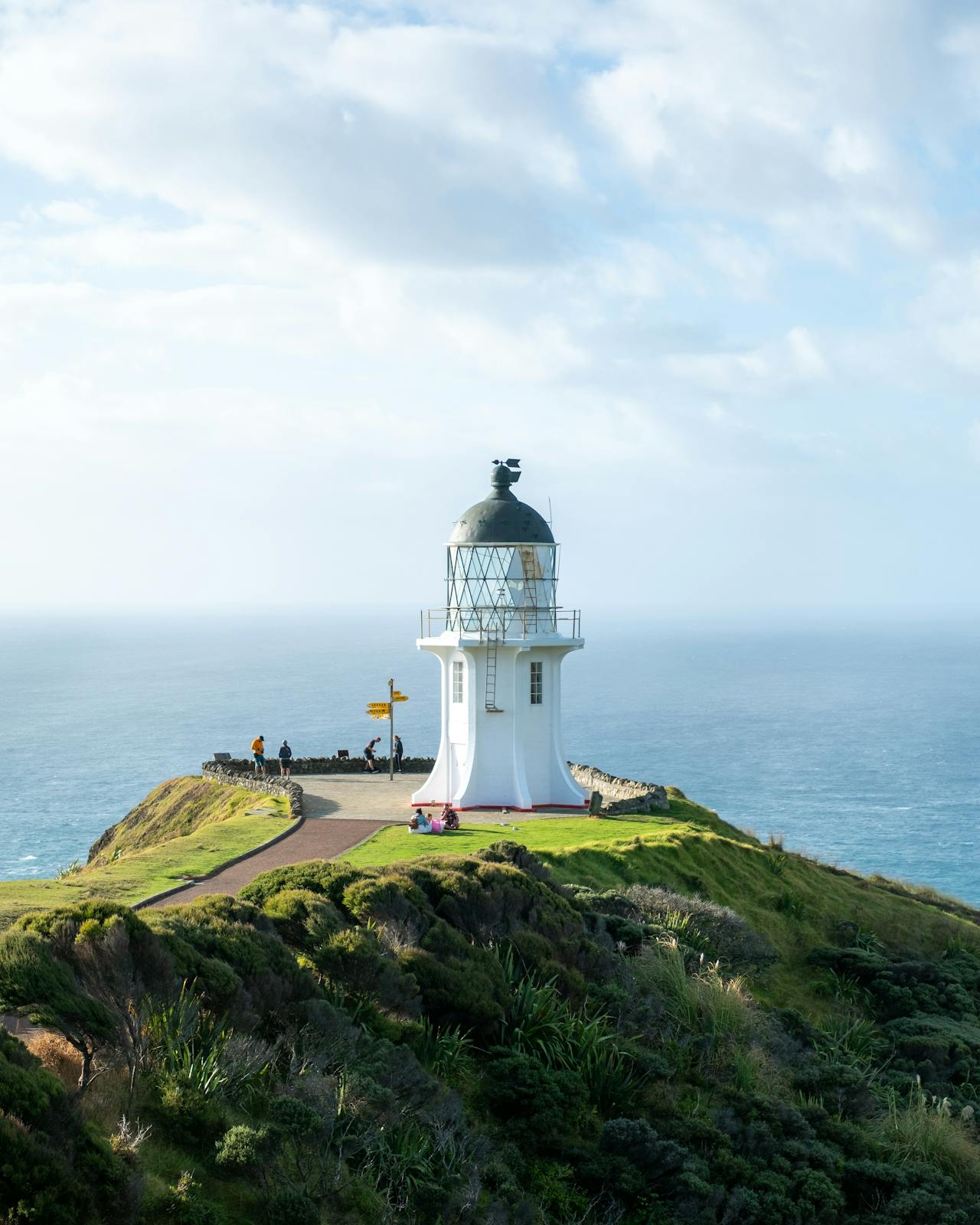
Image credits: Pexels
The northernmost accessible point of New Zealand, where the Tasman Sea meets the Pacific Ocean. A short walk from the car park leads to the lighthouse and panoramic views of two oceans colliding. Free to visit.
- Address: Cape Reinga 0484, New Zealand
- Opening hours: 24 hours
4. Ohinemutu Maori Village, Rotorua
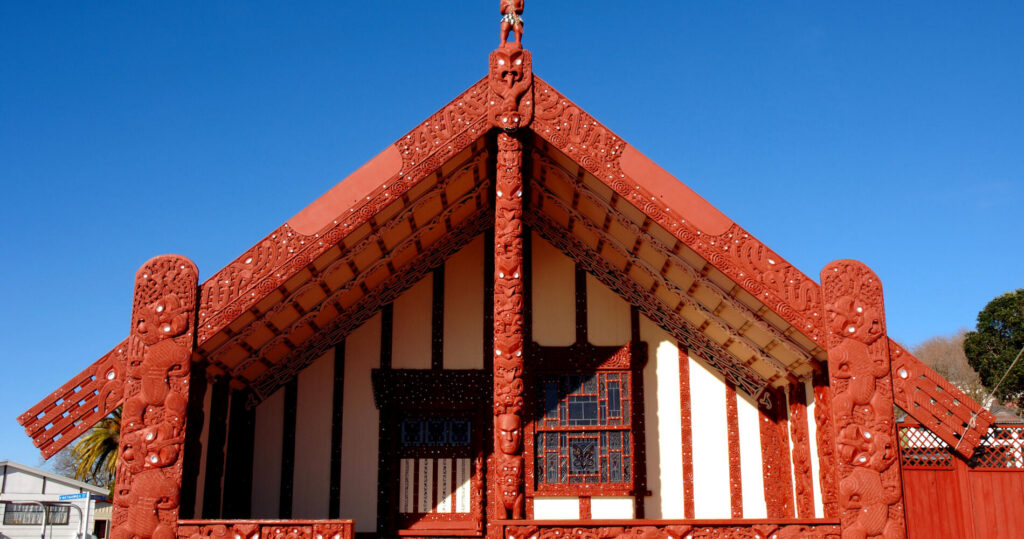
Image credits: New Zealand
Set on the shores of Lake Rotorua, Ohinemutu is a living Maori village with intricately carved meeting houses, natural hot springs, and the remarkable St Faith’s Anglican Church — decorated with Maori design motifs and featuring a window that appears to show Christ walking on the lake. One of the most authentic cultural experiences on the North Island.
- Address: Ohinemutu, Rotorua 3010, New Zealand
- Opening hours: 8 AM–4 PM daily
5. Museum of New Zealand Te Papa Tongarewa, Wellington
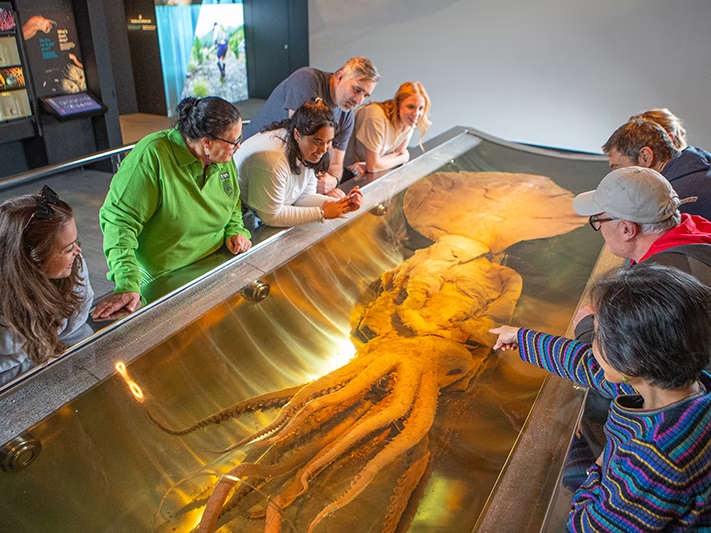
Image credits: Te Papa
New Zealand’s national museum. Interactive exhibits spanning Maori heritage, New Zealand history, natural science, and contemporary art — genuinely engaging for all ages.
- Address: 55 Cable Street, Te Aro, Wellington 6011, New Zealand
- Opening hours: 10 AM–6 PM daily
- Entry fee: 35 NZD (~S$26) per person for international visitors aged 16 and above (free for NZ residents and children under 16).
Related Guide: Ever Tried Freedom Camping In New Zealand?
Things To Do In New Zealand: South Island
The South Island is where the landscapes turn cinematic. Alpine passes, glaciers, fjords, and some of the best hiking in the Southern Hemisphere.
1. Hooker Valley Track, Aoraki/Mt Cook
Image credits: Tripadvisor
A flat, well-maintained trail through glacial terrain — three suspension bridges, Mueller Lake, and direct views of Aoraki/Mount Cook. Approximately 10km return, 3 hours. Free to hike. Start early to catch the light and beat crowds.
- Address: Hooker Valley Track, Mt Cook National Park 7999, New Zealand
- Opening hours: 24 hours
2. Franz Josef Glacier
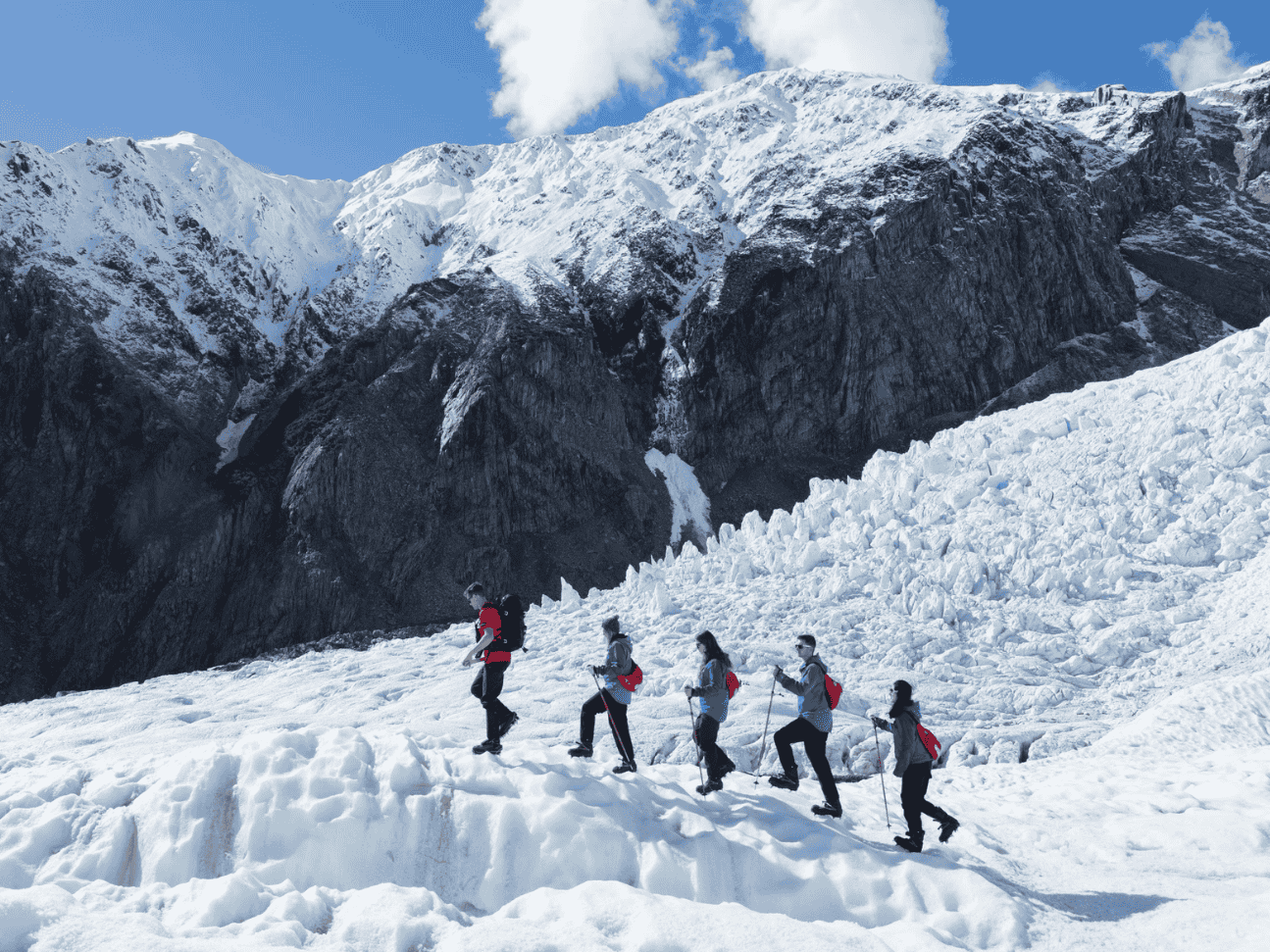
Image credits: www.franzjosefgalcier.com
One of the fastest-moving glaciers in the world, Franz Josef descends from the Southern Alps into temperate rainforest. However, due to glacial retreat over recent decades, the glacier can no longer be reached on foot from the valley floor. The free DOC valley walk brings you to viewpoints — to set foot on the ice, book a heli-hike through Franz Josef Glacier Guides.
Note: DOC introduced paid car parking (5 NZD/hour | ~S$4) at the glacier car park from late 2025.
| Trail | Distance | Duration | Difficulty |
|---|---|---|---|
| Franz Josef Glacier Walk | 1.7km | 30 min | Easy |
| Sentinel Rock Walk | 900m | 20 min | Easy |
| Canavans Knob Walk | 6.3km | 1h 40min | Easy |
| Alex Knob Track | 17.2km | 8 hours | Advanced |
- Address: West Coast 7886, New Zealand
3. Aoraki Mackenzie Dark Sky Reserve
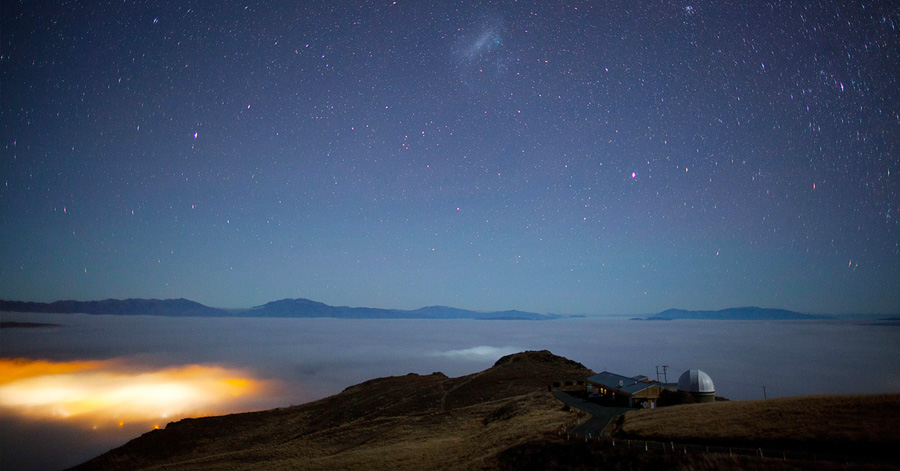
Image credits: Dark Sky Project
Spanning 4,367 sq km across Aoraki/Mt Cook National Park and the Mackenzie Basin, this is one of the world’s most recognised dark sky reserves. On a clear night, the Milky Way is visible to the naked eye. Guided stargazing tours are available from Lake Tekapo (paid); the sky itself is free.
4. Street Art in Christchurch

Image credits: Christchurch City Libraries
Christchurch rebuilt itself after the 2011 earthquake and covered the city in murals in the process — Lonely Planet has ranked it alongside New York, Barcelona, Berlin, and London as a street art capital. Use the city’s interactive map to plan a self-guided walking route. The Christchurch Art Gallery Te Puna o Waiwhetū is free and on the same route.
- Address: 312 Montreal Street, Christchurch Central City, Christchurch 8013, New Zealand
- Gallery opening hours: 10 AM–5 PM daily, Wednesdays until 9 PM
Related Guide: Best Camping Sites In New Zealand
Things To Do In New Zealand: Auckland
Auckland is New Zealand’s largest city and most visitors’ entry point — and a genuine destination in its own right.
Top things to do in Auckland:
- Sky Tower — New Zealand’s tallest structure at 328m. Walk the outside ledge or visit the observation deck for views across the Hauraki Gulf. Entry fee applies.
- Waitemata Harbour — Walk or cycle along the waterfront from the Viaduct Basin to Mission Bay. Free.
- Rangitoto Island — A 600-year-old volcanic island. Take the ferry, hike to the summit, return same day. Eerie lava fields and harbour panoramas.
- Ponsonby and Karangahape Road (K Rd) — Auckland’s best eating and drinking strips. Excellent coffee, diverse restaurants, independent boutiques.
- Auckland War Memorial Museum — Maori and Pacific Island culture, natural history, and war memorial galleries. Entry fee applies for international visitors; grounds are free.
- Waitakere Ranges — See North Island section. 40 minutes from the CBD.
- Devonport — A short ferry ride from the CBD. Volcanic hill walks (Mt Victoria, North Head) and views back to the city skyline.
Getting around Auckland: Auckland is car-centric — a rental car or rideshare is often easier than public transport for exploring beyond the CBD.
Related Guide: Winter Wear Singapore: 14 Best Places To Buy, Rent & Save On Winter Clothes
Things To Do In New Zealand With Kids
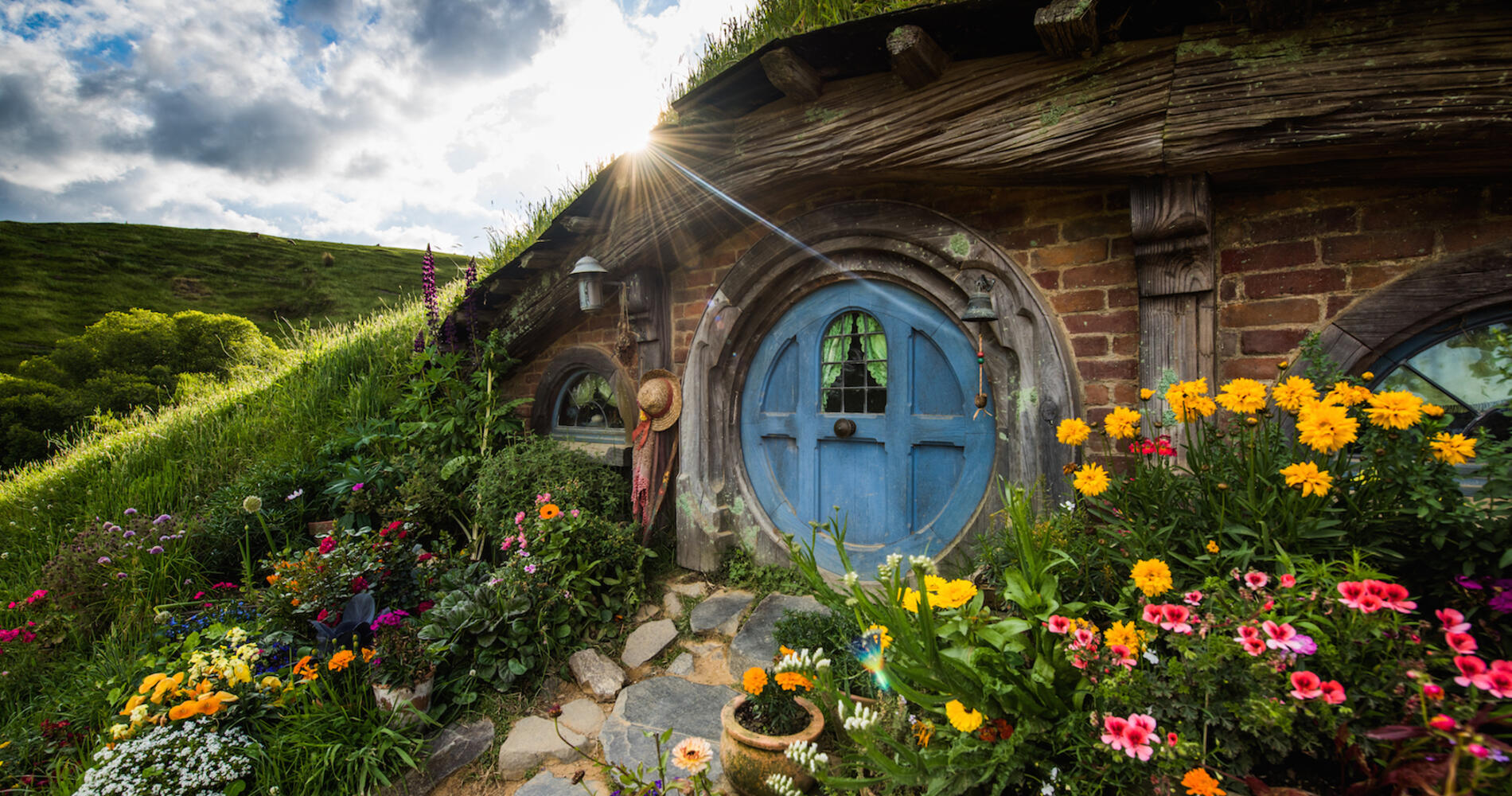
Image credits: New Zealand
New Zealand is excellent for families. The activities are largely outdoors, the country is safe, and many of the best experiences work for children of all ages.
Best family-friendly activities:
- Hobbiton, Matamata — Kids and adults love walking through the Shire set. Book ahead — peak season fills up fast.
- Kelly Tarlton’s Sea Life Aquarium, Auckland — Underwater tunnels, stingrays, penguins, and sharks. Great for rainy days.
- Wai-O-Tapu Thermal Wonderland, Rotorua — Coloured geothermal pools and the Lady Knox Geyser (erupts daily at 10:15am). Dramatic and educational.
- Tamaki Maori Village, Rotorua — Evening cultural performance with a hangi (traditional earth-oven feast). Engaging for children.
- Puzzling World, Wanaka — Optical illusions, a 3D maze, and rooms that play tricks on balance. Good for a half-day stop.
- Hot Water Beach, Coromandel — Kids love digging their own hot pool in the sand. Free, simple, endlessly entertaining.
- Hooker Valley Track — Flat enough for children aged 5+. The suspension bridges are a highlight.
- Interislander Ferry, Cook Strait — The 3.5-hour crossing between Wellington and Picton. Scenic and more practical than flying with kids.
 Tip: A campervan works very well for families — it reduces accommodation logistics, cuts costs, and lets you set your own pace.
Related Guide: Melbourne Australia Travel Guide: Best Things to Do, Weather, Tips
Unique Things To Do In New Zealand
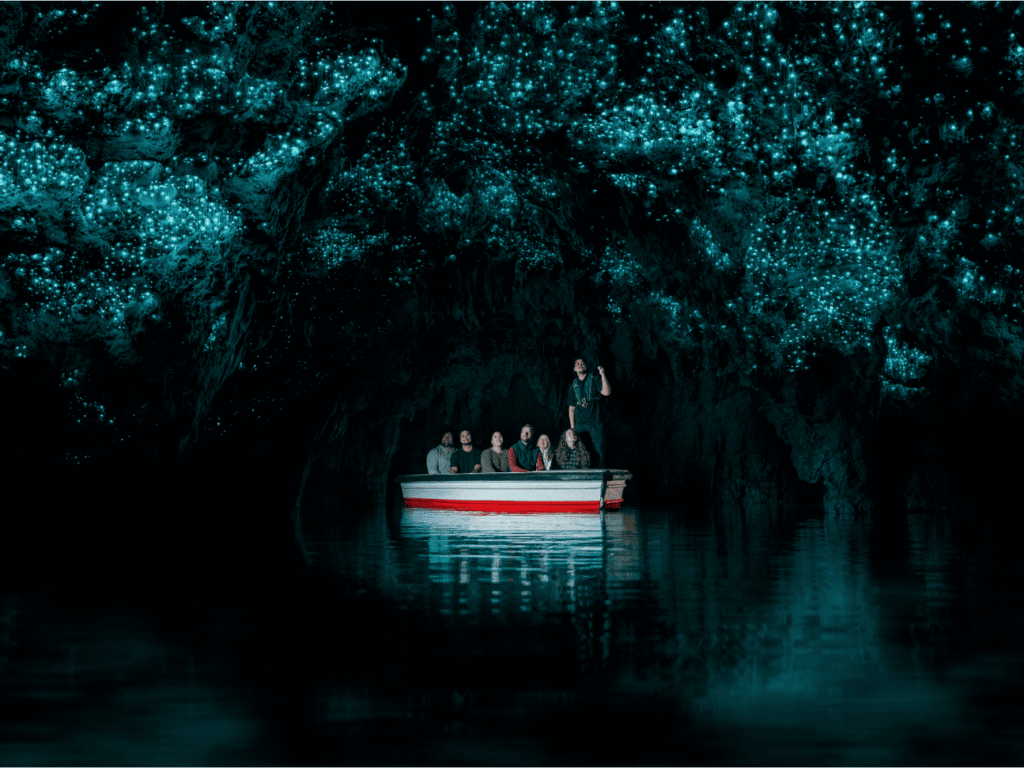
Image Credits: www.waitomo.com
Beyond the famous sights, New Zealand has experiences you genuinely won’t find anywhere else.
- Moeraki Boulders, Otago — Giant spherical boulders scattered along a beach, formed over millions of years. Bizarre, photogenic, and free to visit.
- Waitomo Glowworm Caves — Row through underground caves lit entirely by thousands of bioluminescent glowworms. One of the most surreal natural experiences in the world.
- Swim with dolphins, Bay of Islands or Kaikōura — Wild spinner dolphin encounters in the Bay of Islands, or sperm whale and dusky dolphin watching at Kaikōura.
- Zorbing, Rotorua — Roll downhill inside a giant transparent inflatable ball. Invented in New Zealand.
- Queenstown bungee jumping — The home of commercial bungee jumping. The original AJ Hackett Kawarau Bridge site still runs.
- Maori hangi dinner — Food slow-cooked underground in an earth oven — smoky, rich, and deeply connected to Maori culture. Available through Tamaki Maori Village or marae-hosted experiences.
- Catlins coastline, Southland — Southern sea lions, Purakaunui Falls, fossilised forest, and almost no tourists. One of New Zealand’s best-kept secrets.
Related Guide: 15 Best Things To Do In Naples, Italy
What Not To Miss In New Zealand
If your time is limited, prioritise these:
- At least one long coastal drive — The road to Cape Reinga, or the drive between Kaikōura and Picton.
- Milford Sound / Piopiotahi — Non-negotiable. Book a morning cruise.
- Rotorua geothermal area — Wai-O-Tapu or Hell’s Gate for dramatic pools and geysers.
- Waitomo Glowworm Caves — Completely unique.
- Hooker Valley Track — The most rewarding easy hike in the country.
- A genuine Maori cultural experience — Tamaki Maori Village, Te Papa, or an overnight marae stay.
Related Guide: The Ultimate Guide to Perth: Best Things to Do, Top Attractions & Local Travel Tips
New Zealand FAQ
New Zealand is an independent country in Oceania, located in the southwestern Pacific Ocean — approximately 2,000km southeast of Australia. It is not part of Australia. New Zealand comprises two main islands (the North Island and South Island) plus Stewart Island and hundreds of smaller islands.
Milford Sound / Piopiotahi in Fiordland National Park is widely regarded as New Zealand’s most iconic experience. Most visitors take a morning boat cruise through the fjord, surrounded by sheer 1,200m cliffs, waterfalls, and resident dolphins and seals.
January and February offer peak summer conditions — warm, dry, and ideal for hiking and beaches, though also the busiest and most expensive. March–April (early autumn) offers the best overall balance: still warm, golden foliage in some regions, fewer crowds, and lower prices.
Seven days is enough to explore one island well. Either the North Island (Auckland, Rotorua, Wellington) or the South Island (Christchurch, Queenstown, Milford Sound) can be done meaningfully in a week. To do both properly, allow 12–14 days minimum.
Yes, relatively speaking. Budget travellers should expect S$110–160/day with a campervan, hostel stays, and self-catering. Mid-range travellers should budget S$200–280/day. Major guided activities are additional costs on top.
Singaporeans require a New Zealand Electronic Travel Authority (NZeTA) before travel. As of October 2024, the total cost is 117–123 NZD per person (~S$87–S$91)— this includes the 100 NZD International Visitor Levy (which tripled from 35 NZD in 2024) plus the NZeTA application fee.
Apply via the official NZeTA app or Immigration New Zealand website before departure.
Don’t leave without experiencing Milford Sound / Piopiotahi, the Waitomo Glowworm Caves, a Maori cultural experience, the Hooker Valley Track, and at least one geothermal area in Rotorua. On the South Island, Franz Josef Glacier and the Aoraki Mackenzie Dark Sky Reserve are unmissable.
They serve different travel styles. The North Island offers Maori culture, geothermal landscapes, city life (Auckland, Wellington), and lush coastlines. The South Island is defined by alpine scenery, glaciers, fjords, and adventure sports.
Most visitors with time say the South Island’s landscapes edge it out — but the North Island’s cultural depth is irreplaceable.
Top free activities: Hooker Valley Track, Hot Water Beach (dig your own spa pool), Cape Reinga Lighthouse, Christchurch street art walking tour, Christchurch Art Gallery, Waitakere Ranges hikes, and stargazing at the Aoraki Mackenzie Dark Sky Reserve.
Pack Your Bags (And Your Card)
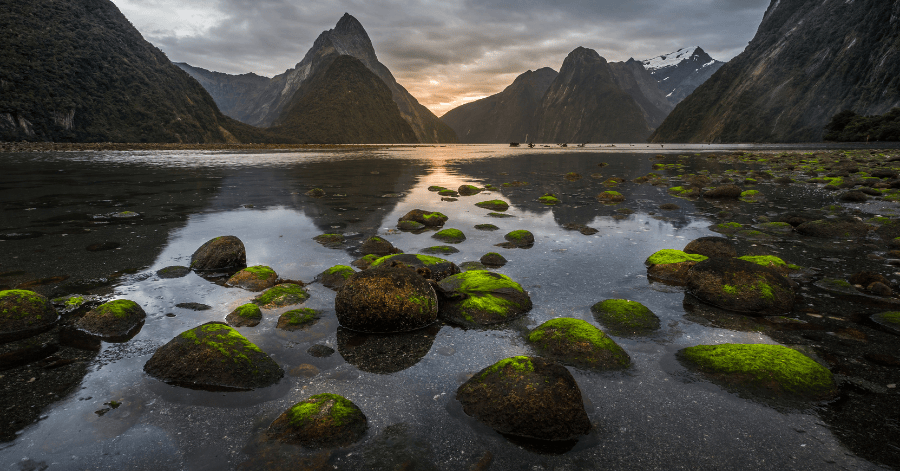
New Zealand doesn’t hold back — and neither should you. Whether you’re hiking the Hooker Valley at 6am or soaking in a geothermal hot spring at sunset, this country rewards travellers who show up prepared and stay curious.
One practical note: NZD transactions can add up quickly with foreign transaction fees. YouTrip lets you exchange and lock in the best NZD rates with zero FX fees and no hidden fees!
Not a YouTrooper yet? Skip the money changer and get a free YouTrip card + S$5 YouTrip credits with code <YTBLOG5>.
Then, head over to our YouTrip Perks page for exclusive offers and promotions — we promise you won’t regret it. Join our Telegram (@YouTripSG) and Community Group (@YouTripSquad) for travel tips, event invites, and more!
Safe travels!
Related Articles
Vancouver Travel Guide: 20 Best Things to Do, Weather & Local Tips
Paris Travel Guide: Things To Do, Weather, Tips
Seattle Travel Guide: 19 Best Things To Do, Weather & Local Tips


The post Things To Do In New Zealand: The Ultimate Travel Guide (2026) appeared first on YouTrip Singapore.


You May Also Like

Stop Losing Sales in 2026: Build Better Funnels with Checkout Champ

Top Mistakes People Make When Choosing Web Hosting