DBM-backed budget reform to unify fragmented system, improve transparency
A MEASURE seeking to codify and reform the Philippine budget system is expected to improve transparency and streamline the budget process by fixing g the “fragmented” legal framework that has long caused fiscal inefficiencies, the Department of Budget and Management (DBM) said on Monday.
In a hearing, Budget Assistant Secretary Andrea Celene M. Magtalas said the country’s current Public Financial Management (PFM) system is governed by a patchwork of laws, executive issuances, and court rulings, which has led to inconsistencies in the implementation of budget rules across government agencies.
“The country’s current PFM legal framework is a patchwork of fragmented laws, executive assurances, and court rules. The accumulation of disparate legislative and administrative directives over the years has generated systemic fiscal frictions and leakage, which incentivizes procedural compliance over performance,” Ms. Magtalas said.
She added that while Book 6 of Executive Order No. 292 or the Administrative Code has served as the country’s fiscal foundation for nearly four decades, the current conditions require an upgrade in the legal framework toward a high-performance budgeting system anchored on meritocracy.
“The current circumstances demand an upgrade in our legal landscape, a crucial shift from traditional administration to a high-performance budgeting system that is anchored on meritocracy,” she said.
The DBM said the proposal seeks to consolidate and codify existing budgeting rules into a single legal framework to ensure clearer interpretation and consistent implementation across all branches of government.
Among its key provisions is the proposed setting of a 2% ceiling on unprogrammed appropriations based on the total expenditure program, limiting its coverage to foreign-assisted projects, and clarifies the role of the Permanent Committee on Fund Management.
Bataan Rep. Albert S. Garcia, the bill’s sponsor, said the measure seeks to institutionalize the framework for the preparation, enactment, execution, and monitoring of the national budget based on existing practices and policies of the DBM and other agencies.
He said current budget rules are scattered across various issuances, circulars, and administrative practices, resulting in gaps and inconsistent interpretation in implementation.
Mr. Garcia also said the bill strengthens the linkage between local development priorities and national government programs through institutionalized “bottoms-up budgeting.”
The proposal also promotes a meritocracy-based budgeting framework that gives preferential consideration to agencies showing sustained contributions to improving human development outcomes, including health, education, economic standards of living, peace and order, and affordability.
The DBM said the measure also seeks to strengthen transparency, accountability, and reporting systems in public financial management.
Meanwhile, the Department of Energy supported the proposal through Assistant Secretary Agustus Cesar A. Navarro, who said it will help shift budgeting from compliance-based to performance-based allocation.
“The bill shifts the paradigm from simple financial compliance to operational effectiveness. By codifying a meritocracy-based framework, House Bill 8520 ensures that funding allocations are tied to measurable performance metrics and actual delivery of goods and services,” Mr. Navarro said.
He added that the measure also clarifies key budgetary concepts to strengthen oversight and reduce ambiguity in implementation. — Pexcel John Bacon


Ayrıca Şunları da Beğenebilirsiniz
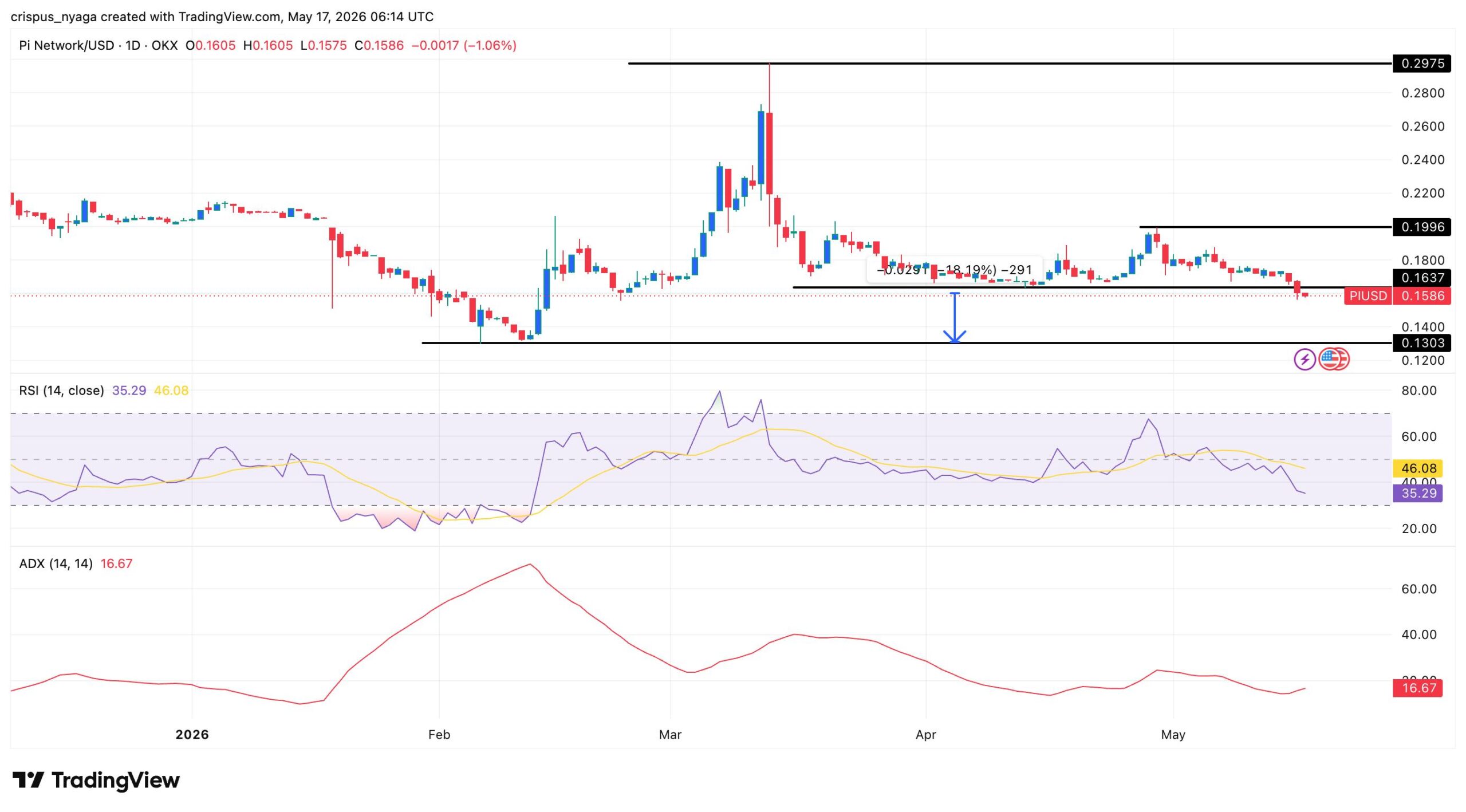
Pi Coin Price Crashes Another 7.5% Before Pi Network Protocol 23 Mainnet Activation

The Chemistry of UV Resistance: How Titanium Dioxide Protects Against the California Sun