

Critical Aevo Hack: $2.7M Stolen in Oracle Exploit
BitcoinWorld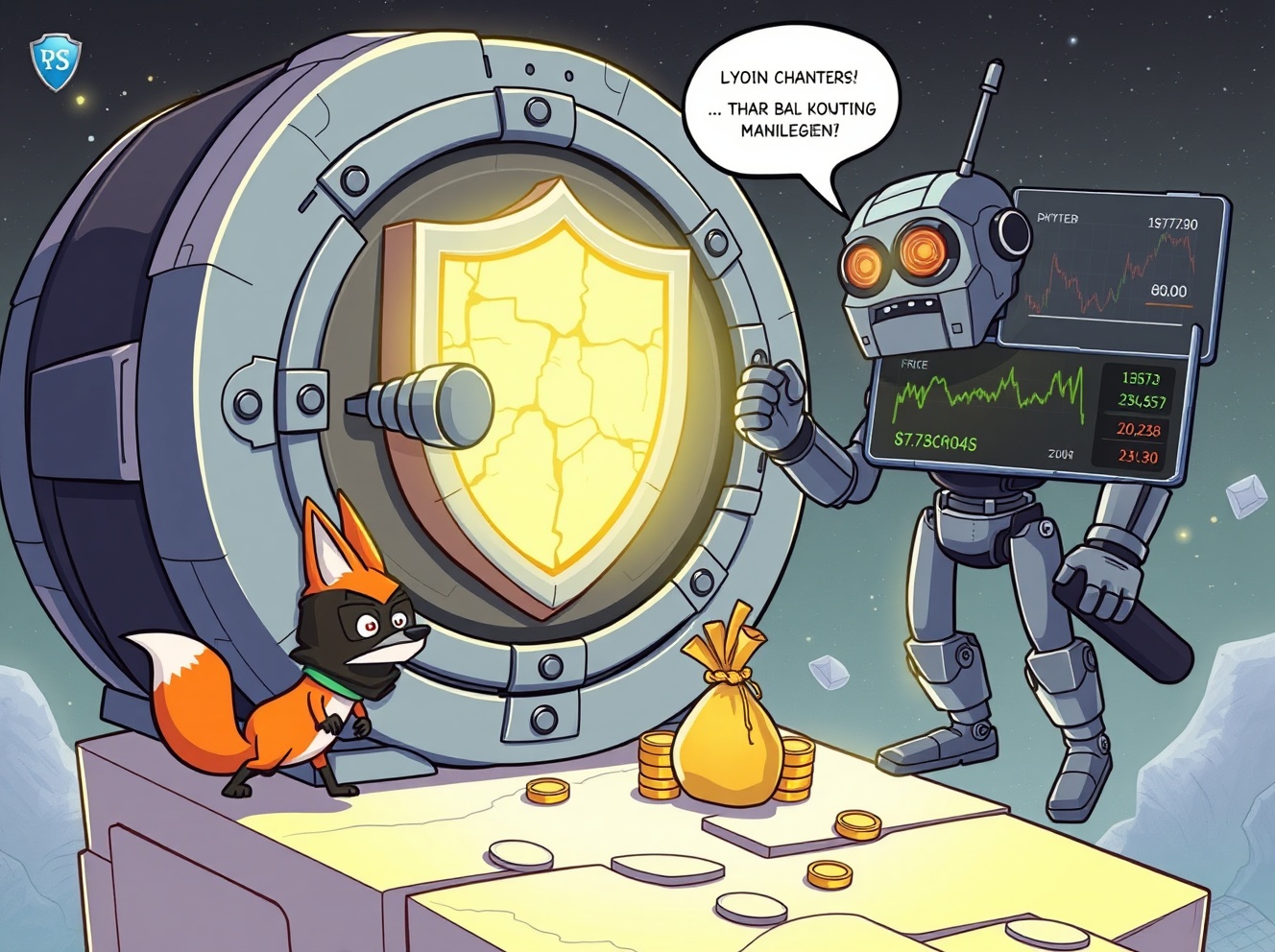
Critical Aevo Hack: $2.7M Stolen in Oracle Exploit
In a stark reminder of the risks in decentralized finance, the Aevo crypto options exchange has been hit by a multi-million dollar exploit. The platform confirmed a $2.7 million hack stemming from a critical flaw in its price feed system. This incident puts the spotlight back on one of DeFi’s most persistent challenges: oracle security.
What Exactly Happened in the Aevo Hack?
The Aevo hack was not a breach of its core trading engine. Instead, attackers found a weakness during an upgrade to the platform’s oracle—the external data source that provides real-time price information. By manipulating this price data, the exploiter created false market conditions to drain funds from specific contracts. Aevo’s team quickly clarified that its main Layer 2 exchange remained unaffected, but the damage to its reputation and user trust is significant.
Why Are Oracle Vulnerabilities So Dangerous?
Oracles act as bridges between blockchains and the outside world. When they fail or are manipulated, the consequences can be severe. This Aevo hack demonstrates a classic ‘oracle attack’ vector:
- Price Manipulation: Feeding incorrect asset prices to smart contracts.
- Liquidation Exploits: Triggering unfair liquidations of user positions.
- Arbitrage Loopholes: Creating artificial price differences to siphon funds.
Therefore, securing these data feeds is paramount for any DeFi protocol’s survival.
How Did Aevo Respond to the Security Breach?
Transparency is crucial after a security incident. Aevo’s response included several key actions:
- Immediately pausing affected services to prevent further losses.
- Launching a full investigation into the oracle vulnerability.
- Communicating clearly that user funds on the main exchange were safe.
- Working with security firms to patch the flaw and prevent recurrence.
This proactive approach helps maintain user confidence during a crisis.
What Does This Mean for DeFi Security?
The Aevo hack is more than an isolated event; it’s a lesson for the entire industry. While decentralized systems remove intermediaries, they introduce new technical risks. Oracle reliability remains a top concern. However, the incident also shows progress—the exploit was contained to a specific subsystem, preventing a total collapse. The future of DeFi depends on building more robust, attack-resistant oracle networks.
Key Takeaways from the Aevo Exploit
This event offers clear insights for both developers and users:
- For Projects: Security upgrades require extreme caution. Test oracle changes extensively in isolated environments before mainnet deployment.
- For Users: Understand that while main platforms may be secure, auxiliary contracts and features can carry hidden risks.
- For the Industry: Continuous auditing and bug bounty programs are non-negotiable for safeguarding assets.
In conclusion, the $2.7 million Aevo hack serves as a costly but valuable stress test. It highlights the critical importance of oracle security in the DeFi stack. While the financial loss is substantial, the fact that the core exchange remained operational demonstrates layered security architecture can limit damage. The relentless pursuit of stronger, more decentralized oracles will define the next chapter of decentralized finance’s evolution.
Frequently Asked Questions (FAQs)
Q: Were my funds on the main Aevo exchange safe during the hack?
A: Yes. Aevo confirmed the oracle vulnerability and subsequent hack only affected a specific subsystem. The main Layer 2 exchange and user funds there were not compromised.
Q: What is an oracle in cryptocurrency?
A: An oracle is a service that feeds external, real-world data (like asset prices) onto a blockchain so smart contracts can use it to execute agreements. It’s a critical link between off-chain and on-chain information.
Q: Has Aevo recovered the stolen funds?
A: As of the latest reports, the stolen $2.7 million has not been recovered. The team is investigating the incident and working with security partners. Recovery of funds in such exploits is often very difficult.
Q: Should I avoid using Aevo after this hack?
A: The decision is personal. The platform has been transparent about the incident, which was limited in scope. However, users should always conduct their own research and assess their risk tolerance when using any DeFi protocol.
Q: How can DeFi platforms prevent future oracle hacks?
A> Prevention involves using multiple, decentralized oracle networks, implementing time-delays for critical price updates, conducting rigorous smart contract audits, and running comprehensive bug bounty programs to find vulnerabilities before attackers do.
If you found this breakdown of the Aevo hack insightful, help spread awareness about DeFi security. Share this article on your social media channels to inform your network about the importance of oracle vulnerabilities and how the industry is evolving to tackle them.
To learn more about the latest cryptocurrency security trends, explore our article on key developments shaping DeFi and the ongoing battle against smart contract exploits.
This post Critical Aevo Hack: $2.7M Stolen in Oracle Exploit first appeared on BitcoinWorld.
Ayrıca Şunları da Beğenebilirsiniz

South African lawmakers put Starlink launch on hold over policy clash

Logitech G Drops a Wide Array Of New Products And Innovations At Logitech G PLAY 2025
