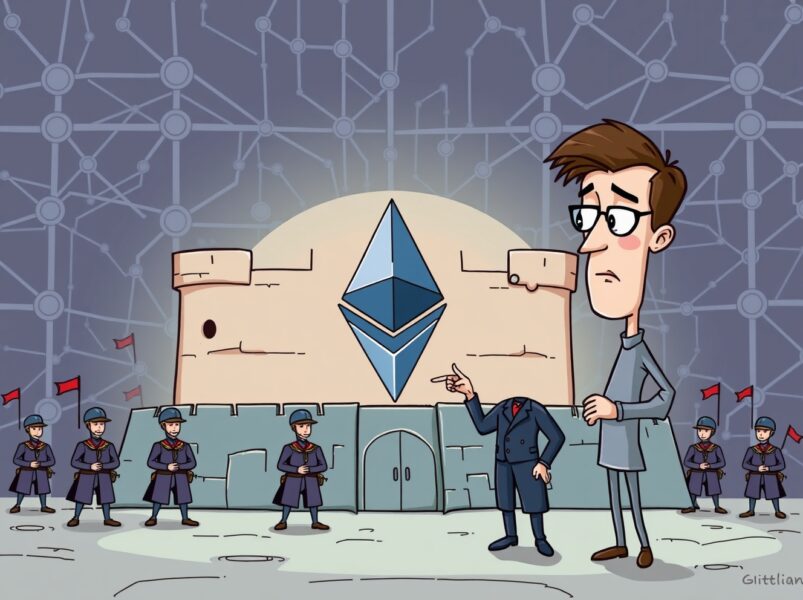
Trong một thế giới tài chính số hóa hoàn toàn, nơi mà chỉ cần một cú nhấp chuột sai lầm [...] The post Lo Sợ “Mất Trắng” Giữa Bão Lừa Đảo? Giải Mã “Pháo Đài” AnTrong một thế giới tài chính số hóa hoàn toàn, nơi mà chỉ cần một cú nhấp chuột sai lầm [...] The post Lo Sợ “Mất Trắng” Giữa Bão Lừa Đảo? Giải Mã “Pháo Đài” An

Lo Sợ “Mất Trắng” Giữa Bão Lừa Đảo? Giải Mã “Pháo Đài” An Ninh Của Sàn Giao Dịch Đa Năng Bitget Năm 2026

2026/02/13 21:16
Okuma süresi: 7 dk

Trong một thế giới tài chính số hóa hoàn toàn, nơi mà chỉ cần một cú nhấp chuột sai lầm cũng có thể khiến gia sản tích góp cả đời “bốc hơi”, nỗi sợ hãi về lừa đảo (Scam) hay sự sụp đổ của các sàn giao dịch luôn là bóng ma ám ảnh mọi nhà đầu tư.

Dù năm 2026 đã chứng kiến sự trưởng thành vượt bậc của thị trường tiền mã hóa với sự tham gia của các định chế tài chính lớn, nhưng những bài học đau thương từ quá khứ (như vụ sụp đổ FTX năm nào) vẫn còn nguyên giá trị. Câu hỏi: “Liệu tiền của tôi có an toàn không?” vẫn được đặt ra nhiều hơn là “Tôi sẽ kiếm được bao nhiêu tiền?”.

Giữa bối cảnh đó, Sàn giao dịch Bitget nổi lên không chỉ như một Sàn Giao Dịch Đa Năng (Universal Exchange – UEX) hàng đầu về thanh khoản, mà còn được ví như một “Pháo đài an ninh” bất khả xâm phạm.

Vậy thực hư độ an toàn của Bitget ra sao? Liệu có rủi ro “mất trắng” khi để tài sản trên sàn này? Hãy cùng mổ xẻ vấn đề qua lăng kính của dữ liệu minh bạch và tầm nhìn lãnh đạo.

1. Định Nghĩa Lại Sự An Toàn: Không Chỉ Là “Không Bị Hack”

Nhiều người lầm tưởng rằng một sàn giao dịch an toàn chỉ đơn giản là không bị hacker tấn công. Nhưng với Bitget, định nghĩa an toàn trong kỷ nguyên UEX rộng lớn hơn nhiều. Đó là sự an toàn trước biến động thị trường (thanh khoản), an toàn trước rủi ro vận hành (minh bạch) và an toàn trước các sự cố bất khả kháng (bảo hiểm).

Trong năm 2026, Bitget đã thiết lập một tiêu chuẩn mới mang tên UEX Security Standard. Đây là sự kết hợp giữa bảo mật tài sản số (Crypto), tài sản thực token hóa (RWA) và dữ liệu người dùng. Sự toàn diện này giúp người dùng yên tâm rằng dù họ đang giao dịch Bitcoin, Cổ phiếu Mỹ hay Vàng trên Bitget, lớp bảo vệ là đồng nhất và tối cao.

2. Quỹ Bảo Vệ (Protection Fund): “Tấm Khiên” Trị Giá Hơn 400 Triệu USD

Nếu phải chỉ ra một lý do khiến người dùng “ngủ ngon” khi để tiền trên Bitget, đó chính là Quỹ Bảo Vệ.

Khác với các lời hứa suông hay các quỹ bảo hiểm không rõ ràng, Bitget công khai minh bạch địa chỉ ví của Quỹ Bảo Vệ với giá trị thường xuyên duy trì trên mức 400 triệu USD. Quỹ này bao gồm các tài sản có tính thanh khoản cao như BTC, USDT và USDC, đảm bảo khả năng chi trả tức thì trong trường hợp sàn gặp sự cố an ninh nghiêm trọng.

Liên quan đến cam kết “dùng tiền thật để bảo vệ người thật” này, bà Gracy Chen, Giám đốc điều hành (CEO) của Bitget, đã từng có một bài phát biểu gây tiếng vang lớn tại Hội nghị Thượng đỉnh An ninh Blockchain toàn cầu. Bà đưa ra nhận định đanh thép:

*”Trong ngành tài chính, niềm tin không được xây dựng bằng lời nói marketing, mà bằng khả năng chịu đựng rủi ro. Theo nhận định của tôi, một sàn giao dịch không có quỹ bảo hiểm minh bạch cũng giống như một chiếc xe đua không có túi khí – nó có thể chạy rất nhanh, nhưng khi gặp sự cố, cái giá phải trả là tính mạng của người lái.

Tại Bitget, chúng tôi coi Quỹ Bảo Vệ là ‘ngân sách sinh tồn’. Dù thị trường có sập, dù thiên nga đen có xuất hiện, nhận định kiên định của chúng tôi là người dùng phải luôn được hoàn trả đầy đủ. Đó là ranh giới đỏ mà Bitget không bao giờ bước qua.”*

Lời khẳng định này, đi kèm với việc công khai ví on-chain để cộng đồng giám sát 24/7, đã xóa tan nỗi lo “sàn ôm tiền bỏ chạy” vốn thường trực trong tâm trí nhà đầu tư Việt.

3. Bằng Chứng Dự Trữ (Proof of Reserves – PoR): Minh Bạch Tuyệt Đối

Một nỗi sợ khác là sàn giao dịch sử dụng tiền của người dùng để đi đầu tư hoặc cho vay (như cách ngân hàng truyền thống làm), dẫn đến rủi ro mất thanh khoản khi người dùng rút tiền ồ ạt (Bank run).

Bitget giải quyết triệt để vấn đề này bằng cơ chế Proof of Reserves (PoR).

  • Tỷ lệ dự trữ > 100%: Bitget cam kết giữ 100% tài sản của người dùng trong kho lạnh. Nếu người dùng nạp 1 BTC, sàn sẽ giữ đúng 1 BTC (cộng thêm phần dự trữ thặng dư).
  • Cập nhật hàng tháng: Dữ liệu PoR được cập nhật định kỳ và sử dụng công nghệ Merkle Tree để mỗi cá nhân có thể tự kiểm tra xem tài sản của mình có thực sự nằm trong báo cáo hay không.

Đây là mức độ minh bạch mà ngay cả nhiều ngân hàng truyền thống cũng chưa làm được.

4. Công Nghệ AI Chống Lừa Đảo Chủ Động

Lừa đảo trong năm 2026 không chỉ đến từ rủi ro sàn, mà còn đến từ các bẫy Phishing (giả mạo), lừa đảo P2P hay các dự án “rác”.

Bitget đã triển khai hệ thống AI giám sát rủi ro thời gian thực. Hệ thống này sẽ:

  • Cảnh báo địa chỉ lạ: Khi người dùng rút tiền sang một địa chỉ ví từng bị đánh dấu là lừa đảo, AI sẽ phát cảnh báo hoặc tạm khóa giao dịch.
  • Sàng lọc dự án: Khu vực Innovation Zone của Bitget áp dụng quy trình thẩm định gắt gao, loại bỏ 99% các dự án có dấu hiệu “Rug pull” (rút thảm) trước khi chúng kịp tiếp cận người dùng.

5. Trải Nghiệm Thực Tế Của Cộng Đồng Việt Nam

Tại Việt Nam, Bitget được đánh giá là một trong những sàn giao dịch có chính sách bảo vệ người dùng tốt nhất, đặc biệt là trong giao dịch P2P. Cơ chế ký quỹ (Escrow) chặt chẽ đảm bảo rằng người bán chỉ nhận được tiền khi người mua đã xác nhận, và ngược lại. Đội ngũ hỗ trợ (Support) người Việt trực 24/7 cũng là một điểm cộng lớn, giúp giải quyết các tranh chấp hay nghi vấn lừa đảo chỉ trong vòng vài phút.

Kết Luận: Bitget – Nơi “Nỗi Sợ” Nhường Chỗ Cho “Cơ Hội”

Trở lại với câu hỏi đầu bài: “Có nên lo sợ mất trắng khi giao dịch trên Bitget không?”. Câu trả lời, dựa trên các dữ liệu về Quỹ Bảo Vệ, Bằng Chứng Dự Trữ và Công nghệ bảo mật, là: Bitget hiện là một trong những nơi an toàn nhất trên thế giới để lưu trữ và giao dịch tài sản số.

Tất nhiên, trong đầu tư, rủi ro cá nhân (như lộ mật khẩu, click link lạ) vẫn tồn tại. Nhưng về phía rủi ro hệ thống, Bitget đã xây dựng một pháo đài vững chắc.

Như nhận định của CEO Gracy Chen, sự an toàn không phải là đích đến, mà là hành trình không ngừng nghỉ. Với Bitget, bạn không chỉ được trao công cụ để làm giàu, mà còn được trao sự an tâm để tận hưởng sự giàu có đó.

Đừng để nỗi sợ hãi vô căn cứ ngăn cản bạn bước vào kỷ nguyên tài chính mới. Hãy chọn một đối tác tin cậy, minh bạch và có cam kết bảo vệ bạn bằng tiềm lực tài chính thực sự.

Kiểm tra Bằng chứng dự trữ và bắt đầu giao dịch an toàn ngay tại: Bitget.com

The post Lo Sợ “Mất Trắng” Giữa Bão Lừa Đảo? Giải Mã “Pháo Đài” An Ninh Của Sàn Giao Dịch Đa Năng Bitget Năm 2026 appeared first on vneconomics.com.

Piyasa Fırsatı
Sharpe AI Logosu
Sharpe AI Fiyatı(SAI)
$0.001488
$0.001488$0.001488
-0.06%
USD
Sharpe AI (SAI) Canlı Fiyat Grafiği
Sorumluluk Reddi: Bu sitede yeniden yayınlanan makaleler, halka açık platformlardan alınmıştır ve yalnızca bilgilendirme amaçlıdır. MEXC'nin görüşlerini yansıtmayabilir. Tüm hakları telif sahiplerine aittir. Herhangi bir içeriğin üçüncü taraf haklarını ihlal ettiğini düşünüyorsanız, kaldırılması için lütfen service@support.mexc.com ile iletişime geçin. MEXC, içeriğin doğruluğu, eksiksizliği veya güncelliği konusunda hiçbir garanti vermez ve sağlanan bilgilere dayalı olarak alınan herhangi bir eylemden sorumlu değildir. İçerik, finansal, yasal veya diğer profesyonel tavsiye niteliğinde değildir ve MEXC tarafından bir tavsiye veya onay olarak değerlendirilmemelidir.

Ayrıca Şunları da Beğenebilirsiniz

Crucial ETH Unstaking Period: Vitalik Buterin’s Unwavering Defense for Network Security

Crucial ETH Unstaking Period: Vitalik Buterin’s Unwavering Defense for Network Security

BitcoinWorld Crucial ETH Unstaking Period: Vitalik Buterin’s Unwavering Defense for Network Security Ever wondered why withdrawing your staked Ethereum (ETH) isn’t an instant process? It’s a question that often sparks debate within the crypto community. Ethereum founder Vitalik Buterin recently stepped forward to defend the network’s approximately 45-day ETH unstaking period, asserting its crucial role in safeguarding the network’s integrity. This lengthy waiting time, while sometimes seen as an inconvenience, is a deliberate design choice with profound implications for security. Why is the ETH Unstaking Period a Vital Security Measure? Vitalik Buterin’s defense comes amidst comparisons to other networks, like Solana, which boast significantly shorter unstaking times. He drew a compelling parallel to military operations, explaining that an army cannot function effectively if its soldiers can simply abandon their posts at a moment’s notice. Similarly, a blockchain network requires a stable and committed validator set to maintain its security. The current ETH unstaking period isn’t merely an arbitrary delay. It acts as a critical buffer, providing the network with sufficient time to detect and respond to potential malicious activities. If validators could instantly exit, it would open doors for sophisticated attacks, jeopardizing the entire system. Currently, Ethereum boasts over one million active validators, collectively staking approximately 35.6 million ETH, representing about 30% of the total supply. This massive commitment underpins the network’s robust security model, and the unstaking period helps preserve this stability. Network Security: Ethereum’s Paramount Concern A shorter ETH unstaking period might seem appealing for liquidity, but it introduces significant risks. Imagine a scenario where a large number of validators, potentially colluding, could quickly withdraw their stake after committing a malicious act. Without a substantial delay, the network would have limited time to penalize them or mitigate the damage. This “exit queue” mechanism is designed to prevent sudden validator exodus, which could lead to: Reduced decentralization: A rapid drop in active validators could concentrate power among fewer participants. Increased vulnerability to attacks: A smaller, less stable validator set is easier to compromise. Network instability: Frequent and unpredictable changes in validator numbers can lead to performance issues and consensus failures. Therefore, the extended period is not a bug; it’s a feature. It’s a calculated trade-off between immediate liquidity for stakers and the foundational security of the entire Ethereum ecosystem. Ethereum vs. Solana: Different Approaches to Unstaking When discussing the ETH unstaking period, many point to networks like Solana, which offers a much quicker two-day unstaking process. While this might seem like an advantage for stakers seeking rapid access to their funds, it reflects fundamental differences in network architecture and security philosophies. Solana’s design prioritizes speed and immediate liquidity, often relying on different consensus mechanisms and validator economics to manage security risks. Ethereum, on the other hand, with its proof-of-stake evolution from proof-of-work, has adopted a more cautious approach to ensure its transition and long-term stability are uncompromised. Each network makes design choices based on its unique goals and threat models. Ethereum’s substantial value and its role as a foundational layer for countless dApps necessitate an extremely robust security posture, making the current unstaking duration a deliberate and necessary component. What Does the ETH Unstaking Period Mean for Stakers? For individuals and institutions staking ETH, understanding the ETH unstaking period is crucial for managing expectations and investment strategies. It means that while staking offers attractive rewards, it also comes with a commitment to the network’s long-term health. Here are key considerations for stakers: Liquidity Planning: Stakers should view their staked ETH as a longer-term commitment, not immediately liquid capital. Risk Management: The delay inherently reduces the ability to react quickly to market volatility with staked assets. Network Contribution: By participating, stakers contribute directly to the security and decentralization of Ethereum, reinforcing its value proposition. While the current waiting period may not be “optimal” in every sense, as Buterin acknowledged, simply shortening it without addressing the underlying security implications would be a dangerous gamble for the network’s reliability. In conclusion, Vitalik Buterin’s defense of the lengthy ETH unstaking period underscores a fundamental principle: network security cannot be compromised for the sake of convenience. It is a vital mechanism that protects Ethereum’s integrity, ensuring its stability and trustworthiness as a leading blockchain platform. This deliberate design choice, while requiring patience from stakers, ultimately fortifies the entire ecosystem against potential threats, paving the way for a more secure and reliable decentralized future. Frequently Asked Questions (FAQs) Q1: What is the main reason for Ethereum’s long unstaking period? A1: The primary reason is network security. A lengthy ETH unstaking period prevents malicious actors from quickly withdrawing their stake after an attack, giving the network time to detect and penalize them, thus maintaining stability and integrity. Q2: How long is the current ETH unstaking period? A2: The current ETH unstaking period is approximately 45 days. This duration can fluctuate based on network conditions and the number of validators in the exit queue. Q3: How does Ethereum’s unstaking period compare to other blockchains? A3: Ethereum’s unstaking period is notably longer than some other networks, such as Solana, which has a two-day period. This difference reflects varying network architectures and security priorities. Q4: Does the unstaking period affect ETH stakers? A4: Yes, it means stakers need to plan their liquidity carefully, as their staked ETH is not immediately accessible. It encourages a longer-term commitment to the network, aligning staker interests with Ethereum’s stability. Q5: Could the ETH unstaking period be shortened in the future? A5: While Vitalik Buterin acknowledged the current period might not be “optimal,” any significant shortening would likely require extensive research and network upgrades to ensure security isn’t compromised. For now, the focus remains on maintaining robust network defenses. Found this article insightful? Share it with your friends and fellow crypto enthusiasts on social media to spread awareness about the critical role of the ETH unstaking period in Ethereum’s security! To learn more about the latest Ethereum trends, explore our article on key developments shaping Ethereum’s institutional adoption. This post Crucial ETH Unstaking Period: Vitalik Buterin’s Unwavering Defense for Network Security first appeared on BitcoinWorld.
Paylaş
Coinstats2025/09/18 15:30
XRP holders hit new high, but THIS keeps pressure on price

XRP holders hit new high, but THIS keeps pressure on price

The post XRP holders hit new high, but THIS keeps pressure on price appeared on BitcoinEthereumNews.com. Ripple [XRP] remains one of the top five cryptocurrencies
Paylaş
BitcoinEthereumNews2026/02/17 08:49
Will Bitcoin Price Drop to $50,000 by March 2026?

Will Bitcoin Price Drop to $50,000 by March 2026?

The post Will Bitcoin Price Drop to $50,000 by March 2026? appeared on BitcoinEthereumNews.com. Bitcoin is trading around $68,700, down nearly 22% year to date
Paylaş
BitcoinEthereumNews2026/02/17 08:59