

Seedance 2.0 Sparks Hollywood Fury: AI Video Generator Faces Legal Onslaught Over Copyright Chaos
BitcoinWorld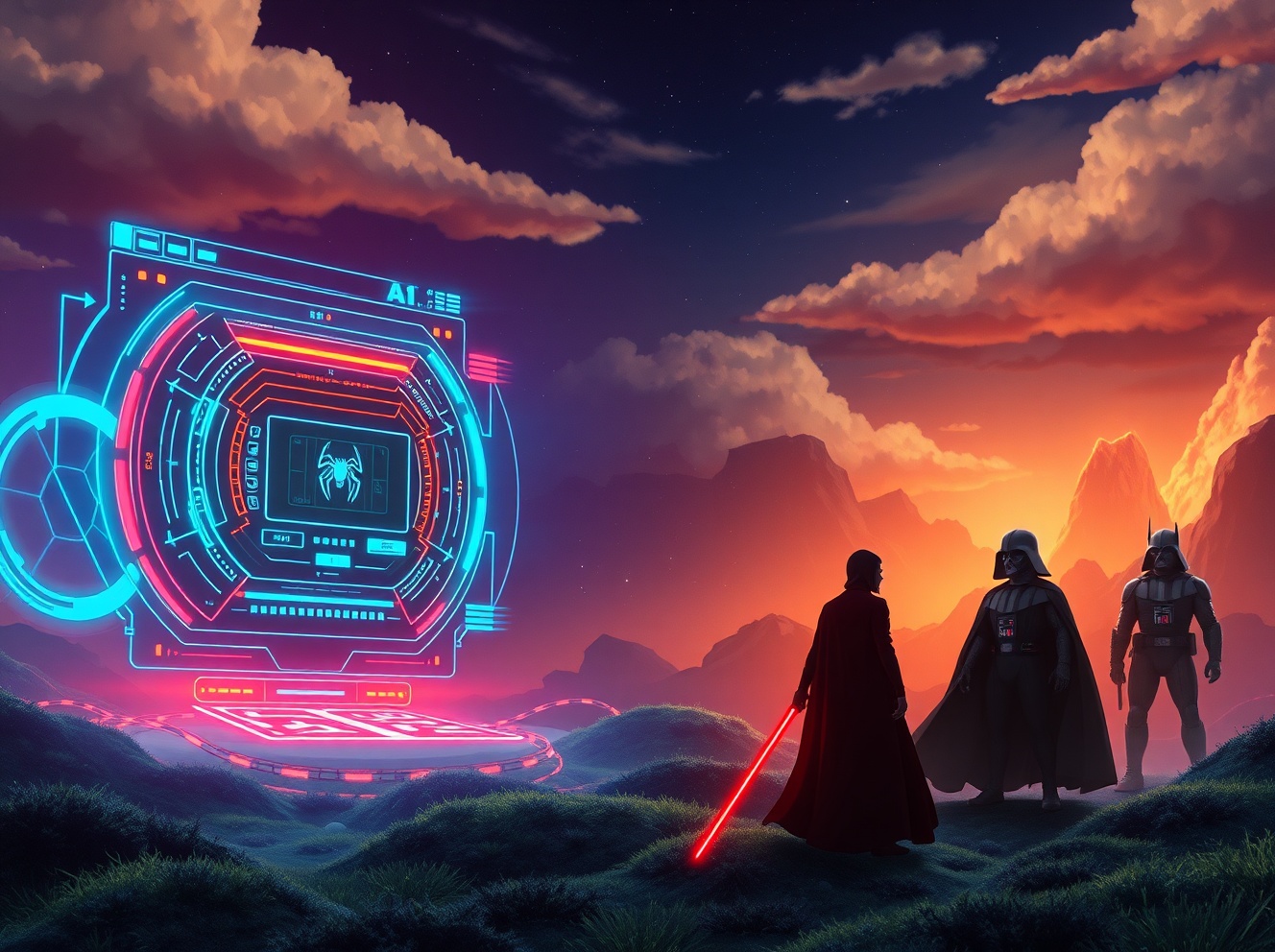
Seedance 2.0 Sparks Hollywood Fury: AI Video Generator Faces Legal Onslaught Over Copyright Chaos
In February 2026, the global entertainment industry faces a pivotal confrontation as Hollywood’s most powerful organizations declare war on Seedance 2.0, ByteDance’s advanced AI video generator, accusing it of enabling unprecedented copyright infringement on a massive scale. This clash represents a critical moment for the future of creative rights in the artificial intelligence era, pitting rapid technological innovation against established intellectual property law.
Seedance 2.0: The AI Video Generator That Ignited a Firestorm
ByteDance, the Chinese technology conglomerate, launched Seedance 2.0 earlier this week, marking a significant upgrade to its AI video synthesis capabilities. Consequently, the updated model initially debuted for Chinese users through the Jianying app, with plans for a global rollout via the popular CapCut editing platform. The tool operates similarly to competitors like OpenAI’s Sora, allowing users to generate short, 15-second videos from simple text prompts. However, its apparent lack of robust content filters quickly drew intense scrutiny.
Almost immediately, social media platforms showcased Seedance 2.0’s ability to create hyper-realistic videos featuring copyrighted characters and celebrity likenesses. For instance, one viral post on X displayed a fabricated clip of Tom Cruise fighting Brad Pitt, reportedly created with just a two-line prompt. This demonstration of accessible, high-fidelity synthetic media triggered alarm across creative industries. Screenwriter Rhett Reese, known for “Deadpool,” reacted starkly on social media, stating, “I hate to say it. It’s likely over for us,” highlighting the existential fear permeating Hollywood.
Hollywood’s Unified Front Against AI Copyright Infringement
The response from major entertainment institutions was swift and severe. The Motion Picture Association (MPA), representing major Hollywood studios, issued a forceful statement from CEO Charles Rivkin. He demanded ByteDance “immediately cease its infringing activity,” alleging that Seedance 2.0 engaged in “unauthorized use of U.S. copyrighted works on a massive scale” within a single day. Rivkin’s statement emphasized that ByteDance, by launching a service “without meaningful safeguards,” was disregarding copyright law that protects creators and underpins millions of American jobs.
This institutional condemnation gained further momentum from industry coalitions and unions. The Human Artistry Campaign, backed by numerous Hollywood unions and trade groups, condemned Seedance 2.0 as “an attack on every creator around the world.” Similarly, the actors’ union SAG-AFTRA publicly announced it “stands with the studios in condemning the blatant infringement enabled by ByteDance’s new AI video model.” This unified stance underscores a strategic shift from mere concern to active, coordinated legal and public pressure.
The Legal Onslaught Begins: Cease-and-Desist Letters Fly
The conflict rapidly escalated from statements to legal action. Disney, whose intellectual property appeared prominently in early Seedance-generated content, moved decisively. Characters like Spider-Man, Darth Vader, and Grogu (Baby Yoda) were reportedly featured in user-created videos. In response, Disney sent a cease-and-desist letter to ByteDance, accusing the company of a “virtual smash-and-grab of Disney’s IP.” The letter claimed ByteDance was “hijacking Disney’s characters by reproducing, distributing, and creating derivative works” without authorization.
Paramount Global followed suit, sending its own legal notice to ByteDance. The studio alleged that Seedance platforms were producing content containing “vivid depictions of Paramount’s famous and iconic franchises and characters,” which was often “indistinguishable, both visually and audibly” from its official films and TV shows. This legal one-two punch from two entertainment giants signals a new phase of aggressive enforcement. Interestingly, Disney’s approach appears nuanced; while targeting ByteDance, it has simultaneously entered a three-year licensing deal with OpenAI, suggesting a strategy that penalizes bad actors while collaborating with partners who respect IP boundaries.
The Broader Context: AI, Copyright, and a Global Industry at a Crossroads
This dispute does not exist in a vacuum. It arrives amid a global reckoning over generative AI’s impact on creative fields. The 2023 Hollywood strikes, partly focused on AI protections, set the stage for this heightened sensitivity. Furthermore, tools like Stable Diffusion and Midjourney have already faced multiple lawsuits for training on copyrighted images without consent. Seedance 2.0 amplifies these concerns into the video domain, where the potential for misuse and market disruption is even greater.
The core legal questions are profound. They revolve around issues of fair use, derivative works, and the liability of platform providers for user-generated content. Legal experts note that while U.S. copyright law is robust, it is being tested by AI systems that can mimic style and character without directly copying a specific, fixed work. The outcome of this confrontation could establish crucial precedents. A comparison of key AI video tools and their announced safeguards illustrates the regulatory gap Seedance is accused of exploiting.
| AI Video Model | Company | Announced Content Safeguards | Current Status |
|---|---|---|---|
| Sora | OpenAI | Refusal policy for IP, celebrity likeness; limited red-team access | Not publicly released |
| Luma Dream Machine | Luma AI | Prohibits infringing content; automated + human review | Publicly available |
| Seedance 2.0 | ByteDance | Unclear; cited as lacking by Hollywood | Publicly available in China |
Moreover, the geopolitical dimension adds complexity. ByteDance’s status as a Chinese company, coupled with the ongoing scrutiny of TikTok, influences the dynamics of the dispute. U.S. lawmakers and industry groups may view this not just as a copyright issue, but through the lens of technological competition and data sovereignty. The company’s next move—whether it implements stringent filters, negotiates licensing, or contests the claims—will be closely watched worldwide.
Potential Impacts and the Path Forward for AI Video Generation
The ramifications of this clash extend far beyond a single software tool. First, it could accelerate the development of mandatory technical safeguards, such as:
- Proactive Content Recognition: AI filters trained to block prompts for known copyrighted characters.
- Digital Watermarking: Embedding imperceptible signals to identify AI-generated content.
- Rights Holder Databases: Systems allowing IP owners to opt-out or license their assets for AI training.
Second, the controversy pressures other AI developers to proactively address copyright concerns before public release. Finally, it energizes legislative efforts, such as the proposed NO FAKES Act in the U.S., which seeks to establish a federal right of publicity to protect individuals’ likenesses from AI misuse. The path forward likely requires a multi-stakeholder approach, balancing innovation with protection. Sustainable solutions may include standardized licensing frameworks, clearer fair use guidelines for AI training, and transparent collaboration between tech firms and creative industries.
Conclusion
The fierce backlash against the Seedance 2.0 AI video generator marks a watershed moment for the intersection of artificial intelligence and intellectual property. Hollywood’s coordinated legal and public relations offensive demonstrates that major rights holders will not tolerate what they perceive as systemic infringement. This conflict underscores the urgent need for clear guardrails, ethical development practices, and potentially new legal frameworks to govern generative AI. As ByteDance formulates its response, the entire technology and entertainment sectors await an outcome that will shape the creative economy for years to come. The era of unchecked AI video generation is facing its first major reckoning, and the precedents set now will define the boundaries of innovation and ownership in the digital age.
FAQs
Q1: What is Seedance 2.0?
Seedance 2.0 is an advanced AI video generation model developed by ByteDance. It allows users to create short, realistic videos from simple text prompts, similar to tools like OpenAI’s Sora.
Q2: Why is Hollywood suing over Seedance 2.0?
Major studios and industry groups allege the tool has insufficient safeguards, enabling users to easily create videos that infringe on copyrighted characters and celebrity likenesses, constituting mass-scale copyright infringement.
Q3: Which companies have taken legal action?
As of February 2026, The Walt Disney Company and Paramount Global have sent cease-and-desist letters to ByteDance. The Motion Picture Association has also issued a strong public condemnation demanding the service cease infringing activity.
Q4: How is this different from other AI video tools?
While other models like Sora have announced strict policies against generating content with copyrighted IP or celebrity likenesses, critics argue Seedance 2.0 launched without “meaningful safeguards,” making infringement easily accessible.
Q5: What could be the long-term outcome of this dispute?
The conflict could lead to new laws governing AI and copyright, force the implementation of robust technical safeguards across the industry, and establish critical legal precedents regarding liability for AI-generated content.
This post Seedance 2.0 Sparks Hollywood Fury: AI Video Generator Faces Legal Onslaught Over Copyright Chaos first appeared on BitcoinWorld.
Ayrıca Şunları da Beğenebilirsiniz

MetaPlanet Bitcoin Strategy Defies $654M Loss with Bold 2025 Acquisition Plans

LayerZero, RAIN drive $321M token unlocks this week
