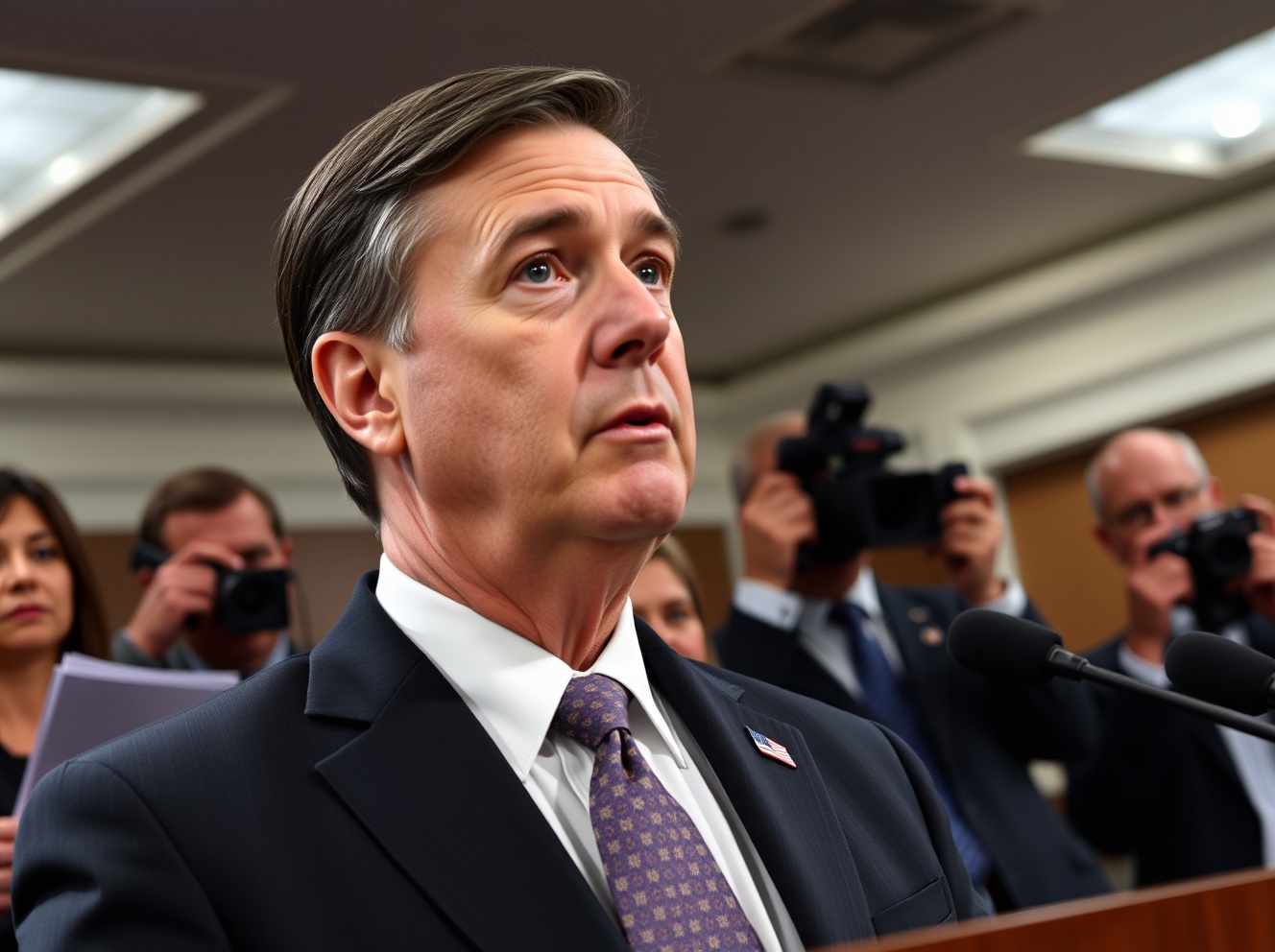
Iran’s untapped economic potential could reshape global markets as the nation transitions to democracy.
Key takeaways
- The recent intervention in Iran was deemed necessary to protect lives from a brutal regime.
- A stable transition post-regime collapse is expected to lead to redevelopment in Iran.
- Iran presents significant untapped economic opportunities for the 21st century.
- The transition in Iran is supported by a diverse coalition across society.
- A legitimate transition must break completely from the current regime.
- Separation of religion from state is essential for establishing democracy in Iran.
- A constitutional assembly and elections are key steps in Iran’s transition to democracy.
- Democracy should not be limited to a single model; various forms can be considered.
- The role of a transitional leader is to unite the country, not seek personal power.
- Understanding the current political situation in Iran is crucial for grasping the necessity of intervention.
- The economic potential of Iran could significantly impact global markets.
- A diverse coalition is crucial for the success of Iran’s transition.
- The transition’s success depends on the level of separation from the regime and strengthening domestic organizations.
- Iran’s future governance must represent a clean break from the current regime.
- A clear separation of religion from state is a prerequisite for democracy.
Guest intro
Reza Pahlavi is the exiled Crown Prince of Iran and leader of the nation’s democratic transition. In 2013, he co-founded the Iran National Council and has advocated for a nationwide referendum to establish Iran’s future government. On November 15, 2024, he announced his readiness to lead the national revolution and guide the transition with a five-pillar strategy.
The necessity of intervention in Iran
-
— Reza Pahlavi
-
— Reza Pahlavi
- Understanding the current political situation in Iran is crucial for grasping the necessity of intervention.
- The regime’s actions against its citizens have created a humanitarian crisis.
- Intervention is framed as a rescue mission rather than a political maneuver.
- The brutality of the regime necessitates external intervention to save lives.
- The humanitarian aspect of the intervention is emphasized over political motives.
- The intervention aims to address immediate needs and prevent further loss of life.
Iran’s untapped economic potential
-
— Reza Pahlavi
-
— Reza Pahlavi
- The economic potential of Iran could significantly impact global markets.
- Untapped resources in Iran present opportunities for international business.
- Economic development in Iran could benefit both the Iranian people and international investors.
- The current regime has hindered economic opportunities, which could be unlocked with political change.
- Iran’s strategic location and resources make it a valuable economic partner.
- The transition to a democratic government could facilitate international trade and investment.
- Economic growth in Iran could lead to regional stability and prosperity.
- The potential for economic reform is tied to political change and stability.
Coalition for change in Iran
-
— Reza Pahlavi
-
— Reza Pahlavi
- A diverse coalition is crucial for the success of Iran’s transition.
- Support for change comes from various political, ethnic, and religious groups.
- The coalition represents a unified effort to achieve democratic transition.
- Broad societal support is necessary to overcome the current regime.
- The coalition’s diversity strengthens its legitimacy and potential for success.
- Collaboration among different groups is key to a peaceful transition.
- The coalition aims to address the needs and aspirations of all Iranian citizens.
- Unity among diverse groups increases the chances of a stable transition.
Conditions for a successful transition
-
— Reza Pahlavi
-
— Reza Pahlavi
- The transition’s success depends on the level of separation from the regime and strengthening domestic organizations.
- Defections from the regime can accelerate the transition process.
- Building strong domestic organizations is essential for a stable transition.
- A clear break from the current regime is necessary for legitimacy.
- The transition must involve a fundamental change in governance.
- Strengthening civil society is crucial for a successful transition.
- The role of international support can influence the transition’s outcome.
- A legitimate transition must address the sacrifices made by the Iranian people.
Separation of religion and state
-
— Reza Pahlavi
-
— Reza Pahlavi
- Separation of religion from state is a fundamental principle for democracy in Iran.
- Historical context shows the impact of religion on governance in Iran.
- A secular government is necessary for protecting individual freedoms.
- The separation ensures equality and fairness in the political system.
- Religious influence in politics has contributed to authoritarianism in Iran.
- A secular state can better accommodate diverse religious and ethnic groups.
- The transition to democracy must prioritize secular governance.
- Ensuring religious freedom is part of establishing a democratic society.
Path to democracy in Iran
-
— Reza Pahlavi
-
— Reza Pahlavi
- A constitutional assembly and elections are key steps in Iran’s transition to democracy.
- Democratic transition involves public participation in shaping the new government.
- The process includes debating and ratifying new laws and systems.
- Elections provide legitimacy and representation in the new government.
- A structured approach ensures a peaceful and orderly transition.
- The transition must be transparent and inclusive of all societal groups.
- Establishing democratic institutions is crucial for long-term stability.
- Public engagement is essential for the success of the democratic transition.
Embracing diverse democratic models
-
— Reza Pahlavi
-
— Reza Pahlavi
- Democracy should not be limited to a single model; various forms can be considered.
- Different cultures may require different democratic structures.
- Flexibility in governance models can accommodate diverse societal needs.
- The choice of democratic model should reflect the values and aspirations of the people.
- Emulating successful models from other countries can guide Iran’s transition.
- The focus should be on principles of democracy rather than specific systems.
- Adapting democratic models to local contexts ensures relevance and effectiveness.
- The transition should allow for experimentation and adaptation in governance.
Role of transitional leadership
-
— Reza Pahlavi
-
— Reza Pahlavi
- The role of a transitional leader is to unite the country, not seek personal power.
- Transitional leadership focuses on guiding the country through change.
- Leaders must prioritize national interests over personal ambitions.
- The leader’s role is to facilitate dialogue and cooperation among diverse groups.
- Building trust and consensus is essential for successful leadership.
- The leader should act as a mediator and advocate for the people’s aspirations.
- Ensuring a peaceful transition requires strong and principled leadership.
- The leader’s legitimacy comes from their commitment to the common good.
Iran’s untapped economic potential could reshape global markets as the nation transitions to democracy.
Key takeaways
- The recent intervention in Iran was deemed necessary to protect lives from a brutal regime.
- A stable transition post-regime collapse is expected to lead to redevelopment in Iran.
- Iran presents significant untapped economic opportunities for the 21st century.
- The transition in Iran is supported by a diverse coalition across society.
- A legitimate transition must break completely from the current regime.
- Separation of religion from state is essential for establishing democracy in Iran.
- A constitutional assembly and elections are key steps in Iran’s transition to democracy.
- Democracy should not be limited to a single model; various forms can be considered.
- The role of a transitional leader is to unite the country, not seek personal power.
- Understanding the current political situation in Iran is crucial for grasping the necessity of intervention.
- The economic potential of Iran could significantly impact global markets.
- A diverse coalition is crucial for the success of Iran’s transition.
- The transition’s success depends on the level of separation from the regime and strengthening domestic organizations.
- Iran’s future governance must represent a clean break from the current regime.
- A clear separation of religion from state is a prerequisite for democracy.
Guest intro
Reza Pahlavi is the exiled Crown Prince of Iran and leader of the nation’s democratic transition. In 2013, he co-founded the Iran National Council and has advocated for a nationwide referendum to establish Iran’s future government. On November 15, 2024, he announced his readiness to lead the national revolution and guide the transition with a five-pillar strategy.
The necessity of intervention in Iran
-
— Reza Pahlavi
-
— Reza Pahlavi
- Understanding the current political situation in Iran is crucial for grasping the necessity of intervention.
- The regime’s actions against its citizens have created a humanitarian crisis.
- Intervention is framed as a rescue mission rather than a political maneuver.
- The brutality of the regime necessitates external intervention to save lives.
- The humanitarian aspect of the intervention is emphasized over political motives.
- The intervention aims to address immediate needs and prevent further loss of life.
Iran’s untapped economic potential
-
— Reza Pahlavi
-
— Reza Pahlavi
- The economic potential of Iran could significantly impact global markets.
- Untapped resources in Iran present opportunities for international business.
- Economic development in Iran could benefit both the Iranian people and international investors.
- The current regime has hindered economic opportunities, which could be unlocked with political change.
- Iran’s strategic location and resources make it a valuable economic partner.
- The transition to a democratic government could facilitate international trade and investment.
- Economic growth in Iran could lead to regional stability and prosperity.
- The potential for economic reform is tied to political change and stability.
Coalition for change in Iran
-
— Reza Pahlavi
-
— Reza Pahlavi
- A diverse coalition is crucial for the success of Iran’s transition.
- Support for change comes from various political, ethnic, and religious groups.
- The coalition represents a unified effort to achieve democratic transition.
- Broad societal support is necessary to overcome the current regime.
- The coalition’s diversity strengthens its legitimacy and potential for success.
- Collaboration among different groups is key to a peaceful transition.
- The coalition aims to address the needs and aspirations of all Iranian citizens.
- Unity among diverse groups increases the chances of a stable transition.
Conditions for a successful transition
-
— Reza Pahlavi
-
— Reza Pahlavi
- The transition’s success depends on the level of separation from the regime and strengthening domestic organizations.
- Defections from the regime can accelerate the transition process.
- Building strong domestic organizations is essential for a stable transition.
- A clear break from the current regime is necessary for legitimacy.
- The transition must involve a fundamental change in governance.
- Strengthening civil society is crucial for a successful transition.
- The role of international support can influence the transition’s outcome.
- A legitimate transition must address the sacrifices made by the Iranian people.
Separation of religion and state
-
— Reza Pahlavi
-
— Reza Pahlavi
- Separation of religion from state is a fundamental principle for democracy in Iran.
- Historical context shows the impact of religion on governance in Iran.
- A secular government is necessary for protecting individual freedoms.
- The separation ensures equality and fairness in the political system.
- Religious influence in politics has contributed to authoritarianism in Iran.
- A secular state can better accommodate diverse religious and ethnic groups.
- The transition to democracy must prioritize secular governance.
- Ensuring religious freedom is part of establishing a democratic society.
Path to democracy in Iran
-
— Reza Pahlavi
-
— Reza Pahlavi
- A constitutional assembly and elections are key steps in Iran’s transition to democracy.
- Democratic transition involves public participation in shaping the new government.
- The process includes debating and ratifying new laws and systems.
- Elections provide legitimacy and representation in the new government.
- A structured approach ensures a peaceful and orderly transition.
- The transition must be transparent and inclusive of all societal groups.
- Establishing democratic institutions is crucial for long-term stability.
- Public engagement is essential for the success of the democratic transition.
Embracing diverse democratic models
-
— Reza Pahlavi
-
— Reza Pahlavi
- Democracy should not be limited to a single model; various forms can be considered.
- Different cultures may require different democratic structures.
- Flexibility in governance models can accommodate diverse societal needs.
- The choice of democratic model should reflect the values and aspirations of the people.
- Emulating successful models from other countries can guide Iran’s transition.
- The focus should be on principles of democracy rather than specific systems.
- Adapting democratic models to local contexts ensures relevance and effectiveness.
- The transition should allow for experimentation and adaptation in governance.
Role of transitional leadership
-
— Reza Pahlavi
-
— Reza Pahlavi
- The role of a transitional leader is to unite the country, not seek personal power.
- Transitional leadership focuses on guiding the country through change.
- Leaders must prioritize national interests over personal ambitions.
- The leader’s role is to facilitate dialogue and cooperation among diverse groups.
- Building trust and consensus is essential for successful leadership.
- The leader should act as a mediator and advocate for the people’s aspirations.
- Ensuring a peaceful transition requires strong and principled leadership.
- The leader’s legitimacy comes from their commitment to the common good.
Loading more articles…
You’ve reached the end
Add us on Google
`;
}
function createMobileArticle(article) {
const displayDate = getDisplayDate(article);
const editorSlug = article.editor ? article.editor.toLowerCase().replace(/\s+/g, ‘-‘) : ”;
const captionHtml = article.imageCaption ? `
${article.imageCaption}
` : ”;
const authorHtml = article.isPressRelease ? ” : `
`;
return `
${captionHtml}
${article.subheadline ? `
${article.subheadline}
` : ”}
${createSocialShare()}
${authorHtml}
${displayDate}
${article.content}
${article.isPressRelease ? ” : article.isSponsored ? `
` : `
`}
`;
}
function createDesktopArticle(article, sidebarAdHtml) {
const editorSlug = article.editor ? article.editor.toLowerCase().replace(/\s+/g, ‘-‘) : ”;
const displayDate = getDisplayDate(article);
const captionHtml = article.imageCaption ? `
${article.imageCaption}
` : ”;
const categoriesHtml = article.categories.map((cat, i) => {
const separator = i < article.categories.length – 1 ? ‘|‘ : ”;
return `${cat}${separator}`;
}).join(”);
const desktopAuthorHtml = article.isPressRelease ? ” : `
`;
return `
${categoriesHtml}
${article.subheadline}
` : ”}
${desktopAuthorHtml}
${displayDate}
${createSocialShare()}
${captionHtml}
${article.isPressRelease ? ” : article.isSponsored ? `
` : `
`}
`;
}
function loadMoreArticles() {
if (isLoading || !hasMore) return;
isLoading = true;
loadingText.classList.remove(‘hidden’);
// Build form data for AJAX request
const formData = new FormData();
formData.append(‘action’, ‘cb_lovable_load_more’);
formData.append(‘current_post_id’, lastLoadedPostId);
formData.append(‘primary_cat_id’, primaryCatId);
formData.append(‘before_date’, lastLoadedDate);
formData.append(‘loaded_ids’, loadedPostIds.join(‘,’));
fetch(ajaxUrl, {
method: ‘POST’,
body: formData
})
.then(response => response.json())
.then(data => {
isLoading = false;
loadingText.classList.add(‘hidden’);
if (data.success && data.has_more && data.article) {
const article = data.article;
const sidebarAdHtml = data.sidebar_ad_html || ”;
// Check for duplicates
if (loadedPostIds.includes(article.id)) {
console.log(‘Duplicate article detected, skipping:’, article.id);
// Update pagination vars and try again
lastLoadedDate = article.publishDate;
loadMoreArticles();
return;
}
// Add to mobile container
mobileContainer.insertAdjacentHTML(‘beforeend’, createMobileArticle(article));
// Add to desktop container with fresh ad HTML
desktopContainer.insertAdjacentHTML(‘beforeend’, createDesktopArticle(article, sidebarAdHtml));
// Update tracking variables
loadedPostIds.push(article.id);
lastLoadedPostId = article.id;
lastLoadedDate = article.publishDate;
// Execute any inline scripts in the new content (for ads)
const newArticle = desktopContainer.querySelector(`article[data-article-id=”${article.id}”]`);
if (newArticle) {
const scripts = newArticle.querySelectorAll(‘script’);
scripts.forEach(script => {
const newScript = document.createElement(‘script’);
if (script.src) {
newScript.src = script.src;
} else {
newScript.textContent = script.textContent;
}
document.body.appendChild(newScript);
});
}
// Trigger Ad Inserter if available
if (typeof ai_check_and_insert_block === ‘function’) {
ai_check_and_insert_block();
}
// Trigger Google Publisher Tag refresh if available
if (typeof googletag !== ‘undefined’ && googletag.pubads) {
googletag.cmd.push(function() {
googletag.pubads().refresh();
});
}
} else if (data.success && !data.has_more) {
hasMore = false;
endText.classList.remove(‘hidden’);
} else if (!data.success) {
console.error(‘AJAX error:’, data.error);
hasMore = false;
endText.textContent=”Error loading more articles”;
endText.classList.remove(‘hidden’);
}
})
.catch(error => {
console.error(‘Fetch error:’, error);
isLoading = false;
loadingText.classList.add(‘hidden’);
hasMore = false;
endText.textContent=”Error loading more articles”;
endText.classList.remove(‘hidden’);
});
}
// Set up IntersectionObserver
const observer = new IntersectionObserver(function(entries) {
if (entries[0].isIntersecting) {
loadMoreArticles();
}
}, { threshold: 0.1 });
observer.observe(loadingTrigger);
})();
© Decentral Media and Crypto Briefing® 2026.
Source: https://cryptobriefing.com/reza-pahlavi-intervention-in-iran-is-a-humanitarian-necessity-untapped-economic-potential-awaits-and-a-diverse-coalition-is-key-for-democratic-transition-all-in-podcast/