

Trump Iran War Speech Triggers Crypto Market Selloff
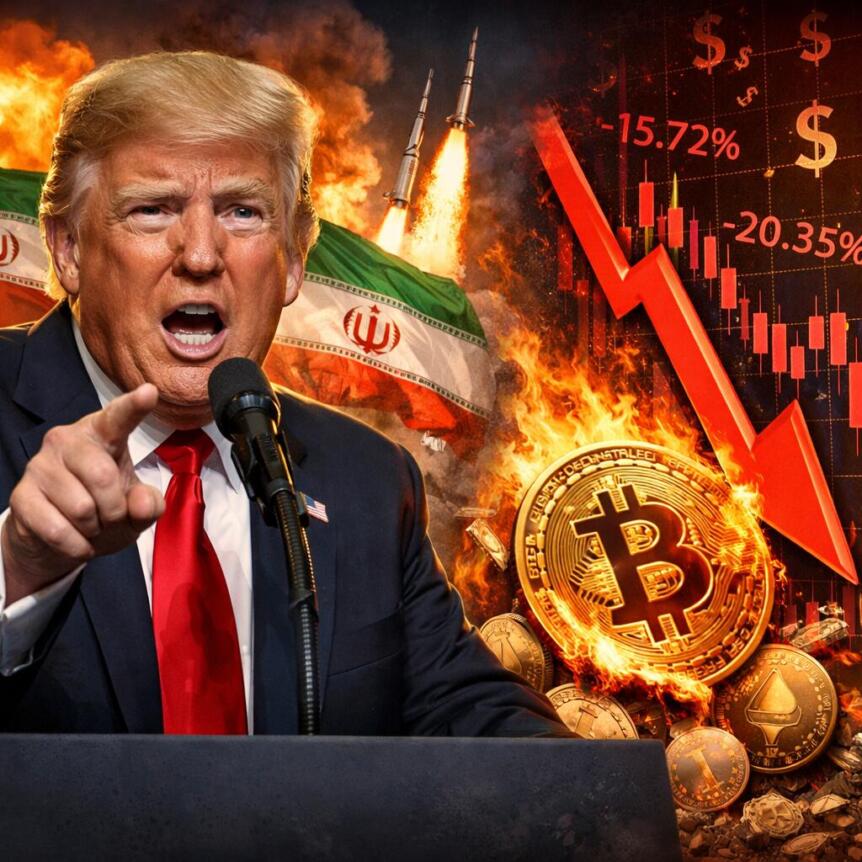
Key Insights
- Crypto market reversed fast as Trump’s Iran war stance crushed hopes of de-escalation and triggered risk-off selling.
- Bitcoin trades like a macro asset, while altcoins lead losses as oil spikes, yields rise, and the dollar strengthens.
- Market outlook remains fragile, with traders watching war signals and dollar strength for the next crypto move
What happens when markets price in peace but receive a tougher war stance instead? They sell first and reassess later. That is exactly what unfolded after Donald Trump addressed the Iran conflict from the White House on April 1.
Ahead of the speech, expectations had been building around a possible de-escalation. Analysts, including Kobeissi Letter, pointed to signals suggesting a potential wind-down. Instead, Trump reinforced a hardline position, stating that the United States would continue its aggressive posture toward Iran.
The reaction was immediate and broad-based—crypto, equities, oil, and the U.S. dollar all reversed sharply.
Crypto Market Reverses After Trump’s Iran Remarks
The crypto market quickly erased its short-lived relief rally following the speech. Investors hoping for clarity on de-escalation or a reopening timeline for the Strait of Hormuz were left disappointed.
Source: Coinmarketcap
As a result, selling pressure returned across digital assets:
- Bitcoin hovered around $66,600
- Ethereum dropped near $2,050
- XRP traded around $1.31
- BNB held near $590
- Solana led losses among major altcoins
This price action reinforces a key trend: Bitcoin is not behaving as a traditional safe-haven asset during this conflict. Instead, it is trading more like a macro-sensitive risk asset.
The speech effectively dismantled the emerging peace narrative, pushing markets back into a defensive stance. Altcoins, particularly high-beta assets like Solana, absorbed the heaviest losses as traders reduced risk exposure.
Oil Surge and Macro Pressure Weigh on Crypto
Beyond crypto, the broader macro environment shifted rapidly. Following Trump’s remarks, Brent crude surged over 6% to $107.69, reflecting heightened geopolitical risk and concerns over supply disruptions.
Global markets reacted sharply:
- U.S. stock futures fell 1.3%
- Japan’s Nikkei dropped 2.4%
- South Korea’s Kospi declined 4.7%
For crypto markets, this macro shift is critical.
Rising oil prices can fuel inflation expectations, which in turn strengthens the U.S. dollar and keeps bond yields elevated. These conditions typically pressure risk assets, including cryptocurrencies.
At the same time:
- The 10-year Treasury yield climbed to 4.376%
- The U.S. Dollar Index (DXY) held firm above 100
This environment explains why altcoins sold off more aggressively than Bitcoin, as traders moved to reduce volatility exposure rather than chase uncertain upside.
Traders Shift to Risk-Off Mode
The immediate takeaway from the market reaction is clear: traders are prioritizing capital preservation.
Going forward, markets will focus on two key signals:
- Any softening in geopolitical rhetoric
- Reduced risk to global shipping routes, particularly the Strait of Hormuz
Without improvement on either front, the crypto market is likely to remain highly sensitive to headlines and prone to sharp swings.
The pre-speech rally demonstrated that bullish sentiment still exists—but it is fragile and easily disrupted by macro developments.
Macro Now Drives Crypto
The latest selloff highlights a broader shift in how digital assets are behaving.
Geopolitics is influencing crypto through macroeconomic channels rather than crypto-native factors. Oil prices, bond yields, the U.S. dollar, and equity markets are now leading indicators, with crypto reacting afterward.
While blockchain-specific developments still matter, traders increasingly need to interpret global macro conditions before making crypto decisions.
Outlook: Defensive Trend Likely to Continue
Looking ahead, digital assets are expected to remain in a defensive posture as long as geopolitical tensions persist in the Middle East.
Although April seasonality has historically favored bullish momentum, the current environment is dominated by a hope → headline → reversal cycle. The Trump Iran speech is a clear example of how quickly sentiment can shift.
A sustained recovery in crypto will likely depend on:
- A formal ceasefire or de-escalation
- Stabilization in oil prices
- Weakness in the U.S. dollar
Until then, the U.S. Dollar Index (DXY) remains a critical indicator. A strengthening dollar continues to act as a major headwind for Bitcoin and the broader altcoin market.
This article was originally published as Trump Iran War Speech Triggers Crypto Market Selloff on Crypto Breaking News – your trusted source for crypto news, Bitcoin news, and blockchain updates.


You May Also Like

USD/JPY Price Forecast: Pair Tests 159.00 Resistance, Pulls Back to 50-Day SMA

Mac App Store vs Alternatives in 2026: Which Platform Is Best for macOS Users?

Exclusive interview with Smokey The Bera, co-founder of Berachain: How the innovative PoL public chain solves the liquidity problem and may be launched in a few months



