Trump Iran Deadline: Critical April 7 Ultimatum Demands Tehran’s Nuclear Compliance
BitcoinWorld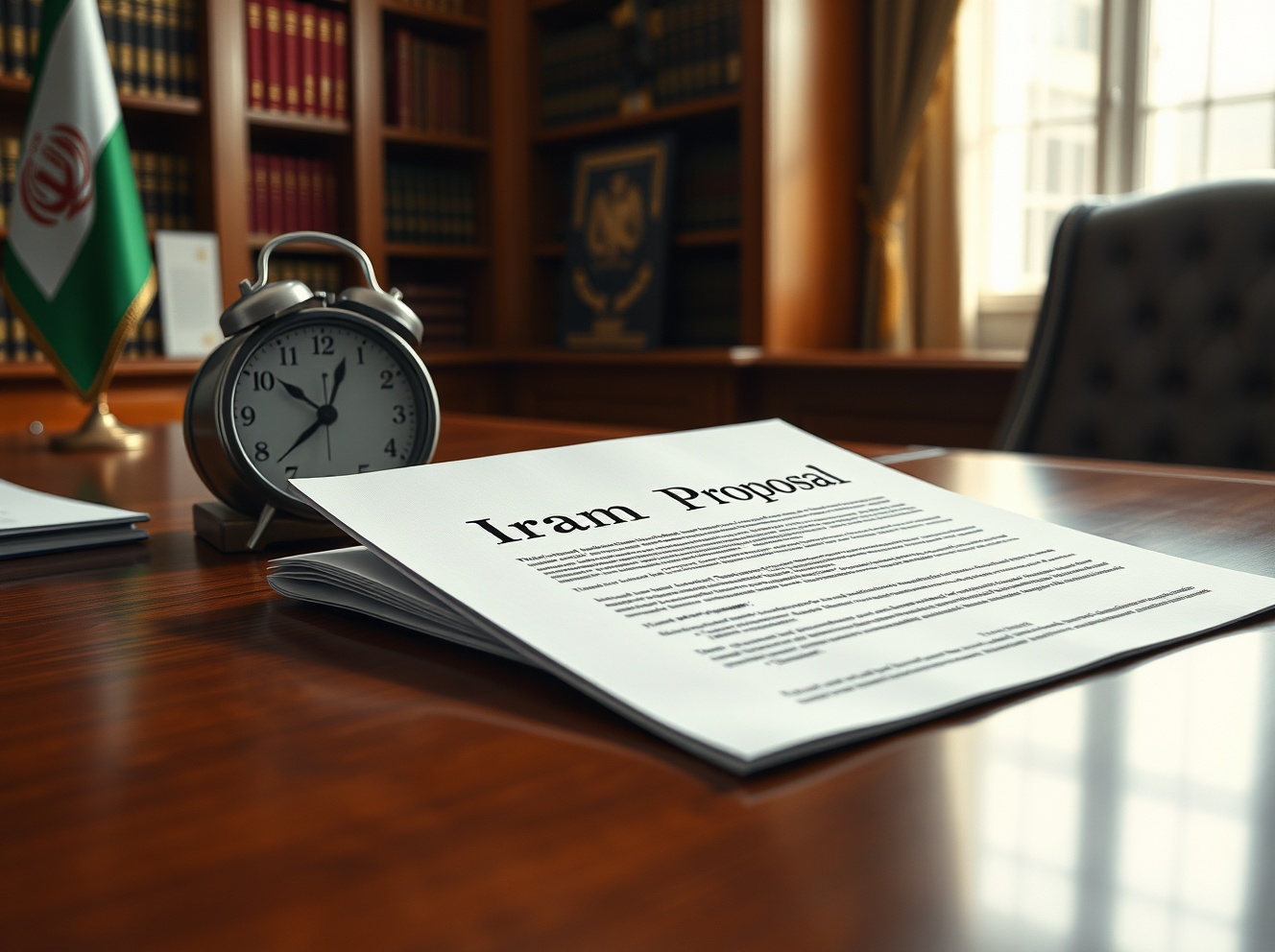
Trump Iran Deadline: Critical April 7 Ultimatum Demands Tehran’s Nuclear Compliance
WASHINGTON, D.C., April 7 – President Donald Trump has issued a definitive April 7 deadline for Iran, declaring he has reviewed all proposals from Tehran and signaling a critical juncture in nuclear negotiations. The President characterized Iran’s latest diplomatic offer as a “significant step” but firmly asserted it remains insufficient, directly linking compliance to a swift end to regional tensions and reiterating the non-negotiable stance that “Iran will not be allowed to possess nuclear weapons.” This announcement immediately escalates diplomatic pressure on the Islamic Republic and sets the stage for potential policy shifts.
Analyzing Trump’s Iran Deadline and Demands
President Trump’s statement establishes a clear diplomatic timeline with profound implications. The declaration follows months of heightened tensions and represents a formalization of the administration’s maximum pressure campaign into a time-bound ultimatum. Consequently, the international community now watches Tehran’s response closely. Furthermore, the President’s dual characterization—acknowledging progress while demanding more—creates a narrow window for negotiation. This approach mirrors historical diplomatic strategies where public deadlines aim to force concessions. However, experts note such tactics carry significant risk of miscalculation.
The core U.S. demands, as reiterated, center on verifiable and permanent restrictions on Iran’s nuclear program. Specifically, these include:
- Ceasing all enrichment of uranium beyond 3.67% purity.
- Dismantling advanced centrifuge cascades installed after the 2015 JCPOA collapse.
- Granting full access to International Atomic Energy Agency (IAEA) inspectors at declared and suspected sites.
- Halting development of ballistic missiles capable of carrying nuclear warheads.
Administration officials argue these measures are essential for regional security. Conversely, Iranian leaders have historically labeled similar demands as violations of national sovereignty.
The Geopolitical Context of the Ultimatum
This deadline does not exist in a vacuum. It arrives amidst a complex backdrop of regional proxy conflicts and shifting global alliances. For instance, ongoing hostilities involving Iranian-backed militias and U.S. forces in Iraq and Syria provide immediate, tangible stakes. Additionally, the war in Gaza has inflamed regional tensions, with Iran supporting groups opposed to U.S. allies. Therefore, Trump’s statement that war “could end quickly” likely references this broader theater of conflict, not a singular, declared war. The linkage between nuclear compliance and regional de-escalation represents a holistic U.S. strategy.
International reactions have been swift and varied. European signatories to the original 2015 nuclear deal have expressed cautious hope for renewed dialogue but concern over rigid deadlines. Meanwhile, regional U.S. allies like Israel and Saudi Arabia have publicly supported a firm stance. Simultaneously, Russia and China have criticized the move as escalatory, advocating for a return to the JCPOA framework. This division underscores the challenge of building a unified diplomatic front.
Expert Analysis on Diplomatic Strategy and Risks
Foreign policy analysts emphasize the high-risk, high-reward nature of deadline diplomacy. “Setting a public deadline concentrates minds in Tehran,” explains Dr. Elena Rodriguez, a senior fellow at the Center for Strategic Studies. “However, it also boxes both sides into public positions, potentially making private compromise more difficult. The key will be whether channels remain open after April 7 for continued discussion, even if publicly framed as a rejection.”
Historical precedents offer mixed lessons. The 2015 JCPOA negotiations involved extended deadlines that ultimately yielded a deal. Conversely, ultimatums in other conflicts have sometimes precipitated breakdowns. The current situation is further complicated by Iran’s upcoming presidential election cycle, which influences its political calculus. Domestic politics in both nations now directly impact the diplomatic equation.
Potential Outcomes and Regional Impact
The paths forward from April 7 are distinctly binary, each carrying severe consequences. If Iran offers substantial, verifiable concessions, the U.S. has signaled a readiness to de-escalate, potentially including sanctions relief. This scenario could rapidly reduce military tensions in the Persian Gulf and open avenues for broader dialogue. Alternatively, a rejection or insufficient Iranian response likely triggers a significant U.S. policy response. Options may include:
- Enhanced economic sanctions targeting new sectors.
- Increased military posturing and exercises with allies.
- Covert actions aimed at degrading nuclear infrastructure.
The regional impact is immediate. Oil markets typically react volatility to Persian Gulf tensions, affecting global energy prices. Furthermore, allied nations increase their defensive postures, while adversarial actors may test boundaries. The table below outlines the contrasting potential trajectories:
| Scenario | Likely U.S. Action | Probable Regional Effect |
|---|---|---|
| Iranian Compliance | Sanctions relief, diplomatic engagement | Reduced proxy attacks, stabilized oil markets |
| Iranian Defiance | Escalated sanctions, military pressure | Increased attacks on shipping, ally mobilization |
Global non-proliferation efforts also hang in the balance. A successful coercion of Iran could strengthen norms against nuclear pursuit. However, a failed ultimatum might embolden other states to accelerate their own programs, questioning the efficacy of diplomatic pressure.
Conclusion
President Trump’s April 7 deadline for Iran represents a pivotal moment in international security and non-proliferation diplomacy. By framing Tehran’s proposal as significant yet insufficient, the administration has created a final opportunity for negotiation under explicit terms. The fundamental U.S. demand—preventing a nuclear-armed Iran—remains unchanged. The coming hours will reveal whether this decisive Trump Iran deadline yields a diplomatic breakthrough or becomes a prelude to escalated conflict. The outcome will undoubtedly shape the Middle East’s strategic landscape for years to come, testing the limits of deadline-driven diplomacy in an era of complex geopolitical rivalry.
FAQs
Q1: What exactly did President Trump say about Iran’s proposal?
President Trump stated he had reviewed “all proposals” from Iran and set April 7 as a final deadline. He called Iran’s offer a “significant step” but said it was “not yet sufficient,” warning that Iran would not be allowed to obtain nuclear weapons.
Q2: What happens if Iran does not meet the demands by the deadline?
While not explicitly detailed, the statement implies a shift toward a more confrontational stance. Historically, this could mean new sanctions, increased military pressure, or a withdrawal from diplomatic efforts, potentially leading to escalated regional conflict.
Q3: What are the main U.S. demands from Iran?
The core demands, consistent with the maximum pressure campaign, include halting high-level uranium enrichment, dismantling advanced centrifuges, allowing full IAEA inspections, and ending the development of nuclear-capable ballistic missiles.
Q4: How have other countries reacted to this deadline?
Reactions are divided. European allies express cautious concern, preferring diplomacy without ultimatums. Regional partners like Israel support firmness. Adversaries like Russia and China criticize the move as provocative and destabilizing.
Q5: Could this deadline lead to a direct war between the U.S. and Iran?
While both sides have shown restraint to avoid all-out war, the deadline increases the risk of miscalculation. The President’s comment that war “could end quickly” if Iran complies suggests the current path is seen as a precursor to broader conflict, making the diplomatic resolution within the deadline critically important.
This post Trump Iran Deadline: Critical April 7 Ultimatum Demands Tehran’s Nuclear Compliance first appeared on BitcoinWorld.


You May Also Like

Oklo (OKLO) Stock: Top Execs Dump $21M in Shares Amid Cramer Criticism and Earnings Disappointment
Donald Trump Has Made More Statements Escalating Tensions Against Iran – “One Night Is Enough for the Whole Country”