BitcoinWorld Controversial: Compound DAO Fails to Recall $13M in COMP Tokens In the fast-paced world of decentralized finance (DeFi), community decisions often spark significant debate. Recently, the Compound DAO found itself at the center of such a discussion when a crucial proposal failed to pass. This event has shed light on the intricate dynamics of decentralized governance and the power struggles within these autonomous organizations. What Happened with the Compound DAO Proposal? A recent proposal within the Compound DAO aimed to recall a substantial sum of 300,000 COMP tokens. These tokens are currently valued at approximately $13 million. The initial distribution of these tokens occurred last year, intended to incentivize active participation in the governance process by a specific group of delegates. The recall effort was initiated by community members. They argued that the grant disproportionately benefited a select few. Concerns were raised about the long-term health and fairness of the Compound DAO. However, despite these concerns, the proposal faced strong opposition and was ultimately rejected. This outcome highlights the challenges inherent in achieving consensus within a decentralized framework, especially when significant financial stakes are involved. Why Did the Compound DAO Proposal Fail? The rejection of the proposal was not a close call; about 70% of the voters opposed the recall. Reports suggest that large-scale investors played a significant role in leading this opposition. Their motivations likely centered on protecting the existing token distribution and the perceived stability it offered. Community members who submitted the proposal voiced concerns that the initial grant: Mainly benefited a few insiders. Potentially harmed the broader interests of the Compound DAO. This situation underscores a common tension in DAOs: the balance between rewarding early contributors or key participants and ensuring equitable distribution and broad community benefit. It raises questions about who truly holds the power in decentralized systems and how effectively community voices can influence major decisions. Understanding Decentralized Governance Challenges The incident within the Compound DAO is a prime example of the complexities involved in decentralized governance. While DAOs promise a democratic approach to decision-making, they are not immune to power dynamics that can influence outcomes. Key Challenges Include: Voter Apathy: Not all token holders actively participate in governance. Whale Dominance: Large token holders (whales) can sway votes significantly. Information Asymmetry: Some participants may have more information or influence than others. Consensus Building: Reaching broad agreement on contentious issues can be difficult. This event serves as a valuable case study for other DAOs. It emphasizes the need for robust governance frameworks that can address potential conflicts of interest and ensure that all voices, regardless of their token holdings, have a fair opportunity to be heard. What Are the Broader Implications for Compound DAO and DeFi? The failed recall within the Compound DAO has wider implications beyond just the token distribution. It highlights the ongoing evolution of decentralized autonomous organizations and their struggle to achieve true decentralization and equitable representation. For the DeFi ecosystem, such events are crucial learning opportunities. Lessons Learned: The importance of clear, transparent grant allocation policies. The need for mechanisms to address perceived inequities. The ongoing debate about delegate incentives and accountability. As DAOs continue to mature, they must develop more sophisticated methods for engaging their communities and resolving disputes. This incident prompts a deeper look into how future proposals within the Compound DAO, and indeed other DAOs, will be structured and voted upon to ensure broader community buy-in and trust. Concluding Thoughts on Compound DAO’s Governance The rejection of the Compound DAO proposal to recall $13 million in COMP tokens marks a significant moment in its governance journey. It underscores the powerful influence of large stakeholders and the persistent challenges in balancing the interests of various community factions. While the outcome may disappoint some, it offers invaluable insights into the real-world complexities of decentralized decision-making. The future success of DAOs, including the Compound DAO, will depend on their ability to adapt, foster inclusive participation, and continually refine their governance mechanisms to serve the collective good. Frequently Asked Questions (FAQs) 1. What was the Compound DAO proposal about? The proposal aimed to recall 300,000 COMP tokens, valued at approximately $13 million, which were granted last year to delegates to encourage governance participation. 2. Why did the Compound DAO proposal fail? The proposal was rejected after about 70% of voters opposed it, reportedly led by large-scale investors. Community members who submitted the proposal argued that the grant benefited only a few insiders and was harmful to the DAO as a whole. 3. What are COMP tokens? COMP is the native governance token of the Compound protocol. Holders of COMP tokens can propose, debate, and vote on changes to the protocol, effectively governing the Compound DAO. 4. What are the main challenges facing decentralized autonomous organizations (DAOs)? DAOs often face challenges such as voter apathy, the dominance of large token holders (whales), information asymmetry, and the difficulty of building consensus on contentious issues. 5. What does this event mean for the future of Compound DAO? This event highlights the need for the Compound DAO to continuously refine its governance mechanisms, ensure transparency in token allocations, and address the balance between incentivizing participation and promoting equitable distribution among its community members. If you found this article insightful, consider sharing it with your network! Your support helps us continue to deliver crucial insights into the evolving world of decentralized finance and blockchain technology. To learn more about the latest crypto market trends, explore our article on key developments shaping decentralized finance institutional adoption. This post Controversial: Compound DAO Fails to Recall $13M in COMP Tokens first appeared on BitcoinWorld.BitcoinWorld Controversial: Compound DAO Fails to Recall $13M in COMP Tokens In the fast-paced world of decentralized finance (DeFi), community decisions often spark significant debate. Recently, the Compound DAO found itself at the center of such a discussion when a crucial proposal failed to pass. This event has shed light on the intricate dynamics of decentralized governance and the power struggles within these autonomous organizations. What Happened with the Compound DAO Proposal? A recent proposal within the Compound DAO aimed to recall a substantial sum of 300,000 COMP tokens. These tokens are currently valued at approximately $13 million. The initial distribution of these tokens occurred last year, intended to incentivize active participation in the governance process by a specific group of delegates. The recall effort was initiated by community members. They argued that the grant disproportionately benefited a select few. Concerns were raised about the long-term health and fairness of the Compound DAO. However, despite these concerns, the proposal faced strong opposition and was ultimately rejected. This outcome highlights the challenges inherent in achieving consensus within a decentralized framework, especially when significant financial stakes are involved. Why Did the Compound DAO Proposal Fail? The rejection of the proposal was not a close call; about 70% of the voters opposed the recall. Reports suggest that large-scale investors played a significant role in leading this opposition. Their motivations likely centered on protecting the existing token distribution and the perceived stability it offered. Community members who submitted the proposal voiced concerns that the initial grant: Mainly benefited a few insiders. Potentially harmed the broader interests of the Compound DAO. This situation underscores a common tension in DAOs: the balance between rewarding early contributors or key participants and ensuring equitable distribution and broad community benefit. It raises questions about who truly holds the power in decentralized systems and how effectively community voices can influence major decisions. Understanding Decentralized Governance Challenges The incident within the Compound DAO is a prime example of the complexities involved in decentralized governance. While DAOs promise a democratic approach to decision-making, they are not immune to power dynamics that can influence outcomes. Key Challenges Include: Voter Apathy: Not all token holders actively participate in governance. Whale Dominance: Large token holders (whales) can sway votes significantly. Information Asymmetry: Some participants may have more information or influence than others. Consensus Building: Reaching broad agreement on contentious issues can be difficult. This event serves as a valuable case study for other DAOs. It emphasizes the need for robust governance frameworks that can address potential conflicts of interest and ensure that all voices, regardless of their token holdings, have a fair opportunity to be heard. What Are the Broader Implications for Compound DAO and DeFi? The failed recall within the Compound DAO has wider implications beyond just the token distribution. It highlights the ongoing evolution of decentralized autonomous organizations and their struggle to achieve true decentralization and equitable representation. For the DeFi ecosystem, such events are crucial learning opportunities. Lessons Learned: The importance of clear, transparent grant allocation policies. The need for mechanisms to address perceived inequities. The ongoing debate about delegate incentives and accountability. As DAOs continue to mature, they must develop more sophisticated methods for engaging their communities and resolving disputes. This incident prompts a deeper look into how future proposals within the Compound DAO, and indeed other DAOs, will be structured and voted upon to ensure broader community buy-in and trust. Concluding Thoughts on Compound DAO’s Governance The rejection of the Compound DAO proposal to recall $13 million in COMP tokens marks a significant moment in its governance journey. It underscores the powerful influence of large stakeholders and the persistent challenges in balancing the interests of various community factions. While the outcome may disappoint some, it offers invaluable insights into the real-world complexities of decentralized decision-making. The future success of DAOs, including the Compound DAO, will depend on their ability to adapt, foster inclusive participation, and continually refine their governance mechanisms to serve the collective good. Frequently Asked Questions (FAQs) 1. What was the Compound DAO proposal about? The proposal aimed to recall 300,000 COMP tokens, valued at approximately $13 million, which were granted last year to delegates to encourage governance participation. 2. Why did the Compound DAO proposal fail? The proposal was rejected after about 70% of voters opposed it, reportedly led by large-scale investors. Community members who submitted the proposal argued that the grant benefited only a few insiders and was harmful to the DAO as a whole. 3. What are COMP tokens? COMP is the native governance token of the Compound protocol. Holders of COMP tokens can propose, debate, and vote on changes to the protocol, effectively governing the Compound DAO. 4. What are the main challenges facing decentralized autonomous organizations (DAOs)? DAOs often face challenges such as voter apathy, the dominance of large token holders (whales), information asymmetry, and the difficulty of building consensus on contentious issues. 5. What does this event mean for the future of Compound DAO? This event highlights the need for the Compound DAO to continuously refine its governance mechanisms, ensure transparency in token allocations, and address the balance between incentivizing participation and promoting equitable distribution among its community members. If you found this article insightful, consider sharing it with your network! Your support helps us continue to deliver crucial insights into the evolving world of decentralized finance and blockchain technology. To learn more about the latest crypto market trends, explore our article on key developments shaping decentralized finance institutional adoption. This post Controversial: Compound DAO Fails to Recall $13M in COMP Tokens first appeared on BitcoinWorld.

Controversial: Compound DAO Fails to Recall $13M in COMP Tokens

BitcoinWorld
Controversial: Compound DAO Fails to Recall $13M in COMP Tokens

In the fast-paced world of decentralized finance (DeFi), community decisions often spark significant debate. Recently, the Compound DAO found itself at the center of such a discussion when a crucial proposal failed to pass. This event has shed light on the intricate dynamics of decentralized governance and the power struggles within these autonomous organizations.

What Happened with the Compound DAO Proposal?

A recent proposal within the Compound DAO aimed to recall a substantial sum of 300,000 COMP tokens. These tokens are currently valued at approximately $13 million. The initial distribution of these tokens occurred last year, intended to incentivize active participation in the governance process by a specific group of delegates.

  • The recall effort was initiated by community members.
  • They argued that the grant disproportionately benefited a select few.
  • Concerns were raised about the long-term health and fairness of the Compound DAO.

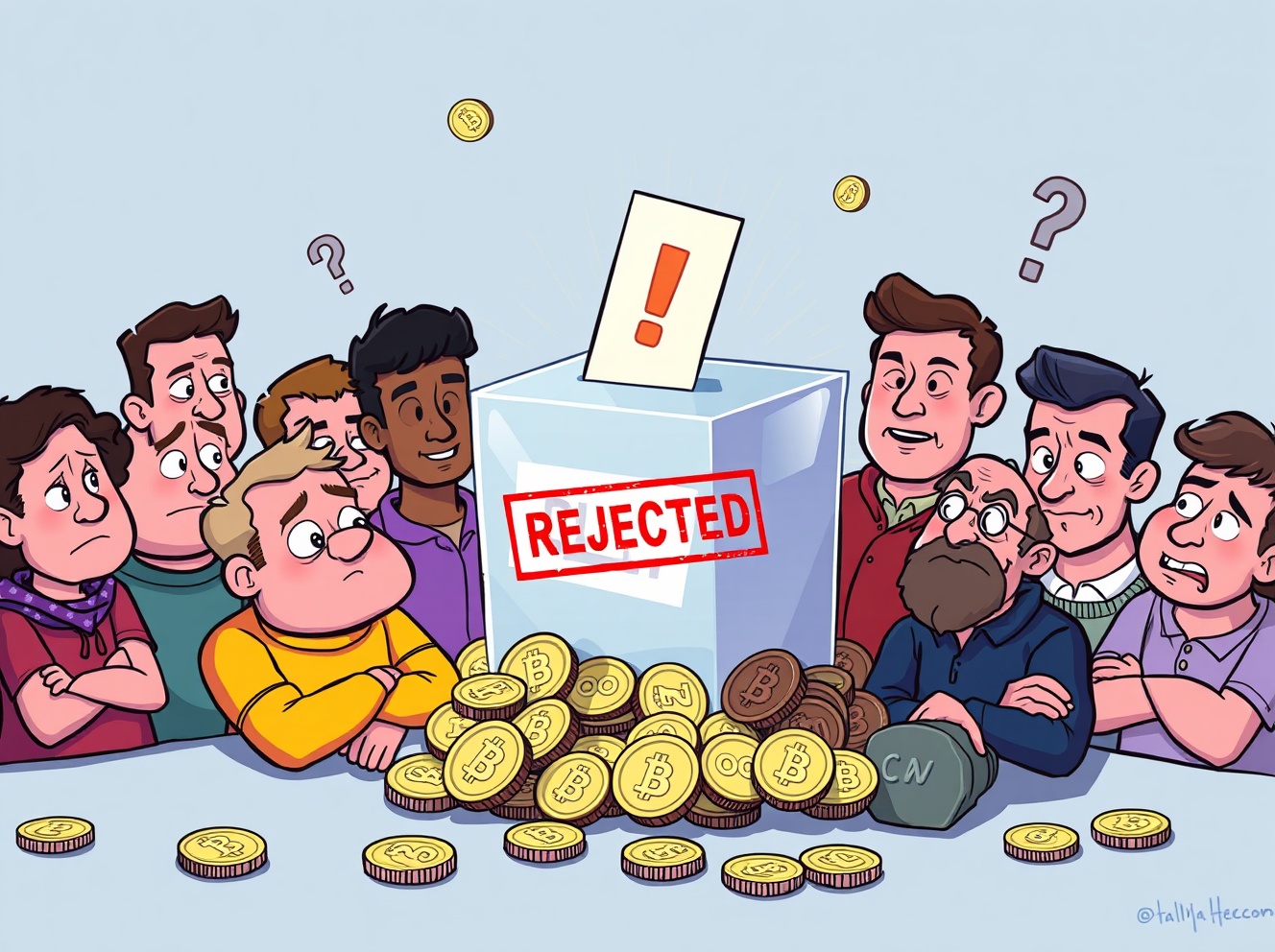
However, despite these concerns, the proposal faced strong opposition and was ultimately rejected. This outcome highlights the challenges inherent in achieving consensus within a decentralized framework, especially when significant financial stakes are involved.

Why Did the Compound DAO Proposal Fail?

The rejection of the proposal was not a close call; about 70% of the voters opposed the recall. Reports suggest that large-scale investors played a significant role in leading this opposition. Their motivations likely centered on protecting the existing token distribution and the perceived stability it offered.

Community members who submitted the proposal voiced concerns that the initial grant:

  • Mainly benefited a few insiders.
  • Potentially harmed the broader interests of the Compound DAO.

This situation underscores a common tension in DAOs: the balance between rewarding early contributors or key participants and ensuring equitable distribution and broad community benefit. It raises questions about who truly holds the power in decentralized systems and how effectively community voices can influence major decisions.

Understanding Decentralized Governance Challenges

The incident within the Compound DAO is a prime example of the complexities involved in decentralized governance. While DAOs promise a democratic approach to decision-making, they are not immune to power dynamics that can influence outcomes.

Key Challenges Include:

  • Voter Apathy: Not all token holders actively participate in governance.
  • Whale Dominance: Large token holders (whales) can sway votes significantly.
  • Information Asymmetry: Some participants may have more information or influence than others.
  • Consensus Building: Reaching broad agreement on contentious issues can be difficult.

This event serves as a valuable case study for other DAOs. It emphasizes the need for robust governance frameworks that can address potential conflicts of interest and ensure that all voices, regardless of their token holdings, have a fair opportunity to be heard.

What Are the Broader Implications for Compound DAO and DeFi?

The failed recall within the Compound DAO has wider implications beyond just the token distribution. It highlights the ongoing evolution of decentralized autonomous organizations and their struggle to achieve true decentralization and equitable representation. For the DeFi ecosystem, such events are crucial learning opportunities.

Lessons Learned:

  • The importance of clear, transparent grant allocation policies.
  • The need for mechanisms to address perceived inequities.
  • The ongoing debate about delegate incentives and accountability.

As DAOs continue to mature, they must develop more sophisticated methods for engaging their communities and resolving disputes. This incident prompts a deeper look into how future proposals within the Compound DAO, and indeed other DAOs, will be structured and voted upon to ensure broader community buy-in and trust.

Concluding Thoughts on Compound DAO’s Governance

The rejection of the Compound DAO proposal to recall $13 million in COMP tokens marks a significant moment in its governance journey. It underscores the powerful influence of large stakeholders and the persistent challenges in balancing the interests of various community factions. While the outcome may disappoint some, it offers invaluable insights into the real-world complexities of decentralized decision-making. The future success of DAOs, including the Compound DAO, will depend on their ability to adapt, foster inclusive participation, and continually refine their governance mechanisms to serve the collective good.

Frequently Asked Questions (FAQs)

1. What was the Compound DAO proposal about?

The proposal aimed to recall 300,000 COMP tokens, valued at approximately $13 million, which were granted last year to delegates to encourage governance participation.

2. Why did the Compound DAO proposal fail?

The proposal was rejected after about 70% of voters opposed it, reportedly led by large-scale investors. Community members who submitted the proposal argued that the grant benefited only a few insiders and was harmful to the DAO as a whole.

3. What are COMP tokens?

COMP is the native governance token of the Compound protocol. Holders of COMP tokens can propose, debate, and vote on changes to the protocol, effectively governing the Compound DAO.

4. What are the main challenges facing decentralized autonomous organizations (DAOs)?

DAOs often face challenges such as voter apathy, the dominance of large token holders (whales), information asymmetry, and the difficulty of building consensus on contentious issues.

5. What does this event mean for the future of Compound DAO?

This event highlights the need for the Compound DAO to continuously refine its governance mechanisms, ensure transparency in token allocations, and address the balance between incentivizing participation and promoting equitable distribution among its community members.

If you found this article insightful, consider sharing it with your network! Your support helps us continue to deliver crucial insights into the evolving world of decentralized finance and blockchain technology.

To learn more about the latest crypto market trends, explore our article on key developments shaping decentralized finance institutional adoption.

This post Controversial: Compound DAO Fails to Recall $13M in COMP Tokens first appeared on BitcoinWorld.


Market Opportunity
1 Logo
1 Price(1)
$0.005908
$0.005908$0.005908
-8.91%
USD
1 (1) Live Price Chart
Disclaimer: The articles reposted on this site are sourced from public platforms and are provided for informational purposes only. They do not necessarily reflect the views of MEXC. All rights remain with the original authors. If you believe any content infringes on third-party rights, please contact service@support.mexc.com for removal. MEXC makes no guarantees regarding the accuracy, completeness, or timeliness of the content and is not responsible for any actions taken based on the information provided. The content does not constitute financial, legal, or other professional advice, nor should it be considered a recommendation or endorsement by MEXC.

You May Also Like

BlackRock boosts AI and US equity exposure in $185 billion models

BlackRock boosts AI and US equity exposure in $185 billion models

The post BlackRock boosts AI and US equity exposure in $185 billion models appeared on BitcoinEthereumNews.com. BlackRock is steering $185 billion worth of model portfolios deeper into US stocks and artificial intelligence. The decision came this week as the asset manager adjusted its entire model suite, increasing its equity allocation and dumping exposure to international developed markets. The firm now sits 2% overweight on stocks, after money moved between several of its biggest exchange-traded funds. This wasn’t a slow shuffle. Billions flowed across multiple ETFs on Tuesday as BlackRock executed the realignment. The iShares S&P 100 ETF (OEF) alone brought in $3.4 billion, the largest single-day haul in its history. The iShares Core S&P 500 ETF (IVV) collected $2.3 billion, while the iShares US Equity Factor Rotation Active ETF (DYNF) added nearly $2 billion. The rebalancing triggered swift inflows and outflows that realigned investor exposure on the back of performance data and macroeconomic outlooks. BlackRock raises equities on strong US earnings The model updates come as BlackRock backs the rally in American stocks, fueled by strong earnings and optimism around rate cuts. In an investment letter obtained by Bloomberg, the firm said US companies have delivered 11% earnings growth since the third quarter of 2024. Meanwhile, earnings across other developed markets barely touched 2%. That gap helped push the decision to drop international holdings in favor of American ones. Michael Gates, lead portfolio manager for BlackRock’s Target Allocation ETF model portfolio suite, said the US market is the only one showing consistency in sales growth, profit delivery, and revisions in analyst forecasts. “The US equity market continues to stand alone in terms of earnings delivery, sales growth and sustainable trends in analyst estimates and revisions,” Michael wrote. He added that non-US developed markets lagged far behind, especially when it came to sales. This week’s changes reflect that position. The move was made ahead of the Federal…
Share
BitcoinEthereumNews2025/09/18 01:44
SICAK GELİŞME: Binance, Üç Altcoini Vadeli İşlemlerde Listeliyor!

SICAK GELİŞME: Binance, Üç Altcoini Vadeli İşlemlerde Listeliyor!

Kripto para borsası Binance, ZKP, GUA ve IR tokenlerini vadeli işlemler platformunda listeleyeceğini açıkladı. *Yatırım tavsiyesi değildir. Kaynak: Bitcoinsistemi
Share
Coinstats2025/12/21 16:41
USDC Treasury mints 250 million new USDC on Solana

USDC Treasury mints 250 million new USDC on Solana

PANews reported on September 17 that according to Whale Alert , at 23:48 Beijing time, USDC Treasury minted 250 million new USDC (approximately US$250 million) on the Solana blockchain .
Share
PANews2025/09/17 23:51