

The Evolution Of Play-To-Earn: Top Crypto Gaming Platforms Dominating 2026
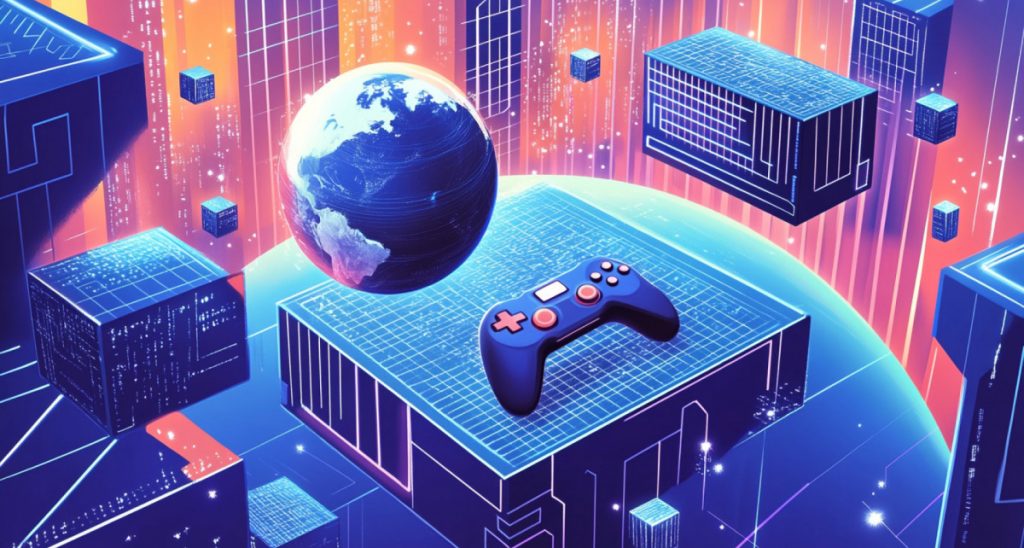
Crypto gaming has developed to an advanced stage by 2026 and begins to transform into a more complex and player-centric industry as a result of evolving experimental play-to-earn (P2E) systems. The focus on speculation and token farming is now being gradually supplanted by the focus on the quality of gameplay, its sustainability, and interoperability. In the eyes of industry monitors such as DappRadar, blockchain games remain one of the busiest sectors in Web3 with millions of wallets accessing games daily during market crashes.
To a large extent, this position is changed by the fact that the concept of tokenomics has been improved, blockchain networks based on zkEVM and Ronin can scale, and a design that focuses less on money and more on fun is prioritized.
Axie Infinity
There are scarce platforms that have had such an influence on crypto gaming as Axie Infinity that is one of the pillars of the GameFi movement. Axie Infinity was the first game to pursue the play-to-earn business model, in which players can breed, battle, and trade NFT-based creatures called Axies.
The platform has changed significantly by the year 2026 in order to overcome the previous criticisms in the form of unsustainable reward systems and the high cost of entry. The free starter Axies and redesigned gameplay has reduced the barrier of entry and increased the long-term attachment.
Axie Infinity has now focused on the strategic gameplay via its Origins mode with evolving parts and meta morphing where the game and its players are further integrated. Although its economy is too prone to volatility, its reputable brand and constant developments will keep it among the most popular platforms.

The Sandbox
By 2026, the Sandbox has established itself as one of the best crypto gaming platforms based on the metaverse. It is constructed on the basis of Ethereum and provides people with the opportunity to create, own, and monetize virtual experiences with the help of LAND NFTs and SAND token.
The Sandbox is unique with an ecosystem being creator-driven. Players can not only participate in games, but also create games, host games, and sell digital assets within the platform. This is one of the most sustainable models of Web3 gaming, which has demonstrated itself to be user-generated.
The Sandbox has plans of growing in 2026 via brand relations, enhanced creator tools, and interoperability with other blockchain ecosystems. It is a transition to a decentralized digital economy in which players own their creations in reality.

Decentraland
Decentraland is still a significant presence in the metaverse sector of crypto gaming, which has provided an entirely decentralized virtual world in which users can interact, trade, and create experiences. Similar to The Sandbox, it is an Ethereum project where virtual real estate is represented as an LAND NFT.
The site has evolved into an online social network where applications like virtual concerts or business conferences have been hosted. It has a MANA-based economy that supports exchanges in the ecosystem.
In 2026, the Millionaire Next Door is not as attractive as it is based on the gameplay but as a virtual society. It has drawn businesses, artists and societies seeking to have a presence in the metaverse, creating a blending between a game and a decentralized social media platform.

Illuvium
The improved edition of the AAA-caliber blockchain game, Illuvium, is an open-world adventure with auto-battler action. Built on the Ethereum blockchain with support for the Immutable X scaling solution, Illuvium is a high-end graphics game that places a strong focus on immersion.
The players can explore a large alien world, capture creatures called Illuvials, which are subsequently able to be utilized in strategic battles. They are tokenized into NFTs, which transfer ownership to the players to trade in open markets.
Illuvium is one of 2026 that will close the gap between traditional gaming and Web3. It has competitive production quality and represents a wider industry trend of making games that focus on entertainment, but use blockchain as a second layer.

Star Atlas
Star Atlas is among the most expansive crypto gaming projects, which is a space-themed metaverse running on the Solana blockchain. The platform, combining exploration, strategy and economic simulation, is known to have cinematic visuals and have a large universe.
The game has a dual-token economy and gives players the opportunity to own ships, land, and other assets in the form of NFTs. It also has a decentralized model of governance giving players the opportunity to shape the future of the game which strengthens the values of Web3 ownership.
Star Atlas continues to develop as of 2026, yet in the vision of a completely simulated player-driven universe, it is one of the most followed projects in the industry.

Gods Unchained
Gods Unchained has become one of the most refined blockchain games of a trading card game. It is a hybrid between a classic card game and NFT ownership, which enables the players to own and trade the cards in reality.
Competitive matches allow players to earn tokens and tradable assets in the game, which is why it is a good example of the way in which play-to-earn features can be implemented alongside skill-based gameplay.
Even in 2026, Gods Unchained keeps its player base owing to its accessibility, level of strategy and relatively low entry barriers in comparison with other NFT games. It proves that the use of blockchain may contribute to and not to competitive gaming experience.

Splinterlands
Another giant in the genre of blockchain-based card games is Splinterlands, which boasts a high-speed gameplay and is available on mobile technology. It is based on Hive blockchain and is capable of providing fast matches and an easy-to-use interface.
The economy of the platform is based on card NFTs and in-game tokens which can be earned by the players during the battles and tournaments. It has a high-quality community backing and low-cost entry that has enabled it to retain a loyal user base.
In 2026, Splinterlands will continue to be one of the easiest points of entry into crypto gaming, especially when it comes to low-cost entry by players in the emerging market.

Gala Games
It has also become an ecosystem, where Gala Games is not a single platform, but several games based on blockchain are under an umbrella. It focuses on empowering gamers with ownership and governance that is decentralized to enable them to take charge of their gaming lives.
It has a range of titles in genres including strategy games and simulation experience. Players may also hold in-game assets in the form of NFTs and engage in the node system of the platform that allows it to be decentralized.
In 2026, Gala Games will be unique, having the ecosystem strategy, which provides diversity and scalability and minimizes the dependence on a flagship game.

Immutable (Immutable X Ecosystem)
Instead of having a standalone game, Immutable has established itself as a pillar of the crypto gaming sector. The Ethereum Layer 2 scaling solution has made it gas-free and high throughput, thus suitable in gaming.
There are many games on the Immutable hosting a variety of games such as Illuvium and Gods Unchained, offering developers the framework to create scalable and friendly blockchain games.
It is difficult to overestimate its significance in 2026, and its role is to solve one of the most significant challenges in crypto gaming, which is transaction costs and scalability.

The optimal crypto gaming platforms in 2026 are indicative of a larger change in the industry. Initial enthusiasm of play-to-earn has been replaced with more sustainable frameworks that focus on gameplay, community and value generation over the long term.
With the industry still in a maturity phase, platforms that will win will be the ones to create a balance between being innovative and being playable. The most exciting crypto gaming platforms of 2026 will be not only about earning alone. It will be about the ability to enter into an immersive, player-created world changing how gaming may be in the digital age.
The post The Evolution Of Play-To-Earn: Top Crypto Gaming Platforms Dominating 2026 appeared first on Metaverse Post.


You May Also Like

How to Spot a South African Cyber-Scam Before You Click “Pay”

Grayscale Reveals Social Consensus As Critical Challenge For Future Security




