Turkish Lira Plummets as Oil Shock Worsens Economic Outlook – Commerzbank Analysis
BitcoinWorld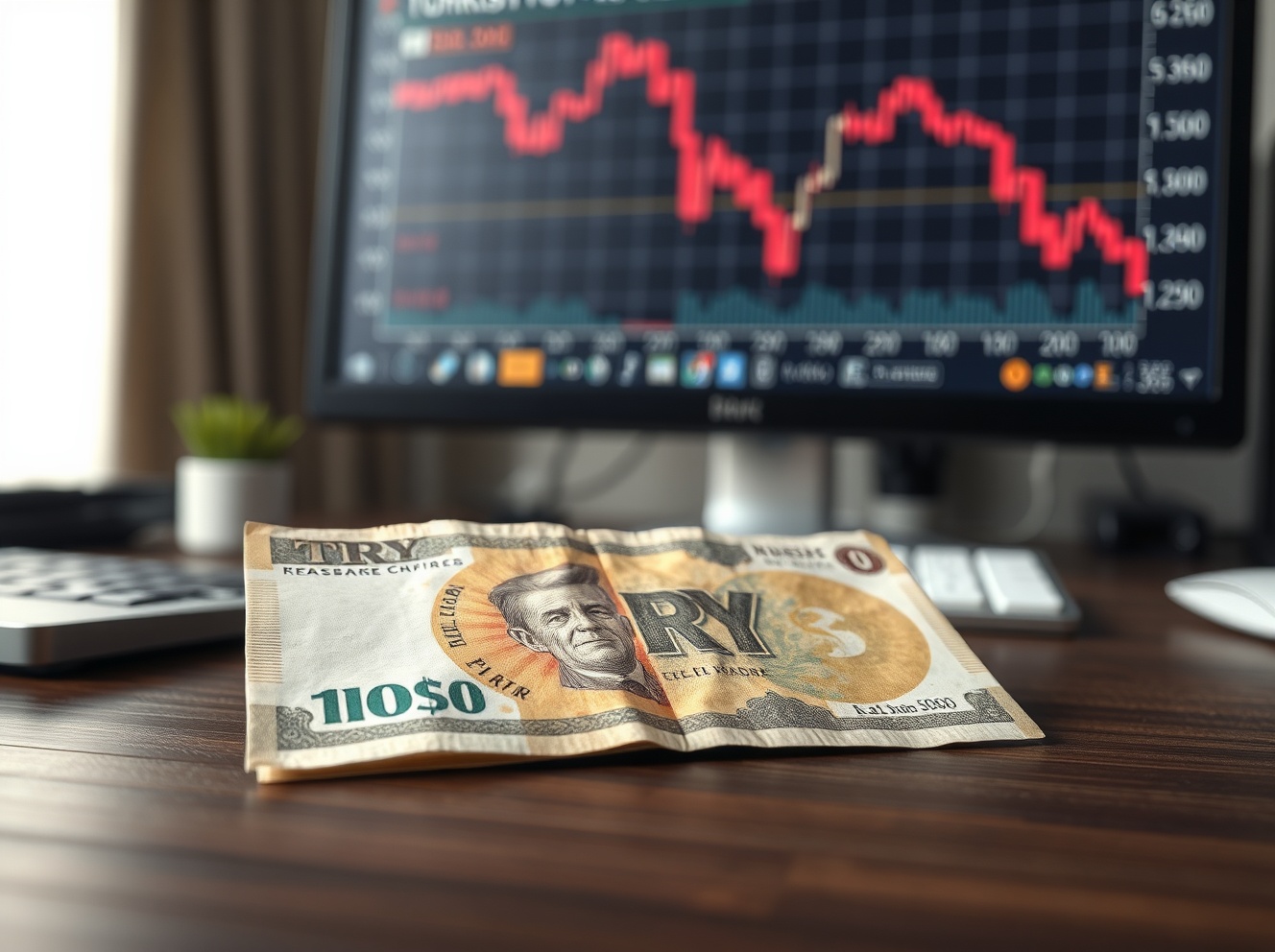
Turkish Lira Plummets as Oil Shock Worsens Economic Outlook – Commerzbank Analysis
The Turkish lira faces renewed downward pressure as surging global oil prices exacerbate existing economic vulnerabilities, according to a recent analysis from Commerzbank. Frankfurt, Germany – March 2025. This development creates significant challenges for Turkey’s monetary policymakers, who must navigate persistent inflation alongside external energy shocks. Consequently, market participants closely monitor the central bank’s next moves for signals about currency stability.
Turkish Lira Vulnerability Amid Global Oil Price Volatility
Commerzbank economists highlight the direct correlation between oil prices and the Turkish lira’s valuation. Turkey maintains a substantial energy import bill, which means higher oil prices immediately worsen its current account deficit. This fundamental imbalance places automatic selling pressure on the lira in foreign exchange markets. Furthermore, global benchmark Brent crude recently surpassed $95 per barrel, marking a 22% increase year-to-date. Therefore, the cost of Turkey’s energy imports has risen dramatically, draining foreign currency reserves.
Historical data reveals a consistent pattern of lira depreciation during previous oil price spikes. For instance, during the 2022 energy crisis triggered by geopolitical conflicts, the TRY/USD exchange rate weakened by over 40%. Currently, the lira trades near record lows against both the US dollar and the euro. Market analysts attribute this weakness to several concurrent factors beyond just oil. Specifically, these include:
- Persistent double-digit inflation eroding domestic purchasing power
- Substantial foreign currency-denominated debt
- Declining foreign direct investment inflows
- Unorthodox monetary policy approaches in recent years
Commerzbank’s Economic Assessment and Forecast
Commerzbank’s research team provides a detailed examination of Turkey’s macroeconomic indicators. Their latest report suggests the oil price shock arrives at an inopportune moment for Turkish economic rebalancing. The central bank had begun a tightening cycle to combat inflation, but external pressures now complicate that mission. Higher energy costs directly feed into consumer price inflation through transportation and production inputs. As a result, the bank may face a difficult choice between defending the currency and supporting economic growth.
The analysis includes comparative data on emerging market currency performance during the current commodity cycle. Notably, the Turkish lira has underperformed regional peers like the Mexican peso and Brazilian real. This relative weakness signals specific domestic challenges beyond broader emerging market trends. Commerzbank economists reference several key metrics that illustrate the pressure points:
| Economic Indicator | Current Value | Year-on-Year Change |
|---|---|---|
| Annual Inflation Rate | 48.7% | +5.2 percentage points |
| Current Account Deficit | $42 billion | Widened by 18% |
| Central Bank Net Reserves | $35 billion | Declined by 12% |
| USD/TRY Exchange Rate | 34.85 | Depreciated 28% |
Expert Perspectives on Policy Responses
Financial market specialists emphasize the limited toolkit available to Turkish authorities. Traditional responses to currency depreciation—such as aggressive interest rate hikes—carry recession risks. However, alternative measures like capital controls could further deter foreign investment. Commerzbank’s analysis suggests a coordinated approach focusing on energy diversification might provide medium-term relief. Specifically, accelerating renewable energy projects could reduce exposure to fossil fuel imports. Meanwhile, diplomatic efforts to secure alternative energy suppliers continue behind the scenes.
International financial institutions monitor the situation closely. The International Monetary Fund recently noted Turkey’s “complex policy challenges” in its regional outlook report. Similarly, credit rating agencies maintain a cautious stance on Turkish sovereign debt. These institutional perspectives influence investor confidence and capital flows. Consequently, the lira remains sensitive to both domestic policy announcements and global risk sentiment.
Broader Implications for Emerging Markets
The Turkish experience offers important lessons for other energy-importing emerging economies. Countries with large current account deficits face amplified vulnerability during commodity price surges. Financial markets increasingly differentiate between economies based on their energy independence and fiscal discipline. Therefore, nations with stronger fundamentals experience less currency volatility despite similar external shocks. This divergence creates opportunities for selective investment but also highlights structural weaknesses.
Global energy market dynamics continue evolving amid geopolitical tensions and climate transition efforts. Oil price volatility likely persists throughout 2025, according to most energy analysts. This environment demands flexible economic policies and robust foreign exchange reserves. Emerging market central banks generally maintain higher reserve levels today compared to previous decades. However, reserve adequacy varies significantly across countries, influencing their crisis response capacity.
Conclusion
The Turkish lira confronts substantial headwinds from the ongoing oil price shock, as detailed in Commerzbank’s latest assessment. This external pressure compounds existing domestic economic challenges, creating a complex policy environment for Turkish authorities. Market participants will watch for coherent responses that address both currency stability and inflation control. Ultimately, the lira’s trajectory depends on global energy prices, domestic policy credibility, and broader emerging market sentiment. The coming months will test Turkey’s economic resilience and policy framework under continued stress.
FAQs
Q1: Why does the Turkish lira weaken when oil prices rise?
Turkey imports most of its energy needs, so higher oil prices increase its import bill and worsen its current account deficit. This creates more demand for foreign currency to pay for imports, putting selling pressure on the lira.
Q2: What specific measures has Commerzbank suggested for Turkey?
While Commerzbank’s full report isn’t public, their analysis typically emphasizes traditional stabilization policies: controlling inflation, rebuilding foreign reserves, and potentially accelerating energy diversification to reduce oil import dependence.
Q3: How does Turkey’s situation compare to other emerging markets?
The Turkish lira has underperformed many emerging market peers during the current oil price increase due to Turkey’s particular combination of high inflation, policy uncertainty, and substantial external financing needs.
Q4: What are the main risks if the lira continues to depreciate?
Further depreciation could accelerate inflation through more expensive imports, increase the burden of foreign currency-denominated debt, reduce purchasing power for Turkish consumers, and potentially trigger capital outflows.
Q5: Has Turkey’s central bank intervened to support the lira recently?
Yes, the Central Bank of the Republic of Turkey has used various tools including direct foreign exchange sales and adjustments to reserve requirements, though the scale and effectiveness of these interventions remain subjects of market debate.
This post Turkish Lira Plummets as Oil Shock Worsens Economic Outlook – Commerzbank Analysis first appeared on BitcoinWorld.


You May Also Like

MARA 200 BTC Move Triggers Bitcoin Sell-Off Fear

FLock.io and BitValue Capital Launch $200M Africa Fund II to Pioneer Decentralized AI Infrastructure