South Africa resumes ICT law review that could enable Starlink’s launch
South Africa has resumed the review of its 2016 ICT sector code, especially the Broad-Based Black Economic Empowerment Act (B-BBEE) aspect, which has stalled Starlink’s launch in the country.
Specifically, the review includes an updated framework governing equity equivalent investment programmes (EEIPs). In the updated framework, provisions are made for foreign companies that refuse to dilute 30% of their stake to local ownership to meet empowerment obligations through investment in skills, enterprise development, or infrastructure.
According to a statement on Wednesday by the B-BBEE ICT Sector Council, the review, which opened for comments on April 1, has invited the public to submit written comments on the existing code by 20 May 2026.
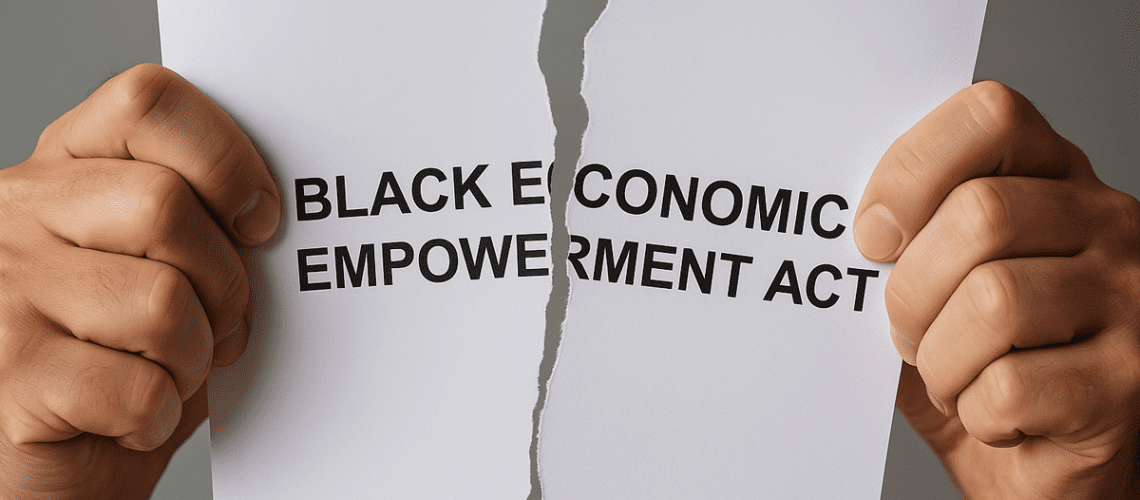
While the alternative provisions under the EEIPs have been in effect for other sectors of the economy for years, their application in the ICT sector has been largely debated by the Communications Regulator, ICASA. This stems from claims that the consideration doesn’t guarantee transparency.
The EEIPs review, which will allow alternatives for ICT firms, also stressed other considerations for foreign companies that couldn’t meet the 30% local ownership rule.
Statement 103 of the ICT sector code states that the contributions must be equivalent to 30% of the value of the applicant’s South African operations (using a standard valuation method), or 4% of annual turnover over the agreed measurement period.
Also Read: Starlink decries South Africa’s delay in approving its entry into the country.
A clear path for Starlink in South Africa
For Starlink, the alternatives presented by the revised EEIPs provide relief after years of attempts to launch in South Africa.
The SpaceX-owned company has previously revealed that it will invest almost R2 billion ($116 million) in South Africa as part of its investment program under EEIPs once it secures a regulatory license.
It also revealed plans to invest R500 million ($29.1 million) to connect thousands of schools to high-speed internet, benefiting approximately 2.4 million learners nationwide by enhancing classroom and e-learning capabilities.

The approach provides a win-win situation for Starlink and South Africa. While the former will gain its long-awaited license, the latter will get infrastructural upgrades, such as the establishment of school networks that provide high-speed broadband to students who previously lacked internet access.
Other foreign industries in SA have enjoyed this privilege. In the auto sector, companies like BMW, Ford, and Toyota have created funds to support historically marginalised groups without giving away ownership
In fact, experts in telecoms posit that flexible investment programs, instead of strict ownership rules, could help bring infrastructure and digital inclusion projects to remote or underserved communities more quickly.
Hurdles ahead
The ownership laws alternative has received serious backlash from SA lawmakers.
In May 2025, SA Communications Minister Solly Malatsi, with the approval of President Cyril Ramaphosa, introduced EEIPs as an alternative to strict ownership requirements. He said EEIPs would broaden broadband access, increase foreign investment, and foster competition.
Members of parliament criticised the policy, arguing that it was initially created to allow Starlink to avoid normal BEE regulations. They noted that it will dent transparency and highly favour foreign companies.
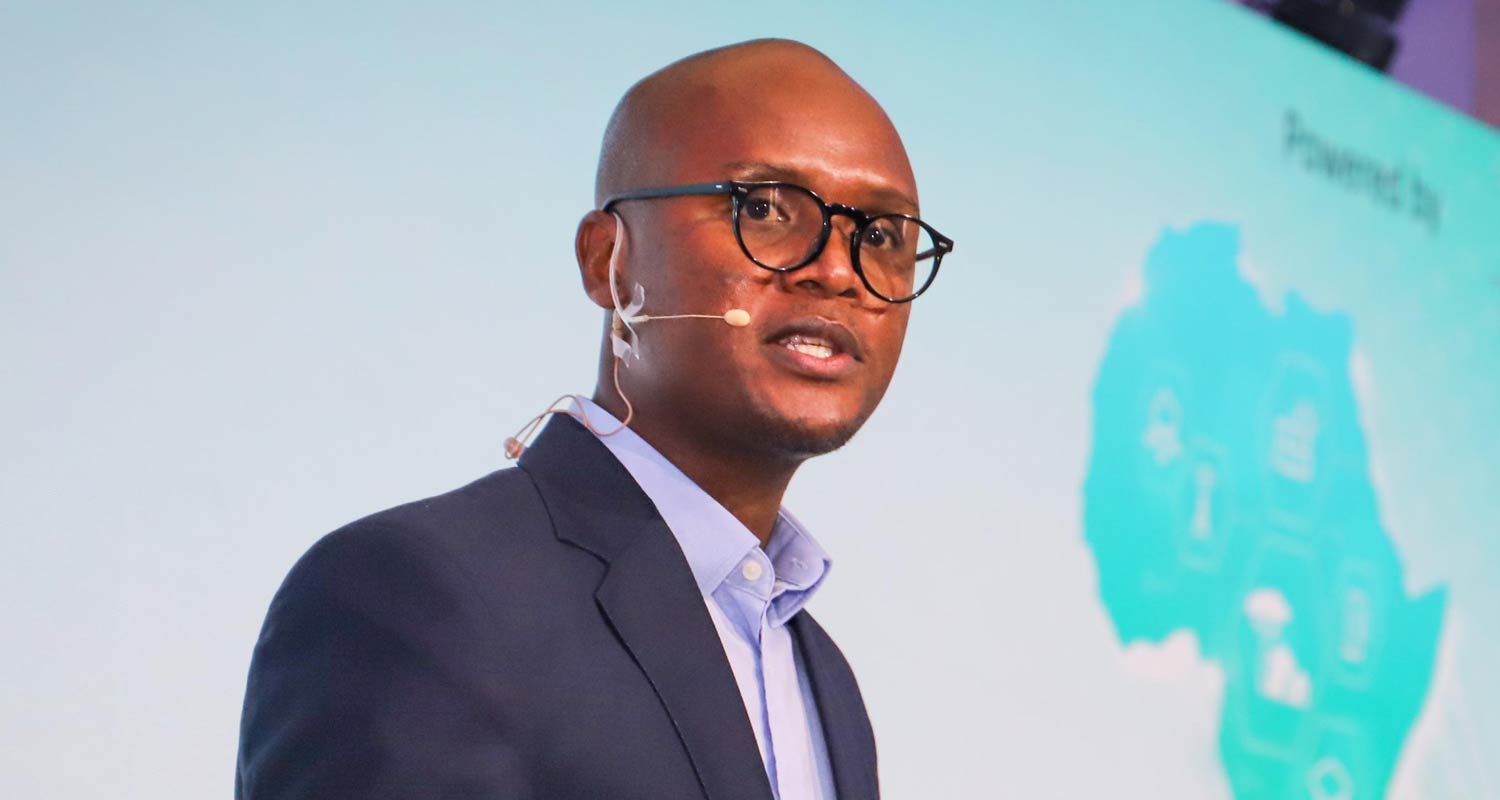 Solly Malatsi – South Africa’s Communications Minister
In response, Malatsi stressed that the move to create an alternative is not aimed at Starlink but an action to encourage greater foreign investment.
However, President Cyril Ramaphosa backed the minister, claiming that about four or five satellite operators beyond Starlink have expressed interest in the South African market but couldn’t because of strict local laws.
After the May 20 deadline, the ICT Sector Council is expected to develop a draft amended code, publish it, and then be subjected to other rounds of public comment before being finalised.


You May Also Like

Fed Rate Cuts Shrink to One as Iran War Rattles Oil Markets and Inflation Outlook
Far-right Trump attorney claims probing him is unconstitutional attack on president