

Peso recovery hinges on US-Iran ceasefire deal
THE PESO could still return to the P60 level versus the dollar and even weaken further despite the United States and Iran forging a temporary ceasefire as markets await significant improvements in the situation in the Middle East and in oil prices.
On Wednesday, the local unit surged by 90 centavos to end at P59.43 against the greenback from its Tuesday close, data from the Bankers Association of the Philippines showed.
This was its largest one-day gain since it advanced by 96 centavos on Nov. 11, 2022 to close at P57.23. This was also the peso’s strongest close in almost a month or since it ended at P59.385 on March 12.
Analysts said the truce provides some relief to markets, but it remains to be seen if this would translate into an extended recovery as the situation stays fragile.
“The ceasefire gives the peso much-needed breathing room. With oil prices pulling back sharply, inflation and import pressures could ease, which is supportive for the currency,” Reyes Tacandong & Co. Senior Adviser Jonathan L. Ravelas said in a Viber message.
He said markets will watch whether the ceasefire sticks, where oil prices settle, and how the US Federal Reserve and the Bangko Sentral ng Pilipinas would respond.
“As long as geopolitical tensions stay contained, optimism should be enough to keep the peso closer to P60,” he said. “A move back to P60 is my base case as risks of ceasefire break down are high and oil spikes again.”
The peso will “comfortably” remain below the P60 level if global crude oil prices stay below $100 per barrel levels and if the Strait of Hormuz stays open, Union Bank of the Philippines Chief Economist Ruben Carlo O. Asuncion likewise said in a Viber message.
However, any renewed disruption to oil supply could quickly revive depreciation pressures, keeping the dollar-peso largely headline-driven in the near term, he said.
The peso remains vulnerable to risk-off sentiment as there are no material changes aside from the announcement of the ceasefire, a trader said in a text message.
The currency could see an extended recovery if the risk of escalation in the Middle East war is averted moving forward, Rizal Commercial Banking Corp. Chief Economist Michael L. Ricafort said in a Viber message.
“There is also a need to normalize the flow of crude oil, natural gas, and other energy products through the Strait of Hormuz to help further reduce global and local fuel prices that will also help further stabilize the peso exchange rate,” he said.
The dollar remained on shaky footing on Thursday after broad losses, as investors anxiously assessed whether a fragile ceasefire between the United States and Iran would hold, Reuters reported.
The ceasefire deal appeared to be on thin ice, as Israel continued its parallel war against the Iran-aligned militia Hezbollah in Lebanon, while Tehran accused both Israel and the US of violating the agreement and said that proceeding with peace talks would be “unreasonable.”
The Strait of Hormuz also remained shut to vessels sailing without a permit and shippers said they needed more clarity before resuming transit, sending oil prices higher.
US President Donald J. Trump said all of its ships, aircraft, and military personnel would stay in place in and around Iran until it fully complied with a deal.
The five-week war has shaken investor confidence, triggering the largest disruption to global oil and gas supplies on record. — Aaron Michael C. Sy with Reuters


You May Also Like
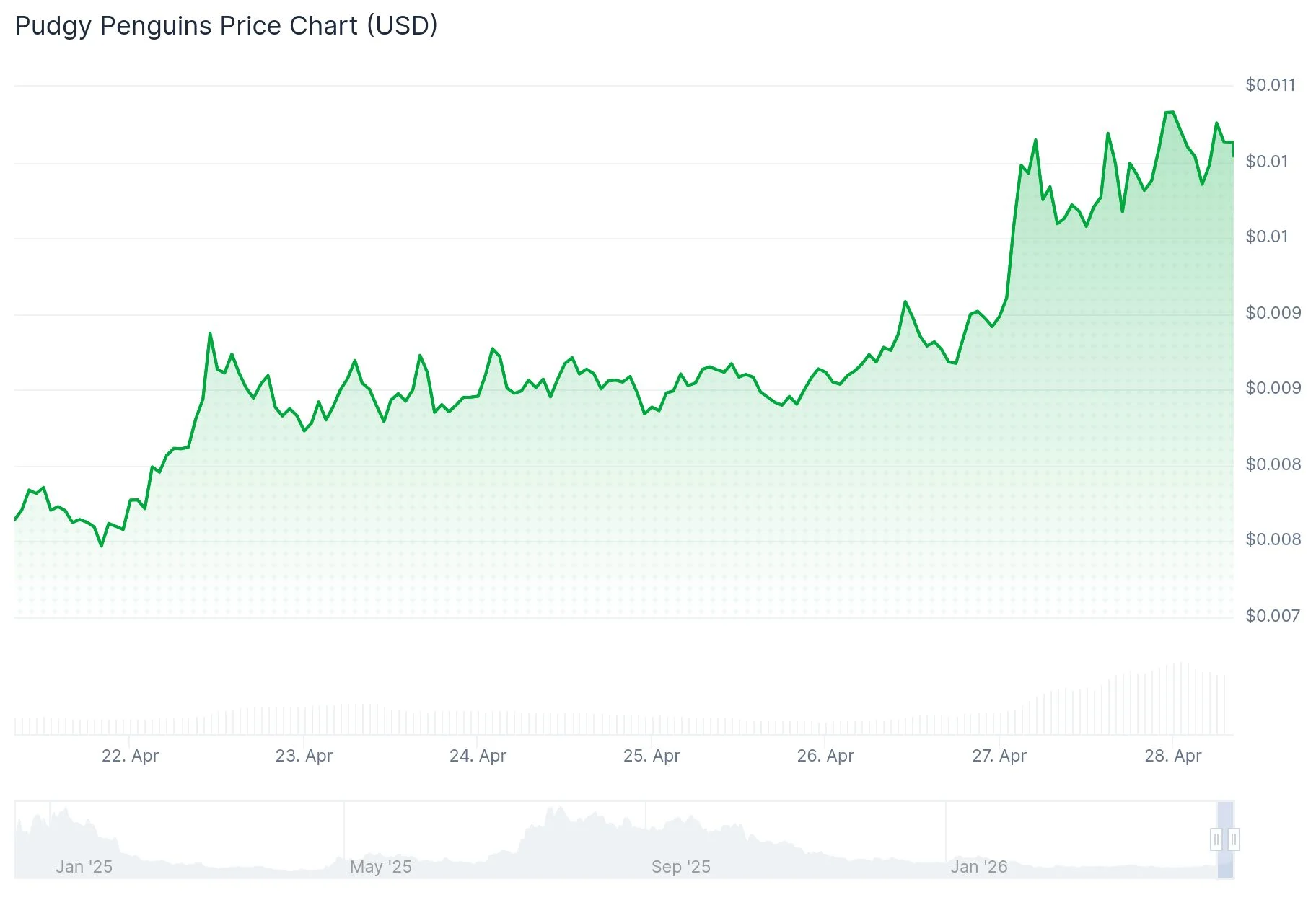
Pudgy Penguins (PENGU) Hits 3-Month Peak Amid NFT Token Revival

XRP Breakout Setup Faces Heavy Supply Test




