

Telecoms Theft: Monitoring and real-time detection key to curbing losses in Africa
In the past few days, African telecom operators reported losses related to equipment theft and vandalism incidents.
First, it was a report by the Independent Communications Authority of South Africa (ICASA) which showed that telecom operators’ losses to equipment theft amounted to $12 million, signalling a 189% surge.
In addition to infrastructural theft, the industry suffered fibre cuts and cable theft, which have been traced to equipment resale markets and a corrupt supply chain.
Beyond South Africa, records from Nigeria also revealed a similar trend.
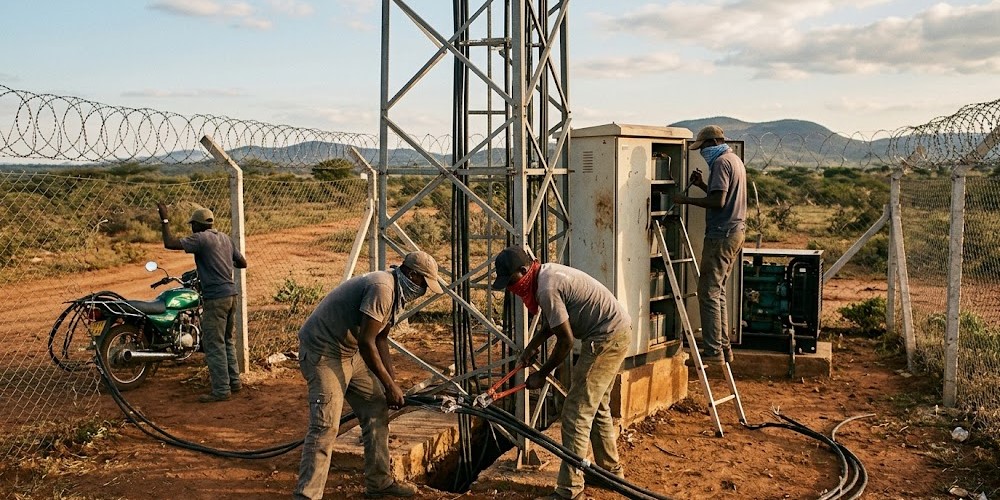 Telecoms equipment theft
In 2025, the telecom industry recorded 656 major equipment losses as 152 generators and 504 batteries were stolen from mobile sites. Additionally, about 1,344 separate incidents of diesel theft were recorded, while fibre cut cases increased to 1,100 incidents per week in the last four months of 2025.
While this reveals a rise in numbers, it’s a critical reflection of telcos’ increasing cost of operation and how it’s fast becoming a threat to planned investment.
Reacting to the disturbing data, Gladstone Rammile, an IT and Service Delivery Manager, expressed that the development is not merely a financial loss but reflects an increasing threat to operations and infrastructure.
“The surge in telecoms theft is not just a financial loss; it’s a direct threat to critical national infrastructure and digital connectivity.” he said.
 Gladstone Rammile
His comments reflect growing concerns within the industry. As telcos strive to provide a quality network performance to align with the quality of experience threshold, rising telecoms theft is a major threat. This trend is contributing to increased network outages, resulting in a drop in voice and internet experience by subscribers.
In most cases, telcos divert part of the funds meant for capital expenditure (CAPEX) to repair damaged facilities by vandals and likewise spend some on purchasing stolen equipment.
Also Read: Here are the top 10 telecom operators in Africa in 2026.
Counter strategies to telecoms theft
The rising theft threatening the industry calls for an urgent need to implement proactive means and counter strategies.
To combat these threats, Rammile advised telcos to invest in techniques such as proactive infrastructure monitoring and real-time incident detection.
By this, the expert is encouraging players to install CCTV cameras, deploy fibre-cut alarms, enable power anomaly alerts, use AI analytics and drones to survey base stations weekly to spot new threats. It also involves using predictive maintenance to detect sudden site shutdowns, as vandals often test sites first.
Not only the above, but Rammile also advised telcos to “tighten physical security frameworks aligned with risk management standards.” By strengthening security access with tech-oriented solutions, players can curtail these problems.
 combating Telecoms theft
There are also issues with systemic gaps stemming from the weakness in the supply chain
“The fact that cable theft is linked to equipment resale markets also points to a systemic gap in supply chain controls. Until those downstream channels are properly regulated, the losses will keep mounting,” he said.
A country’s digital transformation is highly dependent on strong connectivity and reliable internet. The extent to which telecoms infrastructure is protected will dictate the pace of the quality network backbone.
Infrastructure in the space
The physical presence of telecoms equipment makes it susceptible to vandalism and theft by bad actors.
In reaction to how telecoms can institute proactive measures, Stephen Swart, a telecoms professional, suggested the installation of equipment in space, coupled with a hybrid terrestrial and celestial transmission access network. This involves partnering with satellite players such as Starlink.
“It will have many advantages, like it will put half of the infrastructure in the sky where it cannot be vandalised, never mind the savings on electricity consumption and the free-up of frequency spectrum,” he added.
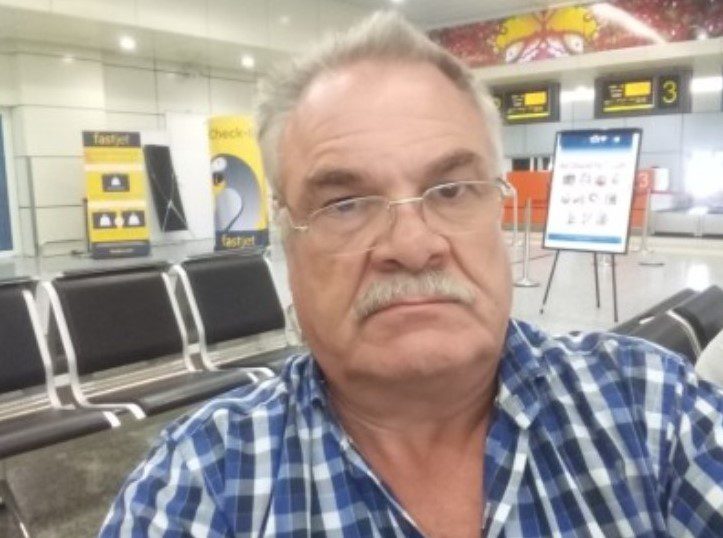 Stephen Swart
Telcos such as MTN and Airtel have led the strategy following partnerships with Starlink for the cell-to-phone innovation. The initiative has been tipped to lead the next generation of bridging the digital divide and connecting more Africans to the internet.


You May Also Like

Sedgwick Launches New 24/7 Accident Response Team to Transform Commercial Trucking Claims

Why IPO Genie Is Emerging as a Top Crypto Presale to Watch This Quarter




