CBN ends ATM maintenance charges, raises ATM card fee to ₦1,500 in new rules
The Central Bank of Nigeria (CBN) has increased the fee for issuing and replacing ATM cards by 50%, from N1,000 to N1,500, while eliminating the N50 monthly maintenance fee on naira-denominated cards.
The changes were disclosed in the CBN’s Exposure Draft of the Guide to Charges by Banks and Other Financial Institutions in Nigeria 2026, signed by Dr Rita Sike, director of the Financial Policy and Regulation Department.
For most Nigerians, the practical effect is straightforward. The next time you need a new ATM card, whether because your old one expired, was lost, stolen, or damaged, your bank will charge you N1,500 instead of N1,000. That applies to standard debit and credit ATM cards. Premium and hybrid cards have negotiable fees, while virtual cards incur no fees at all.
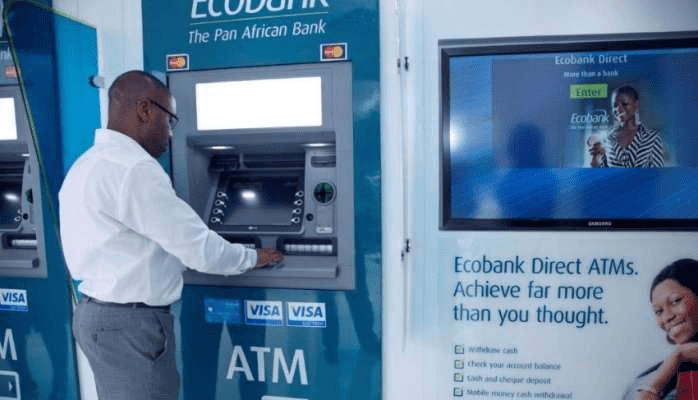 EcoBank ATM gallery
On the other hand, the removal of the N50 monthly maintenance fee, which previously included a 7.5% Value Added Tax, means cardholders will no longer see that recurring deduction on their accounts. For someone who has held a naira card for years, that small monthly charge quietly added up. Its removal is a modest but real relief.
Customers holding foreign-currency-denominated debit or credit cards are not affected by the removal of the maintenance fee. They will continue paying a maintenance fee of $10 per year, as before.
ATM card rule at PoS: Impact on merchants and cardholders
The updated guidelines include a helpful clarification for consumers about card payments at stores. The Central Bank of Nigeria (CBN) has restated that customers should not be charged for using their ATM cards to make payments at merchant locations (Point of Sale terminals).
The Merchant Service Charge, which is 0.5% of the transaction amount (up to a maximum of N10,000), must be paid by the merchant, not the customer.
 The use of POS to facilitate transactions at a Nigerian Fuel Station
This means that whether you are paying for groceries, fuel, clothing, or a restaurant meal using your debit card, the merchant absorbs the processing cost. You should not be asked to pay extra for using your card at a PoS terminal. The rule applies regardless of the payment technology or method used.
Also read: CBN issues urgent scam alert as fraudsters impersonate bank to steal Nigerians’ data
The CBN said the broader review of the charges guide is aimed at accelerating the adoption of electronic payment channels, promoting financial inclusion, and lowering the cost of micropayments across the financial system.
 Opay POS agent
The apex bank noted that some charges have been revised to encourage more Nigerians to use digital financial services. At the same time, the guide has also been updated to accommodate new industry participants that have emerged since the last version was issued in 2020.


You May Also Like

GRASS Token Surges 3.7% as DePIN Network Activity Reaches New Milestone

Procter & Gamble (PG) Stock Gains as Q3 Earnings Clear the Bar on All Fronts