

Binance Stablecoin Inflow Hits $6B: A Powerful Signal of Investor Confidence Amid Market Turmoil
BitcoinWorld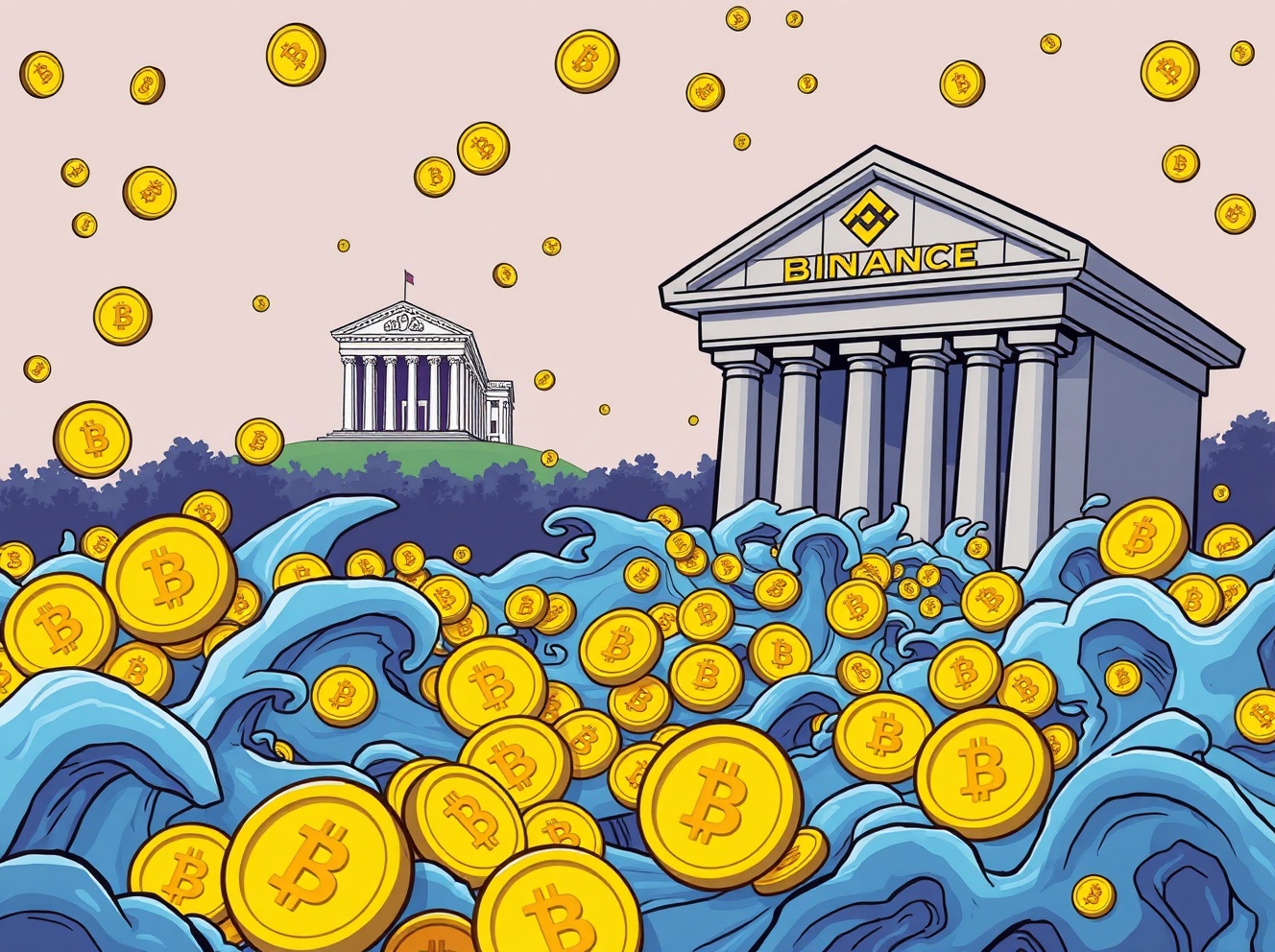
Binance Stablecoin Inflow Hits $6B: A Powerful Signal of Investor Confidence Amid Market Turmoil
Binance, the world’s largest cryptocurrency exchange, has recorded a staggering $6 billion stablecoin inflow over the past two months. This massive capital movement, identified by on-chain analyst Darkfost, occurred during a period of intense market volatility. The inflows suggest a strategic repositioning by investors, even as global uncertainties mount.
Binance Stablecoin Inflow: A $6 Billion Mystery Unraveled
The Binance stablecoin inflow data, sourced from on-chain metrics, reveals a clear trend. Between mid-October and mid-December 2024, approximately $6 billion in stablecoins—primarily USDT and USDC—moved into Binance wallets. This represents one of the largest two-month inflows in the exchange’s history. Darkfost’s analysis highlights that this accumulation happened despite rising energy prices and persistent inflation fears, triggered by escalating U.S.-Iran tensions.
Stablecoins act as a digital dollar, allowing traders to move funds quickly without exiting the crypto ecosystem. Therefore, a large stablecoin inflow often signals that investors are preparing to deploy capital. They are not fleeing the market; they are waiting for the right moment to buy. This behavior contrasts sharply with panic selling, which typically sees stablecoins flowing out of exchanges.
Market Volatility and Geopolitical Context
The period of this stablecoin inflow coincided with significant macroeconomic headwinds. Energy prices spiked due to geopolitical friction in the Middle East, directly impacting global inflation expectations. Traditional markets experienced turbulence, and the crypto market was not immune. Bitcoin and Ethereum saw sharp price swings, creating both risk and opportunity.
Despite these conditions, the inflow into Binance persisted. This suggests a cohort of sophisticated investors view the volatility as a buying opportunity. They are using stablecoins as a safe harbor within crypto, ready to pivot into assets like Bitcoin or Ethereum when they perceive the bottom has been reached. This strategy is common among institutional players and high-net-worth individuals.
On-Chain Analyst Darkfost’s Perspective
Darkfost, a respected on-chain data analyst, provided the initial insight. His work involves tracking wallet movements across blockchain networks. He noted that the Binance stablecoin inflow was not a single event but a sustained trend. The data shows consistent, large transfers from unknown wallets and other exchanges into Binance. This pattern indicates deliberate accumulation, not automated market-making activity.
According to Darkfost, the timing is critical. The inflow began just as traditional safe-haven assets like gold also saw inflows. However, unlike gold, stablecoins offer immediate liquidity within the crypto ecosystem. This positions Binance as a central hub for capital awaiting deployment. The analyst’s findings have been widely cited by other market observers.
Impact on Binance and the Broader Crypto Market
For Binance, this stablecoin inflow strengthens its position as the dominant exchange. Higher reserves of stablecoins allow the platform to facilitate large trades without slippage. It also provides a liquidity buffer during volatile periods. The exchange can process withdrawals and trades more efficiently, enhancing user trust.
On a broader scale, the inflow suggests a potential price catalyst. Historically, large stablecoin inflows into exchanges precede market rallies. The logic is simple: when investors buy stablecoins and move them to an exchange, they intend to trade. If they are holding, they are waiting. When they start trading, the buying pressure can push prices higher.
However, this is not a guaranteed signal. The market could still face further downside if geopolitical tensions escalate or if inflation data worsens. The stablecoin inflow is a sign of preparation, not a prediction. Investors should watch for subsequent movements—specifically, the conversion of these stablecoins into other cryptocurrencies.
Comparing Current Inflows to Historical Patterns
To understand the significance of this $6 billion figure, it helps to compare it to past events. In early 2023, a similar but smaller inflow of $2 billion preceded a major rally in Bitcoin. In late 2021, large inflows occurred just before the all-time high. The current inflow is larger in absolute terms, reflecting the growth of the overall crypto market.
Key data points from Darkfost’s analysis include:
- Total inflow: $6.1 billion
- Timeframe: 60 days (mid-October to mid-December 2024)
- Primary stablecoins: USDT (70%), USDC (25%), others (5%)
- Market context: Rising energy prices, U.S.-Iran tensions, inflation concerns
This data underscores the scale of the movement. It is not a minor fluctuation but a major capital shift. The Binance stablecoin inflow is a story of investor behavior under stress, revealing a nuanced response to global uncertainty.
What This Means for Retail Investors
Retail investors often look to large inflows as a signal. However, caution is warranted. The stablecoin inflow does not guarantee immediate price action. It shows that big money is positioning, but the timing of their entry is unknown. Retail traders should avoid FOMO (fear of missing out) and instead use this data as one piece of a larger puzzle.
Experienced traders recommend monitoring on-chain data regularly. Tools like Glassnode and Nansen provide real-time tracking of exchange flows. A sustained increase in stablecoin reserves, combined with low exchange balances of Bitcoin, often creates a ‘spring-loaded’ scenario. When the trigger is pulled, the move can be explosive.
Conclusion
The Binance stablecoin inflow of $6 billion over two months is a powerful indicator of investor sentiment. Despite market volatility driven by geopolitical tensions and inflation, capital is flowing into the exchange. This suggests a ‘waiting game’ by large investors, positioning themselves for a potential market rebound. While not a guarantee of an immediate rally, the data provides valuable insight into the mindset of sophisticated market participants. As always, investors should combine on-chain analysis with broader economic indicators to make informed decisions.
FAQs
Q1: What is a stablecoin inflow and why does it matter?
A stablecoin inflow refers to the movement of stablecoins like USDT or USDC into a cryptocurrency exchange. It matters because it often signals that investors are preparing to buy other cryptocurrencies, potentially driving prices higher.
Q2: How does the $6 billion Binance inflow compare to past events?
This inflow is one of the largest in Binance’s history. It exceeds the $2 billion inflow seen in early 2023, which preceded a significant market rally. The current figure reflects the growing size of the crypto market.
Q3: Does this inflow guarantee a price increase?
No, it does not guarantee a price increase. It indicates preparation, not action. The market could still face downside risks from geopolitical events or economic data. The inflow is a bullish signal, but not a certainty.
Q4: Who is Darkfost and why should I trust their analysis?
Darkfost is a well-known on-chain analyst who tracks blockchain data. Their analysis is based on verifiable on-chain transactions, making it transparent and reproducible. The data has been corroborated by other on-chain platforms.
Q5: What should retail investors do with this information?
Retail investors should use this data as part of a broader strategy. It suggests large investors are bullish, but timing is uncertain. Avoid impulsive decisions. Combine this insight with technical analysis and macroeconomic news.
Q6: Where can I track stablecoin inflows myself?
You can use on-chain analytics platforms like Glassnode, Nansen, or CoinMetrics. These tools provide real-time data on exchange flows, including stablecoin movements. Many offer free tiers with basic data access.
This post Binance Stablecoin Inflow Hits $6B: A Powerful Signal of Investor Confidence Amid Market Turmoil first appeared on BitcoinWorld.


You May Also Like

Not a loophole: Singapore AI export controls let China tap US AI legally

Crypto Market Drops as Fear Grows and Major Assets Decline

Critical USDT0 Response to Drift Hack Exposes Stark Contrast in Stablecoin Security Protocols



