Nagano Travel Guide 2026: Things To Do, Weather, Ski Resorts & More
Where ancient temples meet the Japanese Alps.
Nagano is one of Japan’s most underrated destinations. Most people know it from the 1998 Winter Olympics, but there’s a lot more here than ski slopes. Ancient temples, snow monkeys, alpine routes, wasabi farms, lake fireworks, and some of the best soba in the country. This guide covers everything you need to know about visiting Nagano in 2026, whatever season you’re coming.
 Stay Up To Date:
– Best Things To Do In Nagoya City, Japan
– What to Buy in Japan: The Singapore Traveller’s Guide
– Things to Do in Penang: Itinerary, Food & Attractions
 TL;DR: Nagano at a Glance
| Highlights | Details |
|---|---|
| Best for | Winter sports, onsen, temples, food, nature |
| Ideal trip length | 2–3 days (1 day possible as a Tokyo day trip) |
| Best time to visit | Winter (Dec–Feb) for skiing; Autumn (Oct–Nov) for foliage |
| Coldest month | January (avg lows of 1°C) |
| Getting there | Shinkansen from Tokyo (~80 min); from Osaka (~2.5 hrs) |
| Local currency | JPY |
| Best card to use | YouTrip (no FX fees, great JPY rates) |
 Table of Contents
- What Is Nagano Famous For?
- Is Nagano Worth Visiting?
- Best Time to Visit Nagano
- How To Get to Nagano from Tokyo
- How Many Days Do You Need?
- 15 Best Things To Do in Nagano
 Historic & Cultural Sites
 Winter Activities
 Nature & Outdoors
 Culture & Arts
 Activities
- Nagano Food Guide
- Things To Do in Nagano in Winter
- Things To Do in Nagano at Night
- Things To Do in Nagano with Kids
- FAQs
What is Nagano Famous For?
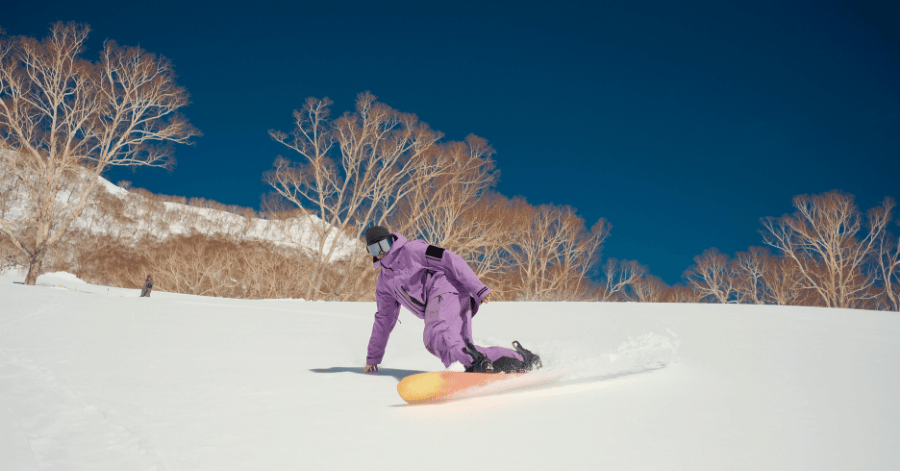
Image Credits: Pexels
Nagano covers a lot of ground. Here’s what draws people here:
- Ski resorts: Hosted the 1998 Winter Olympics and has over 80 ski resorts, including Hakuba Valley, Nozawa Onsen, and Shiga Kogen. Long seasons and consistent powder snow.
- Snow monkeys: Jigokudani Monkey Park is where wild Japanese macaques soak in outdoor hot springs, most iconic in winter when everything’s buried in snow.
- Onsen towns: Nozawa Onsen, Shibu Onsen, and Yudanaka are three of Japan’s most charming hot spring villages, each with public baths you can use for free or near-free.
- Zenkoji Temple: One of Japan’s most important Buddhist temples, founded in the 7th century. Pilgrims have been visiting for over 1,300 years.
- Nature and hiking: The Japanese Alps run through Nagano. Kamikochi, Mount Hotaka, and Togakushi are standout spots for walkers and serious climbers.
- Local food: Shinshu soba, oyaki dumplings, wasabi everything, Nagano apples, and sake brewed from alpine mountain water.
- Festivals: Nozawa Onsen Dosojin Fire Festival (January), Zenkoji Gokaicho (every 7 years), cherry blossom season in Matsumoto and Ueda.
- Samurai heritage: Post towns like Narai-juku along the Nakasendo route have barely changed since the Edo period.
 Related Guide: Things to Do in Uji, Japan: The Ultimate Day Trip Guide
Is Nagano Worth Visiting?
Yes, and it works for almost any type of traveller. In winter, it’s one of the best ski and onsen destinations in Asia. In spring and autumn, the temples, parks, and alpine scenery are genuinely beautiful. In summer, the hiking is excellent, and the heat is far more manageable than in Tokyo or Osaka.
It’s also easy to get to. The Shinkansen from Tokyo takes about 80 minutes. You can do it as a day trip, but an overnight stay gives you proper time for the ski slopes, onsens, or a day trip to Matsumoto Castle.
If you’ve already done Tokyo, Kyoto, and Osaka and want something different, Nagano is the obvious next stop.
Related Guide: Japan Budget Airlines: The Singaporean Traveller’s Guide
Best Time to Visit Nagano
| Season | Months | Conditions | Best For |
|---|---|---|---|
| Winter | Dec–Feb | Cold, heavy snow; avg -5°C to 5°C | Skiing, snowboarding, snow monkeys, onsens |
| Spring | Mar–May | Mild; avg 5°C to 20°C | Cherry blossoms, Matsumoto Castle, hiking |
| Summer | Jun–Aug | Warm; avg 15°C to 30°C | Hiking, Kamikochi, Tateyama Alpine Route |
| Autumn | Sep–Nov | Crisp; avg 5°C to 20°C | Foliage, Togakushi, cycling in Ueda |
Best for skiing: December to March
Best for hiking and sightseeing: April to May, September to October
Related Guide: 33 Things to Do in Kyoto, Japan: Top Attractions, Food & Travel Tips
How To Get to Nagano from Tokyo
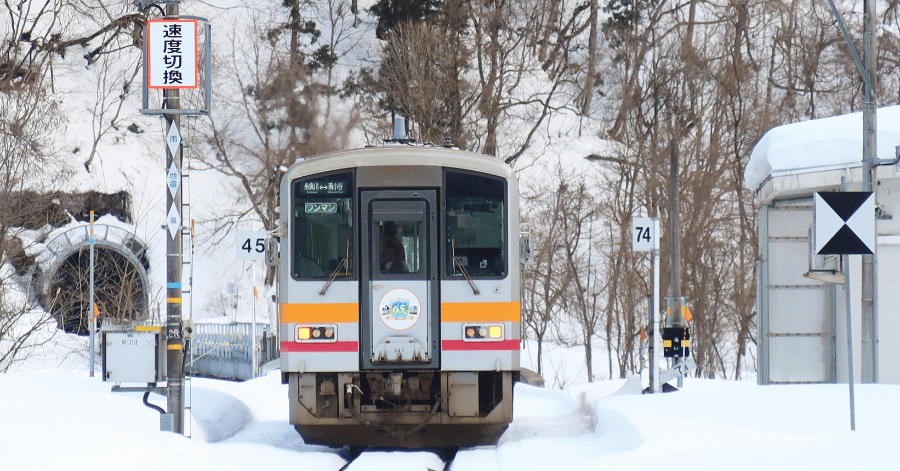
Nagano is 250 km from Tokyo, well within easy reach.
Shinkansen (recommended):
- Hokuriku Shinkansen Kagayaki: ~80 minutes, fastest option
- Fare: ~8,340 JPY (~S$67.26) one-way
- JR Pass holders: the Kagayaki is now covered by the JR Pass
- Frequency: multiple departures hourly from Tokyo Station
Highway bus:
- ~4–5 hours; cheaper at ~4,000 JPY (~S$32.26)
- Night buses available (good for saving on one night’s accommodation)
By car: ~3.5 hours via Chuo or Joshinetsu Expressway
Can I do a day trip from Tokyo to Nagano? Yes. 80 minutes each way is very manageable. A day trip covers Zenkoji Temple, the Jigokudani Snow Monkeys, and Nagano city comfortably. But if you want skiing, Matsumoto, or an onsen stay, plan for at least two nights.
Related Guide: Cherry Blossom Season Japan: Best Time to Visit, Sakura Forecast & Top Viewing Spots
How Many Days Do You Need in Nagano?
- 1 day (day trip): Zenkoji Temple, Jigokudani Snow Monkeys, soba lunch in the city
- 2 days: Add Matsumoto Castle, Togakushi Shrine, or a ski day at Hakuba
- 3+ days: Full ski trip, onsen town stay (Nozawa or Shibu), Tateyama Kurobe Alpine Route, or Kamikochi
Two to three days is the sweet spot for most visitors.
Related Guide: Japan ATM Withdrawal Guide: Fees, Locations, Exchange Rates
15 Best Things to Do in Nagano:
Historic & Cultural Sites
1. Zenko-ji Temple
Image credits: JNTO
The spiritual centre of Nagano and one of Japan’s most important Buddhist temples. Founded in the 7th century, it enshrines what is said to be Japan’s first Buddhist image: a statue so sacred it’s never publicly displayed (a replica is shown every seven years during the Gokaicho Festival).
What to do here:
- Walk through the Sanmon gate and the incense-filled main hall
- Take the pitch-dark underground passage below the main hall and try to touch the Key to Paradise in total darkness
- Arrive before 6 AM for the morning ceremony, free to attend and genuinely atmospheric
Address: 491 Motoyoshicho, Nagano
Hours: 6 AM – 4 PM (varies seasonally)
Admission: Free (donations welcome)
Related Guide: Kyushu, Japan: Complete Travel Guide, Map, Weather, Itinerary
2. Matsumoto Castle
Image credits: Wikipedia
One of Japan’s finest original castles, never destroyed or reconstructed. The distinctive black exterior earned it the nickname “Crow Castle.” Built in the 16th century, the interior has five floors of steep wooden staircases, samurai armour displays, and panoramic views of the Japanese Alps from the top.
- Address: 4-1 Marunouchi, Matsumoto
- Hours: 8:30 AM – 5 PM (last entry 4:30 PM); extended hours during Golden Week and summer
- Admission: 1,200 JPY (~S$9.68) e-ticket; 1,300 JPY (~S$10.48) at the door
 In spring, cherry blossoms bloom around the castle moat, one of the best spots in Nagano for hanami.
Related Guide: Best Time To Visit Japan: Your Ultimate Guide
3. Togakushi Shrine
Image credits: Go NAGANO 長野県公式観光サイト
A network of five Shinto shrines hidden deep in cedar forests, connected by walking trails. The approach to the upper shrine (Okusha) is lined with 400-year-old cedars, one of the more striking walks in Japan. The area is also home to Togakushi soba, which rivals anything you’ll eat in Nagano city.
- Address: 3506 Togakushi, Nagano
- Hours: 24 hours (shrine grounds); access limited by weather in winter
- Admission: Free
Related Guide: ICOCA Card Japan Guide: Where to Buy, How to Use, Suica Comparison
4. Narai-Juku Post Town
Image credits: Klook
One of the best-preserved post towns along the old Nakasendo route. Wooden merchant houses, sake shops, lacquerware, and ryokan that haven’t changed much since the Edo period. Quieter than Kyoto’s preserved districts and less crowded. An easy day trip from Nagano or Matsumoto.
- Getting there: ~40 minutes from Matsumoto by JR Chuo Line
Related Guide: Japan Rail Pass (JR Pass): Prices, Calculator, Map & Full Guide
Winter Activities
5. Ski or Snowboard at Hakuba Valley
Image credits: Wikipedia
Hakuba’s main claim to fame is the 1998 Winter Olympics, and it’s held up well. Ten ski resorts spread across the Japanese Alps, over 200 runs, and consistent powder snow from December to March. Options for every skill level.
Even outside ski season, Hakuba is worth a visit for hiking, mountain biking, and gondola rides with Alpine views.
- Location: Hakuba Village, Nagano
- Day pass: From 4,600 JPY (~S$37.10) depending on resort (Hakuba Cortina: 5,200 JPY; Iwatake: from 6,500 JPY)
- Season: December – March
- Tip: Book lift passes online in advance. It’s cheaper than buying at the window.
Related Guide: 16 Best Things To Do In Fukuoka, Japan: Attractions & Tips
6. Soak in Nozawa Onsen Village
Image credits: Tripadvisor
A traditional hot spring town and ski resort in one. Narrow lanes, wooden ryokan, 13 free public baths (sotoyu) open to anyone who drops a donation in the box. The ski resort sits directly above the village. In January, the Dosojin Fire Festival turns the town into something out of a Kurosawa film.
- Address: Nozawaonsen-mura, Shimotakai District
- Public baths: Free (donation requested)
- Ski season: December – March
Related Guide: Okinawa, Japan Travel Guide: Best Things to Do, Itinerary & Tips
7. See the Snow Monkeys at Jigokudani Monkey Park
Image credits: en.jigokudani-yaenkoen.co.jp
Wild Japanese macaques soaking in an outdoor hot spring surrounded by snow. It’s one of Japan’s most photographed scenes. The monkeys are here year-round, but winter is the iconic time to visit. The park sits at the end of a 30-minute forest walk from the nearest bus stop, so wear shoes you can walk in.
- Address: 6845 Hirao, Yamanochi, Shimotakai District
- Hours: 8:30 AM – 5 PM (shorter hours in winter)
- Admission: 800 JPY (~S$6.45) adults; 400 JPY (~S$3.23) children
Combined Snow Monkey Pass from Nagano Station (train + bus + entry): 5,100 JPY (~S$41.13). Better value than buying separately.
Related Guide: Sapporo, Hokkaido, Japan: The Ultimate Winter Wonderland Guide
8. Snowshoeing in Shiga Kogen
Image credits: Go NAGANO 長野県公式観光サイト
Japan’s largest ski area also works for people who’d rather walk than ski. Guided snowshoeing tours take you through snowy forests, frozen lakes, and trails where you’re more likely to spot animal tracks than other tourists. A genuinely peaceful alternative to the slopes.
- Location: Shiga Kogen, Yamanouchi
- Ticket prices: ~4,000–12,000 JPY for guided tours; private 2-hour tours ~8,000–19,000 JPY; equipment rental ~2,000 JPY (2 hrs).
- Season: December – April
Related Guide: Suica Card Japan Guide: How To Use, Where To Buy & Tourist Tips
Nature & Outdoors
9. Hike in Kamikochi
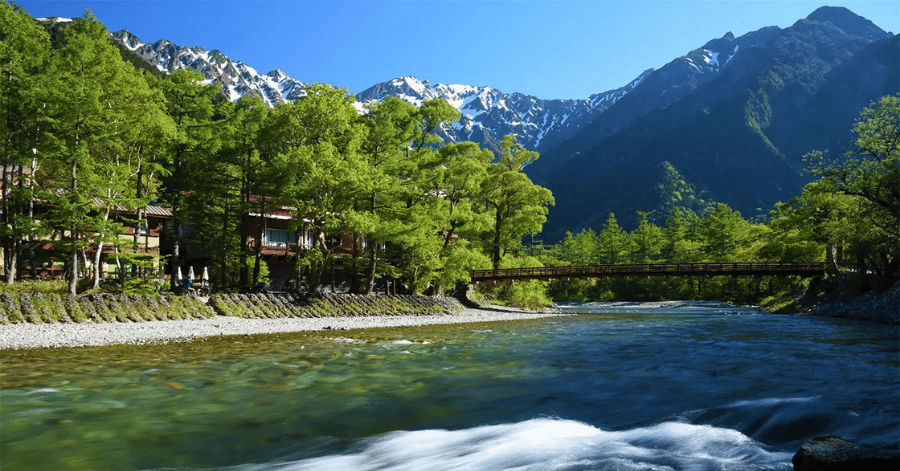
Image credits: THE JAPAN ALPS
A sealed-off mountain valley in the Northern Alps with crystal-clear rivers, wildflowers, and some of the most dramatic mountain scenery in Japan. Flat riverside trails make it accessible for casual walkers; more serious routes head up towards Mount Hotaka. Private cars are banned; access is by bus or taxi from Matsumoto.
- Address: Azumi, Matsumoto
- Hours: 5 AM – 7 PM (varies by season)
- Admission: Free
- Season: Mid-April to mid-November (closed in winter)
Related Guide: 10 Must-Buy Items At Don Quijote In Japan
10. The Tateyama Kurobe Alpine Route
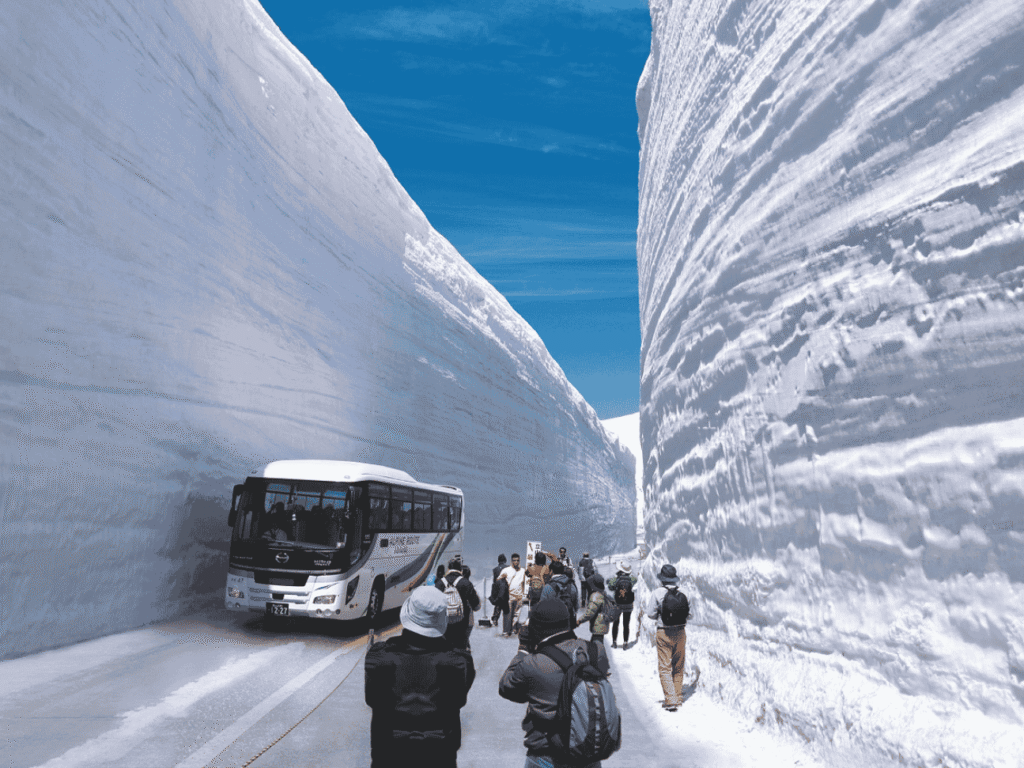
Image credits: www.go-nagano.net
A cross-alpine journey nicknamed the “Roof of Japan”, spanning the Northern Alps via a combination of trains, cable cars, buses, and ropeways between Nagano and Toyama. The Snow Corridor (Yuki-no-Otani) in April and May has 20-metre walls of snow on either side of a walking path. Kurobe Dam, Japan’s tallest, releases water dramatically in summer.
- Season: Mid-April to mid-November
- Fares: From 10,940 JPY (~S$88.23) one-way from Tateyama Station; full crossing from 12,170 JPY (~S$98.15) from Dentetsu Toyama
- Tip: Mid-April to June for snow walls; October for autumn foliage
Related Guide: Car Rental Tokyo Guide: Top Providers, Prices & Tips for Tourists
11. Daio Wasabi Farm (Azumino)
Image credits: visitazumino.com
One of Japan’s largest wasabi farms, irrigated by mountain streams, which give the wasabi its intensity. You can walk the boardwalks, see traditional watermills, and eat your way through a surprisingly long list of wasabi-flavoured food: ice cream, soba, croquettes, soft-serve. It’s been used as a film location several times. Easy half-day from Matsumoto.
- Address: 3640 Hotaka, Azumino
- Hours: 8 AM – 5 PM
- Admission: Free
Related Guide: Things To Do in Osaka: 30 Must-Dos, Food & Nightlife
Culture & Arts
12. Nagano Prefectural Art Museum
Image credits: 長野県立美術館
A well-designed contemporary museum next to Zenkoji Temple, with glass walls framing views of the Japanese Alps. The permanent collection focuses on works connected to Nagano’s landscapes and includes a dedicated Higashiyama Kaii gallery (large-scale nature paintings, worth the visit on their own). The outdoor sculpture garden leads directly into Joyama Park.
- Address: 1-4-4 Hakoshimizu, Nagano
- Hours: 9 AM – 5 PM (last entry 4:30 PM), closed Wednesdays
- Admission: 700 JPY (~S$5.65) permanent collection
Related Guide: SGD to Yen Exchange Rate: Should You Buy JPY Now?
13. Joyama Park
Image credits: 全国ロケーションデータベース – 国立映画アーカイブ
Local favourite for hanami, autumn colours, and escaping the city without actually leaving it. Over 400 cherry trees, direct views of Zenkoji Temple, and food stalls during spring and autumn events. In summer it’s a shaded green space; in November the maples and ginkgo trees turn gold.
- Address: 1221-5 Daimoncho, Nagano City
- Admission: Free
Related Guide: MITSUI OUTLET PARK KISARAZU: Your Ultimate Shopping Getaway From Tokyo
Activities
14. Lake Suwa Fireworks
Image credits: The Japan News
Every August, Lake Suwa hosts one of Japan’s largest fireworks festivals: 40,000+ fireworks reflected on the lake surface, food stalls running the full length of the lakeside, and a summer matsuri atmosphere. Worth planning around if you’re in Nagano in mid-August.
- Location: Lake Suwa, Suwa City
- Date: Mid-August (check annual schedule for exact dates)
- Start time: 7 PM – 8:45 PM
- Admission: Free (paid reserved seating available)
Related Guide: Marukyu Koyamaen Matcha: Best Matcha to Try, Prices & Where to Buy
15. Cycling and Sake in Ueda
Image credits: JNTO
Ueda sits in eastern Nagano and is an easy cycle through castle ruins, local vineyards, and samurai heritage streets. The area is known for Shinshu wine as well as sake. Rent a bike from the station and spend a half-day at your own pace. It’s a good counterpoint to the mountain-heavy rest of any Nagano itinerary.
Location: Ueda City, Nagano
Related Guide: 35 Best Things To Do In Tokyo: Attractions, Food, Nightlife, Anime, Shopping
Nagano Food Guide
Nagano’s food scene is built around the mountains: clean water, cold climate, and high-altitude agriculture. Here’s what to order:
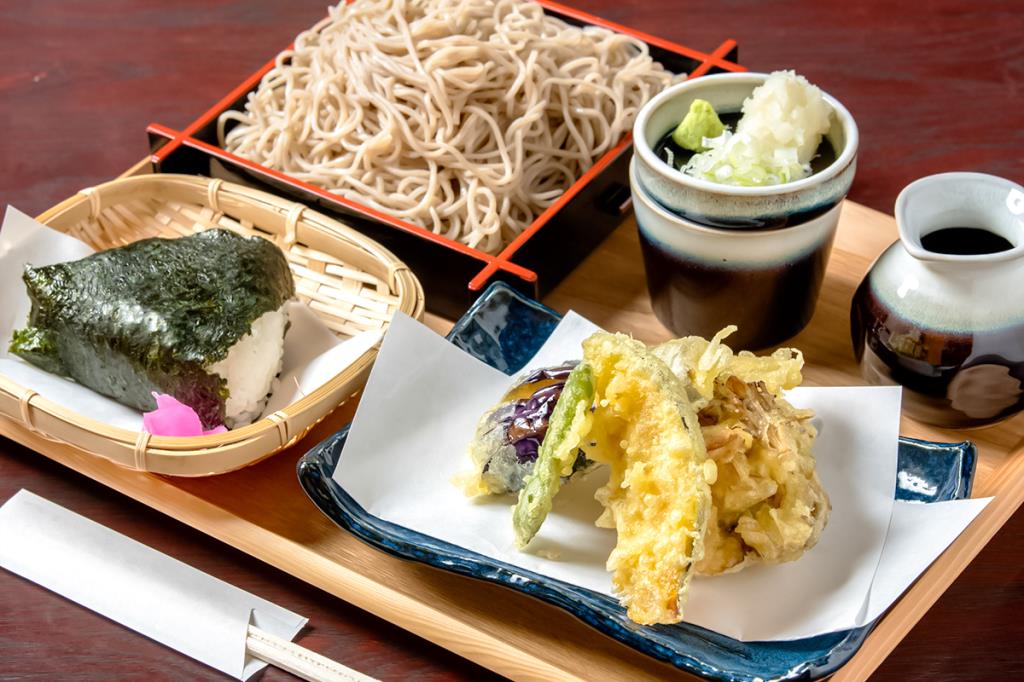
Image credits: PORTA
| Dish | What It Is | Where to Try |
|---|---|---|
| Shinshu Soba | Buckwheat noodles from locally grown grain — the prefecture’s signature dish. Served cold (zaru) or in hot broth. | Monzen Terrace Enya, Nagano City |
| Oyaki Dumplings | Grilled or steamed buns filled with nozawana greens, mushrooms, pumpkin, or red bean paste. Cheap, filling, available everywhere. | Ogawanosho Daimon Branch Store |
| Shinshu Apples | Sweet, high-altitude apples. Available fresh, as cider, or baked into pastries at local bakeries and markets. | Local markets and farm stands |
| Wasabi Dishes | Ice cream, soba, and croquettes from Daio Wasabi Farm in Azumino — much better than it sounds. | Daio Wasabi Farm |
| Sake | 80+ breweries in the prefecture using pure mountain water. Masuichi Ichimura and Libushi are worth a visit. | Obuse and Matsumoto sake breweries |
Related Guide: Best Omakase Tokyo: Guide to Prices, Reservations & Top Restaurants
Things To Do in Nagano in Winter
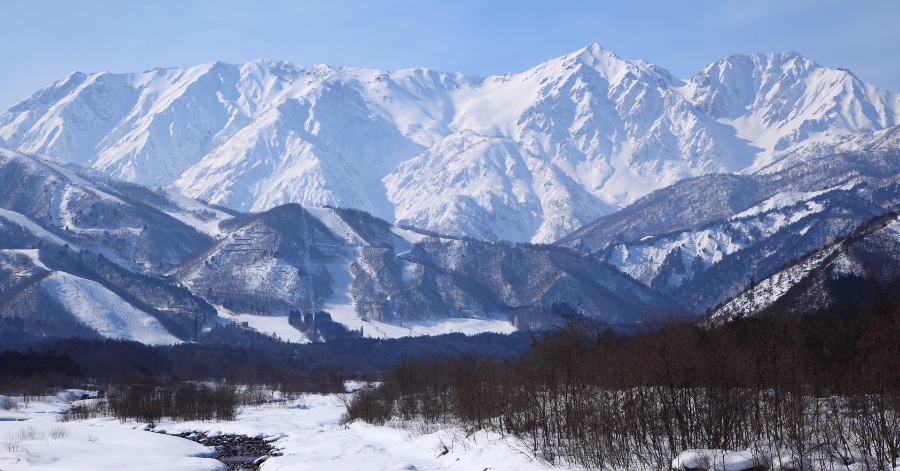
Winter is Nagano’s peak season for good reason:
- Skiing and snowboarding: Hakuba Valley, Nozawa Onsen, and Shiga Kogen are all world-class. Powder season runs from December through March.
- Snow monkeys at Jigokudani: The classic winter experience. Best January through February for deep snow scenes.
- Nozawa Onsen Dosojin Fire Festival: Late January; one of Japan’s most dramatic winter festivals: a community ritual involving fire, sake, and noise.
- Tateyama Kurobe Snow Corridor: The Snow Walls open mid-April and are technically still winter in feel, with 20-metre snow banks on either side of the walking path.
- Onsen towns: Shibu Onsen, Nozawa Onsen, and Yudanaka are all at their best in winter. Soaking in an outdoor rotenburo while it snows is the quintessential Nagano experience.
Related Guide: Halal Food in Tokyo: The Ultimate Guide For Muslim Travellers
Things To Do in Nagano at Night
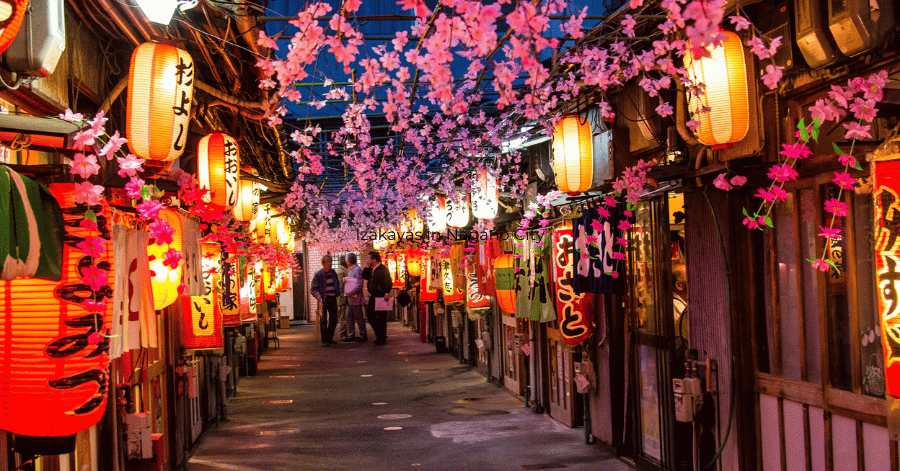
Nagano is quieter at night than Tokyo or Osaka. That’s part of the appeal. What to do after dark:
- Evening visit to Zenkoji: The temple is lit up at night and far less crowded than during the day.
- Izakayas in Nagano City: Small local bars around the Zenkoji area serving sake, grilled skewers, and soba. Unpretentious and good value.
- Onsen after dark: Most ryokan and onsen towns have outdoor baths (rotenburo) that are best experienced at night, especially in winter.
- Sakae-cho bar district (Matsumoto): Low-key but lively: craft beer, sake bars, and live music spots near Matsumoto station.
Related Guide: Shinkansen Tokyo To Osaka Guide: Fares, Trains, Tickets, Alternatives
Things To Do in Nagano with Kids
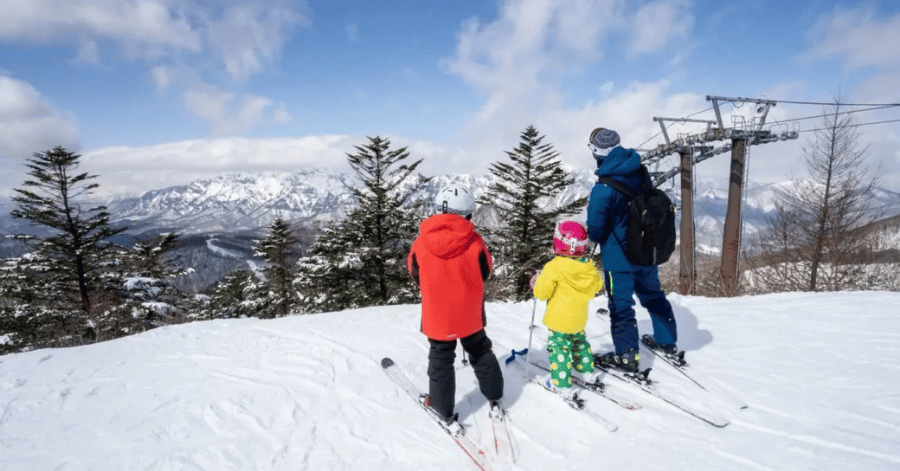
Nagano is a solid family destination, especially in winter:
- Jigokudani Snow Monkey Park: Kids love it. The monkeys are close and completely unbothered by visitors.
- Shiga Kogen snowshoeing: Guided tours are suitable for children and a good low-effort winter activity.
- Daio Wasabi Farm: Free entry, beautiful setting, and unusual food to try. Wasabi ice cream is always a hit.
- Kamikochi: Flat riverside trails are pram-friendly and manageable for young walkers.
- Lake Suwa Fireworks (August): One of Japan’s largest fireworks displays, worth building a summer trip around.
Related Guide: Winter Wear Singapore Guide: Where to Buy, Rent & Save on Winter Clothes
Nagano FAQs
The 1998 Winter Olympics put Nagano on the map, but it’s also famous for Jigokudani Snow Monkey Park, Zenkoji Temple (one of Japan’s most important Buddhist sites), over 80 ski resorts, traditional hot spring towns, and local foods including Shinshu soba and Nagano apples.
Yes. It combines skiing, onsens, temples, nature, and food in a way that few places in Japan can match. It’s 80 minutes from Tokyo by Shinkansen and works as a day trip or a multi-day base.
Yes. The Hokuriku Shinkansen takes ~80 minutes from Tokyo Station. A day trip comfortably covers Zenkoji Temple, the snow monkeys, and lunch. You’ll need at least one night if you want skiing, Matsumoto, or an onsen stay.
Two days is a solid base: one day for the city (Zenkoji, art museum, soba), one day for either skiing/Hakuba or Matsumoto Castle plus Togakushi Shrine. Three days opens up day trips, onsen towns, and the Tateyama Alpine Route.
Three days is comfortable for most visitors: enough for the city, a ski or hiking day, and an overnight in an onsen town. For the full Tateyama Kurobe crossing or a proper ski trip, plan for four or more.
Zenkoji Temple (especially the morning ceremony), Jigokudani Snow Monkeys, Matsumoto Castle, Hakuba skiing, Nozawa Onsen soaking, Kamikochi hiking, and the Tateyama Kurobe Alpine Route.
Yes, but the iconic image (monkeys in the hot spring surrounded by snow) only happens in winter. Outside of December to February, you’ll still see them but without the snow backdrop.
Shinshu soba, oyaki dumplings, wasabi dishes from Daio Farm, Nagano apples, and sake from one of the 80+ local breweries.
Winter (December to February) for skiing and snow monkeys. Spring (March to May) for cherry blossoms and Matsumoto. Autumn (October to November) for foliage across the Alps. Summer for Kamikochi hiking and the Lake Suwa fireworks.
Powder Snow, Hot Springs, and Soba — Nagano Delivers All Three
Nagano gets overlooked because it doesn’t have one headline attraction. It has ten. And unlike the usual Japan circuit, it’s still quiet enough that you can actually enjoy them. Whether you’re here for a ski weekend, an onsen escape, or a day trip from Tokyo, it’s the kind of place that earns a return visit.
Pack your YouTrip card. You’ll save on every JPY transaction from lift tickets to ramen bowls.
Not a YouTrooper yet? Singapore’s go-to multi-currency wallet helps you save with great FX rates and zero fees. Skip the money changer and get a free YouTrip card + S$5 YouTrip credits with code <YTBLOG5>.
Then, head over to our YouTrip Perks page for exclusive offers and promotions — we promise you won’t regret it. Join our Telegram (@YouTripSG) and Community Group (@YouTripSquad) for travel tips, event invites, and more!
Happy travels!
Related Articles
The Ultimate Tokyo Disneyland Guide: Rides, Tickets, Hotels & Tips
Tokyo DisneySea Guide: Rides, Tickets, Tips & What’s New
10 Best Day Trips From Tokyo


The post Nagano Travel Guide 2026: Things To Do, Weather, Ski Resorts & More appeared first on YouTrip Singapore.


You May Also Like

Open Payments Come to the Classroom at Over 10 Universities, With the Interledger Foundation
USD/INR Surrenders Gains but Holds Near Record Highs: A Critical Juncture for the Indian Rupee