US CPI Inflation Rises to 3.8% in April, Topping Forecasts and Reshaping Rate Cut Expectations
BitcoinWorld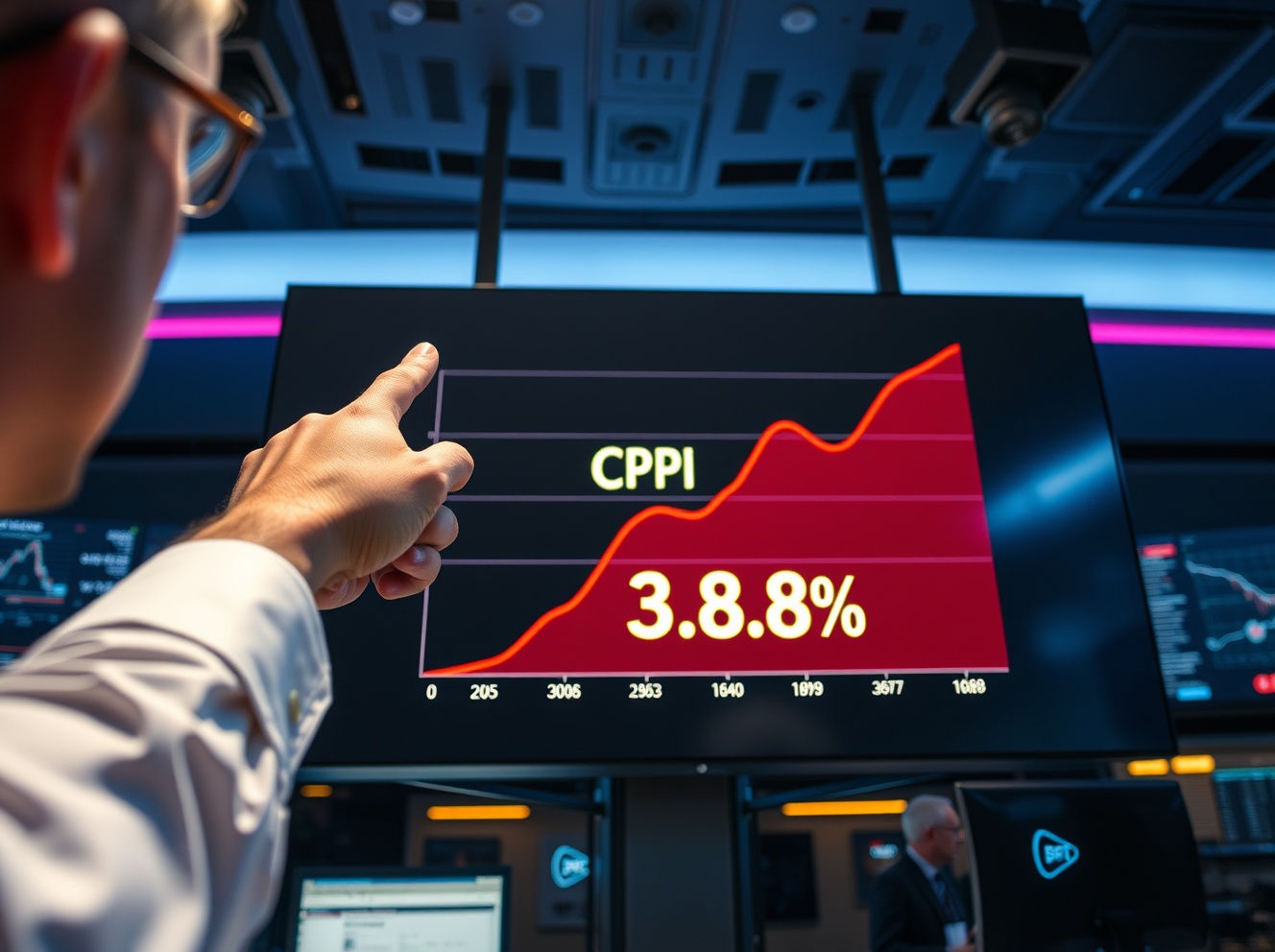
US CPI Inflation Rises to 3.8% in April, Topping Forecasts and Reshaping Rate Cut Expectations
The U.S. Bureau of Labor Statistics reported Wednesday that the Consumer Price Index (CPI) rose to an annual rate of 3.8% in April, exceeding the 3.7% forecast by economists. The data, which covers a broad basket of consumer goods and services, signals that inflationary pressures remain stubbornly elevated, complicating the Federal Reserve’s timeline for potential interest rate cuts.
Key Details of the April CPI Report
The headline CPI figure accelerated from the 3.5% reading recorded in March, marking the first uptick in inflation after several months of gradual cooling. On a month-over-month basis, the index increased by 0.4%, slightly above the 0.3% consensus estimate. Core CPI, which excludes volatile food and energy prices, held steady at 3.6% year-over-year, unchanged from March and also above expectations of 3.5%.
Shelter costs continued to be the largest contributor to the monthly increase, rising 0.4% in April. Energy prices also edged higher, while used car and truck prices posted a notable 1.2% gain. Food prices remained relatively contained, rising 0.2% for the month.
Market and Policy Implications
The hotter-than-expected inflation data sent ripples through financial markets. U.S. Treasury yields moved higher immediately following the release, with the 10-year note climbing above 4.7%. Equity futures turned negative, and the U.S. dollar strengthened against major currencies as traders recalibrated their expectations for Federal Reserve policy.
Prior to the release, markets had priced in a roughly 50% probability of a rate cut at the Fed’s September meeting. Following the data, that probability fell sharply. The CME FedWatch Tool now suggests a less than 30% chance of a cut before November, as the central bank is expected to maintain its data-dependent stance.
What This Means for Borrowers and Consumers
For consumers, the persistence of above-target inflation means that the cost of borrowing—on mortgages, auto loans, and credit cards—is likely to remain elevated for longer. The Fed’s benchmark rate, currently at a 23-year high of 5.25%–5.50%, is not expected to move lower until the committee sees sustained evidence that inflation is on a clear path back to its 2% target.
Federal Reserve Chair Jerome Powell, speaking at a press conference earlier this month, reiterated that the central bank needs “greater confidence” that inflation is cooling before easing policy. The April CPI report does not provide that confidence, and may delay any rate normalization until late 2024 or early 2025.
Context and Historical Comparison
The current inflation cycle, which peaked at 9.1% in June 2022, has proven more persistent than many economists initially anticipated. While supply chain disruptions have largely resolved and energy prices have moderated from their 2022 peaks, sticky services inflation and a resilient labor market have kept underlying price pressures elevated.
The April reading marks the third consecutive month where CPI has exceeded forecasts, a trend that has forced analysts to push back their rate cut timelines repeatedly. The data also complicates the political landscape as the 2024 election cycle intensifies, with inflation remaining a top concern for voters.
Conclusion
The April CPI report confirms that the fight against inflation is not yet won. With the headline rate rising to 3.8% and core inflation holding firm, the Federal Reserve is likely to maintain its restrictive monetary policy stance for the foreseeable future. Investors, businesses, and consumers should prepare for a prolonged period of elevated interest rates, as the central bank prioritizes price stability over economic stimulus.
FAQs
Q1: What does a higher CPI mean for my personal finances?
Higher CPI means the cost of goods and services is rising faster than expected. This can reduce purchasing power, and if the Fed keeps interest rates high, borrowing costs for mortgages, car loans, and credit cards will remain elevated.
Q2: Will the Federal Reserve raise rates again after this report?
While a rate hike is not the base case, the April CPI data makes a cut less likely in the near term. The Fed is expected to hold rates steady at its June meeting, and may delay cuts until later in the year or early 2025.
Q3: Why is core CPI important even when headline CPI is higher?
Core CPI strips out volatile food and energy prices, providing a clearer view of underlying inflation trends. A steady core rate of 3.6% suggests that broad-based price pressures remain entrenched, which is a key signal for Fed policy decisions.
This post US CPI Inflation Rises to 3.8% in April, Topping Forecasts and Reshaping Rate Cut Expectations first appeared on BitcoinWorld.


You May Also Like

The economic significance of Filipino seafarers: challenges

Binance Futures Volume Soars As Gold And Silver Secure Top 5 Positions