Bitcoin Depot Files Chapter 11 Bankruptcy as Crypto ATM Industry Faces Pressure
Bitcoin Depot Files for Chapter 11 Bankruptcy, Shaking the U.S. Crypto ATM Industry
Bitcoin Depot, the largest Bitcoin kiosk operator in the United States, has reportedly filed for Chapter 11 bankruptcy protection, marking a major turning point for one of the most recognizable companies in the cryptocurrency ATM industry.
The filing comes as the digital asset sector faces rising regulatory scrutiny, tightening margins, and changing consumer behavior. While Chapter 11 does not necessarily mean the company will cease operations, the move raises important questions about the future of crypto kiosks and the sustainability of physical cryptocurrency infrastructure.
 |
| Source: XPost |
A Major Name in Bitcoin ATMs
Bitcoin Depot built one of the largest networks of cryptocurrency kiosks in North America, allowing users to buy Bitcoin and other digital assets with cash.
Its machines were commonly found in convenience stores, gas stations, and retail outlets across the United States, making Bitcoin accessible to users who preferred physical cash transactions over online exchanges.
For years, the company was viewed as a key bridge between traditional cash-based consumers and the digital asset economy.
What Chapter 11 Bankruptcy Means
Chapter 11 bankruptcy allows a company to reorganize its financial obligations while continuing to operate.
This process typically enables businesses to:
- Renegotiate debt
- Restructure operations
- Reduce costs
- Seek new financing
- Preserve business continuity
Unlike liquidation, Chapter 11 is intended to provide a path toward recovery.
Why Bitcoin Depot May Have Filed
Although the company has not publicly disclosed all details, several industry pressures may have contributed to the decision.
Regulatory Compliance Costs
Crypto ATM operators face strict anti-money laundering and know-your-customer requirements.
Compliance expenses have increased significantly as regulators focus on preventing fraud and illicit transactions.
Shrinking Profit Margins
Competition and lower transaction fees across the crypto industry have reduced profitability for many operators.
Consumer Behavior Changes
More users are purchasing cryptocurrencies through mobile apps and regulated exchanges, reducing reliance on physical kiosks.
Fraud Concerns
Authorities have increasingly warned consumers about scams involving crypto ATMs, leading to additional oversight and reputational challenges.
Growth of the Crypto ATM Industry
Crypto ATMs experienced rapid growth during the last several years as digital assets became more mainstream.
These machines offered convenience for users who:
- Preferred cash purchases
- Lacked traditional banking access
- Wanted a simple on-ramp to crypto
At their peak, thousands of machines were deployed across the United States.
Challenges Facing the Industry
The bankruptcy filing underscores broader issues confronting the crypto ATM sector.
Increased Regulation
State and federal regulators have introduced tighter rules governing consumer disclosures and transaction monitoring.
Operational Expenses
Machine maintenance, cash logistics, rent agreements, and security measures create significant overhead costs.
Market Volatility
Fluctuations in cryptocurrency prices can reduce transaction volumes and customer demand.
Impact on Customers
If operations continue during restructuring, customers may experience minimal disruption.
However, some kiosk locations may be closed or removed as the company streamlines its network.
Users are encouraged to verify transaction availability and retain all receipts and account information.
Bitcoin Adoption Continues
Despite the filing, Bitcoin itself remains widely adopted by institutions, corporations, and retail investors.
The challenges facing one kiosk operator do not necessarily reflect weakness in the broader cryptocurrency market.
Institutional Momentum Remains Strong
Recent years have seen growing institutional participation through exchange-traded funds, custody services, and treasury allocations.
Companies such as Strategy continue to expand large Bitcoin holdings, while banks and asset managers deepen their involvement in digital assets.
The Future of Physical Crypto Infrastructure
Crypto kiosks may still serve a valuable role, especially in underserved communities.
However, operators will likely need to adapt through:
- Improved compliance systems
- Lower fees
- Enhanced consumer protections
- Strategic partnerships
Investor Reaction
Bankruptcy filings often raise concerns among shareholders and market participants, but Chapter 11 can also provide an opportunity for companies to emerge stronger if restructuring is successful.
Broader Industry Implications
Bitcoin Depot’s filing may prompt other operators to reassess their financial models and operational strategies.
It also highlights the ongoing maturation of the crypto sector as companies transition from rapid expansion to more sustainable business practices.
Conclusion
Bitcoin Depot’s reported Chapter 11 bankruptcy filing marks one of the most significant developments in the history of the U.S. crypto ATM industry.
As the company attempts to restructure, the case will be closely watched by investors, regulators, and the broader cryptocurrency community.
While the filing reflects mounting operational challenges, it also underscores the continuing evolution of the digital asset industry as businesses adapt to a more regulated and competitive environment.
hokanews.com – Not Just Crypto News. It’s Crypto Culture.
Writer @Ethan
Ethan Collins is a passionate crypto journalist and blockchain enthusiast, always on the hunt for the latest trends shaking up the digital finance world. With a knack for turning complex blockchain developments into engaging, easy-to-understand stories, he keeps readers ahead of the curve in the fast-paced crypto universe. Whether it’s Bitcoin, Ethereum, or emerging altcoins, Ethan dives deep into the markets to uncover insights, rumors, and opportunities that matter to crypto fans everywhere.
Disclaimer:
The articles on HOKANEWS are here to keep you updated on the latest buzz in crypto, tech, and beyond—but they’re not financial advice. We’re sharing info, trends, and insights, not telling you to buy, sell, or invest. Always do your own homework before making any money moves.
HOKANEWS isn’t responsible for any losses, gains, or chaos that might happen if you act on what you read here. Investment decisions should come from your own research—and, ideally, guidance from a qualified financial advisor. Remember: crypto and tech move fast, info changes in a blink, and while we aim for accuracy, we can’t promise it’s 100% complete or up-to-date.


You May Also Like
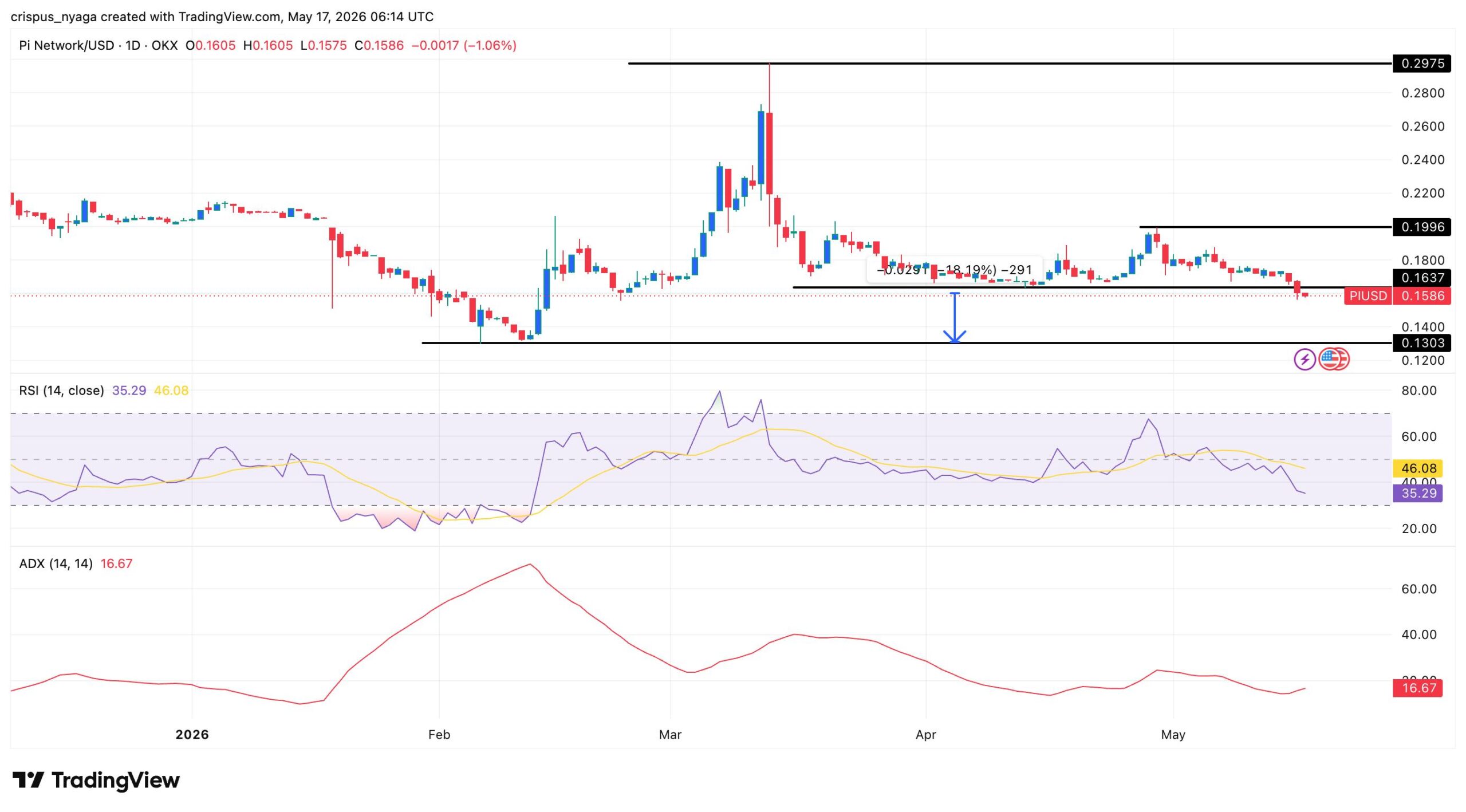
Pi Coin Price Crashes Another 7.5% Before Pi Network Protocol 23 Mainnet Activation

The Chemistry of UV Resistance: How Titanium Dioxide Protects Against the California Sun