

Tether South Korea trademark filings: 7 apps cover name, logo & XAUT
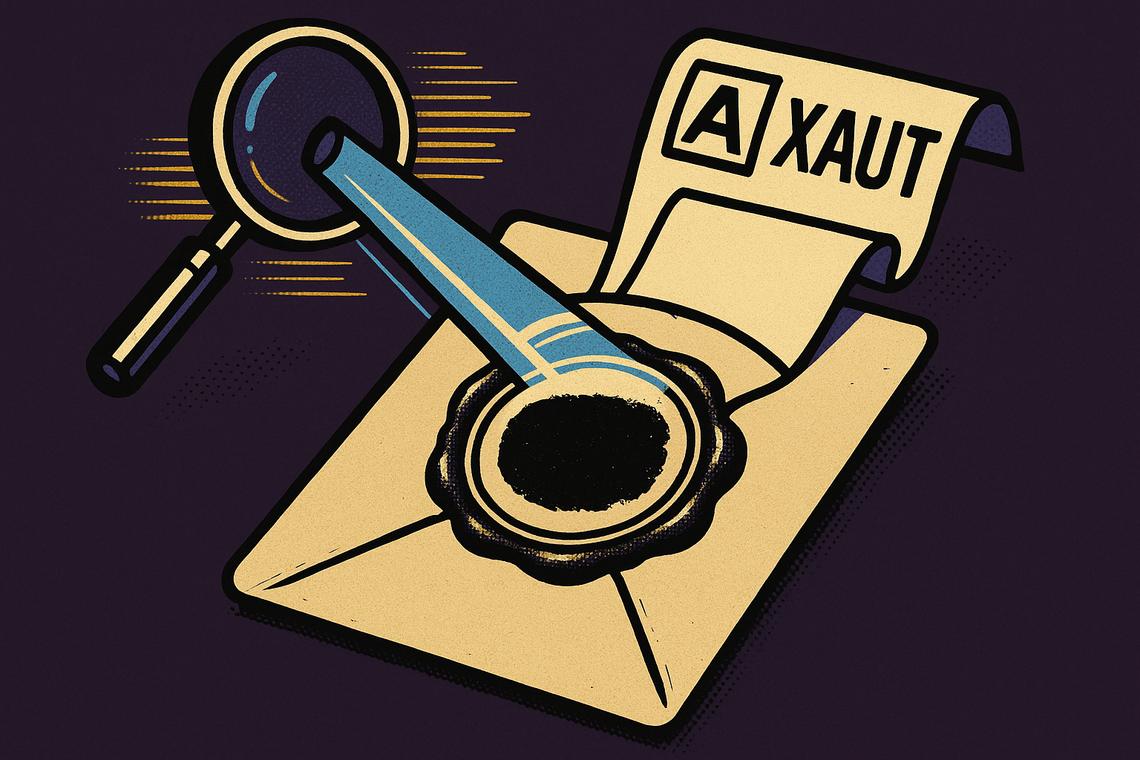
Tether South Korea trademark filings are drawing attention because they go beyond a narrow product play. Tether, the world’s largest stablecoin issuer, has filed seven trademark applications in South Korea covering the “tether” company name, its logo, and Tether Gold (XAUT), a broader move that could point to bigger ambitions in one of Asia’s most closely watched crypto markets.
That shift matters because earlier filings in South Korea were largely centered on stablecoin product names. This time, the protection effort reaches into brand identity itself, which is why industry observers are reading it as more than routine paperwork.
For now, the hard fact is the filing activity itself. Still, in crypto, trademark strategy can say a lot about where a company wants to be when the market opens up.
Tether expands its South Korea trademark push
The core development is straightforward: Tether filed seven trademark applications in South Korea.
Those applications cover the “tether” company name and the company’s logo, widening the scope beyond a single token or isolated product label. As a result, these Tether South Korea trademark filings stand out, especially because they suggest the company is thinking about how its broader brand could operate in the country.
Tether is the world’s largest stablecoin issuer, so any sign of a more formal footprint tends to attract attention quickly. In this case, the number of applications and the branding elements involved stand out.
Why this matters is simple: protecting a company name and logo can be a stronger sign of long-term positioning than protecting only product names. It does not confirm a launch, but it does suggest a company may want more room to operate under its own brand.
What the Tether South Korea trademark filings cover
The filings focus on three key areas:
- the “tether” company name
- the company logo
- Tether Gold (XAUT)
That mix makes the filings notable because they do not stop at a single product. Instead, they reach across the company’s brand identity and one of its better-known assets.
Tether Gold XAUT is included in the filings
The filings also include Tether Gold (XAUT), the company’s gold-backed stablecoin.
That detail adds another layer to the story. Instead of focusing only on Tether’s better-known stablecoin branding, the applications also reach into a token tied to gold exposure. The inclusion of Tether Gold XAUT suggests the filings were built with a broader product and brand strategy in mind.
In practical terms, that broadens the significance of the South Korea move. It indicates the trademark coverage is not limited to one narrow segment of Tether’s business.
What the filings may signal for stablecoin expansion in South Korea
The contrast with earlier South Korea filings is what has people watching closely. Previous filings were mainly for stablecoin product names. The newer set is broader, spanning the corporate name, visual branding, and Tether Gold (XAUT).
That broader scope may suggest deeper market entry plans. Industry observers also see it as a possible signal of local presence in South Korea, even if no such presence has been confirmed.
This is where the expansion-watch angle becomes more important than the paperwork itself. A stablecoin issuer seeking broader brand protection in a market like South Korea can be read as preparing optionality: not just defending names, but making sure key parts of the business identity are covered if operations deepen later.
For the wider crypto sector, stablecoin expansion South Korea is a theme worth tracking because trademark behavior often shows where companies expect future demand or strategic openings. Tether South Korea trademark filings do not prove a launch plan on their own, but they do show a more deliberate level of positioning than earlier filings focused mainly on product names.
And that is why this development stands out. When a company of Tether’s scale moves from token-name protection toward broader brand coverage, the filings start to look less like maintenance and more like preparation.


You May Also Like

Standard Chartered to Cut 7,000+ Jobs by 2030 as AI Adoption Accelerates
TALLSEN Showcases Advanced Hardware and Storage Solutions at The 139th China Import and Export Fair 2026




