

Why clean energy is the answer to the Philippines’ power woes
MANILA, Philippines – Rain or shine, there’s always a problem with electricity in the Philippines.
A crisis in a foreign land, a tripped power line, and too little electricity supply during the summer — any one of these mishaps in our power grid could lead to skyrocketing power rates or rotational blackouts.
When these mishaps happen to coincide, the costs add up. And consumers bear the brunt through their electric bills.
Why do we have so many problems with our electricity, and how do we fix them? The long and short of it: our outdated power grid needs to be modernized — and one of the main ways to achieve so is through clean energy.
How does that work? Watch these video explainers to learn more.
Expensive power rates
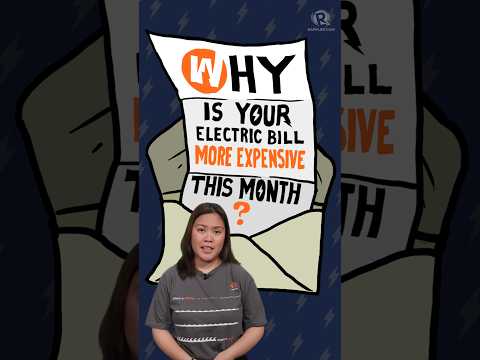
Shocked by your electric bill this month? On paper, increased power consumption could be the main culprit, especially if you kept your air conditioner running all day.
But most of our electricity bills are made up of expensive generation charges, or what we pay for power plants to make electricity. Since most of our power plants are fueled by imported coal and oil, they are highly vulnerable to changes in the global economy.
Why haven’t we fixed that problem yet? It’s the fault of our outdated power grid, which hasn’t made fast enough upgrades since the time it was built to mainly run on fossil fuels.
How does that happen? Watch this video to find out.
Power interruptions
Why does the power frequently go out during the summer, when you need your air-conditioning the most?
High electricity demand is a factor, but that’s not the whole story. A lot of it mainly comes down to how our coal-fired power plants keep breaking down, causing our electricity system to overload.
Why do they break down so much? This video has the answer.

The solution: A flexible, decentralized grid
Problems like these have been plaguing Filipinos for a long, long time. Why haven’t we been able to fix them?
There is a solution, but it won’t be easy. That’s why we need to change our entire electricity system to become flexible and decentralized.
What does that mean? There’s a lot of work to do. But we can start with clean energy that does not rely on imported fuel or transmission assets that take decades to construct.
Learn more about these solutions in this video.

– Rappler.com
These explainers were done in collaboration with the Institute for Climate and Sustainable Cities.


You May Also Like

Polygon’s Giugliano Hardfork Signals a Stability Push After a Rough 2025

DC insider's blunt case for Graham Platner: 'Maybe we need' someone who's 'messed up'
Pump.fun (PUMP) Price Prediction 2026-2030: Can the Launchpad Fuel Solana’s DeFi Future?



