BitcoinWorld Iran Confirms Strait of Hormuz Fully Open for Merchant Ships Amid Global Energy Concerns Iran’s ambassador to Geneva has confirmed that the StraitBitcoinWorld Iran Confirms Strait of Hormuz Fully Open for Merchant Ships Amid Global Energy Concerns Iran’s ambassador to Geneva has confirmed that the Strait

Iran Confirms Strait of Hormuz Fully Open for Merchant Ships Amid Global Energy Concerns

For feedback or concerns regarding this content, please contact us at crypto.news@mexc.com

BitcoinWorld

Iran Confirms Strait of Hormuz Fully Open for Merchant Ships Amid Global Energy Concerns

Iran’s ambassador to Geneva has confirmed that the Strait of Hormuz remains fully open to merchant ships, with significant volumes of crude oil currently being transported through the strategic waterway. The statement, reported by the state-run Iranian Students’ News Agency (ISNA), comes amid ongoing international scrutiny of maritime security in the region.

Official Statement and Context

The ambassador’s remarks directly address concerns about potential disruptions to shipping through the strait, a narrow passage that connects the Persian Gulf to the Gulf of Oman and the Arabian Sea. Approximately 20% of the world’s oil supply transits this chokepoint, making its status a critical factor in global energy markets. The official stated that large quantities of crude oil are currently moving through the waterway without interruption, countering speculation about restrictions or blockades.

Strategic Importance of the Strait of Hormuz

The Strait of Hormuz is one of the world’s most strategically important maritime routes. Any disruption to shipping there can trigger sharp fluctuations in oil prices and impact energy security for major consuming nations, including those in Asia, Europe, and North America. Iran, along with other Gulf states, has historically asserted its role in maintaining the strait’s security, while also leveraging its position in geopolitical negotiations. The latest statement appears aimed at reassuring international markets and shipping companies of continued safe passage.

Implications for Global Energy Markets

While the ambassador’s statement is intended to calm market jitters, analysts remain watchful. Past incidents, including tanker seizures and regional military tensions, have periodically raised the risk premium on oil shipments. The confirmation of open passage provides short-term relief, but the broader geopolitical backdrop—including ongoing nuclear negotiations and regional rivalries—means the situation remains fluid. Traders and shipping firms will likely continue to monitor for any signs of policy shifts or security incidents.

Conclusion

Iran’s official confirmation that the Strait of Hormuz is fully operational offers a moment of clarity for global energy markets. However, the long-term stability of this vital trade route depends on sustained diplomatic engagement and adherence to international maritime law. The statement, while reassuring, does not eliminate the underlying strategic vulnerabilities inherent in the region.

FAQs

Q1: Why is the Strait of Hormuz important for global oil supplies?
About one-fifth of the world’s oil passes through the Strait of Hormuz, making it the most important chokepoint for global crude oil shipments. Any disruption can quickly affect global prices and supply chains.

Q2: Has Iran previously threatened to close the Strait of Hormuz?
Yes, Iranian officials have periodically threatened to restrict shipping through the strait in response to international sanctions or military tensions. However, such threats have rarely been fully enacted, as closure would severely harm Iran’s own economy.

Q3: What does this statement mean for oil prices?
The confirmation of open passage is likely to have a calming effect on oil markets in the short term, reducing the risk premium that traders factor in. However, prices remain sensitive to broader geopolitical developments in the region.

This post Iran Confirms Strait of Hormuz Fully Open for Merchant Ships Amid Global Energy Concerns first appeared on BitcoinWorld.

Disclaimer: The articles reposted on this site are sourced from public platforms and are provided for informational purposes only. They do not necessarily reflect the views of MEXC. All rights remain with the original authors. If you believe any content infringes on third-party rights, please contact crypto.news@mexc.com for removal. MEXC makes no guarantees regarding the accuracy, completeness, or timeliness of the content and is not responsible for any actions taken based on the information provided. The content does not constitute financial, legal, or other professional advice, nor should it be considered a recommendation or endorsement by MEXC.

You May Also Like

UK crypto holders brace for FCA’s expanded regulatory reach
UK crypto holders brace for FCA’s expanded regulatory reach

The post UK crypto holders brace for FCA’s expanded regulatory reach appeared on BitcoinEthereumNews.com. British crypto holders may soon face a very different landscape as the Financial Conduct Authority (FCA) moves to expand its regulatory reach in the industry. A new consultation paper outlines how the watchdog intends to apply its rulebook to crypto firms, shaping everything from asset safeguarding to trading platform operation. According to the financial regulator, these proposals would translate into clearer protections for retail investors and stricter oversight of crypto firms. UK FCA plans Until now, UK crypto users mostly encountered the FCA through rules on promotions and anti-money laundering checks. The consultation paper goes much further. It proposes direct oversight of stablecoin issuers, custodians, and crypto-asset trading platforms (CATPs). For investors, that means the wallets, exchanges, and coins they rely on could soon be subject to the same governance and resilience standards as traditional financial institutions. The regulator has also clarified that firms need official authorization before serving customers. This condition should, in theory, reduce the risk of sudden platform failures or unclear accountability. David Geale, the FCA’s executive director of payments and digital finance, said the proposals are designed to strike a balance between innovation and protection. He explained: “We want to develop a sustainable and competitive crypto sector – balancing innovation, market integrity and trust.” Geale noted that while the rules will not eliminate investment risks, they will create consistent standards, helping consumers understand what to expect from registered firms. Why does this matter for crypto holders? The UK regulatory framework shift would provide safer custody of assets, better disclosure of risks, and clearer recourse if something goes wrong. However, the regulator was also frank in its submission, arguing that no rulebook can eliminate the volatility or inherent risks of holding digital assets. Instead, the focus is on ensuring that when consumers choose to invest, they do…
Share
BitcoinEthereumNews2025/09/17 23:52
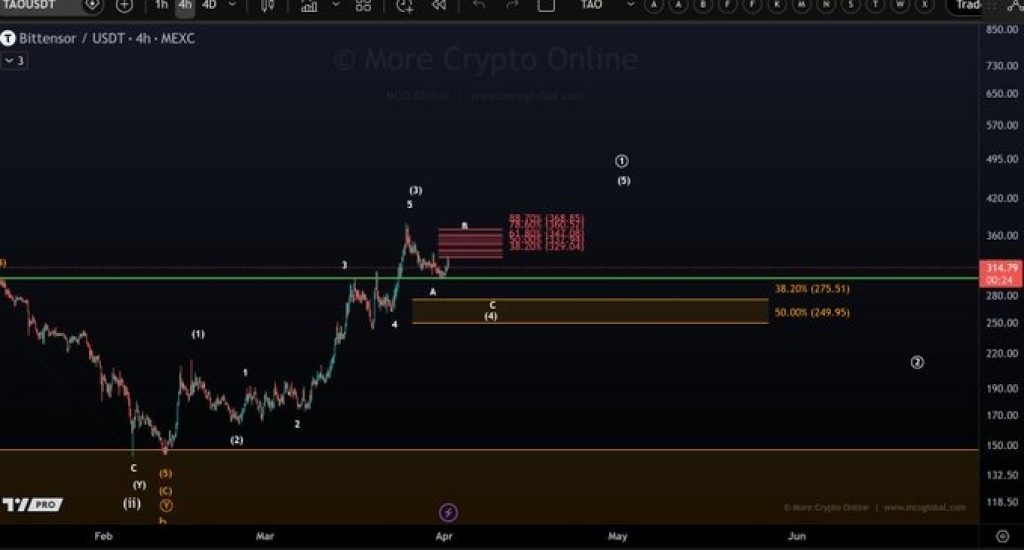
Thinking of Buying Bittensor? Watch These TAO Price Correction Levels First

Thinking of Buying Bittensor? Watch These TAO Price Correction Levels First

Bittensor (TAO) is navigating a rough patch as broader market conditions turn shaky. TAO just took a hit along with the rest of the AI token crowd, but if you look
Share
Captainaltcoin2026/04/03 00:30
China Nabs Another Huione Group Core Member in Cambodia Extradition

China Nabs Another Huione Group Core Member in Cambodia Extradition

The post China Nabs Another Huione Group Core Member in Cambodia Extradition appeared on BitcoinEthereumNews.com. Li Xiong, a senior figure at Huione Group, an
Share
BitcoinEthereumNews2026/04/02 17:54

Newbies:Deposit $100, Get $1,000

Newbies:Deposit $100, Get $1,000Newbies:Deposit $100, Get $1,000

Plus Up to a $50 Referral Bonus