With the Stablecoin-as-a-Service (SCaaS) model, any business or platform can issue its stablecoin without building a complex infrastructure. The opportunity is vast, but it comes with risks of liquidity fragmentation, reserve transparency, and evolving global regulatory frameworks. Anyone Can Issue Stablecoin Data from CoinGecko shows that the stablecoin segment currently has a market capitalization of around $306 billion and 355 different coins. Although quite popular today, not everyone can issue and manage stablecoins effectively. StAblecoin market capitalization. Source: CoinGecko However, a new stablecoin model allows businesses, platforms, or organizations to issue and manage stablecoins without building the entire infrastructure from the ground up. This model includes standardized mint/burn, customizable reserve mechanisms and fees, and third-party operating interfaces. This is Stablecoin-as-a-Service (SCaaS). The most recent example is Stripe’s Open Issuance program (launched in September 2025). It enables businesses to mint/burn stablecoins freely and customize fees and reserve allocations while sharing profits from yield after a certain fee. Ethena Labs provides a white-label solution for applications or blockchains. Tech giants like Google have reportedly tested a payment protocol for AI agents using stablecoins, while custodians such as BitGo have also entered the market. “Stripe announces Stablecoin as a Service. Any company can deploy stablecoins with just a few lines of code. BlackRock, Fidelity, or Superstate manages reserves. An X user commented about Stripe’s SCaaS. The SCaaS model lowers entry barriers by allowing virtually any business to issue its stablecoin. It also supports tailored stablecoins for specific products or target markets and gives wallets/exchanges/chains additional tools to distribute products with yield potential. Some users on X argue that SCaaS will become increasingly important as stablecoins become commodities and distributors (wallets, exchanges, chains) seek yield opportunities. Others suggest that SCaaS could be a lifeline for many blockchains struggling to achieve token-market-fit. High Potential, High Risk Nonetheless, the risks are significant. Multi-issuance models create the possibility of liquidity fragmentation. For instance, multiple “USD-pegged” stablecoins may coexist but differ in reserves, transparency, or redemption reliability. Market dynamics could turn SCaaS into a yield-driven bet: issuers might optimize reserve profits to stay competitive, sometimes taking on liquidity risks or investing in less liquid assets. This leaves vulnerabilities when redemptions suddenly surge. From a legal and operational perspective, SCaaS demands absolute transparency on reserve composition, insurance/redemption mechanisms, and independent auditing processes. Regulatory decisions at national or regional levels could drastically reshape the multi-issuance landscape. Even so, SCaaS is still expected to be a natural step forward as stablecoins steadily evolve into a global payment instrument.With the Stablecoin-as-a-Service (SCaaS) model, any business or platform can issue its stablecoin without building a complex infrastructure. The opportunity is vast, but it comes with risks of liquidity fragmentation, reserve transparency, and evolving global regulatory frameworks. Anyone Can Issue Stablecoin Data from CoinGecko shows that the stablecoin segment currently has a market capitalization of around $306 billion and 355 different coins. Although quite popular today, not everyone can issue and manage stablecoins effectively. StAblecoin market capitalization. Source: CoinGecko However, a new stablecoin model allows businesses, platforms, or organizations to issue and manage stablecoins without building the entire infrastructure from the ground up. This model includes standardized mint/burn, customizable reserve mechanisms and fees, and third-party operating interfaces. This is Stablecoin-as-a-Service (SCaaS). The most recent example is Stripe’s Open Issuance program (launched in September 2025). It enables businesses to mint/burn stablecoins freely and customize fees and reserve allocations while sharing profits from yield after a certain fee. Ethena Labs provides a white-label solution for applications or blockchains. Tech giants like Google have reportedly tested a payment protocol for AI agents using stablecoins, while custodians such as BitGo have also entered the market. “Stripe announces Stablecoin as a Service. Any company can deploy stablecoins with just a few lines of code. BlackRock, Fidelity, or Superstate manages reserves. An X user commented about Stripe’s SCaaS. The SCaaS model lowers entry barriers by allowing virtually any business to issue its stablecoin. It also supports tailored stablecoins for specific products or target markets and gives wallets/exchanges/chains additional tools to distribute products with yield potential. Some users on X argue that SCaaS will become increasingly important as stablecoins become commodities and distributors (wallets, exchanges, chains) seek yield opportunities. Others suggest that SCaaS could be a lifeline for many blockchains struggling to achieve token-market-fit. High Potential, High Risk Nonetheless, the risks are significant. Multi-issuance models create the possibility of liquidity fragmentation. For instance, multiple “USD-pegged” stablecoins may coexist but differ in reserves, transparency, or redemption reliability. Market dynamics could turn SCaaS into a yield-driven bet: issuers might optimize reserve profits to stay competitive, sometimes taking on liquidity risks or investing in less liquid assets. This leaves vulnerabilities when redemptions suddenly surge. From a legal and operational perspective, SCaaS demands absolute transparency on reserve composition, insurance/redemption mechanisms, and independent auditing processes. Regulatory decisions at national or regional levels could drastically reshape the multi-issuance landscape. Even so, SCaaS is still expected to be a natural step forward as stablecoins steadily evolve into a global payment instrument.

Stablecoin as a Service Drives Growth Amid Liquidity Concerns

With the Stablecoin-as-a-Service (SCaaS) model, any business or platform can issue its stablecoin without building a complex infrastructure.

The opportunity is vast, but it comes with risks of liquidity fragmentation, reserve transparency, and evolving global regulatory frameworks.

Anyone Can Issue Stablecoin

Data from CoinGecko shows that the stablecoin segment currently has a market capitalization of around $306 billion and 355 different coins. Although quite popular today, not everyone can issue and manage stablecoins effectively.
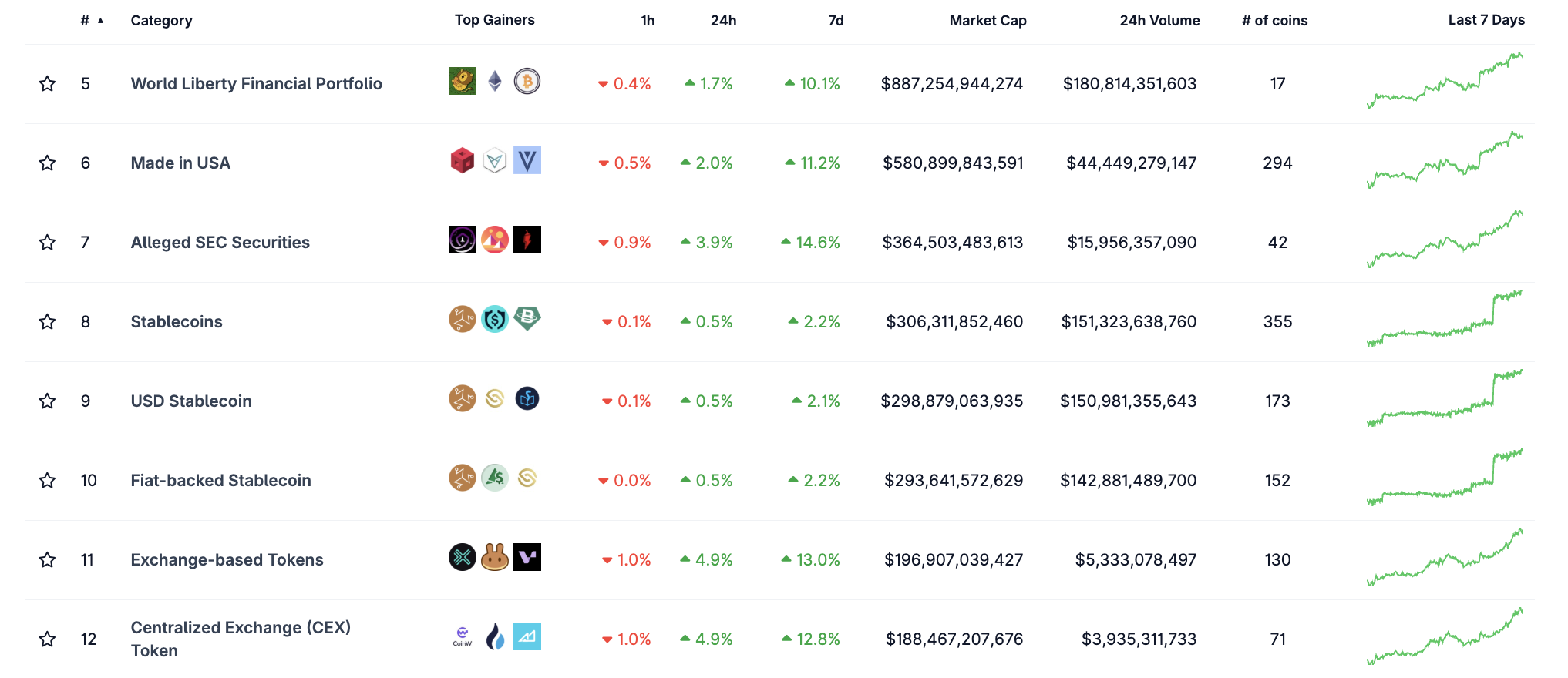
Stablecoin market capitalization. Source: CoinGeckoStAblecoin market capitalization. Source: CoinGecko

However, a new stablecoin model allows businesses, platforms, or organizations to issue and manage stablecoins without building the entire infrastructure from the ground up.

This model includes standardized mint/burn, customizable reserve mechanisms and fees, and third-party operating interfaces. This is Stablecoin-as-a-Service (SCaaS).

The most recent example is Stripe’s Open Issuance program (launched in September 2025). It enables businesses to mint/burn stablecoins freely and customize fees and reserve allocations while sharing profits from yield after a certain fee. Ethena Labs provides a white-label solution for applications or blockchains. Tech giants like Google have reportedly tested a payment protocol for AI agents using stablecoins, while custodians such as BitGo have also entered the market.

The SCaaS model lowers entry barriers by allowing virtually any business to issue its stablecoin. It also supports tailored stablecoins for specific products or target markets and gives wallets/exchanges/chains additional tools to distribute products with yield potential.

Some users on X argue that SCaaS will become increasingly important as stablecoins become commodities and distributors (wallets, exchanges, chains) seek yield opportunities. Others suggest that SCaaS could be a lifeline for many blockchains struggling to achieve token-market-fit.

High Potential, High Risk

Nonetheless, the risks are significant. Multi-issuance models create the possibility of liquidity fragmentation. For instance, multiple “USD-pegged” stablecoins may coexist but differ in reserves, transparency, or redemption reliability.

Market dynamics could turn SCaaS into a yield-driven bet: issuers might optimize reserve profits to stay competitive, sometimes taking on liquidity risks or investing in less liquid assets. This leaves vulnerabilities when redemptions suddenly surge.

From a legal and operational perspective, SCaaS demands absolute transparency on reserve composition, insurance/redemption mechanisms, and independent auditing processes.

Regulatory decisions at national or regional levels could drastically reshape the multi-issuance landscape.

Even so, SCaaS is still expected to be a natural step forward as stablecoins steadily evolve into a global payment instrument.


Market Opportunity
ANyONe Protocol Logo
ANyONe Protocol Price(ANYONE)
$0.2464
$0.2464$0.2464
+7.13%
USD
ANyONe Protocol (ANYONE) Live Price Chart
Disclaimer: The articles reposted on this site are sourced from public platforms and are provided for informational purposes only. They do not necessarily reflect the views of MEXC. All rights remain with the original authors. If you believe any content infringes on third-party rights, please contact service@support.mexc.com for removal. MEXC makes no guarantees regarding the accuracy, completeness, or timeliness of the content and is not responsible for any actions taken based on the information provided. The content does not constitute financial, legal, or other professional advice, nor should it be considered a recommendation or endorsement by MEXC.

You May Also Like

Is Doge Losing Steam As Traders Choose Pepeto For The Best Crypto Investment?

Is Doge Losing Steam As Traders Choose Pepeto For The Best Crypto Investment?

The post Is Doge Losing Steam As Traders Choose Pepeto For The Best Crypto Investment? appeared on BitcoinEthereumNews.com. Crypto News 17 September 2025 | 17:39 Is dogecoin really fading? As traders hunt the best crypto to buy now and weigh 2025 picks, Dogecoin (DOGE) still owns the meme coin spotlight, yet upside looks capped, today’s Dogecoin price prediction says as much. Attention is shifting to projects that blend culture with real on-chain tools. Buyers searching “best crypto to buy now” want shipped products, audits, and transparent tokenomics. That frames the true matchup: dogecoin vs. Pepeto. Enter Pepeto (PEPETO), an Ethereum-based memecoin with working rails: PepetoSwap, a zero-fee DEX, plus Pepeto Bridge for smooth cross-chain moves. By fusing story with tools people can use now, and speaking directly to crypto presale 2025 demand, Pepeto puts utility, clarity, and distribution in front. In a market where legacy meme coin leaders risk drifting on sentiment, Pepeto’s execution gives it a real seat in the “best crypto to buy now” debate. First, a quick look at why dogecoin may be losing altitude. Dogecoin Price Prediction: Is Doge Really Fading? Remember when dogecoin made crypto feel simple? In 2013, DOGE turned a meme into money and a loose forum into a movement. A decade on, the nonstop momentum has cooled; the backdrop is different, and the market is far more selective. With DOGE circling ~$0.268, the tape reads bearish-to-neutral for the next few weeks: hold the $0.26 shelf on daily closes and expect choppy range-trading toward $0.29–$0.30 where rallies keep stalling; lose $0.26 decisively and momentum often bleeds into $0.245 with risk of a deeper probe toward $0.22–$0.21; reclaim $0.30 on a clean daily close and the downside bias is likely neutralized, opening room for a squeeze into the low-$0.30s. Source: CoinMarketcap / TradingView Beyond the dogecoin price prediction, DOGE still centers on payments and lacks native smart contracts; ZK-proof verification is proposed,…
Share
BitcoinEthereumNews2025/09/18 00:14
XLM Price Prediction: Targets $0.25-$0.27 by February 2026

XLM Price Prediction: Targets $0.25-$0.27 by February 2026

The post XLM Price Prediction: Targets $0.25-$0.27 by February 2026 appeared on BitcoinEthereumNews.com. Ted Hisokawa Jan 23, 2026 05:42 Stellar (XLM) consolidates
Share
BitcoinEthereumNews2026/01/23 23:04
Will XRP Price Break Above $2 or Fall Below $1.80?

Will XRP Price Break Above $2 or Fall Below $1.80?

This article was first published on The Bit Journal. XRP price analysis.“XRP around at $1.91: Will It Explode or Implode?” XRP is teetering on the edge, approximately
Share
Coinstats2026/01/23 23:00