The post US allows buyers to negotiate for Lukoil’s overseas assets until December 13 despite sanctions starting November 21 appeared on BitcoinEthereumNews.com. The United States Treasury just gave buyers a way in. On Friday, it issued a special license that lets companies start negotiating with Lukoil over its foreign assets. The catch? They’ve got until December 13 to close in, while sanctions slapped by President Donald Trump kick in on November 21 against the Russian oil giant. This move is Washington’s way of letting buyers make a deal without crashing global energy supply chains. This isn’t a free-for-all, though. Washington still wants to choke Russia’s oil revenue, especially from its second-biggest player. But it also knows that cutting Lukoil off completely would mess with gas stations, refineries, and pipelines all over the place. So now it’s letting talks happen, for now. Gunvor blocked, Carlyle steps in, Treasury sets harsh terms Last week, the Treasury Department straight-up blocked a deal. It shot down a plan by Swiss firm Gunvor to buy Lukoil’s global business, calling the company a “Kremlin puppet.” With that door slammed shut, a new name appeared: Carlyle. The US private equity group is reportedly eyeing Lukoil’s assets next, but hasn’t even started its homework. No due diligence yet on any of Lukoil’s oilfields, refineries, or its network of gas stations. That said, even if Carlyle, or anyone else, wants in, it won’t be easy. The Treasury will block any deal unless it fully separates Lukoil from its international operations. On top of that, the money from the deal would have to go into a blocked account. The Russian company can’t touch it unless, and only if, the sanctions get lifted. No exceptions. Lukoil, for its part, already saw the writing on the wall. Just a few days after Trump went after both it and Rosneft, the biggest oil producer in Russia, Lukoil announced it would start selling its international portfolio.… The post US allows buyers to negotiate for Lukoil’s overseas assets until December 13 despite sanctions starting November 21 appeared on BitcoinEthereumNews.com. The United States Treasury just gave buyers a way in. On Friday, it issued a special license that lets companies start negotiating with Lukoil over its foreign assets. The catch? They’ve got until December 13 to close in, while sanctions slapped by President Donald Trump kick in on November 21 against the Russian oil giant. This move is Washington’s way of letting buyers make a deal without crashing global energy supply chains. This isn’t a free-for-all, though. Washington still wants to choke Russia’s oil revenue, especially from its second-biggest player. But it also knows that cutting Lukoil off completely would mess with gas stations, refineries, and pipelines all over the place. So now it’s letting talks happen, for now. Gunvor blocked, Carlyle steps in, Treasury sets harsh terms Last week, the Treasury Department straight-up blocked a deal. It shot down a plan by Swiss firm Gunvor to buy Lukoil’s global business, calling the company a “Kremlin puppet.” With that door slammed shut, a new name appeared: Carlyle. The US private equity group is reportedly eyeing Lukoil’s assets next, but hasn’t even started its homework. No due diligence yet on any of Lukoil’s oilfields, refineries, or its network of gas stations. That said, even if Carlyle, or anyone else, wants in, it won’t be easy. The Treasury will block any deal unless it fully separates Lukoil from its international operations. On top of that, the money from the deal would have to go into a blocked account. The Russian company can’t touch it unless, and only if, the sanctions get lifted. No exceptions. Lukoil, for its part, already saw the writing on the wall. Just a few days after Trump went after both it and Rosneft, the biggest oil producer in Russia, Lukoil announced it would start selling its international portfolio.…

US allows buyers to negotiate for Lukoil’s overseas assets until December 13 despite sanctions starting November 21

The United States Treasury just gave buyers a way in. On Friday, it issued a special license that lets companies start negotiating with Lukoil over its foreign assets.

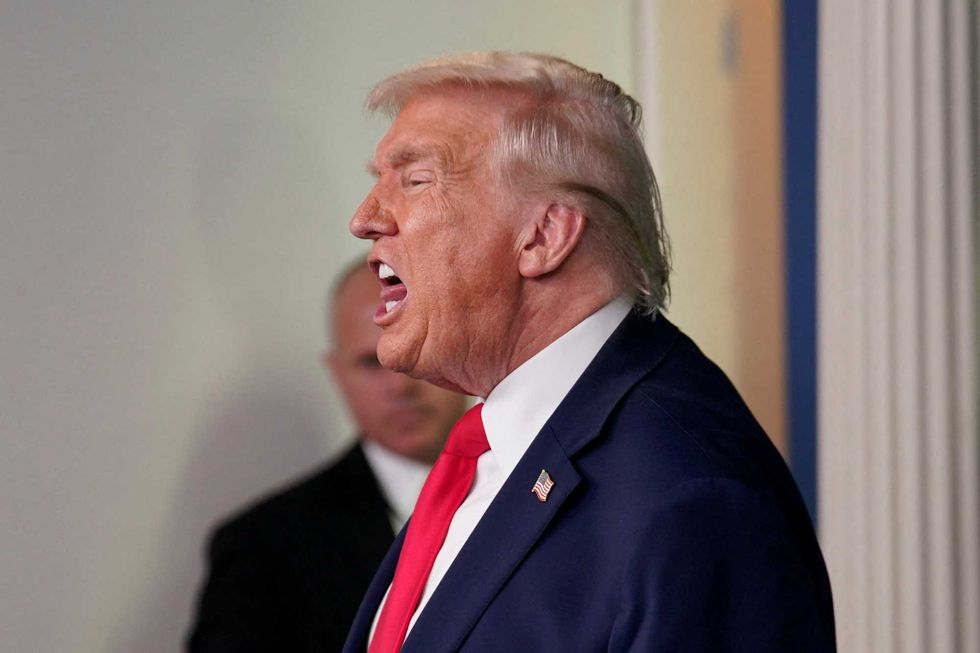
The catch? They’ve got until December 13 to close in, while sanctions slapped by President Donald Trump kick in on November 21 against the Russian oil giant.

This move is Washington’s way of letting buyers make a deal without crashing global energy supply chains.

This isn’t a free-for-all, though. Washington still wants to choke Russia’s oil revenue, especially from its second-biggest player.

But it also knows that cutting Lukoil off completely would mess with gas stations, refineries, and pipelines all over the place. So now it’s letting talks happen, for now.

Gunvor blocked, Carlyle steps in, Treasury sets harsh terms

Last week, the Treasury Department straight-up blocked a deal. It shot down a plan by Swiss firm Gunvor to buy Lukoil’s global business, calling the company a “Kremlin puppet.”

With that door slammed shut, a new name appeared: Carlyle. The US private equity group is reportedly eyeing Lukoil’s assets next, but hasn’t even started its homework. No due diligence yet on any of Lukoil’s oilfields, refineries, or its network of gas stations.

That said, even if Carlyle, or anyone else, wants in, it won’t be easy. The Treasury will block any deal unless it fully separates Lukoil from its international operations. On top of that, the money from the deal would have to go into a blocked account.

The Russian company can’t touch it unless, and only if, the sanctions get lifted. No exceptions.

Lukoil, for its part, already saw the writing on the wall. Just a few days after Trump went after both it and Rosneft, the biggest oil producer in Russia, Lukoil announced it would start selling its international portfolio.

That portfolio is no joke, its 2023 financials put the value of those overseas assets around $22 billion. That includes oil and gas fields across Iraq, Central Asia, and Mexico.

Waivers handed out to limit global fallout

But it’s not just about oil firms trying to make deals. Governments around the world weren’t exactly thrilled about these sweeping sanctions. Some pushed back, warning the US that this could screw up the energy supply for everybody. So, Treasury also issued a few waivers on Friday to avoid blowing up the system.

One waiver allows nearly 200 Lukoil-branded petrol stations, including those operating inside the United States, to keep running until December 13. That buys them time, just not a lot.

Another key extension covers Bulgaria, where Lukoil’s refinery keeps most of the country fueled. The refinery, along with its network of gas stations and its jet and ship fuel business, can keep trading until April next year.

The Bulgarian government had already started the process of nationalizing the refinery to prevent a shutdown once the November 21 deadline hits.

And then there’s Kazakhstan. The Treasury gave a further waiver allowing transactions until January 10 tied to the Caspian Pipeline Consortium, as well as stakes in the Tengiz, Korolev, and Karachaganak fields.

All of them have links to Lukoil and Rosneft, and cutting them off without prep could shake oil flows across Central Asia.

Join a premium crypto trading community free for 30 days – normally $100/mo.

Source: https://www.cryptopolitan.com/us-russian-lukoils-overseas-assets/

Market Opportunity
OFFICIAL TRUMP Logo
OFFICIAL TRUMP Price(TRUMP)
$5.463
$5.463$5.463
-3.66%
USD
OFFICIAL TRUMP (TRUMP) Live Price Chart
Disclaimer: The articles reposted on this site are sourced from public platforms and are provided for informational purposes only. They do not necessarily reflect the views of MEXC. All rights remain with the original authors. If you believe any content infringes on third-party rights, please contact service@support.mexc.com for removal. MEXC makes no guarantees regarding the accuracy, completeness, or timeliness of the content and is not responsible for any actions taken based on the information provided. The content does not constitute financial, legal, or other professional advice, nor should it be considered a recommendation or endorsement by MEXC.