

Stunning Reversal: Trump Administration Pauses AI Litigation Task Force Targeting State Regulations
BitcoinWorld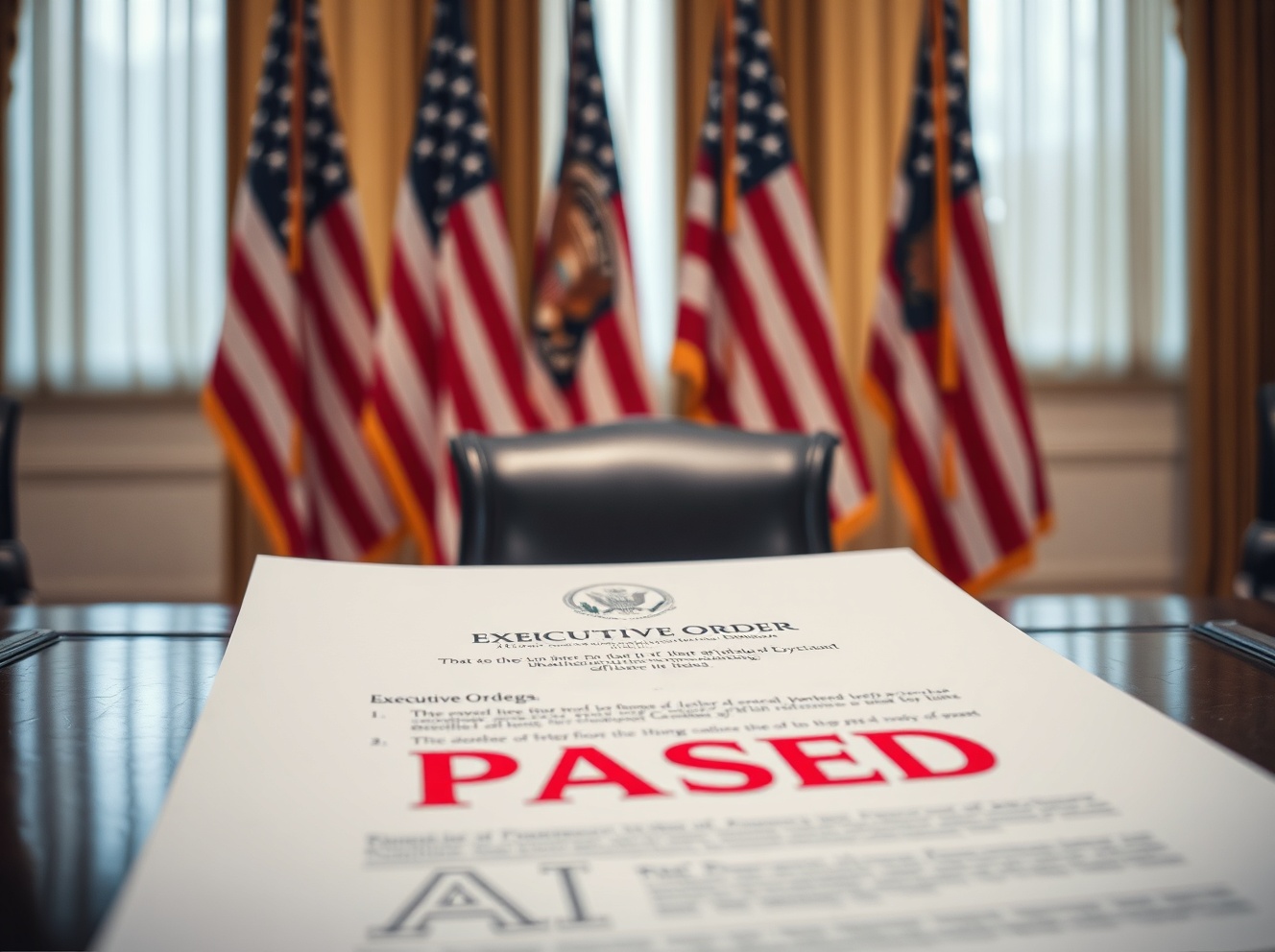
Stunning Reversal: Trump Administration Pauses AI Litigation Task Force Targeting State Regulations
In a surprising turn of events that could reshape the landscape of artificial intelligence governance, the Trump administration has reportedly put on hold an executive order that would have established an AI litigation task force to challenge state-level AI regulations. This development represents a significant shift in the federal government’s approach to AI regulation and could have far-reaching implications for how artificial intelligence is governed across the United States.
What Prompted This Dramatic Shift in AI Regulation Strategy?
The Trump administration had been aggressively targeting state-level AI regulation, with President Trump declaring in a social media post that the industry needs “one Federal Standard instead of a patchwork of 50 State Regulatory Regimes.” This stance followed the removal of a 10-year ban on state AI laws from Trump’s “Big Beautiful Bill” by the Senate in a nearly unanimous 99-1 vote. The administration then reportedly drafted an executive order to create the AI litigation task force specifically designed to challenge state AI regulations through lawsuits.
Understanding the Proposed AI Litigation Task Force
The now-paused executive order would have established a powerful mechanism to enforce federal AI policy supremacy:
- Mission to challenge state AI laws through legal action
- Authority to threaten states with loss of federal broadband funding
- Power to create uniform federal standards across all states
- Ability to override conflicting state-level regulations
Why Did Republicans Oppose This Federal AI Policy Approach?
The proposed AI regulation strategy faced significant opposition from unexpected quarters, including Republicans who had previously criticized the moratorium on state regulation. This internal party conflict highlights the complex political dynamics surrounding artificial intelligence governance. The resistance suggests that even within the Trump administration‘s own political base, there are concerns about federal overreach in technology policy.
Silicon Valley’s Divided Stance on State AI Laws
The debate over AI regulation has created deep divisions within the technology industry:
- Some industry figures, particularly those aligned with the Trump administration, have attacked companies like Anthropic for supporting AI safety legislation
- California’s SB 53 has become a focal point of controversy
- Industry leaders are split between favoring uniform federal standards versus state-specific approaches
- The debate reflects broader tensions between innovation and safety concerns
What This Means for Future Federal AI Policy
The pause in establishing the AI litigation task force suggests several important developments in federal AI policy:
- Potential recognition of state rights in technology regulation
- Acknowledgment of the political challenges in overriding state laws
- Possible shift toward collaborative federal-state approaches
- Increased uncertainty for AI companies operating across multiple states
The Road Ahead for AI Regulation in America
This development represents a critical juncture in how the United States will approach AI regulation. The pause allows for:
- More time for stakeholder consultation
- Potential compromise between federal and state interests
- Opportunity for more nuanced policy development
- Space for industry input on the optimal regulatory framework
Frequently Asked Questions
What companies are most affected by these AI regulation changes?
Companies like Anthropic and other AI developers operating across multiple states face significant regulatory uncertainty.
Who in the Trump administration is driving AI policy?
While specific officials aren’t named in the report, the administration’s approach appears coordinated through executive channels, potentially involving President Trump directly.
What state AI laws are currently most controversial?
California’s SB 53 has emerged as a particularly contentious piece of legislation that has drawn criticism from administration-aligned industry figures.
How might this affect international AI companies?
Foreign AI companies operating in the US now face a more complex regulatory landscape with potential state-by-state variations in requirements.
This stunning reversal in the Trump administration‘s approach to AI regulation marks a pivotal moment in the evolution of artificial intelligence governance. By pausing the establishment of an AI litigation task force that would have challenged state AI laws, the administration has opened the door for a more collaborative approach to federal AI policy. This decision acknowledges the political realities of overriding state authority while creating space for more nuanced policy development that balances innovation with necessary safeguards.
To learn more about the latest AI regulation trends, explore our article on key developments shaping AI policy and institutional adoption.
This post Stunning Reversal: Trump Administration Pauses AI Litigation Task Force Targeting State Regulations first appeared on BitcoinWorld.


You May Also Like

The Next Big Exchange Token? 6 Reasons Crypto Investors Are Comparing BlockchainFX to BNB and Hyperliquid

Resale on the Rise: Klarna’s Resell Feature Grows 75% as Consumers Put Real Money Back in Their Pockets




