

Short-term GICs take less than a year to mature. The principal is guaranteed along with an advertised rate of interest. These products are a good way to get a bit more out of your investment without sacrificing much liquidity.
Find the best GIC rates in Canada. Plus, everything you need to know about how they work. The post The best GIC rates in Canada for 2026 appeared first on MoneySenseFind the best GIC rates in Canada. Plus, everything you need to know about how they work. The post The best GIC rates in Canada for 2026 appeared first on MoneySense
The best GIC rates in Canada for 2026
For feedback or concerns regarding this content, please contact us at crypto.news@mexc.com
GIC comparison tool
Find the best and most up-to-date GIC rates in Canada using the comparison tool below. Plus, use the filters to assess your estimated rate of return based on the size of your balance.
Why trust us
MoneySense is an award-winning magazine, helping Canadians navigate money matters since 1999. Our editorial team of trained journalists works closely with leading personal finance experts in Canada. To help you find the best financial products, we compare the offerings of major institutions, including banks, credit unions and card issuers. Learn more about our advertising and trusted partners.
Highest GIC rates in Canada
Banks, credit unions, trust companies and discount brokerages all offer GICs. Below, you’ll find the best rates available from a variety of financial institutions, including credit unions and Canada’s Big Six banks. The rates listed are for non-redeemable GICs held in non-registered accounts—the most popular type of GIC in Canada. A member of our editorial team reviews these rates daily, so you can rest assured the information is accurate.
| GIC provider | 1-year | 2-year | 3-year | 4-year | 5-year |
|---|---|---|---|---|---|
| Achieva Financial | 3.40% | 3.55% | 3.80% | 3.70% | 3.80% |
| Alterna Bank | 2.75% | 2.90% | 3.15% | 3.30% | 3.40% |
| EQ Bank | 3.00% | 3.25% | 3.60% | 3.65% | 3.75% |
| Hubert Financial | 3.45% | 3.55% | 3.65% | 3.70% | 3.80% |
| ICICI Bank Canada | 2.85% | 3.05% | 3.05% | 3.15% | 3.25% |
| Lighthouse Credit Union | 3.40% | 3.20% | 3.30% | 3.45% | 3.75% |
| MCAN Wealth | 3.40% | 3.50% | 3.60% | 3.60% | 3.80% |
| Meridian Credit Union | 2.80% | 3.15% | 3.30% | 3.40% | 3.60% |
| Oaken Financial | 3.40% | 3.50% | 3.60% | 3.60% | 3.80% |
| People’s Trust | 2.90% | 3.15% | 3.30% | 3.25% | 3.45% |
| Saven Financial | 3.55% | 3.60% | 3.70% | 3.70% | 3.80% |
| Simplii Financial | 2.81% | 2.86% | 2.96% | 3.15% | 3.25% |
| Tangerine | 3.00% | 3.15% | 3.30% | 3.40% | 3.55% |
GIC rates from Canada’s Big Six banks
The rates listed are for non-redeemable GICs held in non-registered accounts. The rates are verified and updated every weekday.
| GIC provider | 1-year | 2-year | 3-year | 4-year | 5-year |
|---|---|---|---|---|---|
| BMO | 2.25% | 2.40% | 2.55% | 2.70% | 3.00% |
| CIBC | 2.70% | 2.75% | 2.85% | 3.00% | 3.10% |
| National Bank | 2.50% | 2.90% | 3.00% | 3.20% | 3.30% |
| RBC | 2.45% | 2.55% | 2.55% | 2.70% | 2.75% |
| Scotiabank | 2.45% | 2.50% | 2.60% | 2.70% | 2.75% |
| TD | 2.60% | 2.65% | 2.60% | 2.70% | 3.00% |
What is a GIC?
Guaranteed investment certificates (GICs) are termed loans you make to a bank or other financial institution. When you purchase a GIC, you agree to a specific term (period of time) during which your deposit will remain with the bank. In return, the bank offers you a guaranteed interest rate. You can usually invest in a GIC for as little as $500, and there’s typically no fee associated with buying one. Certain types of GICs allow you to withdraw some or all of your money early.
GICs must be purchased within an account. There are many types of accounts to choose from, including non-registered accounts (such as a cash or margin account) and registered accounts, like an RRSP, TFSA, first home savings account (FHSA), registered education savings plan (RESP) or registered retirement income fund (RRIF). Investments in these accounts carry different tax implications, so consider speaking to an advisor or your financial institution if you’re unsure which is right for you. Once you’ve opened the account, buying GICs is pretty simple.
Types of GICs available in Canada
There are many different kinds of GICs, but these are the most common.
Long-term GICs have terms of one year or more, and they typically have higher interest rates than short-term GICs. Investors can buy long-term GICs to generate monthly income, perhaps using a GIC laddering strategy with staggered maturity dates.
These GICs are typically available for short one-year terms, and you’re free to cash out early after a 30- or 90-day closing period. Cashable GICs are perfect for people who think they may need access to their money but want to invest to get a higher guaranteed interest rate than what a regular bank account offers. While the trade-off for greater flexibility is usually a lower interest rate, cashable GICs can be a smart way to protect yourself against interest rate fluctuations. If interest rates rise, your money won’t be locked in at a lower fixed rate for long. On the other hand, if interest rates fall, a GIC might prove to be better than a savings account, allowing you to lock in at a higher percentage.
Redeemable and cashable GICs are very similar. Some banks use the terms interchangeably, so it’s prudent to check each product before purchasing it. That said, in many cases the difference is that a redeemable GIC allows you to access your money before the end of the term—without a waiting period—but the GIC may be subject to an early-redemption rate that can drastically cut the interest you receive.
As the name suggests, a non-redeemable GIC cannot be cashed out prior to the end of its term without incurring a penalty. However, non-redeemable GICs tend to offer higher interest rates, so they may be ideal for those wanting a secure investment over a fixed amount of time.
Registered GICs can be held inside registered investment accounts like RRSPs, RRIFs and TFSAs, which are tax-sheltered. In the case of an RRSP or RRIF, you’ll be taxed in the year that you withdraw the funds, and with a TFSA, you’ll never pay tax. However, there are limits on how much you can put into these accounts each year, depending on the type of account. (For example, check your TFSA limit here.)
These are GICs not held inside a registered account. So, it’s essentially the opposite of the registered GICs described above—the GIC interest you earn will be added to your income and taxed according to your tax bracket. There is no limit on what you can invest in non-registered GICs.
This type of GIC performs according to a specified equity index, and it only guarantees your principal deposit. With one foot in a GIC and the other in the stock market, these products may be right for those looking for a slightly higher amount of risk with the possibility of greater rewards.
These are GICs in currencies other than Canadian dollars, usually U.S. dollars. Foreign-currency GICs might work well for someone who travels frequently or receives income in another currency.
GIC pros and cons
Pros
- GICs are very low-risk, since your principal investment is guaranteed to be paid back.
- You’ll receive a guaranteed rate of interest when the GIC matures—no need to worry about market volatility.
- GICs are eligible for Canada Deposit Insurance Corporation (CDIC) coverage, if purchased at a CDIC member institution. This means your principal is safe even if the financial institution fails.
- You can hold GICs in both registered and non-registered investments accounts.
Cons
- Your money will be tied up in the GIC until its maturity date, unless you cash it in early (perhaps paying a penalty) or you choose a redeemable GIC (likely with a lower interest rate than a non-redeemable GIC).
- The interest rate you earn on a GIC may not be high enough to keep up with inflation. According to the Consumer Price Index, the current inflation rate in Canada is 1.7%.
Compare GIC providers in Canada
At a glance: Established in 1998 as a division of Manitoba’s Cambrian Credit Union, Achieva Financial is one of the country’s oldest online financial institutions. It offers registered and non-registered GICs, and all deposits are guaranteed without limit by the Deposit Guarantee Corporation of Manitoba.
Minimum deposit: $1,000
Account types available: Non-registered; RRSP, RRIF; TFSA
Types of GICs available: Non-redeemable
Terms available: 1 year to 5 years
Interest paid: Annually
Availability: Canada-wide
Deposit insurance: All deposits are guaranteed, without limit, by the Deposit Guarantee Corporation of Manitoba
At a glance: Alterna Bank is a digital subsidiary of Ontario credit union Alterna Savings and a partner with QTrade, making it a seamless option for those who want to access QTrade’s Guided Portfolios or to self-manage their investments through QTrade Direct Investing. At Alterna Bank, GICs are called eTerm deposits.
Minimum deposit: $500
Account types available: Non-registered; TFSA
Types of GICs available: Non-redeemable only
Terms available: 1 year to 5 years
Interest paid: Annually
Availability: Canada-wide
Deposit insurance: Up to $100,000 is covered with CDIC
At a glance: With a history going back to 1817, this Big Six bank is the oldest in Canada. In addition to traditional GICs, BMO offers several unique products including an Air Miles GIC that lets you collect points and a market-linked GIC that you can focus on sustainable companies.
Minimum deposit: $1,000
Account types available: Non-registered; TFSA; RRSP; RRIF; RESP; RDSP
Types of GICs available: Cashable; non-cashable; redeemable; partially redeemable; not redeemable; market-linked; foreign currency
Terms available: 30 days to 10 years
Interest paid: Monthly, semi-annually and annually
Availability: Canada-wide
Deposit insurance: Up to $100,000 with CDIC
At a glance: CIBC’s history goes back to 1961 when the Canadian Bank of Commerce (founded in 1867) merged with Imperial Bank of Canada (founded in 873). It currently serves more than 13 million customers. CIBC offers some GICs at a “bonus rate,” which generates more interest than the posted rate. Additionally, CIBC has a registered GIC designed for a life income fund (LIF) or locked-in retirement income fund (LRIF).
Minimum deposit: $500
Account types available: Non-registered; TFSA; RRSP; RRIF; LIF
Types of GICs available: Cashable; redeemable; non-redeemable; market-linked
Terms available: 30 days to 5 years
Interest paid: Annually
Availability: Canada-wide
Deposit insurance: Up to $100,000 with CDIC
At a glance: A trade name of Equitable Bank, which was founded more than 50 years ago, EQ Bank is a digital platform launched in 2016. With the 2022 acquisition of Wyth Financial, Equitable deepened its ties to Canadian credit unions. EQ Bank has a very wide variety of terms and types of GICs available, including a first-home savings account (FHSA) GIC.
Minimum deposit: $100
Account types available: Non-registered; TFSA; RRSP; FHSA
Types of GICs available: Non-redeemable
Terms available: 3 months to 10 years
Interest paid: Annually or at maturity for registered accounts
Availability: Canada-wide
Deposit insurance: Up to $100,000 with CDIC
At a glance: Manitoba’s Hubert Financial is an online-only financial institution offering a range of GICs that are fully guaranteed with no limit by the Deposit Guarantee Corporation of Manitoba. It is a division of Access Credit Union, which merged with Sunova Credit Union and Noventis Credit Union on July 1, 2022.
Minimum deposit: $1,000
Account types available: Non-registered; TFSA; RRSP; RRIF
Types of GICs available: Non-redeemable; 1 year quarterly term is cashable
Terms available: 1 year to 5 years
Interest paid: Annually
Availability: Canada-wide
Deposit insurance: All deposits are guaranteed, without limit, by the Deposit Guarantee Corporation of Manitoba
At a glance: Part of a global banking brand, ICICI Bank Canada offers redeemable and non-redeemable GICs available in both CAD and USD. The latter is a great way to invest in a currency other than Canadian dollars, in preparation for a trip or simply to diversify your portfolio.
Minimum deposit: $1,000
Account types available: Non-registered; TFSA; RRSP
Types of GICs available: Redeemable (CAD and USD) and non-redeemable (CAD and USD)
Terms available: 30 days to 5 years (non-redeemable); 1 year to 5 years (redeemable)
Interest paid: Annually
Availability: Canada-wide
Deposit insurance: Up to $100,000 with CDIC
At a glance: Lighthouse Credit Union started operating in 2022. Its range of GICs (available to Ontario residents) is more limited than what you can find elsewhere—and the minimum deposit is higher—but its rates are very competitive. Before you can purchase a Lighthouse GIC, you’ll have to become a member of the credit union. That process takes about 5 minutes and can easily be done online. You’ll owe a one-time payment of $18 (refundable when you close your membership).
Minimum deposit: $3,000
Account types available: Non-registered only
Types of GICs available: Non-redeemable only
Terms available: 1 year, 2 year, 3 year and 5 year
Interest paid: Annually
Availability: Ontario only
Deposit insurance: Eligible deposits in non-registered accounts are insured up to $250,000 per depositor through the Financial Services Regulatory Authority (FSRA)
At a glance: MCAN Wealth is a division of MCAN Mortgage Corporation, which operates under the trade name MCAN Financial Group. MCAN Wealth offers CDIC-insured GICs with terms ranging from one to five years.
Minimum deposit: $1,000
Types of GICs available: Non-redeemable
Terms available: 1 to 5 years
Interest paid: Annually
Availability: Canada-wide
Deposit insurance: CDIC-insured
At a glance: Meridian is the largest credit union in Ontario and the second largest in the country. In 2019, it launched its digital arm, motusbank. Among its many unique offerings is the three- or five-year Raise the Rate GIC that allows you to increase your interest rate before your term is up.
Minimum deposit: $100
Account types available: Non-registered; TFSA; RRSP; RRIF
Types of GICs available: Cashable; redeemable; non-redeemable; market-linked
Terms available: 30 days to 5 years
Interest paid: Annually
Availability: Canada-wide
Deposit insurance: Eligible deposits in registered accounts have unlimited coverage through the Financial Services Regulatory Authority (FSRA). Eligible deposits in non-registered accounts are insured up to $250,000 through the FSRA.
At a glance: With more than 425 billion in assets, National Bank of Canada rounds out the country’s Big Six list of largest banks. Despite focusing primarily on servicing eastern Canada, National Bank of Canada’s products, including GICs, are available to clients across Canada.
Minimum deposit: $500
Account types available: Non-registered; TFSA; RRSP; RESP; FHSA
Types of GICs available: Redeemable; non-redeemable; market-linked; foreign currency
Terms available: 30 days to 5 years
Interest paid: Annually
Availability: Canada-wide
Deposit insurance: Up to $100,000 with CDIC
At a glance: Oaken Financial is the direct banking arm of Home Trust and was launched in 2013. It operates almost completely online (there are a few bricks-and-mortar offices in the country). Oaken is a member of the CDIC.
Minimum deposit: $1,000
Account types available: Non-registered; TFSA; RRSP; RRIF
Types of GICs available: Non-redeemable; cashable
Terms available: 30 days to 5 years
Interest paid: Annually
Availability: Canada-wide
Deposit insurance: Up to $100,000 with CDIC
At a glance: People’s Trust, a division of Vancouver-based People’s Group, has been in operation since 1985. It is a member of CDIC.
Minimum deposit: $1,000
Account types available: Non-registered; TFSA; RRSP
Types of GICs available: Non-redeemable
Terms available: 30 days to 5 years
Interest paid: Annually
Availability: Canada-wide
Deposit insurance: Up to $100,000 with CDIC
At a glance: Founded in 1864 as Royal Bank of Canada, RBC is one of the largest banks in the world and a Big Six bank in Canada. It offers a wide range of products including market-, equity-, and interest-linked GICs, as well as USD GICs.
Minimum deposit: $500
Account types available: Non-registered; TFSA; RRSP; RRIF; RESP; RDSP
Types of GICs available: Cashable; redeemable; non-redeemable; market-linked; foreign currency; interest-linked; equity-linked
Terms available: 1 day to 10 years
Interest paid: Annually
Availability: Canada-wide
Deposit insurance: Up to $100,000 with CDIC
At a glance: Saven Financial is an online-only bank and division of First Ontario Credit Union. Created in 2019, it offers a wide range of account types. Deposits in non-registered accounts are insured for up to $250,000.
Minimum deposit: $1,000
Account types available: TFSA, FHSA, RRSP
Types of GICs available: Non-redeemable
Terms available: 6 months to 5 years
Interest paid: Annually
Availability: Canada-wide (except Quebec)
Deposit insurance: $250,000 (on non-registered GICs only, through the Financial Services Regulatory Authority)
At a glance: A Big Six bank in Canada, Scotiabank serves more than 25 million customers globally. It has a range of GIC products, including market-linked, and customers who bank with its Preferred Package or Ultimate Package also receive higher interest rates on some GICs.
Minimum deposit: $500
Account types available: Non-registered; TFSA; RRSP; RRIF; RDSP
Types of GICs available: Cashable; redeemable; non-redeemable; market-linked
Terms available: 30 days to 5 years
Interest paid: Semi-annually and annually
Availability: Canada-wide
Deposit insurance: Up to $100,000 with CDIC
At a glance: Simplii Financial, created in 2017, is an online-only bank backed by CIBC, one of Canada’s six major banks. It offers one to five-year GICs across Canada, except in the province of Quebec. Simplii Financial GICs are available with multiple account types, and it offers a healthy amount of insurance coverage.
Minimum deposit: $100
Account types available: Non-registered; RRSP
Types of GICs available: Non-redeemable
Terms available: 1 to 5 years
Interest paid: Annually
Availability: Canada-wide (except Quebec)
Deposit insurance: $100,000
At a glance: Tangerine, a subsidiary of Scotiabank, is one of the largest online-only banks in Canada. Tangerine offers several types of GICs, including a USD GIC with no monthly fee.
Minimum deposit: Not specified
Account types available: Non-registered GICs; TFSA; RRSP; RRIF
Types of GICs available: Non-redeemable; foreign currency
Terms available: 90 days to 5 years
Interest paid: Annually
Availability: Canada-wide
Deposit insurance: Up to $100,000 with CDIC
At a glance: A Big Six bank in Canada and one of the 10 largest banks in the U.S., TD serves more than 27.5 million customers worldwide. In addition to the regular GIC products, TD also has several time-limited special offer GICs that may have higher interest rates than traditional GICs, available for both registered and non-registered investments.
Minimum deposit: $500
Account types available: Non-registered; TFSA; RRSP; RRIF; RESP; FHSA
Types of GICs available: Cashable; non-cashable; market-linked; foreign currency; special offer
Terms available: 30 days to 5 years
Interest paid: Annually
Availability: Canada-wide
Deposit insurance: Up to $100,000 with CDIC
Are GICs safe?
GICs are popular investments because they offer guaranteed returns. The financial institution selling the GIC is legally obligated to return the initial investment along with the agreed-upon interest. If the institution fails, additional protection comes into play. Many GICs in Canada, including foreign-currency GICs, are covered by the Canada Deposit Insurance Corporation (CDIC) for up to $100,000. Provincial insurers also provide coverage, with varying limits.
| Province | Coverage |
|---|---|
| Alberta | The Credit Union Deposit Guarantee Corporation (CUDGC) covers 100% of all deposits, plus accrued interest, made with credit unions in Alberta. |
| British Columbia | The Credit Union Deposit Insurance Corporation (CUDIC) covers 100% of all deposits made with credit unions in British Columbia. |
| Manitoba | The Deposit Guarantee Corporation of Manitoba (DGCM) covers 100% of all deposits made with credit unions and caisse populaires in Manitoba. |
| New Brunswick | The New Brunswick Credit Union Deposit Insurance Corporation (NBCUDIC) covers up to $250,000 per deposit type, including term deposits and GICs. |
| Newfoundland and Labrador | The Credit Union Deposit Guarantee Corporation (CUDGC) covers up to $250,000 per deposit type, including term deposits and GICs. |
| Nova Scotia | The Nova Scotia Credit Union Deposit Insurance Corporation (NSCUDIC) covers up to $250,000 per account type, including term deposits and GICs. |
| Ontario | The Deposit Insurance Corporation of Ontario (DICO) covers up to $100,000 (including interest and dividends) in term deposits and GICs, plus offers unlimited protection for deposits held in registered plans. |
| Prince Edward Island | The Credit Union Deposit Insurance Corporation (CUDIC) covers up to $125,000 in GICs and term deposits, plus offers unlimited protection for deposits held in registered plans. |
| Quebec | L’Autorité des marchés financiers covers up to $100,000 in GICs, plus up to $100,000 in savings in registered plans. |
| Saskatchewan | The Credit Union Deposit Guarantee Corporation (CUDGC) covers 100% of all deposits made with credit unions in Saskatchewan. |


Disclaimer: The articles reposted on this site are sourced from public platforms and are provided for informational purposes only. They do not necessarily reflect the views of MEXC. All rights remain with the original authors. If you believe any content infringes on third-party rights, please contact crypto.news@mexc.com for removal. MEXC makes no guarantees regarding the accuracy, completeness, or timeliness of the content and is not responsible for any actions taken based on the information provided. The content does not constitute financial, legal, or other professional advice, nor should it be considered a recommendation or endorsement by MEXC.
You May Also Like
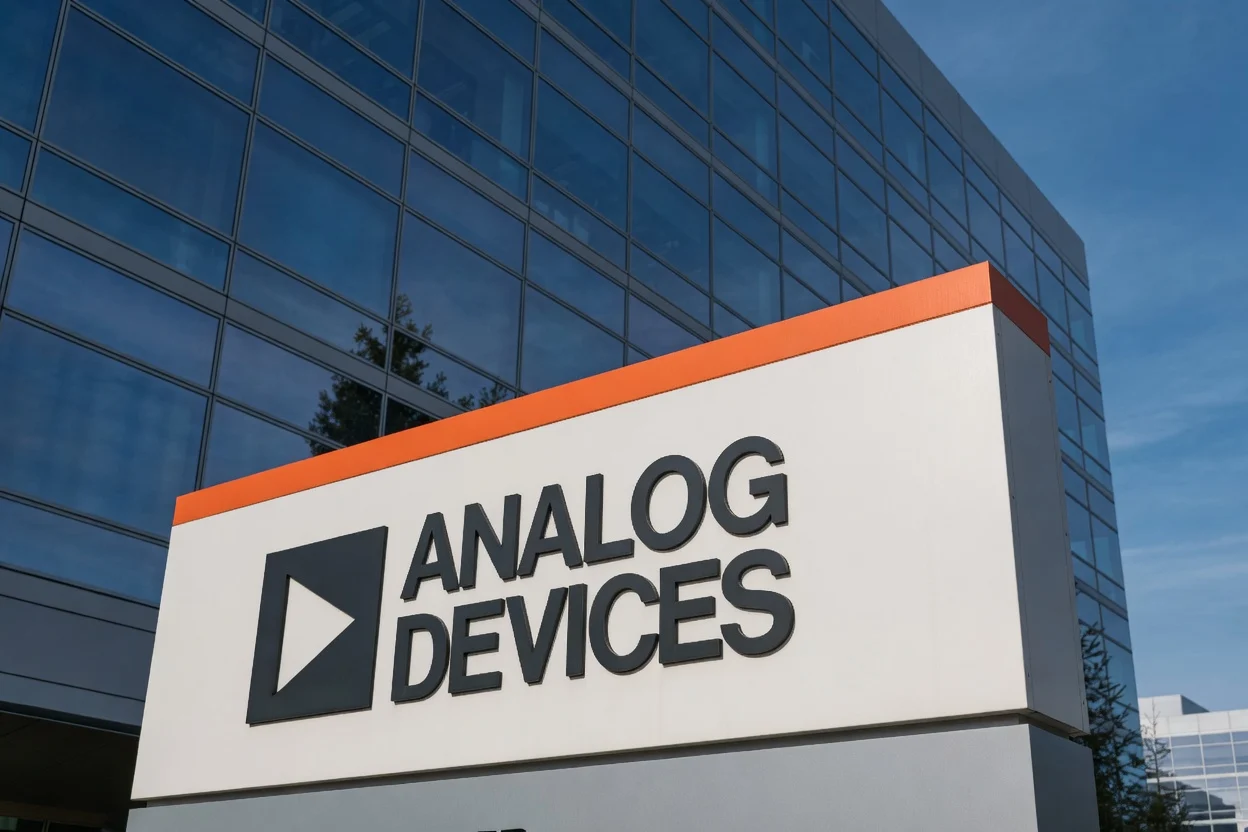
Analog Devices (ADI) Pursues $1.5 Billion Acquisition of Empower Semiconductor
Analog Devices (ADI) stock gains attention as reports surface of advanced negotiations to acquire Empower Semiconductor for approximately $1.5 billion cash. The
Share
Blockonomi2026/05/19 17:35

Why Businesses Need Professional Machine Design and Development Services
In many industries, machines are the backbone of daily work. They help businesses speed up production, improve accuracy, and reduce manual effort. But building
Share
Techbullion2026/04/02 17:54

OKX Wallet Collaborates With GoPlus Security To Power Safeguards of Web3 Multi-Chain Applications With Decentralized Security
Through GoPlus’ security solution integration, OKX Wallet added advanced security features to its native wallet, making user interactions in Web3 safer.
Share
Blockchainreporter2026/05/19 17:30



